





 52 reasons
  Free PDF


 Message us on WhatsApp
  Book a Free Call

 Islands
 How to get there, where to stay, what local cuisine to try, and the top 10 must-see attractions in Stone Town, Zanzibar.
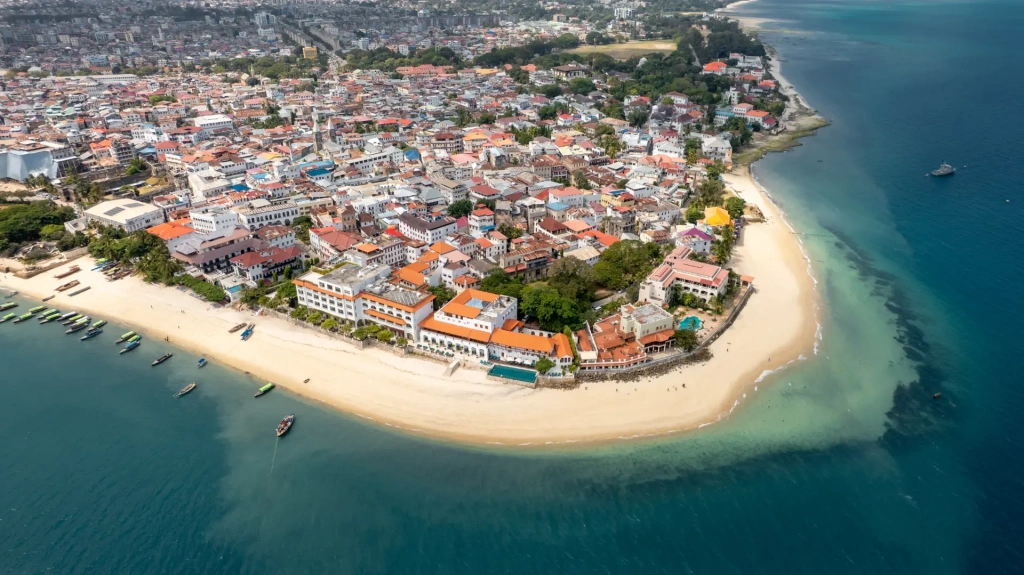
Zanzibar is one of the most popular beach destinations in 2025–2026. The turquoise waters of the Indian Ocean, powder-white sand, and Instagram-worthy sunsets attract hundreds of thousands of travelers every year. But the true character of the archipelago is revealed in its historic capital – Stone Town. Here, traces of Arab and Indian merchants, later followed by European colonizers, remain in the old architecture: massive carved doors, delicate balconies, and hidden courtyards. All of this has turned the city center into a living open-air museum.
How do you get to Stone Town, where should you stay, where can you try authentic cuisine, and what should you see to better understand Zanzibar’s history and culture? You’ll find all the answers in this guide.
A brief historical overview
Stone Town is the historic center of Zanzibar City, the capital of the Zanzibar archipelago. It lies on the western coast of the main island and, for a long time, served as the political and commercial center of the region. In 1856, Stone Town became the capital of the independent Sultanate of Zanzibar, which prospered at the time thanks to the trade in spices – and, unfortunately, slaves.
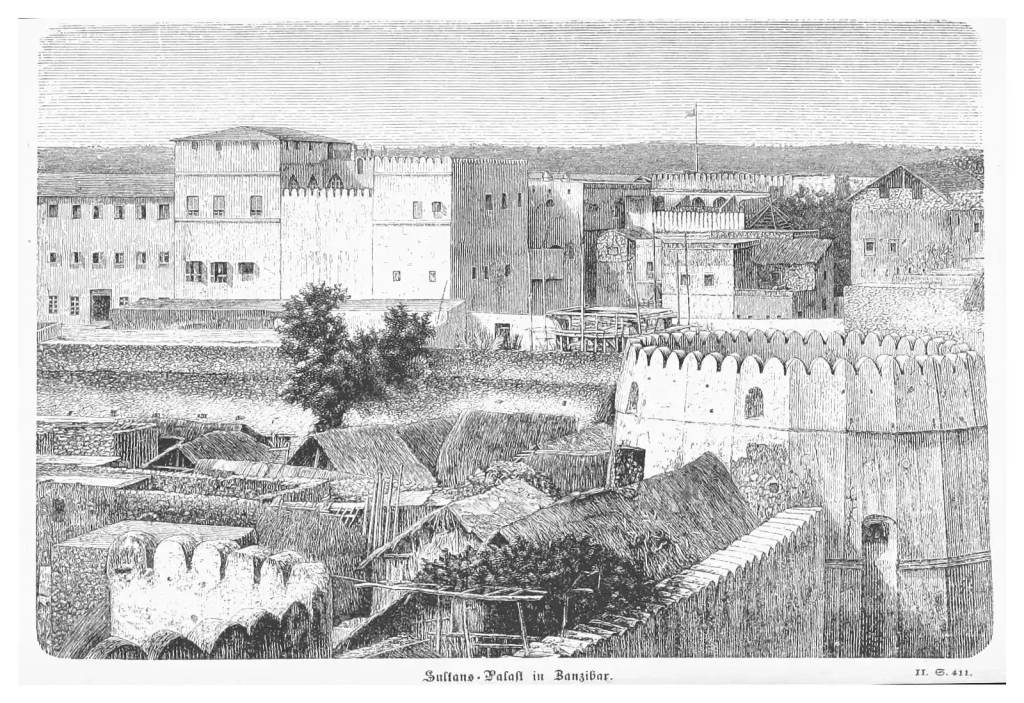
Even after Zanzibar became a British protectorate, the city retained its role as the archipelago’s main center. In 1964, when Tanganyika and Zanzibar – together with the island of Pemba – united to form the United Republic of Tanzania, Zanzibar retained semi-autonomous status within the new country, and Stone Town remained the seat of the local government.
How to get to Stone Town in Zanzibar?
Most travelers arrive at Abeid Amani Karume International Airport, which is just a 20-minute drive from the historic center.
Taxis are available outside the terminal, and the fare to Stone Town is usually around $15 (slightly more at night). However, it’s important to avoid using unlicensed drivers, as the final price may increase unexpectedly. Use only official taxis.

The most reliable option is a private transfer arranged through your hotel. The driver will meet you with a sign bearing your name and help with your luggage.
Flying is not the only way to reach Zanzibar if you are already in Tanzania. Ferries run from Dar es Salaam, for example. The trip takes about 2 hours, and tickets usually cost $35–50 one way. The ferry arrives directly at the port in Stone Town, from which the old town is just a 5-minute walk away. The waves can sometimes be quite strong, so motion-sickness tablets may be useful.
Most convenient flights from Europe usually involve one connection, with airlines such as Turkish Airlines, Qatar Airways, Etihad, and others. Direct flights to Abeid Amani Karume International Airport also operate, but typically only during the high season.
Where to stay in Stone Town?
Stone Town in Zanzibar offers hostels, hotels, and five-star accommodations for every budget. Many travelers spend 1–2 nights here immediately after arriving in the archipelago to explore the city, get used to the climate, and then continue on to a beach resort.
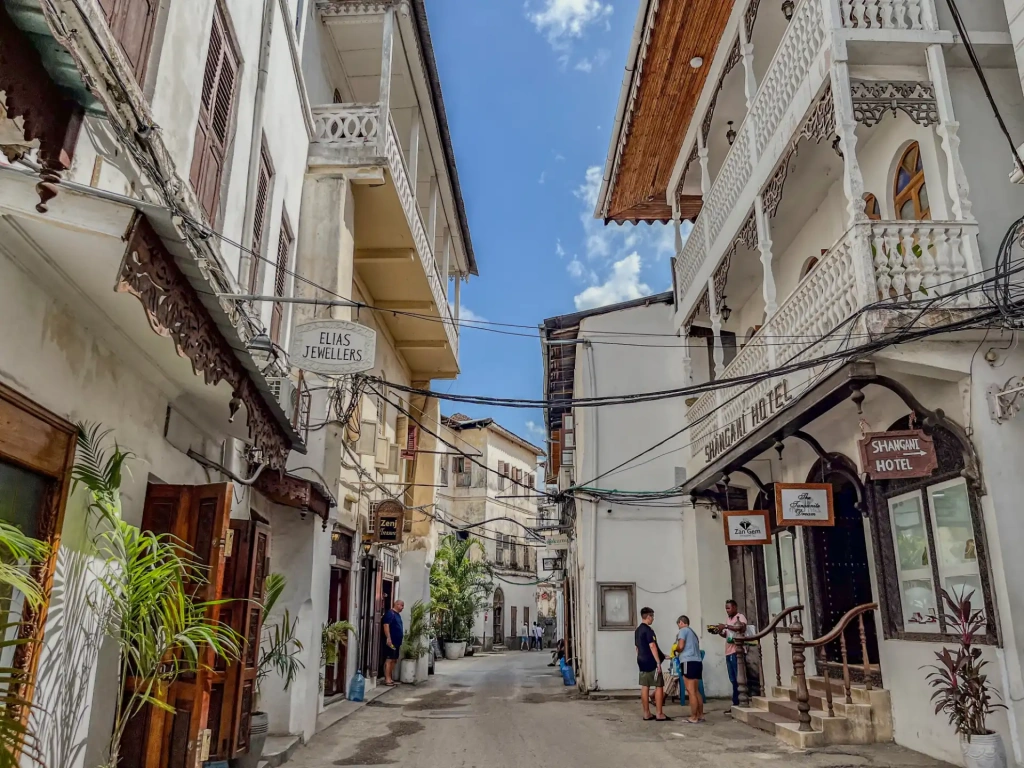
The accommodation options are diverse – from restored 19th-century Arab mansions with high ceilings and carved balconies to modern hotels with rooftop terraces. Most places offer air conditioning, mosquito-net canopies, and airport transfers. Below are a few examples in different price ranges.
- Lost & Found Zanzibar – a simple but tidy hostel in the very center of Stone Town. Ideal for travelers on a budget. Options range from dorm beds to private rooms. Approximate prices: $20–35 per night for a couple in low season, and $35–60 in high season.
- Dhow Palace Hotel – a classic hotel in a historic building with a rooftop terrace and a small pool. A solid mid-range option with good reviews. Prices for a standard double room usually range from $75–120 in low season and $100–180 in high season.
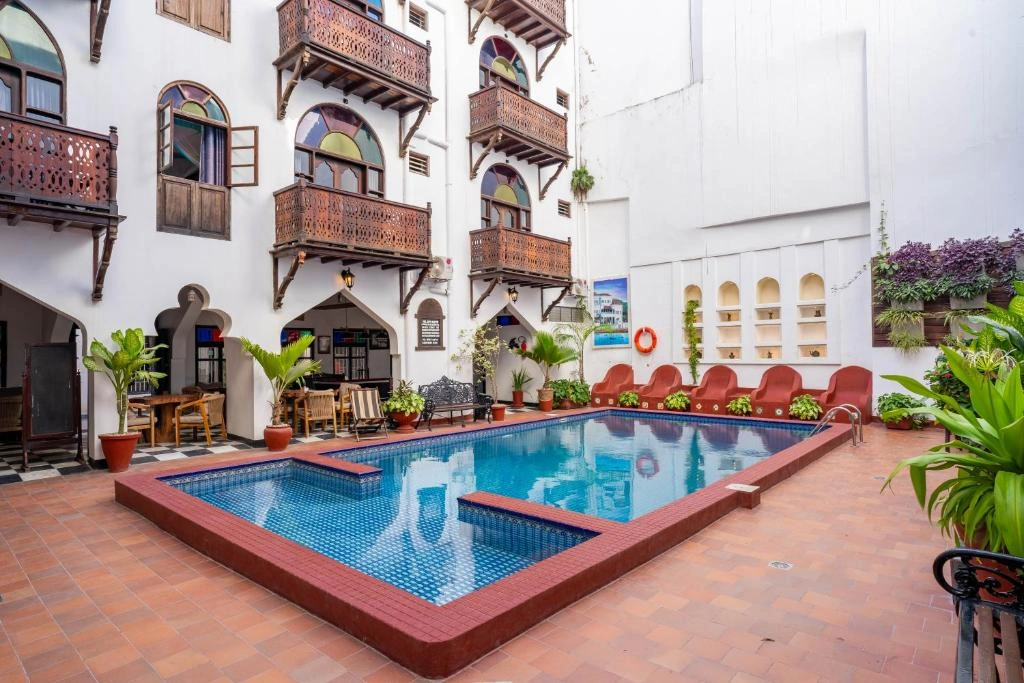
- Park Hyatt Zanzibar – a luxury hotel with elegant interior design, premium service, and maximum comfort, all right in the center of Stone Town. Spacious rooms with terraces overlook either the Indian Ocean or the city. Rates start from $500 per night in low season and $800–1000 in high season.
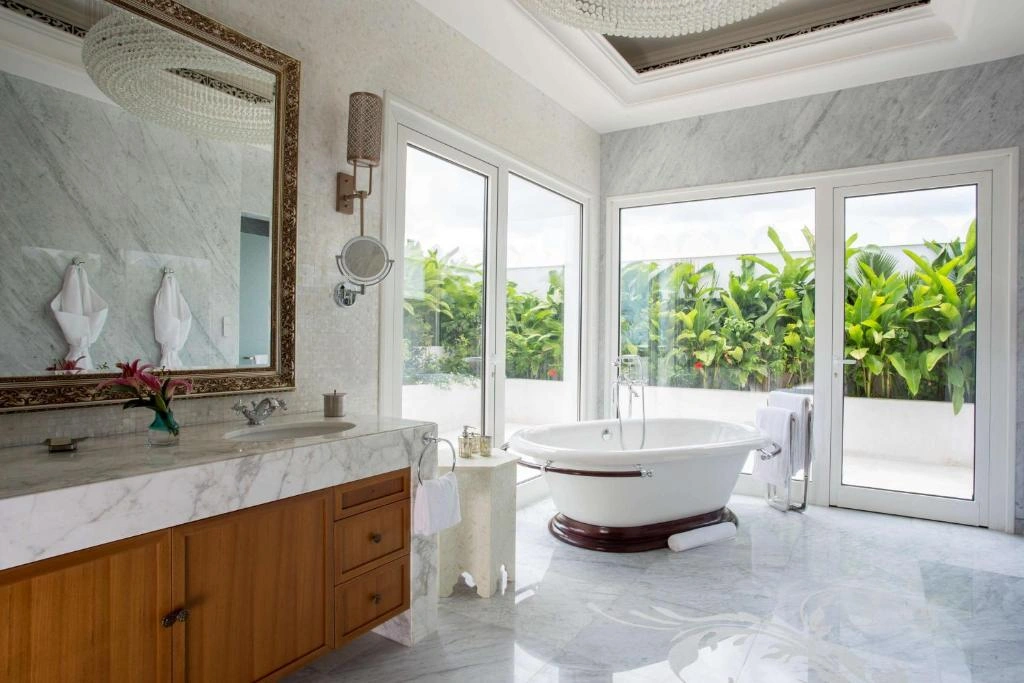
Booking in advance is highly recommended, especially in high season. Arriving without a reservation and searching for accommodation on the spot is only realistic from late March to May, during the long rainy season. At this time, there are very few tourists, and accommodation prices can drop by 30–50%.
Where to try local cuisine in Zanzibar?
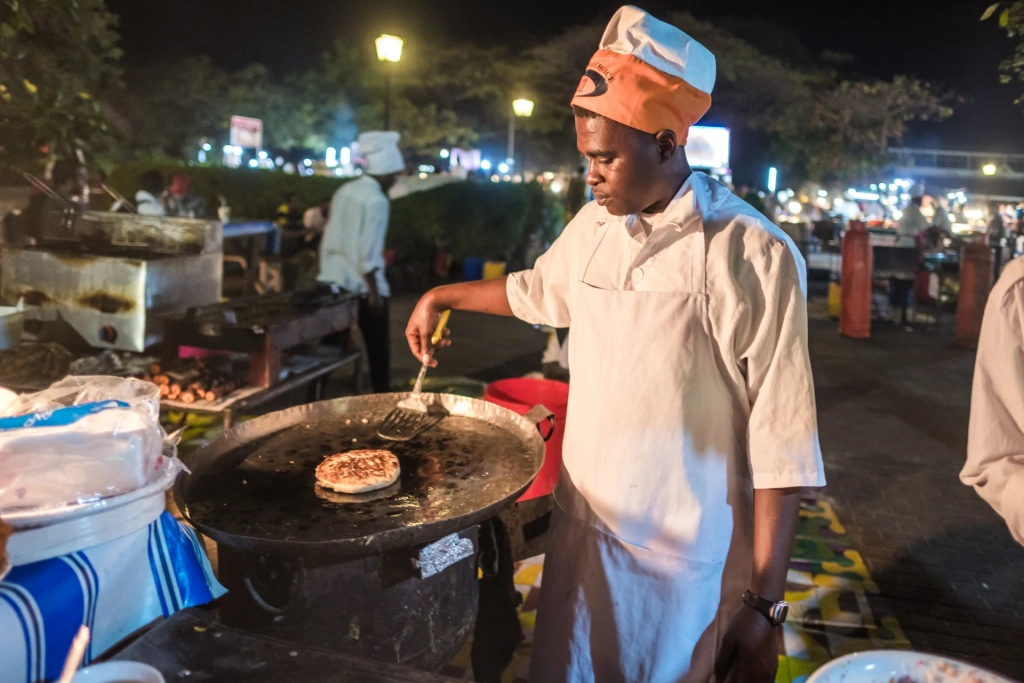
Zanzibar’s cuisine developed at the crossroads of East African, Arab, Indian, and European culinary traditions. Local dishes often combine fresh seafood, rice, curries, and a variety of spices – cloves, cardamom, turmeric, and coriander. A great place to start exploring local food is the Forodhani night market, where you can try the legendary Zanzibar pizza and other unusual local street foods.
For relaxed breakfasts, lunches, and dinners, Stone Town offers plenty of great establishments: from simple family-run cafés with authentic local character to elegant restaurants with luxurious menus and spectacular sunset views over the Indian Ocean.
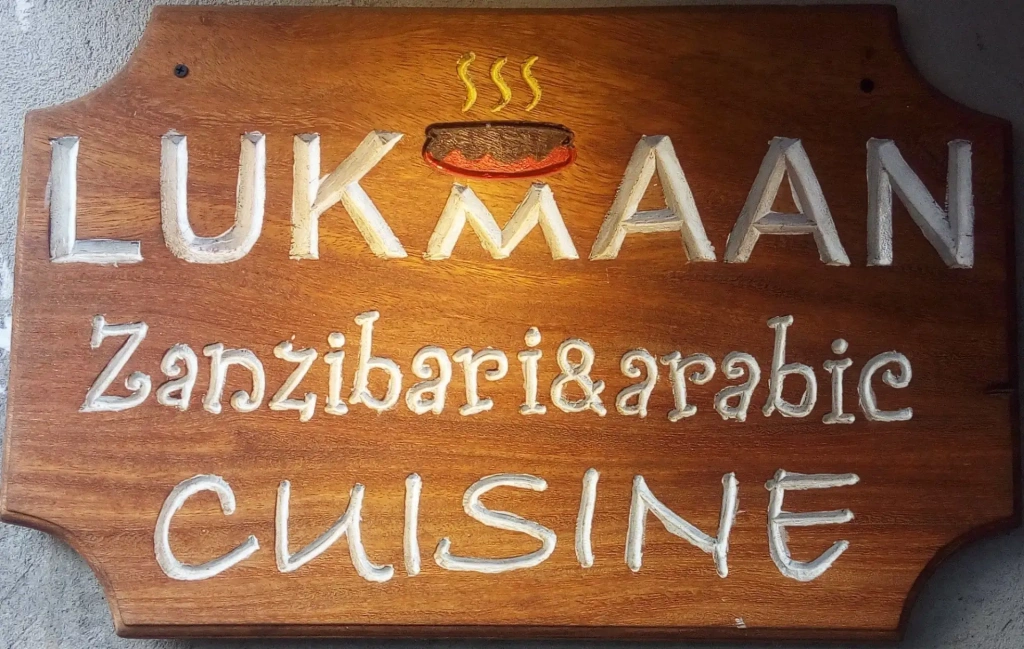
Lukmaan Restaurant – for any budget
Lukmaan is one of the most famous and affordable eateries in Stone Town, popular among both visitors and locals. It’s essentially a casual local eatery serving traditional Zanzibar dishes. Many say it serves the best mishkaki (Zanzibar-style grilled skewers) and seafood biryani in town. Visitors praise the generous portions and reasonable prices – a hearty meal can cost just $5–8.
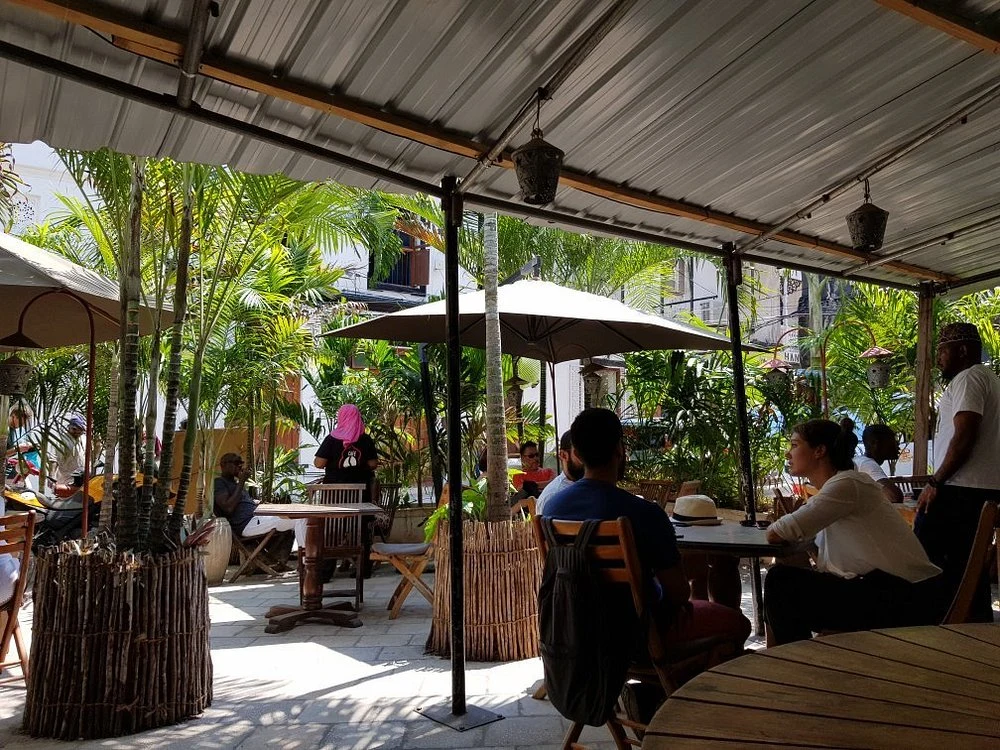
Stone Town Cafe – mid-range budget
Stone Town Cafe is a popular spot offering a varied menu for breakfast, lunch, and dinner. In addition to local dishes, it also serves familiar Western options such as burgers. The café is located in the city center, near major attractions. It has a relaxed atmosphere, excellent coffee, and homemade desserts. Visitors recommend trying the octopus in coconut curry, chicken quesadillas, and the signature caramel pudding. Dinner for two with drinks typically costs around $20–30.
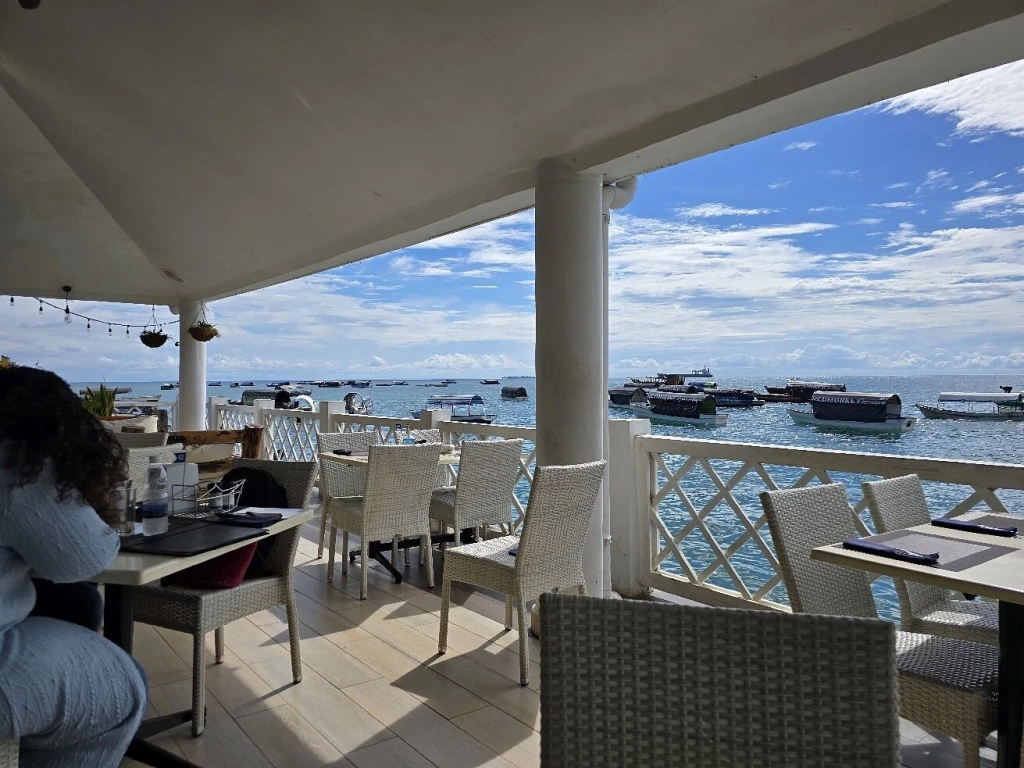
Cape Town Fish Market Zanzibar – perfect for a sunset dinner
Cape Town Fish Market Zanzibar is one of the most popular dining spots on the island. The restaurant sits on the waterfront right next to the Forodhani Gardens. The menu features a wide variety of seafood dishes, along with Asian and European options, including sushi, sashimi, and fish & chips. Dinner for two usually costs around $70–140. A relaxed atmosphere, live music in the evenings, and stunning ocean views make a visit to this place a memorable experience.
Emerson Spice Rooftop Tea House – for a special evening
Emerson Spice Rooftop Tea House is a rooftop restaurant at the Emerson Spice Hotel. This is a higher-end venue, and the prices reflect it. Tasting menus featuring 5–7 courses with fresh seafood are available. Dinner costs around $40 per person, excluding drinks, but the experience is well worth it. The tropical interior with elements of colonial architecture creates a unique atmosphere, while the terrace view over the old town turns sunset dining into a truly romantic experience.
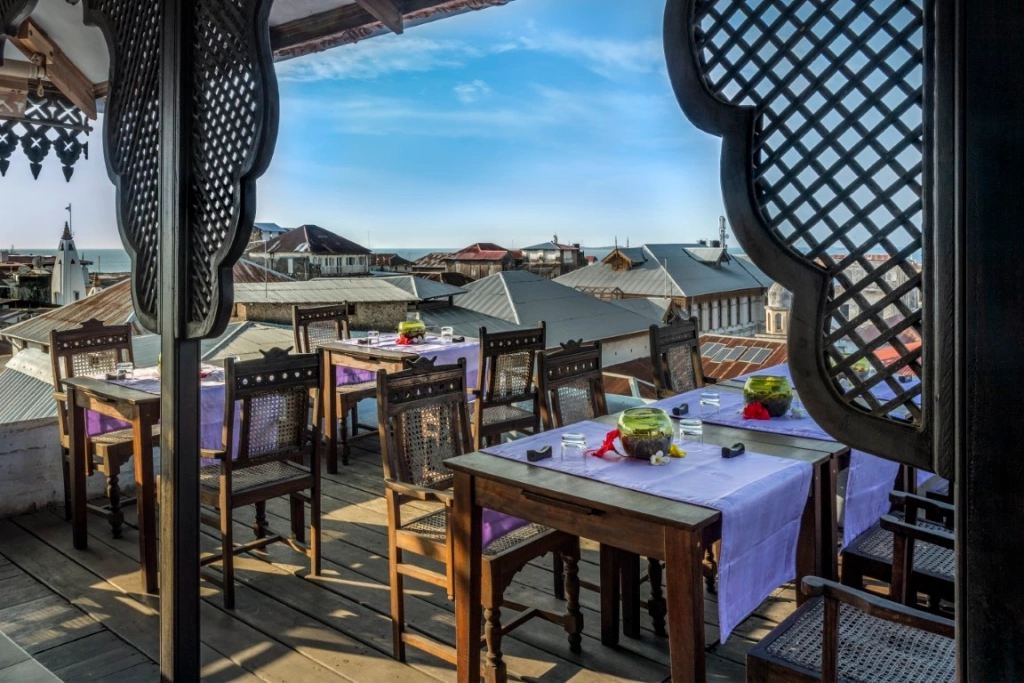
What to see in Stone Town: top-10 attractions
Despite its compact size, Stone Town preserves historic architecture reflecting Arab, Indian, Persian, and European influences. In 1–2 days, you can easily visit the main landmarks – such as the house where Freddie Mercury was born, the former slave market with its memorial and Anglican church, the Old Fort, and much more.
Zanzibar doors
- Entrance fee: free
- Location: scattered throughout the historic center – especially the Shangani district and surrounding streets
- Opening hours: 24 hours
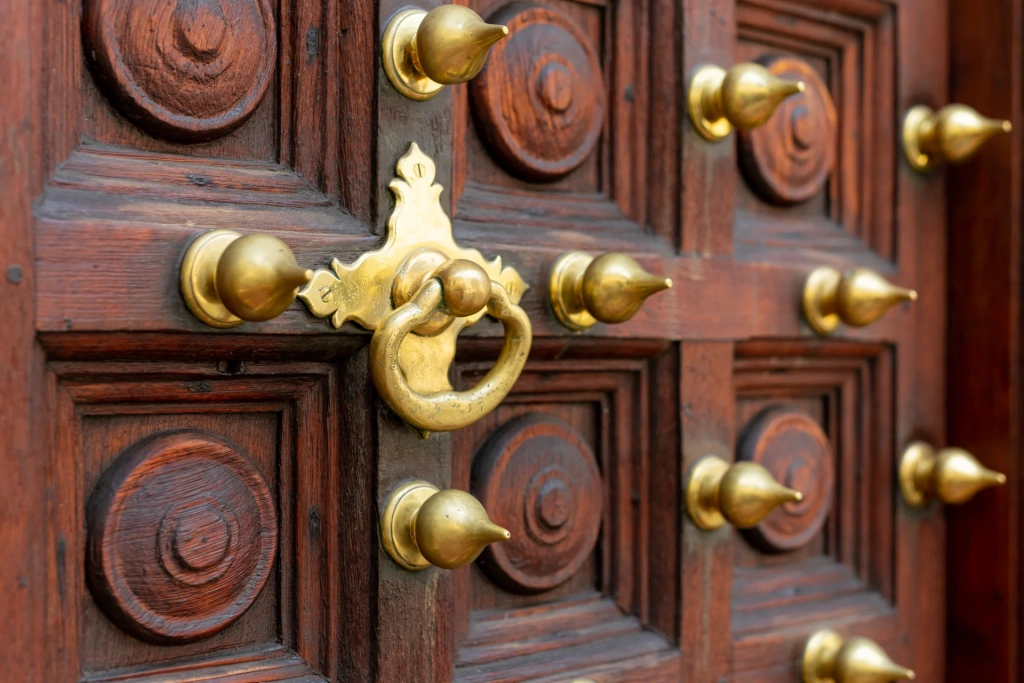
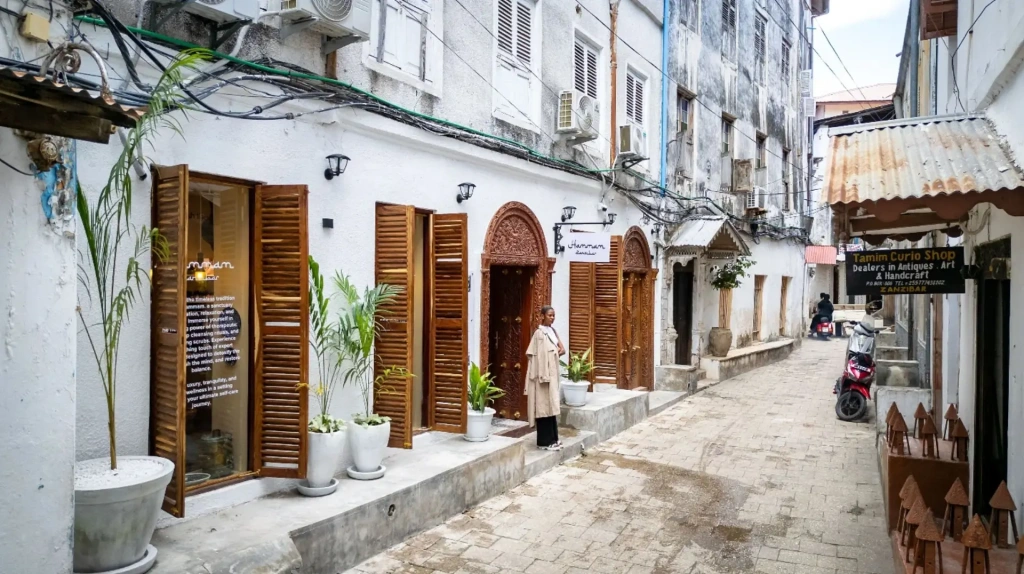
The carved doors of Stone Town are the signature feature of the old town. These massive double doors, often more than 2 meters (about 6.6 ft) tall, once served as a status symbol: the wealthier the homeowner, the more elaborate the ornamentation. The most luxurious doors were decorated with Quranic quotes and carvings of fish, lotuses, and chains – symbols of prosperity and protection from evil spirits.
Indian influence is evident in the floral motifs and the distinctive metal spikes designed to protect doors from elephants – a feature inspired by Indian architecture. The Arab style, by contrast, tends to be more geometric and restrained.
Today, many of these doors are deteriorating due to humidity and salty sea air, so the best examples are gradually being restored. They are often included on walking tours lasting about 2 hours, during which guides explain the most interesting examples and their histories.
Freddie Mercury Museum
- Entrance fee: $10 for adults, $6 for children under 12
- Location: 57 Kenyatta Rd
- Opening hours: daily 10:00–18:00
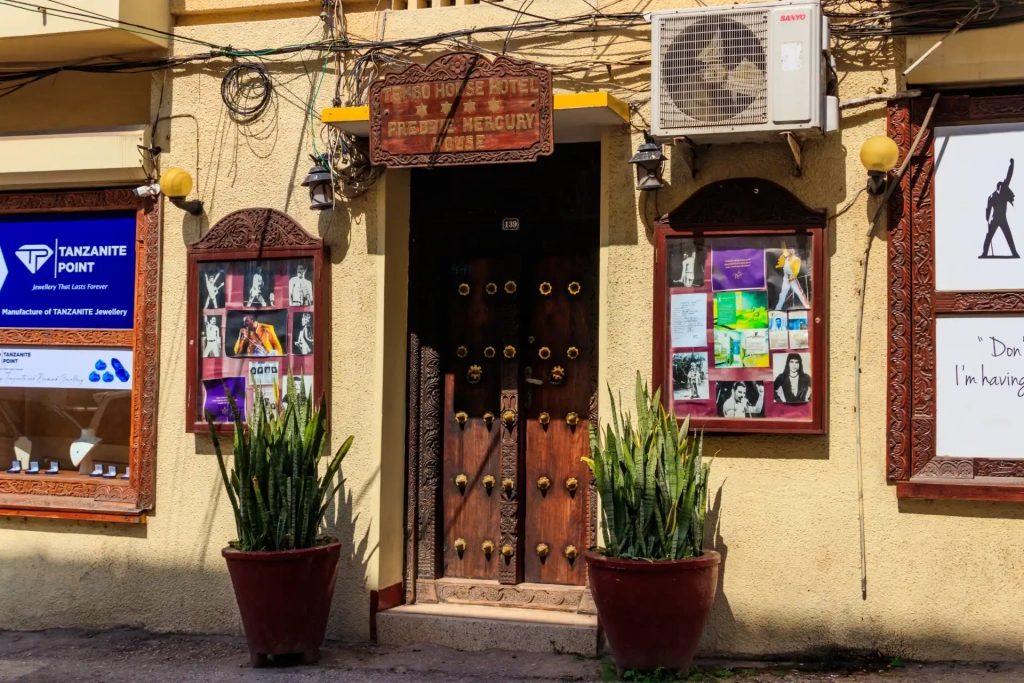
The Freddie Mercury Museum in Stone Town focuses on the musician’s Zanzibar years. Freddie’s real name was Farrokh Bulsara. He was born in 1946 into a Parsi Zoroastrian family and spent the first eight years of his life on the island.
The small building in the Shangani district was transformed into Mercury House in 2019. The exhibition is compact but very personal. It includes childhood photos, school notebooks, a reconstruction of his room, early records and guitars, and even letters and memories from school friends.
A separate section is dedicated to the 1964 revolution, which forced the family to leave the island quickly and move to the United Kingdom.
Christ Church Cathedral
- Entrance fee: $5 (includes access to the slavery museum and a guide)
- Location: Mkunazini Road
- Opening hours: daily 8:00–18:00
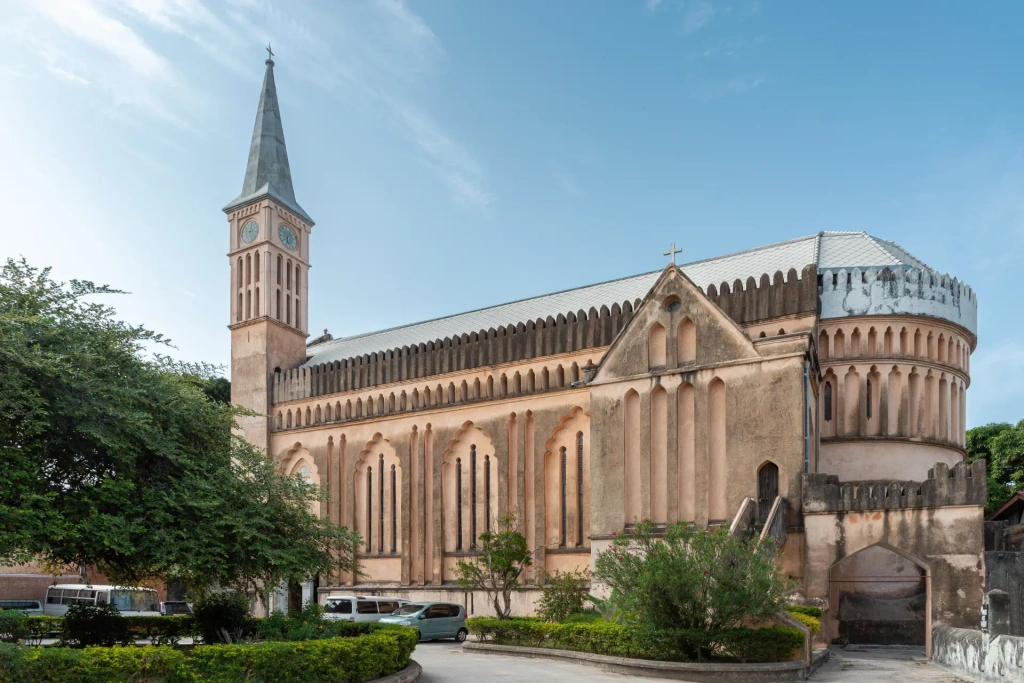
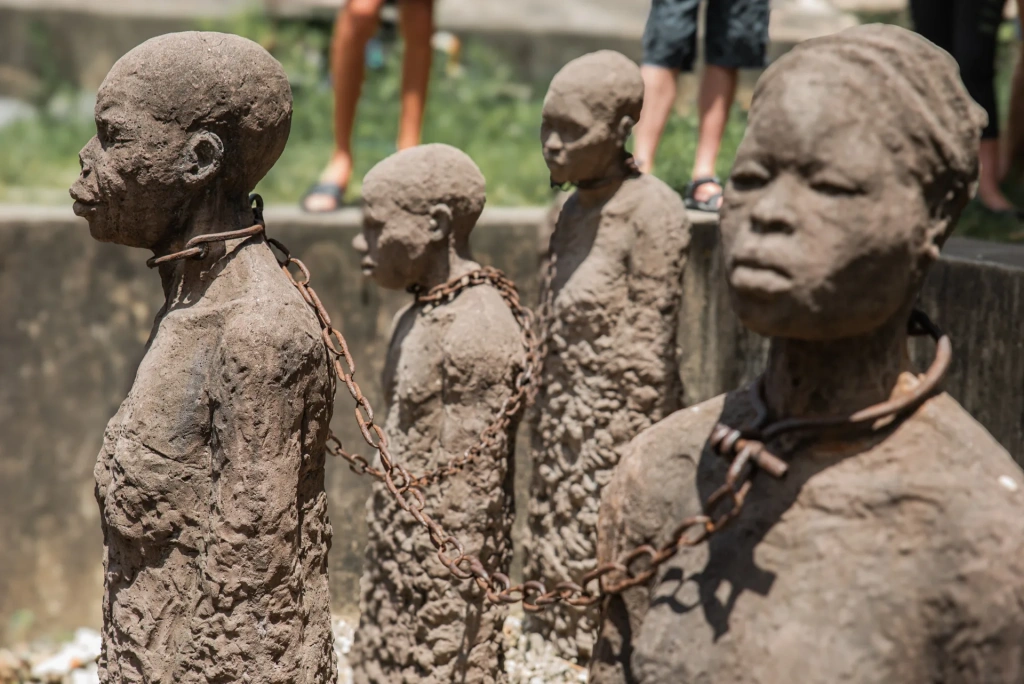
The Anglican Christ Church Cathedral stands on the site of the former slave market, once the main hub of the slave trade in all of East Africa. Construction began in 1873, shortly after Sultan Barghash officially banned slavery under pressure from British authorities, and was completed in 1880. The church was built by freed slaves under the supervision of Bishop Edward Steere.
Nearby, in the courtyard, there is a striking memorial by Swedish artist Clara Sörnäs. The monument features five figures standing in a pit, with only their heads visible above ground.
Zanzibar Slave Museum
- Entrance fee: $5 (includes a guide and access to the cathedral and chambers)
- Location: Mkunazini St.
- Opening hours: daily 10:00–18:00
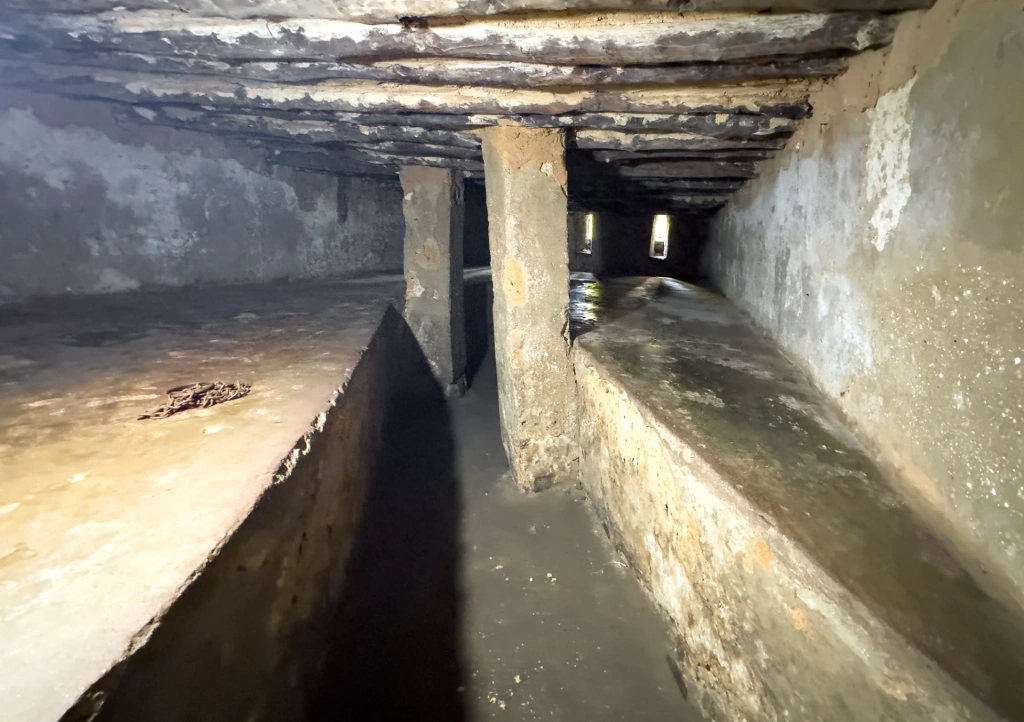
The Slave Museum in Stone Town is located within the grounds of Christ Church Cathedral. A visit typically includes the main exhibition, which reflects the island’s dark past. As part of the tour, visitors descend into underground chambers to see firsthand the inhumane conditions in which thousands of enslaved people were held before being sold. The ceilings are lower than average human height, the air is stale, and the walls still bear marks of chains and scratched inscriptions. The exhibition also includes historical photos of slave auctions, missionaries’ diaries, shackles, and various documents related to the history of slavery on Zanzibar.
Old Fort
- Entrance fee: free
- Location: waterfront, Mizingani Road
- Opening hours: daily 8:00–22:00
The Old Fort is the oldest stone structure in Stone Town. It was built by Arab settlers between 1698 and 1701. The fortified walls reach up to 3 meters (about 10 ft) in height.
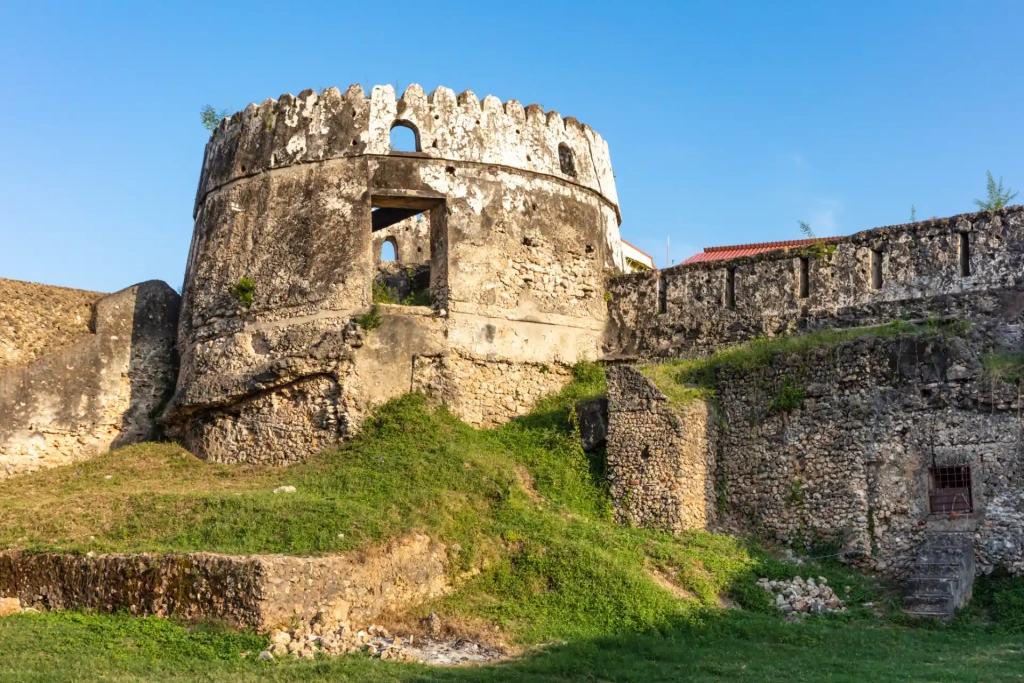
The fort is located right next to the Forodhani Gardens. In the 19th century, it was converted into a prison with barracks, and later the British used it as a railway workshop. Today it serves as the city’s main cultural center. Inside the fort is a courtyard with souvenir shops and an amphitheater. In the evenings, live music performances are held here, and in February, the famous Zanzibar Sauti za Busara festival takes place.
During your visit, you can climb the walls for views over the port and the old town. From this same vantage point in 1873, British ships shelled the Sultan’s palace for just 38 minutes. The event later became known as the “shortest war in history.”
Forodhani Gardens
- Entrance fee: free
- Location: waterfront near the Old Fort, Forodhani St.
- Opening hours: 24 hours
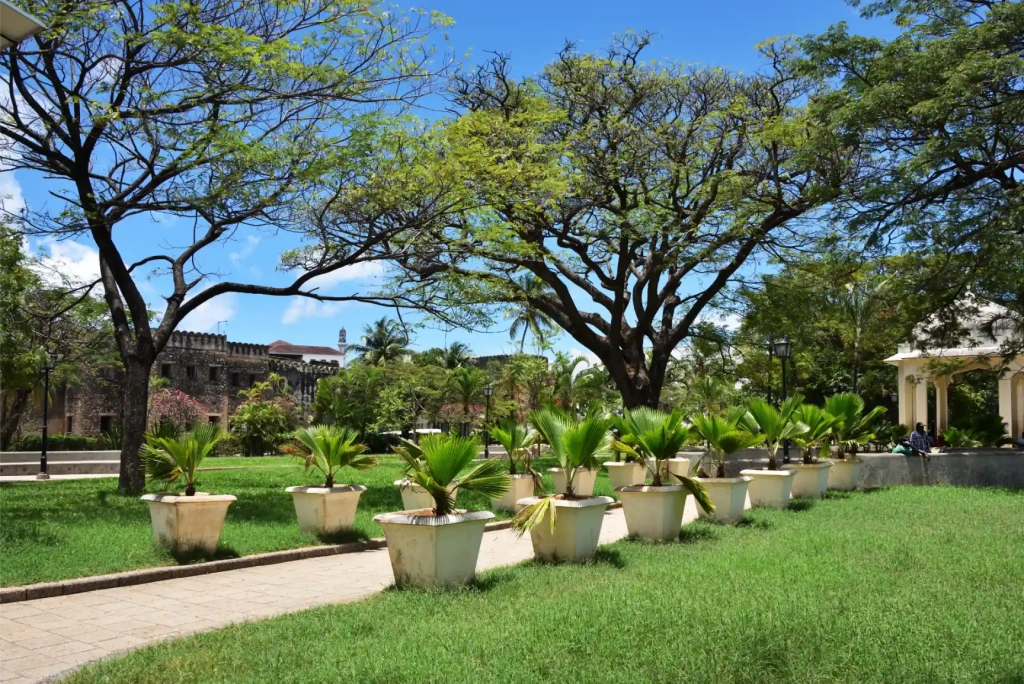
This small park lies along the seafront directly opposite the Old Fort and was originally called Jubilee Gardens. In 1935, King George V celebrated his Silver Jubilee – 25 years on the throne. Zanzibar was under British protection at the time, and the ruling Sultan Khalifa bin Harub was considered one of London’s most loyal allies in the region. To mark the occasion, the British administration decided to redevelop the waterfront and create a park, which officially opened in 1936. It was later renamed Forodhani Gardens, which in Swahili means “place of disembarkation.”
The park was fully renovated in 2009. The original layout was preserved, but long stone benches were added, and six 18th-century cannons that once protected the shore were restored.
During the day, it is quiet and shaded by palm trees. At sunset, the gardens transform into a lively night market. Street vendors sell grilled seafood – including fresh octopus, lobster, tuna, and shrimp. Prices are just $2–3 per portion. At this time, both travelers and locals gather here, music plays, and the area fills with the glow of lanterns.
St. Joseph’s Cathedral
- Entrance fee: free (a small donation of $2–3 may be requested)
- Location: Cathedral St.
- Opening hours: daily 8:00–18:00 (Sunday services at 7:00, 9:00, and 18:00)
The only Catholic church in the city, easily recognizable by its two slender towers rising 25 meters (about 82 ft) high. It was built by French missionaries between 1893 and 1898, and its architecture clearly reflects the Romanesque style. During the 1964 revolution, the cathedral was left untouched – its status as a sacred place helped preserve it. Today, services are held in Swahili and English for the island’s small Catholic community.
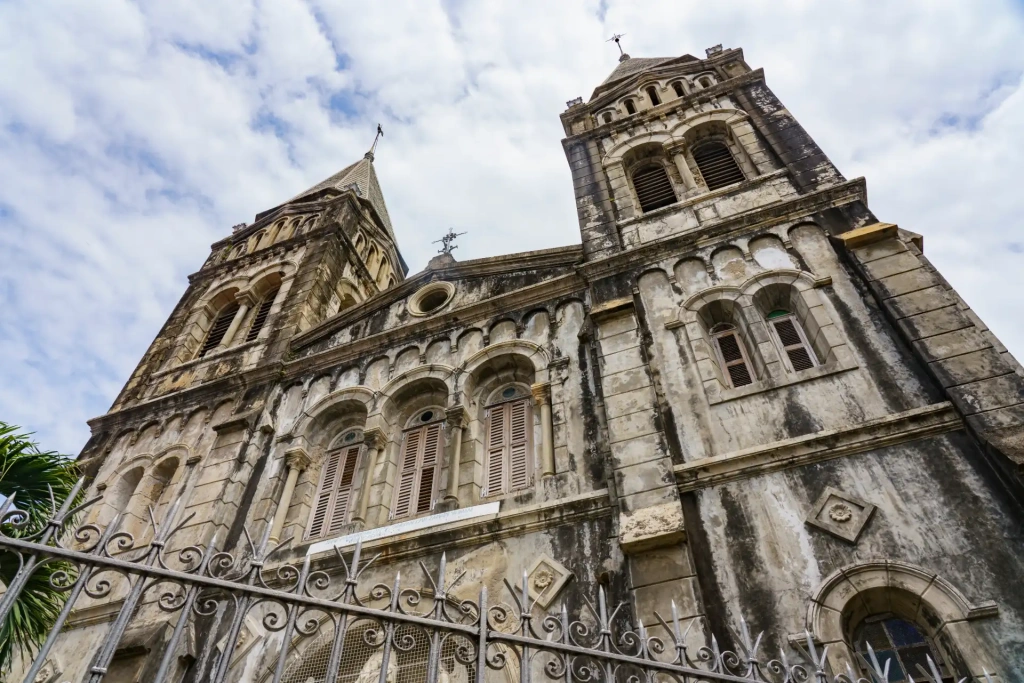
During your visit, you can climb one of the towers for one of the best panoramic views over Stone Town. The door to the bell tower is usually locked, but if you politely ask one of the attendants, they will often agree to let you go up.
Hamamni Persian baths
- Entrance fee: $3 (with a guide).
- Location: Hamamni St.
- Opening hours: daily 9:00–18:00.
The only surviving public baths from the 19th century in Zanzibar. They were built by Sultan Barghash ibn Said between 1870 and 1888 in a typical Persian style. The complex features domed ceilings, marble pools, and an advanced system of water heating and drainage that operated without pumps.
Before the 1964 revolution, the baths were used for their original purpose. Afterward, they were abandoned for many years and only restored in the 1990s, with original mosaics, carved doors, and marble benches recreated. Today, the baths are no longer operational – they can only be visited as part of a guided tour and are preserved as a cultural heritage site.
Darajani market
- Entrance fee: free
- Location: Darajani St.
- Opening hours: daily 5:00–22:00 (peak hours: 6:00–10:00 and after 16:00)
The main marketplace of Stone Town and Zanzibar as a whole. Its central building was constructed by the British in 1904, and today it serves as the city’s commercial hub, attracting residents from across the island. From early morning until late evening, the market is full of activity: fish and seafood, meat, fruits, vegetables, spices, fabrics, and countless other goods are traded here.
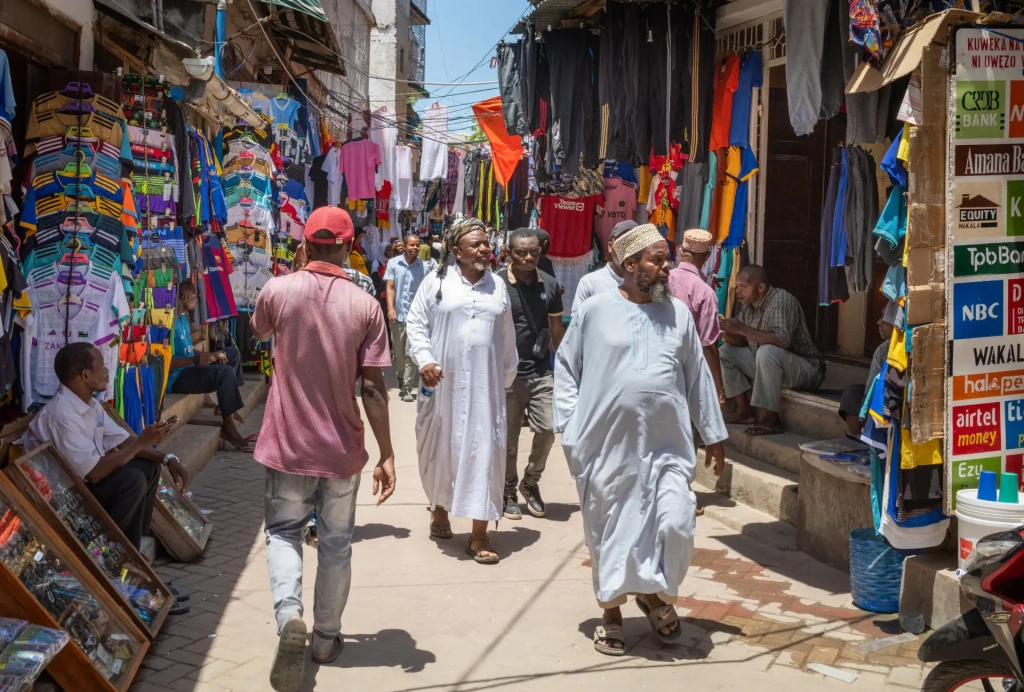
Prices for Zanzibar souvenirs, including traditional kanga fabrics, sandals, and carved ebony figurines, are noticeably lower than in tourist shops around the city. Behind the market begins a network of narrow streets with tailoring workshops and small antique stores. It’s best to visit early in the morning or around sunset, when the heat subsides.
Dhow boat cruise
- Price: $25–40 per person in a group; private boat rental for a small group costs around $90–150
- Location: Zanzibar port
- Operating hours: daily from 16:00–17:00 (duration about 2 hours, until sunset)
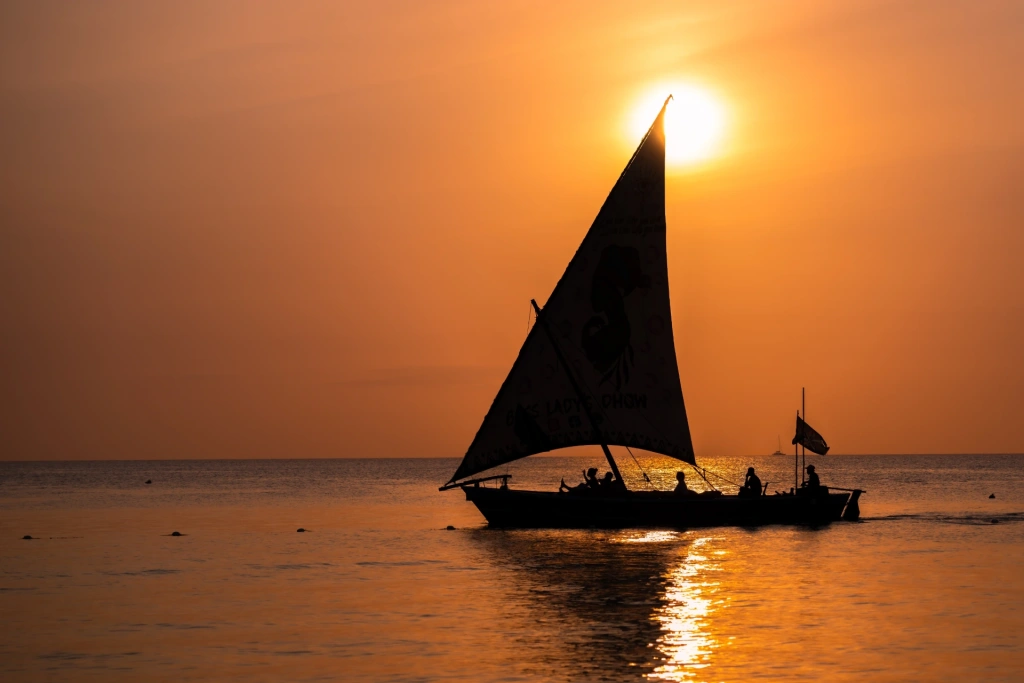
An ideal way to spend a romantic evening in Stone Town. A dhow is a traditional Arab sailing boat with a triangular sail. During the cruise, you travel along the waterfront, passing the Old Fort. On board, there are usually comfortable cushioned seats, along with fresh fruit and drinks. The trip lasts a couple of hours, ending at sunset – the highlight of the experience, when the crimson sun dips into the ocean, and lights begin to glow along the shore.
It’s worth noting that dhows are still used by local fishermen. Their design – with brass fittings and a triangular sail – has remained largely unchanged for centuries. However, boats used for tourist cruises are also equipped with a small engine in case of calm winds.
Frequently asked questions
On the western coast of Zanzibar, where Stone Town is located, the climate is tropical, humid, and hot year-round. The long rainy season lasts from mid-March to late May, with a shorter rainy period in November. The best times to visit Zanzibar are the dry, relatively cooler season from June to October and the warm, sunny period from December to February.
Zanzibar is generally safe. Stone Town is considered one of the calmest tourist destinations in East Africa. Standard precautions are sufficient: don’t leave belongings unattended and avoid displaying large amounts of cash. Street vendors can be persistent but not aggressive.
Within Stone Town itself, all major attractions can be explored on foot. Transport is only needed for traveling beyond the old town. For example, a taxi to the other side of the island may cost around $60–90, depending on the season.
There are also dala-dala, local minibuses. A ride typically costs $1–3, but it is not the most comfortable option – it is often crowded, hot, and does not follow a fixed schedule. The most convenient option is to use hotel transfers. Renting a car is also possible, but roads in Zanzibar are narrow and uneven, and driving styles can be aggressive, which may make it unsafe.
At exchange offices and banks in central Stone Town. Note that while US dollars are widely accepted, older banknotes issued before 2009 may be refused. It is safest to carry bills issued from 2012 onward. Exchange rates at the airport and hotels are significantly less favorable. There are also ATMs in Stone Town, but they often charge high withdrawal fees.
All content on Altezza Travel is created with expert insights and thorough research, in line with our Editorial Policy.

Want to know more about Tanzania adventures?
Get in touch with our team! We've explored all the top destinations across Tanzania. Our Kilimanjaro-based adventure consultants are ready to share tips and help you plan your unforgettable journey.