





 52 reasons
  Free PDF


 Message us on WhatsApp
  Book a Free Call

 Safari
 Exploring top national parks around the world is one of the best ways to experience the diversity of our planet. This selection brings together outstanding parks from different countries and landscapes, from mountains and forests to deserts, coastlines, rivers, and areas known for unique wildlife. It is not a ranking, but a curated set of ideas for travelers who want to see the very best natural wonders of the world.
Yellowstone National Park, USA
One of the most impressive places on the planet, and the world’s very first national park, Yellowstone was established in 1872. Nowhere else will you find such a concentration of geysers — Yellowstone is home to about two thirds of all geysers on Earth. If you want to see a column of boiling water shooting dozens of meters into the air (hundreds of feet), head to the famous Old Faithful geyser, which erupts roughly every hour and a half.
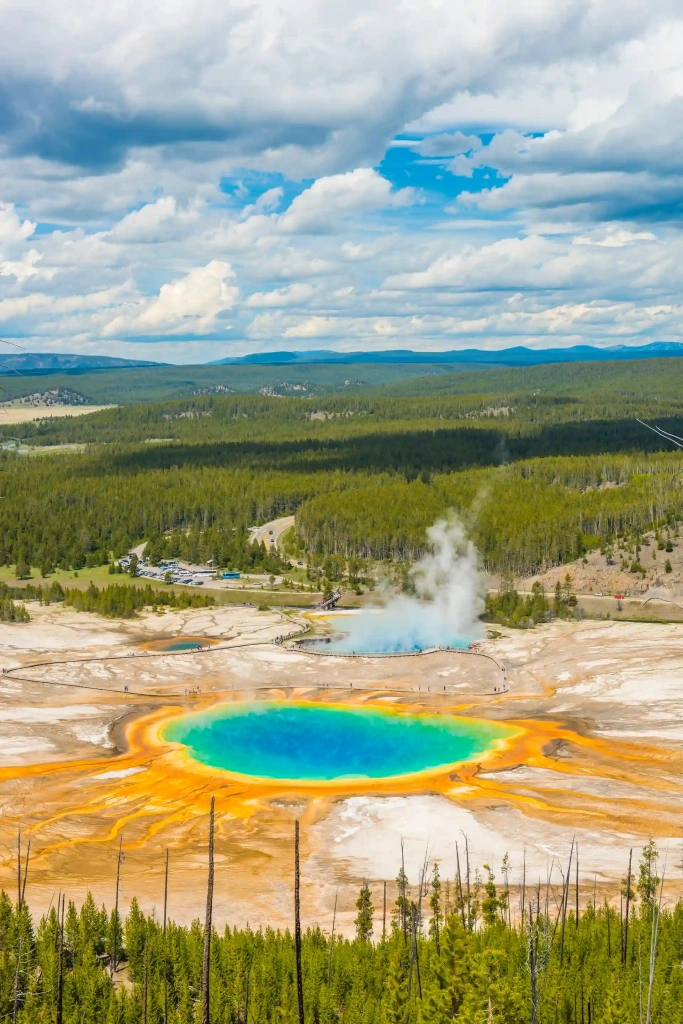
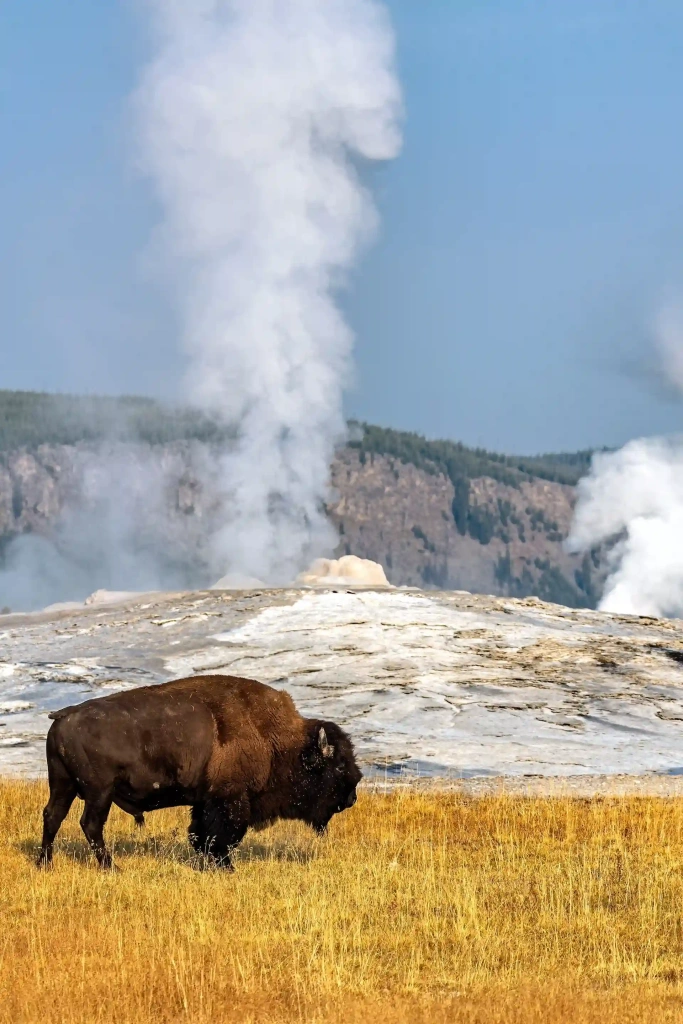
Yellowstone is also home to other geothermal wonders, as well as canyons, caves, waterfalls, and magnificent lakes, including high-altitude Yellowstone Lake, located at an elevation of over 2,000 meters (6,560 feet). The park is a haven for North American wildlife, where you may encounter bison, wolves, mule deer and elk, cougars, and of course, grizzly bears.
Plan at least three days for your visit to see as much as possible. Avoid early spring before roads open and July, when visitor numbers peak and bison tend to be particularly aggressive.
Banff National Park, Canada
Canada’s oldest national park attracts visitors with breathtaking scenery: turquoise glacial lakes set against snow-dusted Rocky Mountains. People come to Banff for ski resorts, day hikes, and relaxation by Lake Louise. In summer, visitors canoe on the lake; in winter, they skate on its frozen surface. Hiking and cycling are popular year-round. Many travelers simply drive through the park along the Trans-Canada Highway and other scenic roads, enjoying the alpine landscapes from the comfort of their car.
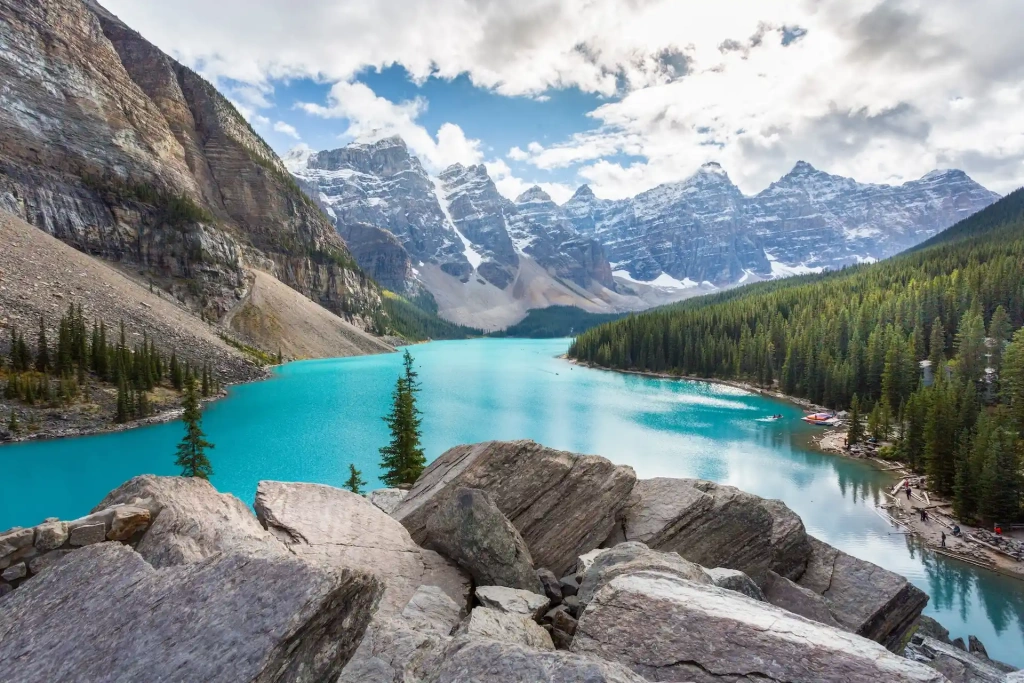
Despite its road network, the park is safe for wildlife. It features more underground and overground animal crossings than anywhere else in the world. Cougars and lynx, wolves and deer, grizzly and black bears all live here. Visitors are advised to always carry bear spray to deter predators on hiking trails.
Ngorongoro, Tanzania
Strictly speaking, Ngorongoro is not a national park but a special conservation area. The reason is that it is home to the Maasai, one of Africa’s most recognizable and fearless pastoral peoples. This is an extremely rare exception across the continent. Only Maasai herders are allowed to live and carry out traditional activities within a protected area.
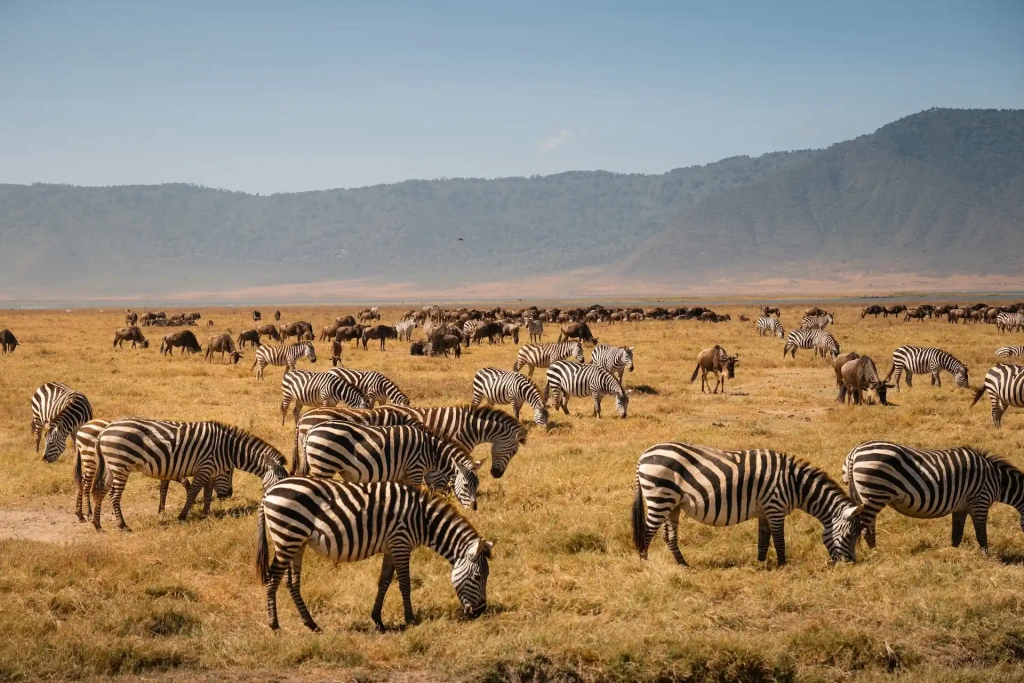
We’re also making an exception in our list of national parks by including Ngorongoro, and here’s why. The area itself is vast, but most travelers head to a single place: the collapsed crater of an ancient volcano. Its floor is covered with grasslands and patches of forest, creating an exceptionally rich and vibrant ecosystem. The Ngorongoro Crater is often described as a natural zoo because of its extraordinary concentration of wildlife and its unique landscape, where animals are effectively enclosed by the crater’s towering walls.
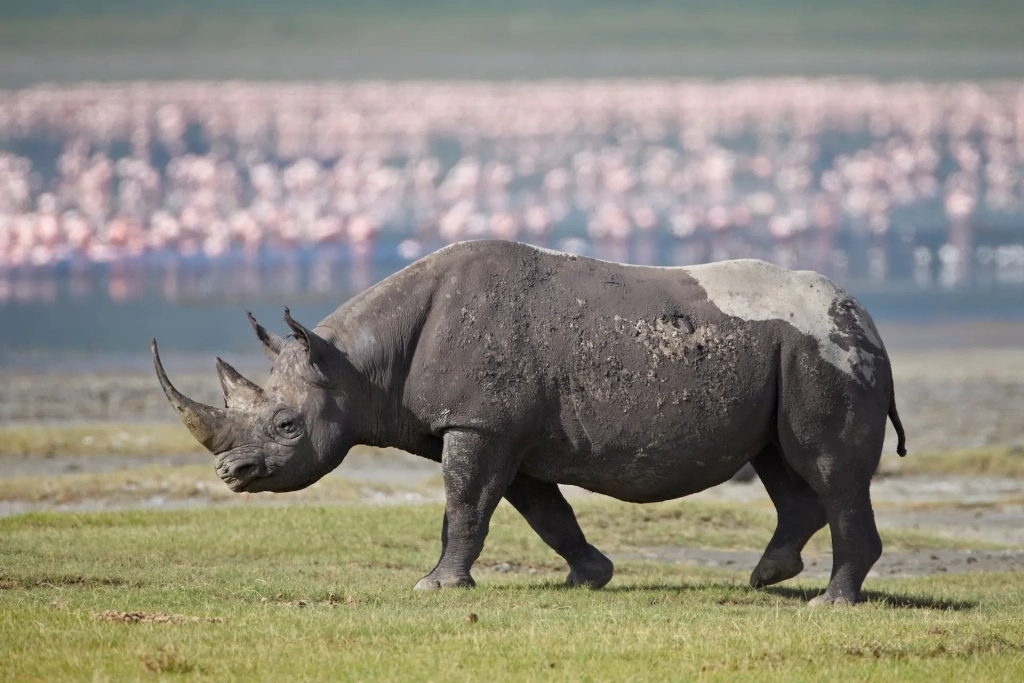
Nearly 30,000 large mammals live in this “African Eden” at the same time, with herbivores thriving in a confined space alongside predators. Lions, elephants, and all members of the Big Five can be seen here, and encountering rhinos is quite common. In terms of wildlife-viewing efficiency, Ngorongoro surpasses all other African parks. Nowhere else will you see such diversity and density of animals in a single trip.
Go on a safari in Tanzania to experience Ngorongoro for yourself.
Galápagos National Park, Ecuador
The Galápagos Islands host one of the most unusual national parks in the world. So many unique animal species live here that scientists call the archipelago a “living museum of evolution.” This is due to its isolation and a combination of favorable conditions — many of the islands are volcanic and lie at the intersection of three ocean currents. By observing the plants and animals of the Galápagos, Charles Darwin developed the foundations of modern evolutionary theory. Notably, the Galápagos Islands were the first site ever listed as a UNESCO World Heritage Site.
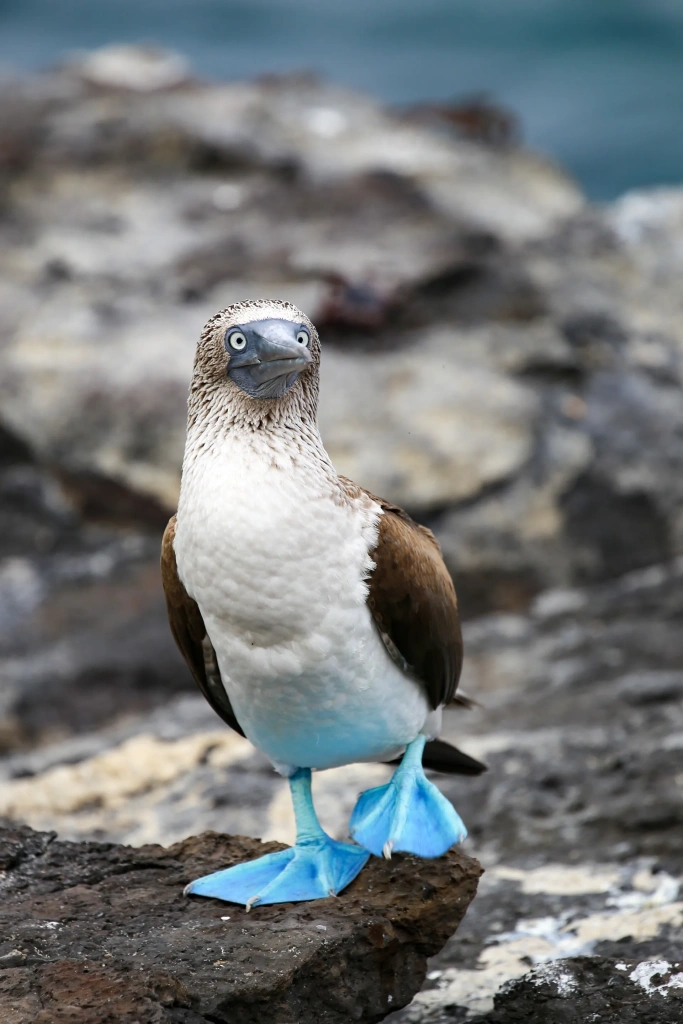

When visiting the Galápagos Islands, you’re likely to encounter sea lions, Galápagos lava lizards, marine iguanas, and a variety of water birds, including the iconic blue-footed booby. Larger land species include giant tortoises and Galápagos penguins, the only penguins found north of the equator. Diving is permitted within the national park, offering encounters with sharks, sea turtles, rays, manta rays, colorful reef fish, and marine iguanas — the only lizards in the world that forage underwater and can remain submerged for extended periods.
Torres del Paine National Park, Chile
Granite mountains, fjords and glaciers, fast-flowing rivers, and cold lakes await visitors to this Chilean national park. Torres del Paine means “Blue Towers,” referring to the three peaks at the park’s center. This part of Patagonia is exceptionally beautiful: orchids bloom on plateaus and plains, the foothills are dotted with yellow calceolaria flowers, Magellanic forests stay green thanks to cypress trees, and rugged Andean peaks rise above it all. Pumas and foxes roam the park, while South Andean deer and guanacos seek refuge at higher elevations. Eagles and Andean condors soar overhead.
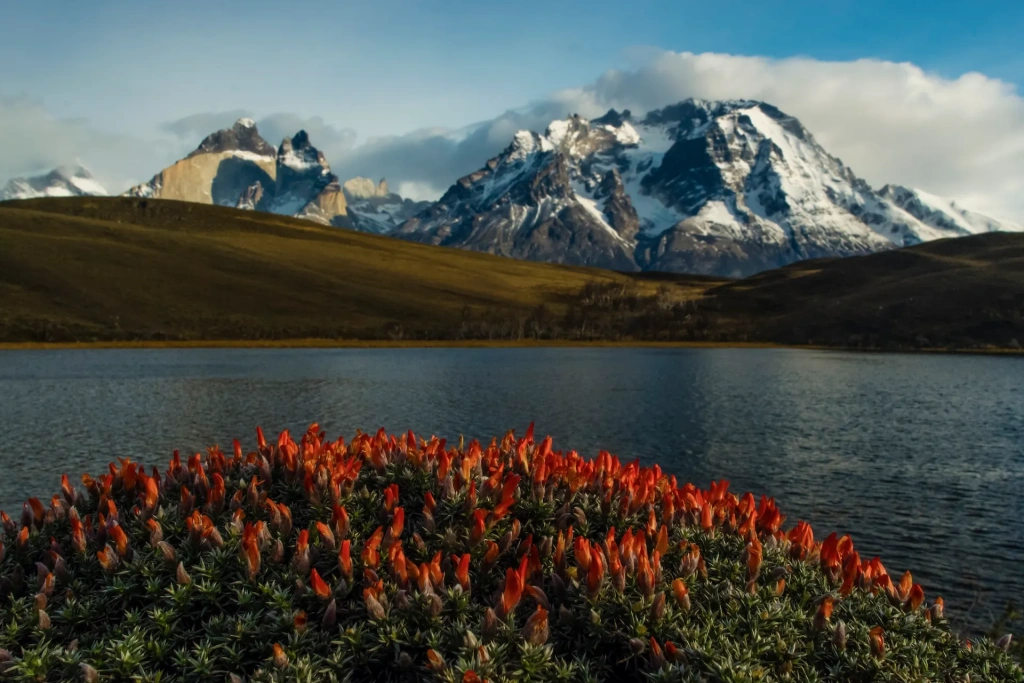
Torres del Paine features two major hiking routes: the W and the O circuits. The W route takes 3–5 days, while the O circuit requires 7–9 days. Both demand good physical fitness and familiarity with route planning. Weather in Patagonia changes rapidly, so it’s best to bring clothing suitable for all conditions.
Fiordland National Park, New Zealand
Fiordland is New Zealand’s largest national park. It is a land of majestic fjords, rainforest-covered mountains, glacier-carved lakes, and spectacular waterfalls. The most famous is Sutherland Falls, which cascades down three tiers from a height of 580 meters (1,900 feet).
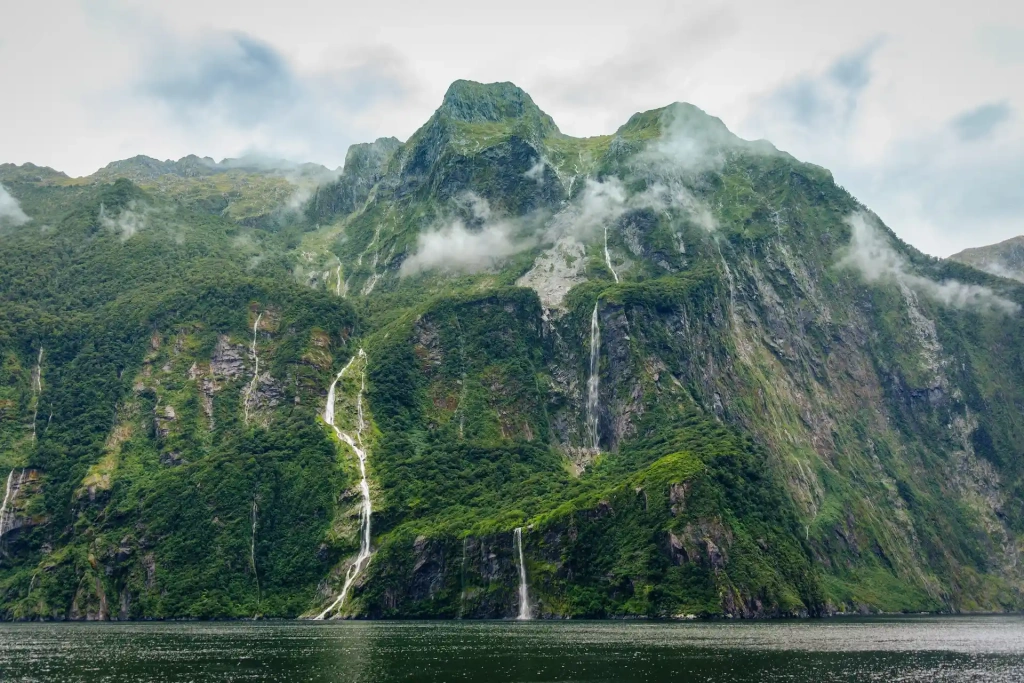
The park’s most famous fjords are Milford Sound and Doubtful Sound. Visitors can take overnight yacht cruises or kayak through the fjords. Dolphins and local Fiordland penguins can often be spotted in both bays. The park is also home to remarkable flightless birds such as the southern kiwi, the weka, the owl parrot kākāpō, and the takahē, once thought to be extinct.
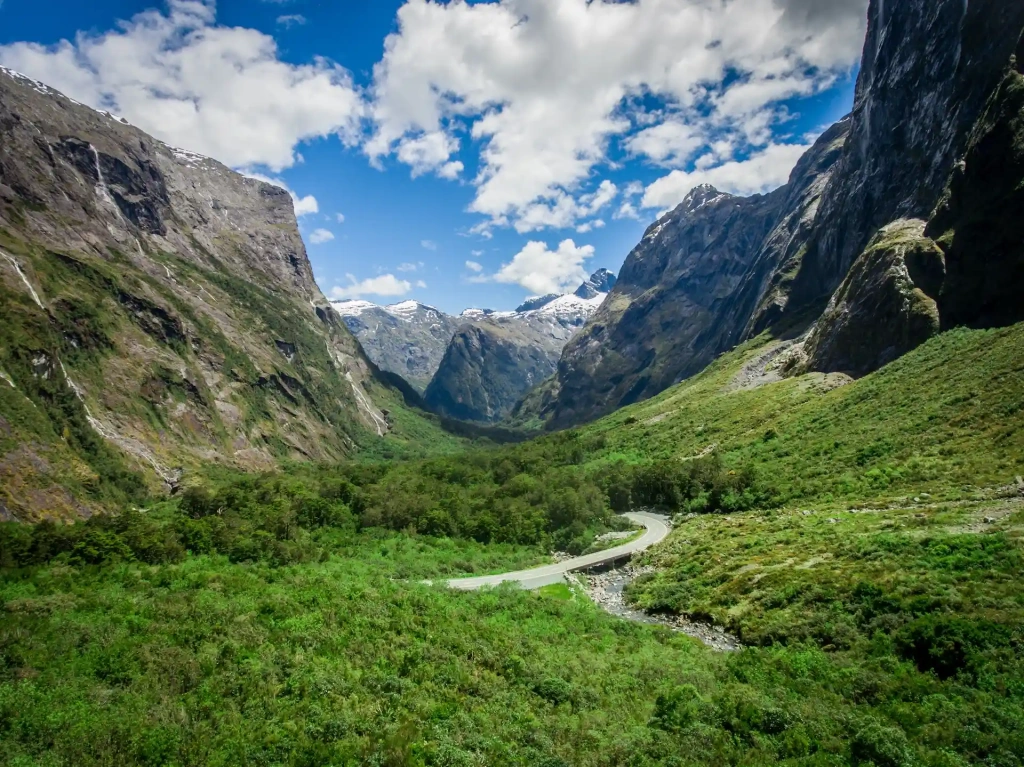
The park offers multi-day treks, including three world-famous routes (Milford, Kepler, and Routeburn), as well as numerous day hikes. When heading out, remember insect repellent — New Zealand sandflies are notorious for their bites.
Serengeti National Park, Tanzania
Serengeti National Park is one of Africa’s most visited parks and is often called the world’s most iconic safari destination. Its fame comes from the Great Migration, where enormous herds move endlessly across the open plains, shaping the rhythm of life in the Serengeti. Along the way, visitors can not only witness thousands of wildebeest on the move, but also encounter all members of the African Big Five and an extraordinary variety of other wildlife.
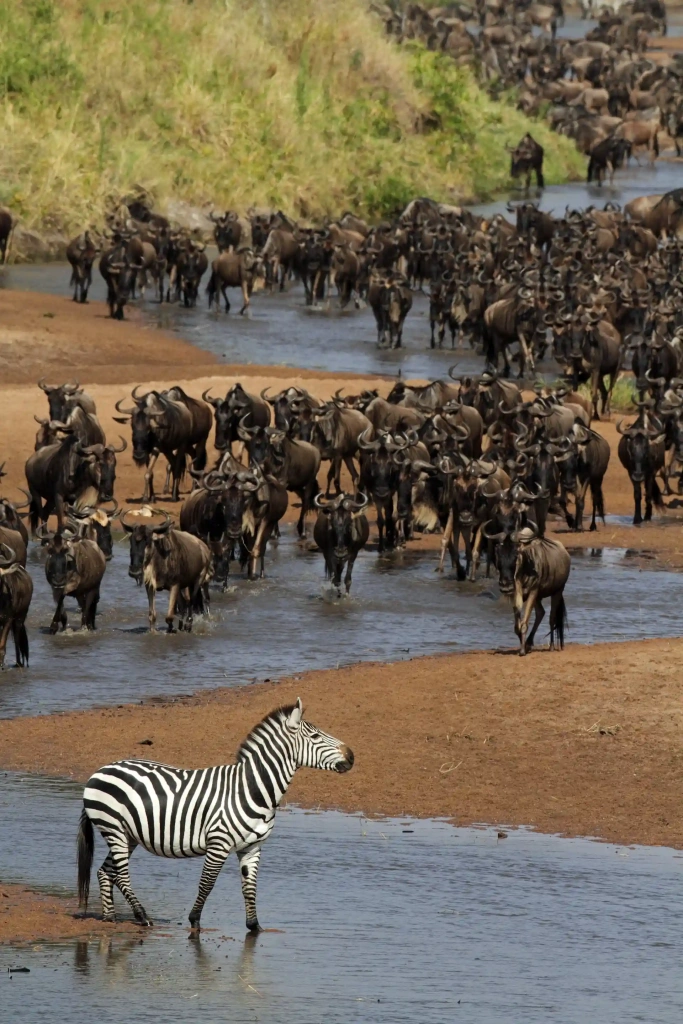
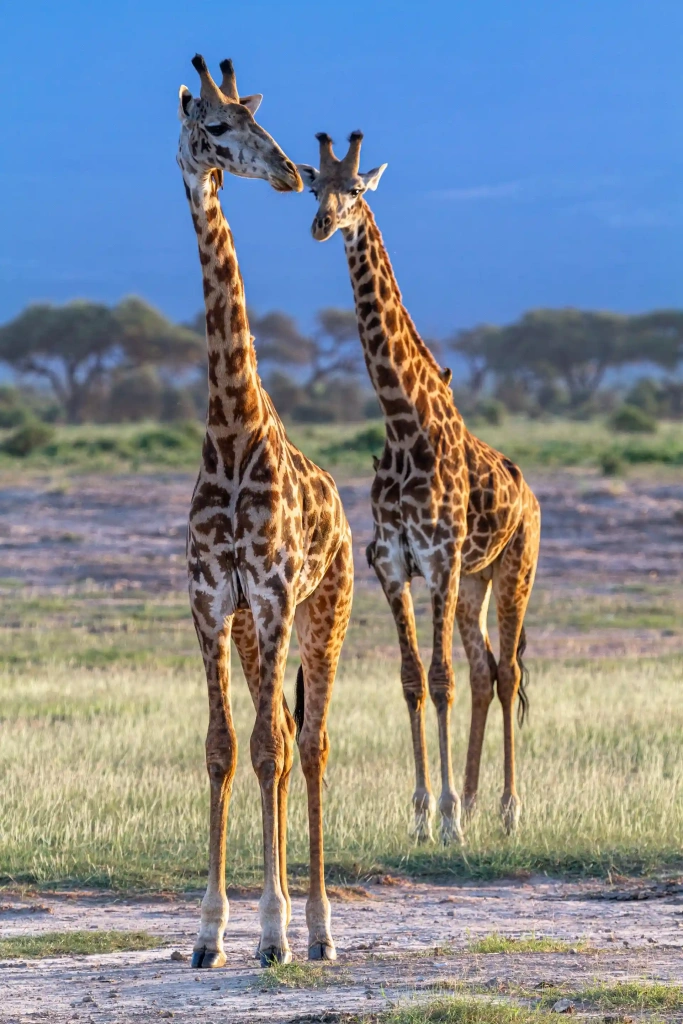
Thanks to the Great Migration, the Serengeti is a key UNESCO World Heritage Site. It is widely regarded as the best place on Earth to observe predator dynamics, where lions, leopards, and cheetahs compete for territory and prey in a struggle for survival.
Serengeti is also one of the most thoroughly studied savanna ecosystems in Africa, thanks to decades of conservation work led by the Frankfurt Zoological Society. Research began in the mid-20th century under the initiative of renowned conservationist Bernhard Grzimek. You can discover more fascinating facts about the Serengeti on the Altezza Travel blog.
If you want to visit Africa’s most iconic park, plan a safari in Tanzania.
Plitvice Lakes National Park, Croatia
One of Europe’s most scenic national parks lies on the Balkan Peninsula in Croatia. It is famous for a cascading series of lakes connected by numerous waterfalls and streams, including underground ones. Another distinctive feature of Croatia’s largest park is its many caves, with Šupljara and Golubnjača being the most visited.
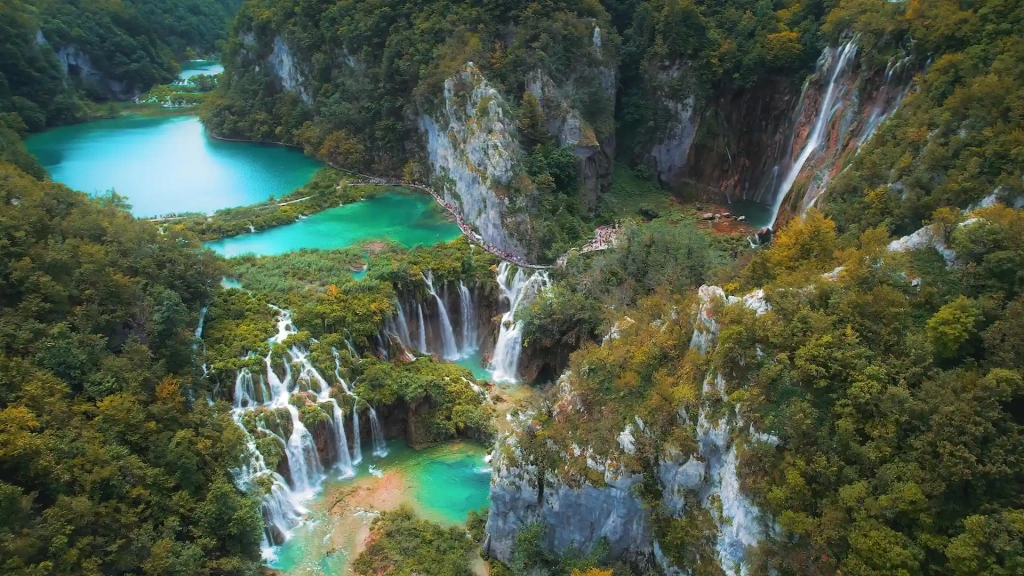
Visitors can explore the lakes via eight marked routes, as well as additional trails offering scenic views. The park consists of forested mountains inhabited by wolves, wild boars, roe deer, red deer, lynx, and bears. Animals are most often seen near the lakes. Plitvice Lakes is also an excellent place for birdwatching, with more than 150 species recorded. One day is usually sufficient to visit the park.
Great Barrier Reef Marine Park, Australia
Stretching for 2,300 kilometers (1,430 miles) along Australia’s northeast coast, the Great Barrier Reef is visible from space. It is the world’s largest reef ecosystem, built by coral polyps and algae over thousands of years. The reefs lie within a marine national park and are home to around 1,500 fish species and about 400 coral species. The Great Barrier Reef is one of the most extraordinary parks on Earth and is worth visiting at least once in a lifetime.
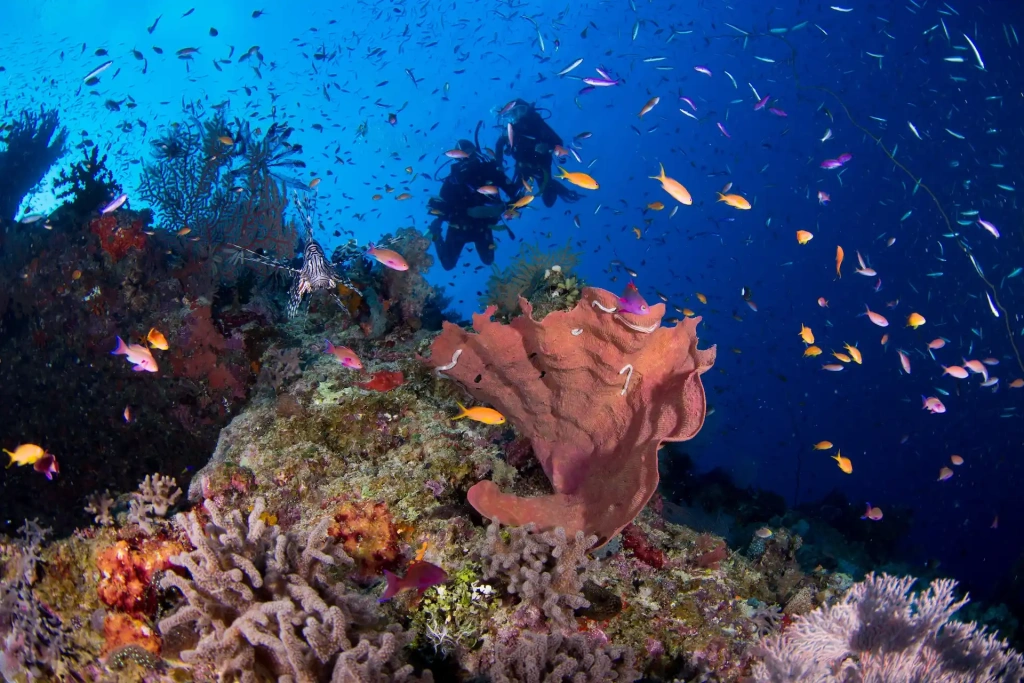
Coral colonies have created a unique ecosystem with mangrove forests along the coast and rich underwater flora and fauna. Sea turtles nest here (six of the seven known species), humpback whale calves are born here, and dugongs feed in the waters. Numerous whale and dolphin species also inhabit the reef. Seeing the reef’s full diversity in a single dive is impossible. Visitors are advised to stay for at least 2–3 days to enjoy relaxed snorkeling and diving.


Komodo National Park, Indonesia
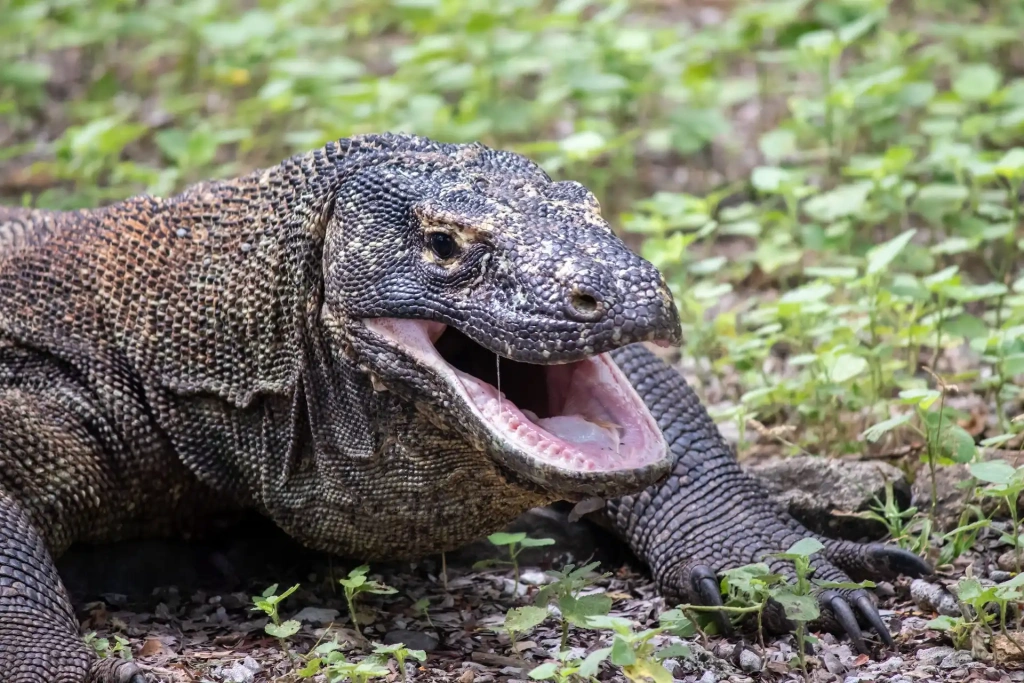
Komodo National Park is listed among the New Seven Wonders of Nature. It is located on volcanic islands in Indonesia and was originally established to protect the Komodo dragon. This predatory lizard can grow up to 3 meters long (10 feet). It is powerful enough to attack wild boar, rusa deer, and even water buffalo, severing tendons and disemboweling its prey. In addition to Komodo dragons, the park protects , orange-footed scrubfowl, and other endemic species. Whales, dolphins, sea turtles, and more than 1,000 fish species live in the surrounding waters.
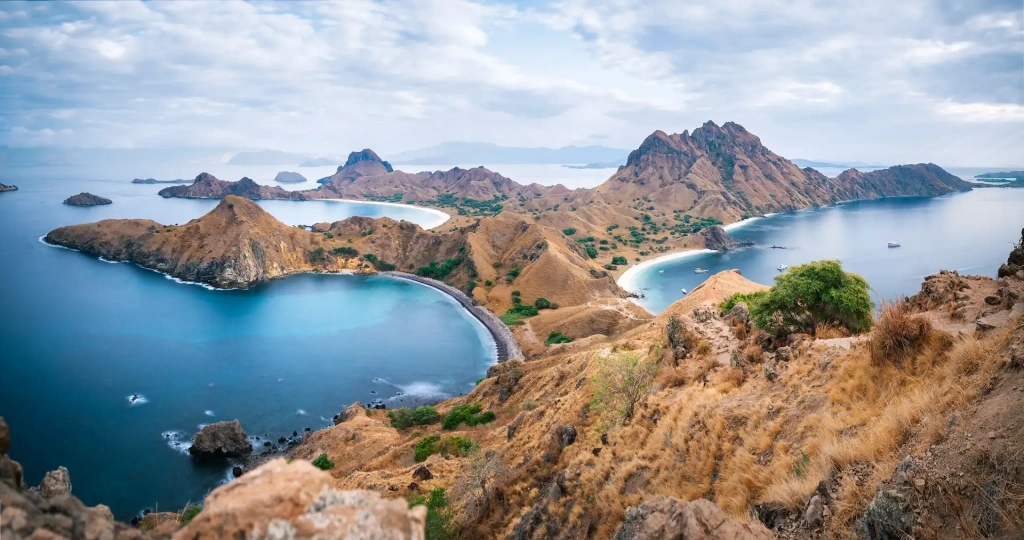
The islands’ terrain is striking and unusual, made up largely of rounded hills often blanketed in dry grass. The climate is hot and arid, with temperatures hovering around 40°C (about 104°F) for nearly half the year. The park also features pockets of tropical forest and dense mangrove thickets tucked into island bays. Trekking is often paired with diving and snorkeling in the surrounding coastal waters. Indonesian seas are unique — this is where marine flora and fauna from the Pacific and Indian Oceans converge.
Komodo National Park is especially appealing to travelers who have already experienced classic tropical landscapes many times over. Its rare wildlife and distinctive scenery make it captivating even for seasoned explorers.
Kruger National Park, South Africa
This safari park offers a chance to experience nearly everything people associate with Africa. Lions and elephants, buffalo and rhinos, and leopards together form the African Big Five. Baobabs tower over the savannas, ancient rock art marks the cliffs, and rangers patrol the area to protect rhinos from poachers. This is Africa at its most authentic.
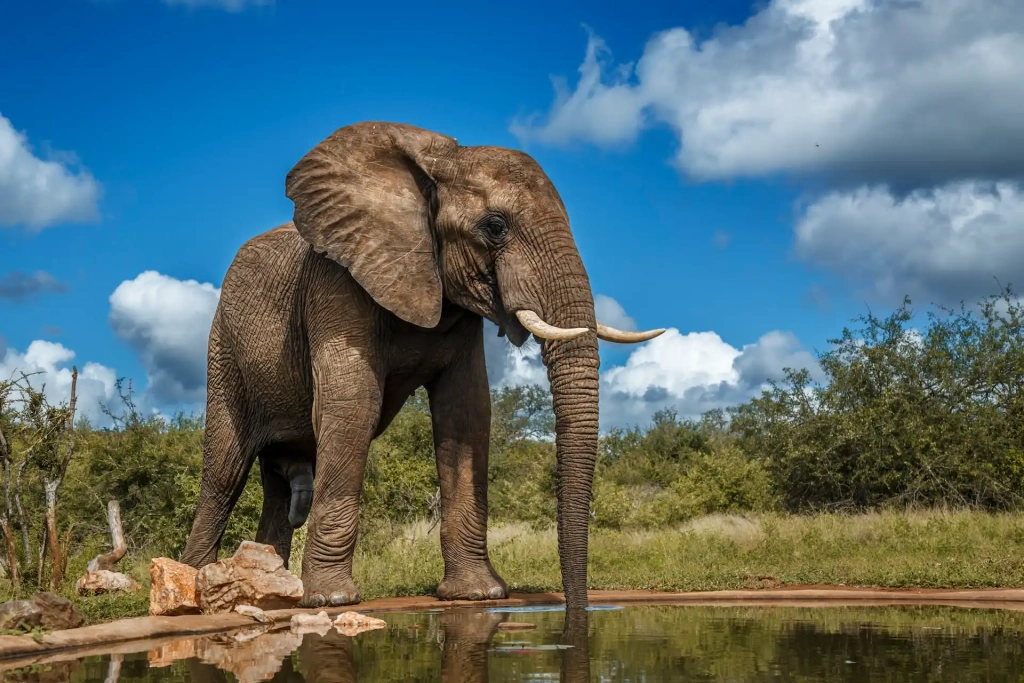
Kruger National Park is one of the few wild areas in Africa that can be explored by car, making it ideal for independent travelers. The park has paved roads, gas stations, campsites, and full-service hotels. It’s recommended to spend at least three days here to spot even rare animals. Note that Kruger lies in a malaria-risk area, so take appropriate precautions.
Yosemite National Park, USA
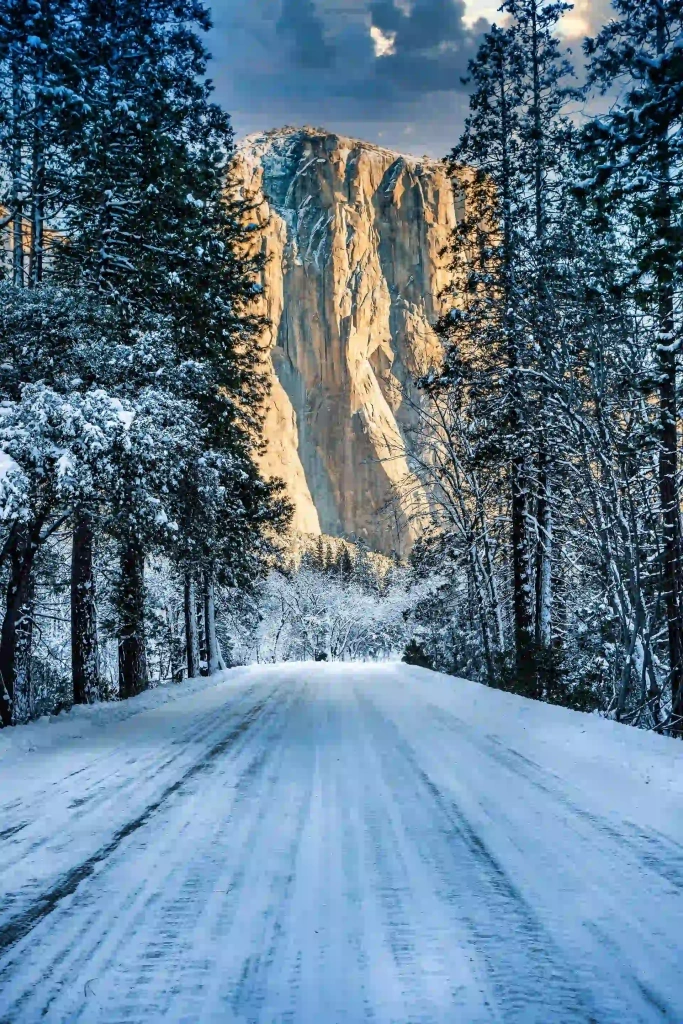
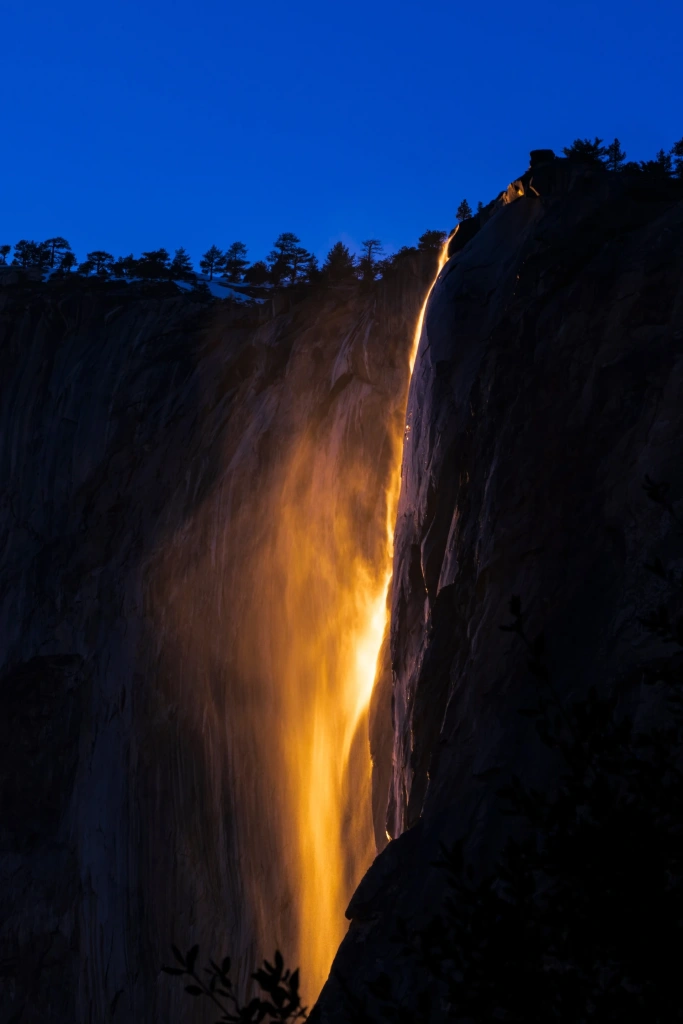
Yosemite represents a classic image of North American wilderness. Whether or not you have visited before, you have almost certainly seen images from California’s Sierra Nevada. El Capitan, the iconic Half Dome, the Merced River flowing through Yosemite Valley, Bridalveil Fall, the Mariposa Grove of giant sequoias, and sweeping views from Tuolumne Meadows are world-famous landmarks of Yosemite.
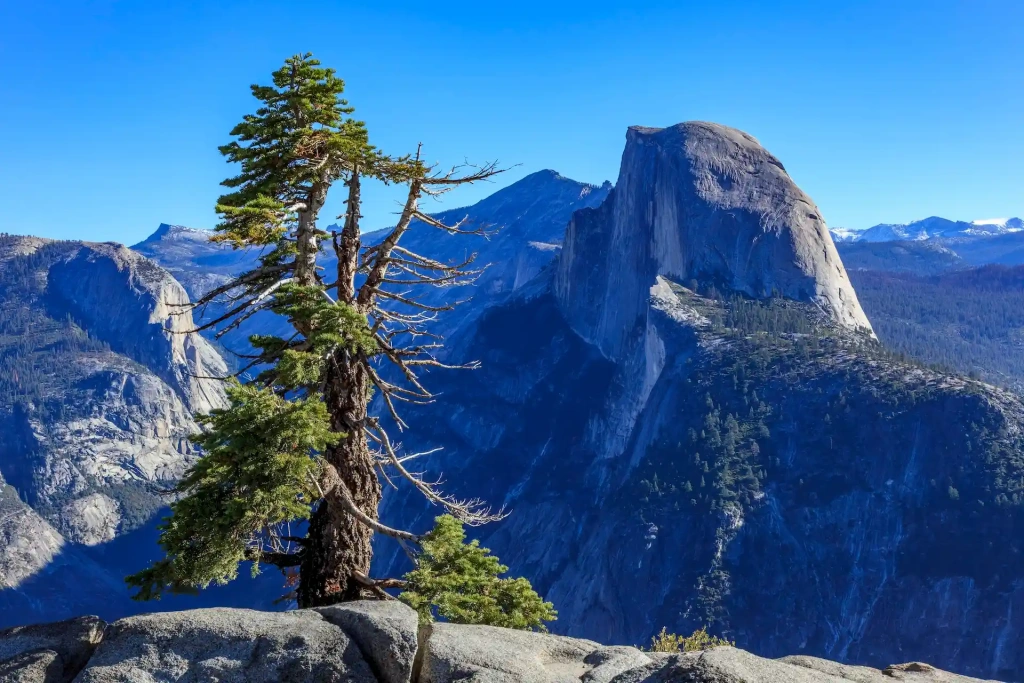
Yosemite has hundreds of miles of hiking trails, ranging from short, easy walks to challenging climbs. Some trails reach elevations above 2,500 meters (8,000 feet). Visitors can choose from a variety of activities: go rafting on the Merced River, rock climbing, horseback riding, cycling, skiing, ice skating, and even skydiving over Mariposa County. If you love mountainous North American landscapes, this park will not disappoint.
Zhangjiajie National Forest Park, China
Zhangjiajie National Forest Park is famous worldwide. Its towering sandstone pillars inspired the creators of the film Avatar. The fictional world of Pandora drew directly from real landscapes, and this Chinese park helped shape the idea of floating mountains. In reality, the peaks do not float. Their upper sections rise above layers of mist that often form in the area’s humid climate. After the film’s release, one of the mountains was renamed Avatar Hallelujah Mountain.
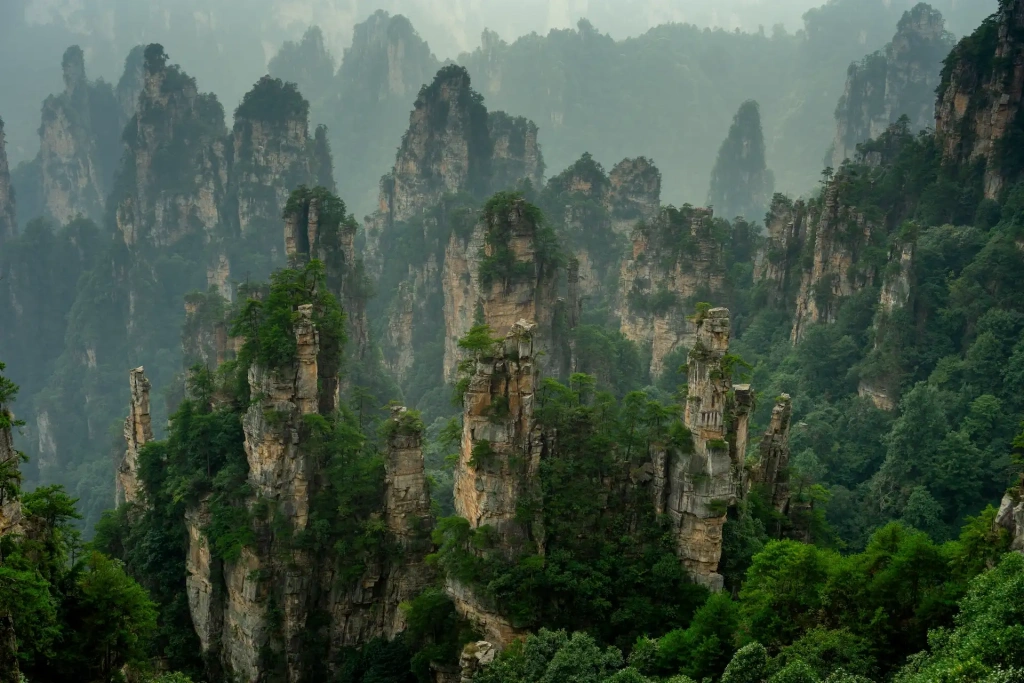
The park offers an extensive network of hiking routes and is best explored over several days. Visitors can admire the iconic stone towers, explore Tianzi Mountain, stroll along the scenic Golden Whip Stream, and venture into quieter, less crowded corners of the park. Many stop to photograph the glass-bottom Zhangjiajie Glass Bridge, suspended 260 meters (about 853 feet) above the ground, and ride the Bailong Elevator, which lifts visitors 326 meters (1070 feet) up the mountainside in just one minute. This is China at its best, where dramatic natural beauty meets bold engineering.
Vatnajökull National Park, Iceland
Some of the planet’s most extraordinary natural processes occur in Iceland’s largest national park, where ice meets molten lava. This is where the phrase “Fire and Ice” originated. Europe’s largest glacier lies here, while some of Iceland’s most active volcanoes erupt beneath it, creating a landscape found nowhere else. Volcanic deserts, massive ice domes, black sand plains, green meadows, and iceberg-filled lagoons define Vatnajökull.
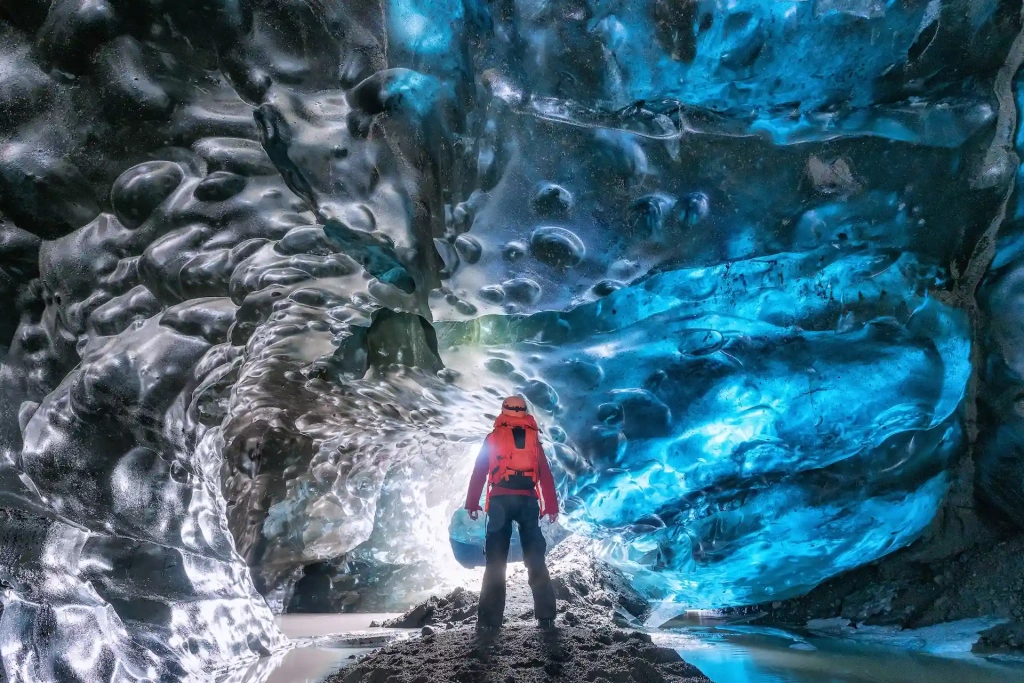
Visitors can hike along glaciers, walk through birch forests, see Svartifoss waterfall cascading over basalt columns, explore ice caves, and reach glacial lagoons. Vatnajökull covers about 14% of Iceland’s territory. Nature lovers should plan 4–6 days here, while even short visits of a couple of days are worthwhile. Stay on marked trails, especially when no rangers are present.
Iguazú National Park/Iguaçu National Park, Argentina and Brazil
Iguazu is a waterfall complex located on the border between Argentina and Brazil, with national parks on both sides. Nearly 300 waterfalls stretch in a horseshoe shape over 2,700 meters (1.7 miles). Iguazu is often compared to Niagara Falls and Victoria Falls. It is wider and taller than Niagara and surpasses Victoria in width and average water flow, though not in height.
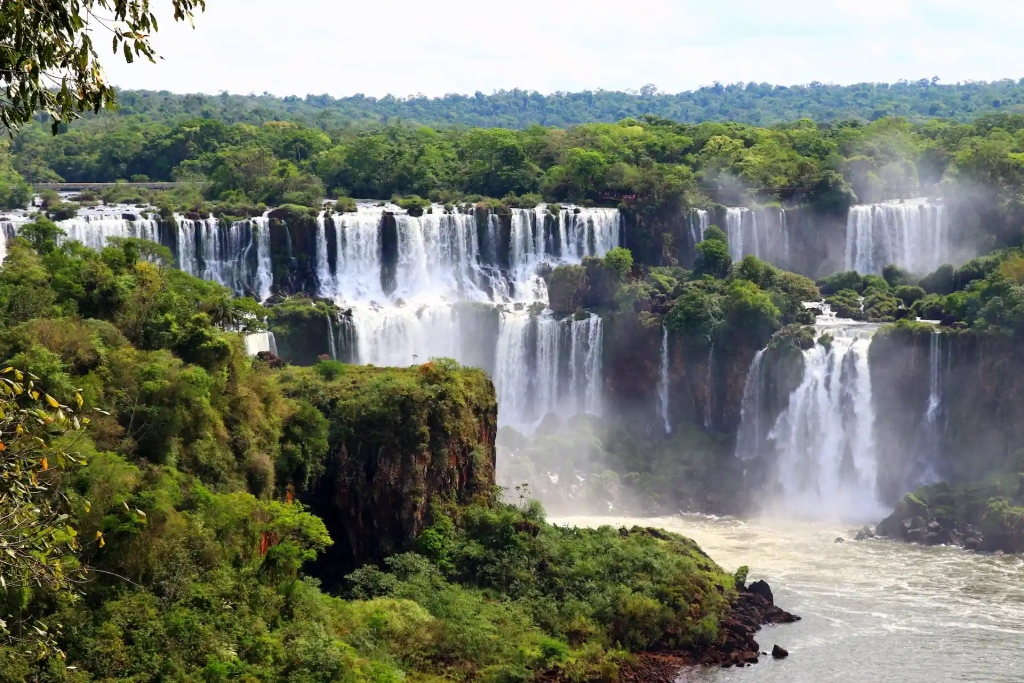
Surrounding the falls is a vast subtropical forest inhabited by elusive jaguars, jaguarundis, ocelots, tapirs, howler monkeys, and giant anteaters. Wetlands and calm rivers hide small caiman crocodiles. Both national parks are open to visitors, offering slightly different experiences. The Brazilian side provides better panoramic views, while the Argentine side features more immersive walkways above and between the falls. The best times to visit are March to May and August to October.
Grand Canyon National Park, USA
Grand Canyon National Park takes its name from the immense canyon carved by the Colorado River. Although the river flows through 11 U.S. national parks, the Grand Canyon in Arizona is by far the most recognizable. It is neither the longest nor the deepest canyon in the world, but its vast scale, layered geology, and striking harmony draw millions of visitors every year.
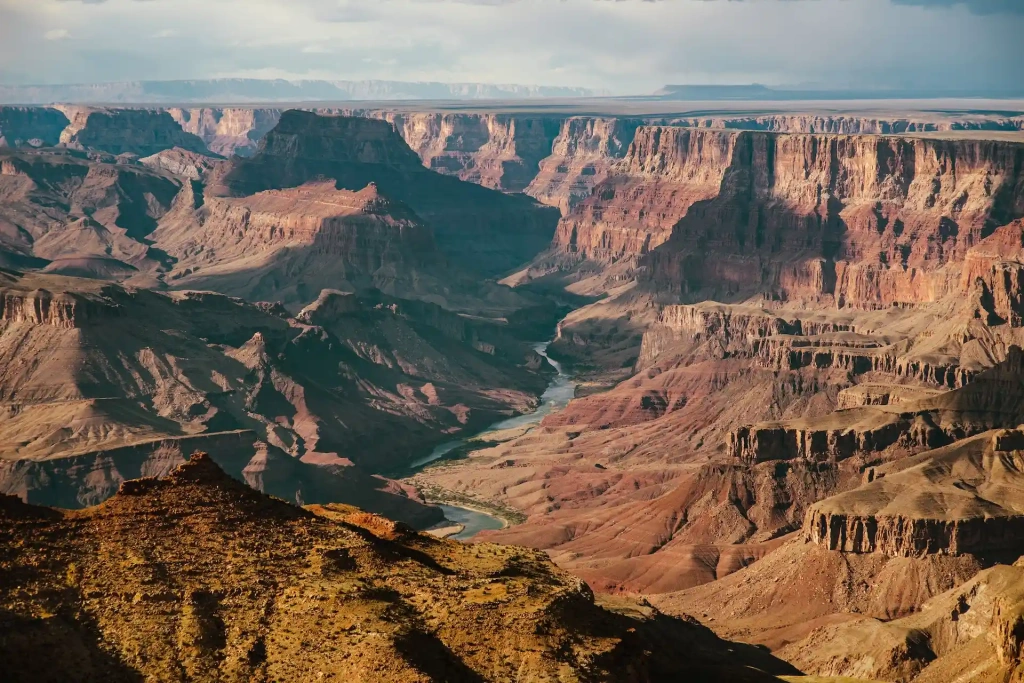
The canyon reveals vast horizontal rock layers that record nearly two billion years of Earth’s geological history. Visitors come to hike the trails, cycle along the rim, raft down the Colorado River, ride mules to the canyon floor, and capture breathtaking photographs. Grand Canyon National Park is also a favorite destination for astrophotographers. With virtually no light pollution, the night sky here is exceptionally clear and dramatic.
The South Rim is the most visited area and remains open year-round, unlike the North Rim, which has fewer roads and viewpoints and closes seasonally. It is also worth noting that the famous glass-bottom Grand Canyon Skywalk lies outside the national park boundaries.
Our planet is extraordinarily diverse. Experiencing national parks is one of the best ways to see this diversity from many different perspectives.
All content on Altezza Travel is created with expert insights and thorough research, in line with our Editorial Policy.

Want to know more about Tanzania adventures?
Get in touch with our team! We've explored all the top destinations across Tanzania. Our Kilimanjaro-based adventure consultants are ready to share tips and help you plan your unforgettable journey.
 Climbing
  Safari
  About Tanzania
  Islands