





 52 reasons
  Free PDF


 Message us on WhatsApp
  Book a Free Call

 Islands
 Zanzibar isn’t a single island – it’s an archipelago off the coast of mainland Tanzania. Today, it is a semi-autonomous region of the country, but that wasn’t always the case. For a long time, the islands were ruled by Arab sultans, and later fell under Portuguese control. Zanzibar became one of the region’s main slave-trading centers before turning into a British protectorate, and it was only after World War II that the islands moved toward independence. Zanzibar later experienced an anti-Arab revolution. It was also the site of the shortest war in recorded history that lasted just 38 minutes. In this article, we explore the most important milestones in Zanzibar's history.
Bantu, Afro-Persians, and Arab influence
Zanzibar’s location shaped much of its history. Sitting on a major Indian Ocean trade route, the islands became a gateway to East Africa for sailors and merchants from Arabia and South Asia. But the first inhabitants were Africans, specifically Bantu peoples. According to modern historians, groups began migrating to Zanzibar from the continent's interior as early as the 6th century. They primarily lived by fishing and developed trade between the islands and the mainland coast.
The local marketplace reached its high point between the 8th and 10th centuries. During this period, Zanzibar’s traders supplied goods not only to mainland communities but also to Persian and Arab merchants. Spices were especially valuable, including cloves, nutmeg, and cinnamon.
In the 10th century, Persians began settling on the islands. They integrated quickly and, over time, blended into local society. A large share of the population became Afro-Persian: they adopted Islam and called themselves “Shirazi,” referring to Shiraz, an ancient Persian principality.
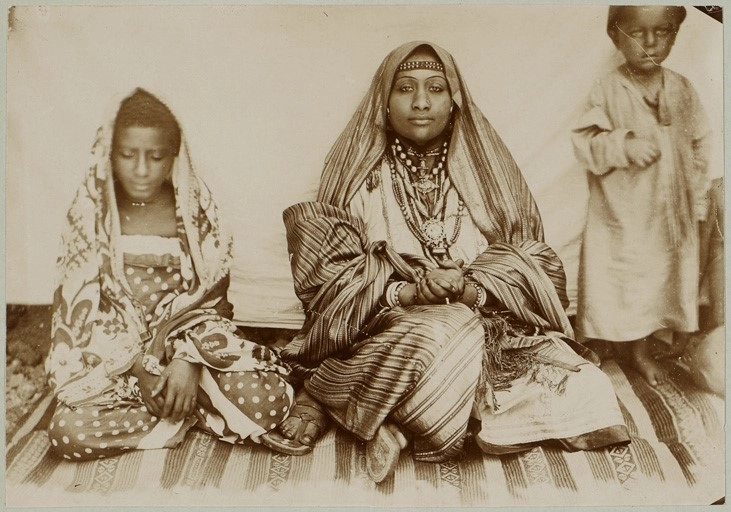
Alongside Persian settlement, commercial ties with Arab traders also thrived. In effect, the Arabs turned Zanzibar into a major trading hub and a key stopover for their sailors. During this era, trade expanded beyond spices to include ivory, gold, and even enslaved people.
Arabs from Oman played a particularly significant role in Zanzibar’s political development. Gradually, they settled on the islands and formed aristocratic dynasties of traders and landowners. Over time, they established tight control over the islands’ most important social and economic systems. They managed seaborne trade, oversaw spice cultivation, and introduced taxation for local residents.
Portuguese influence
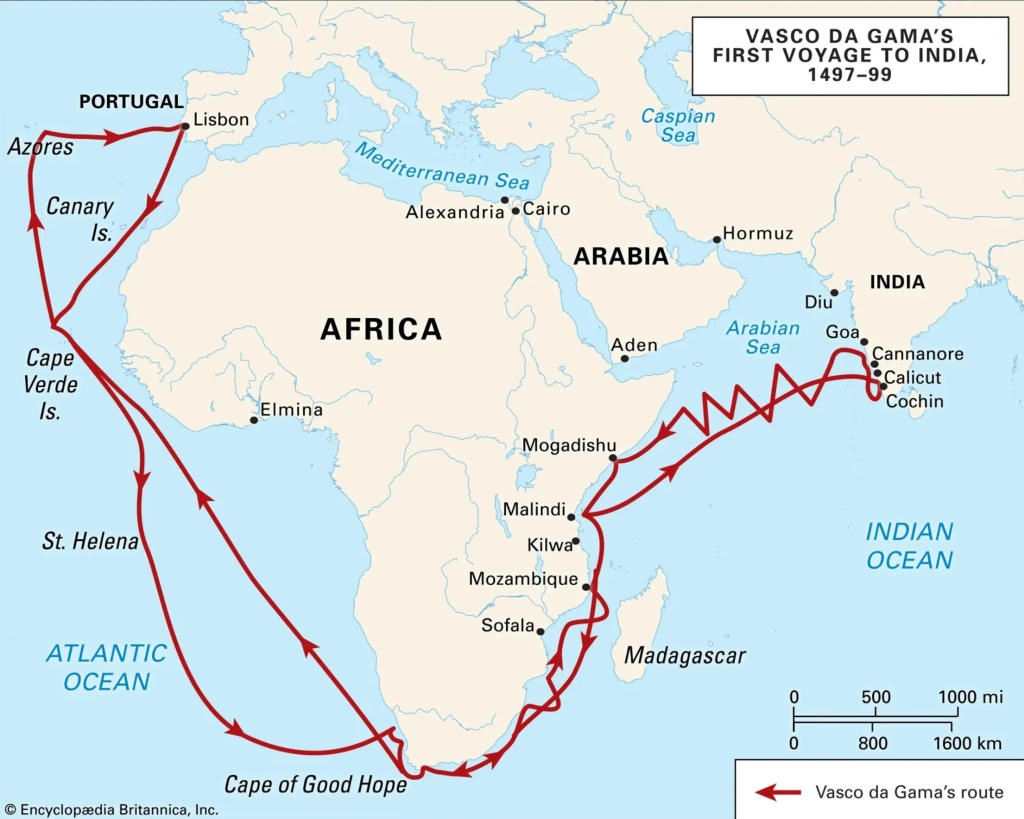
The beginning of European involvement is marked by the arrival of Vasco da Gama. In 1498, he stopped in Zanzibar while rounding the southern tip of Africa on his way to India. A few years later, the Portuguese captain Rui Lourenço Ravasco Marques landed on the islands and received tribute from the local ruler, who hoped to secure peace and avoid a military takeover. The result of this deal was the official declaration of Zanzibar as Portuguese territory.
Notably, the Portuguese largely stayed out of day-to-day governance. They ran a small trading post, while the sultan kept administrative authority. When British visitors arrived in 1591, they were reportedly surprised to find no fort and no garrison on the main island. The first fort was built only in 1635, after an uprising in Mombasa, north of Zanzibar, in what is now Kenya.
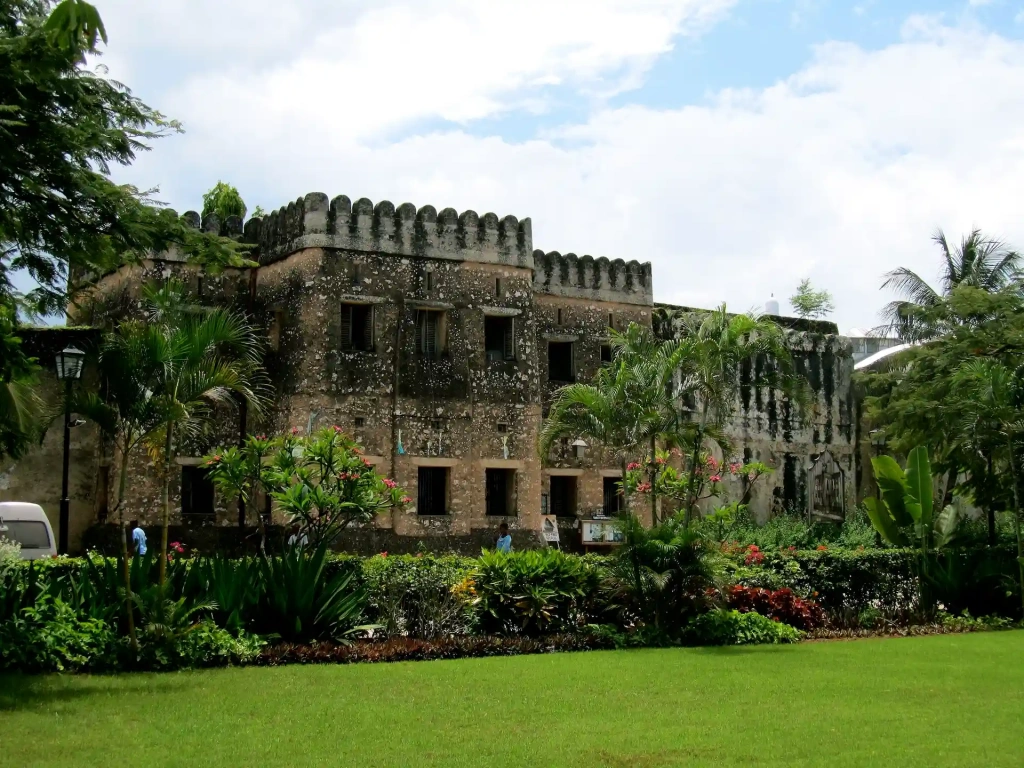
Portugal did claim control over parts of the East African coast, including Mombasa, as well as sections of the Arabian coastline. But commercial profit mattered more to the Portuguese than long-term political rule. When Portuguese power declined after the 17th century, the islands retained relatively few traces of the first colonial period.
In 1631, the Sultan of Mombasa killed Portuguese residents. After that, the Europeans took a more forceful approach and began appointing their own governors. Local merchants rejected this immediately and started preparing plans to expel the foreigners.
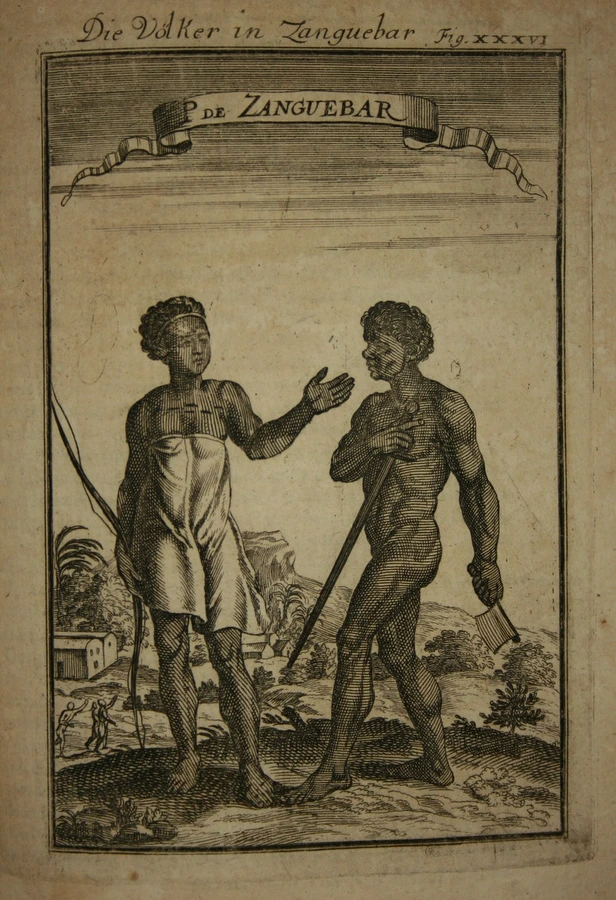
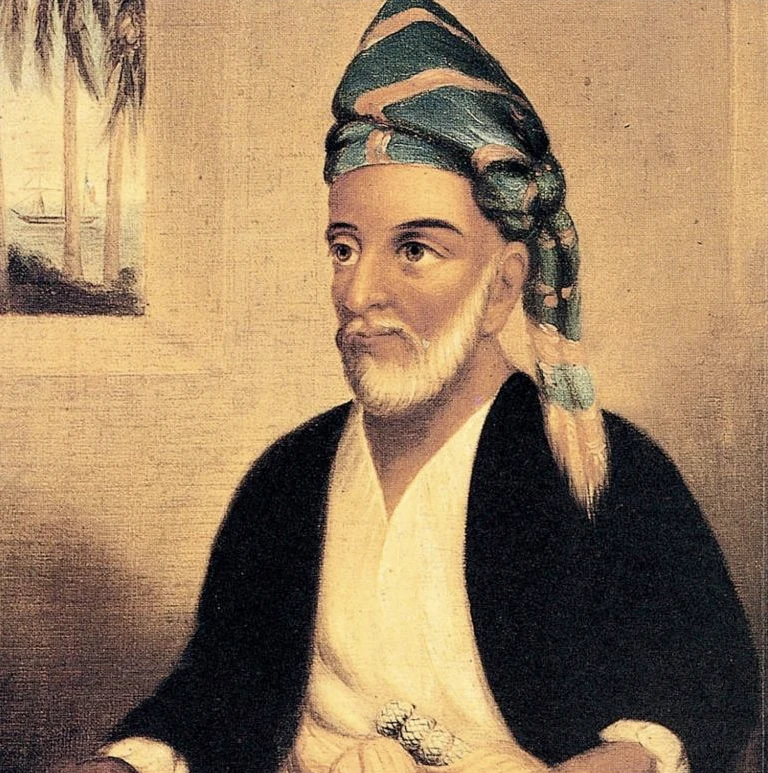
In 1698, Zanzibar’s merchants persuaded the Sultan of Oman to help drive out the Portuguese, offering him leadership of the islands in return. Oman’s forces succeeded, and Oman soon became Portugal’s chief rival in the region. A series of dynastic conflicts followed along the East African coast, and the Sultan of Oman at the time, , eventually moved his capital from Muscat to Stone Town in Zanzibar. The Portuguese era ended, and a new chapter began.
Independent Zanzibar Sultanate and the center of the slave trade
By the late 18th and early 19th centuries, the slave trade in Zanzibar was booming, driven by rising demand for forced labor in North and South America. Large-scale shipments of enslaved people to plantations made Zanzibar a major node in these brutal routes. Meanwhile, trade in ivory, coconuts, cloves, and other spices continued to grow. Said bin Sultan encouraged both spice cultivation and the use of enslaved labor.
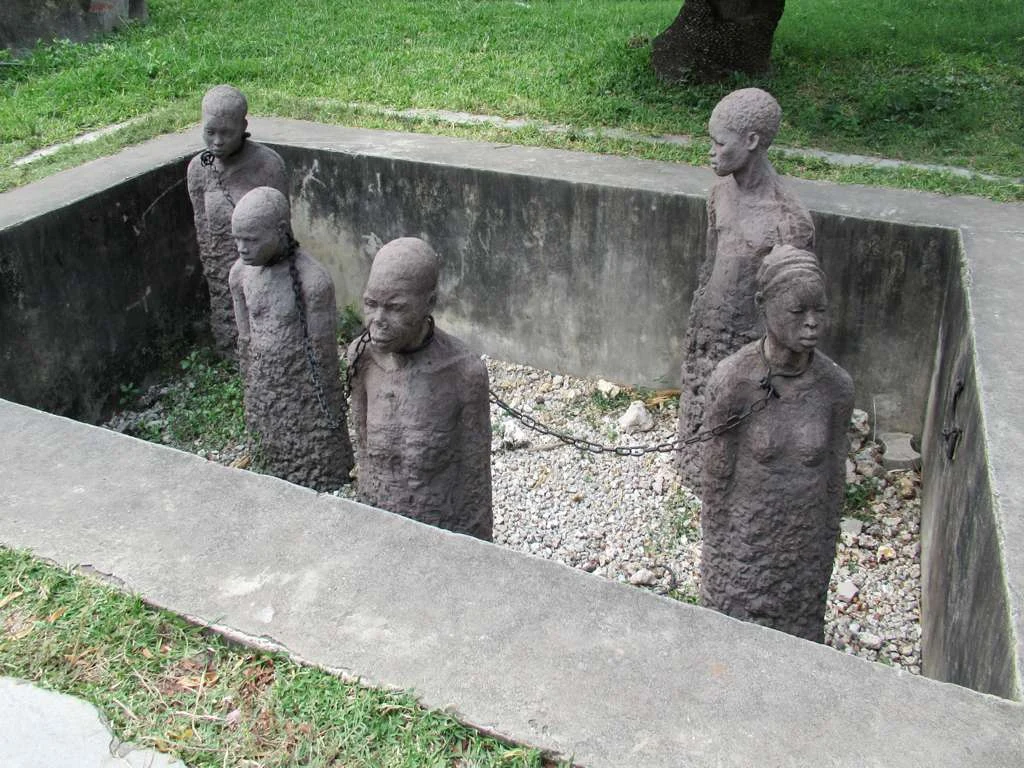
In 1856, the sultan died, and his sons fought a bitter struggle over succession. The territory was divided, and an independent Zanzibar Sultanate emerged, no longer under Omani rule. Majid bin Said, one of Said’s sons, became the first official sultan on the islands.
Europe’s struggle for Zanzibar and the British protectorate
By the late 19th century, Germany and Great Britain were asserting themselves along the East African coast. Europeans had been present earlier, but until the 1800s, Western influence was largely limited and indirect.
The following decades became known as the “Scramble for Africa,” as Germany, Great Britain, and France divided territories and built colonial empires. Some researchers argue that this era helped set the stage for World War I, which began decades later. By 1914, roughly 90% of Africa had come under European colonial rule.
But back to Zanzibar: under Sultan , who ruled from 1870 to 1888, Germany and Great Britain increasingly competed for influence over the islands.
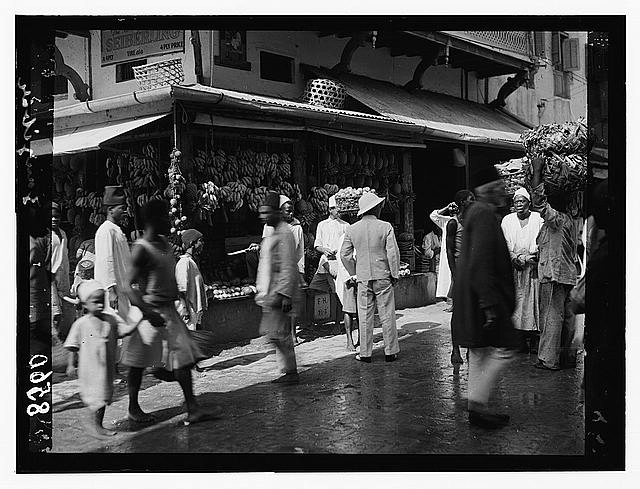
In 1890, Germany and Great Britain signed a treaty that placed Zanzibar under full British control. The protectorate lasted more than 70 years. The sultan’s authority was significantly reduced, and the slave trade was ended. For many years, local rulers cooperated with Britain – until 1896, when Khalid bin Barghash seized the throne after the death of his uncle Hamad bin Thuwaini, a ruler backed by the British colonial administration.
Britain planned to install its preferred successor, but Khalid derailed those plans. An ultimatum followed: he was to step down by 9:00 a.m. on August 27, 1896, or face military action. Khalid refused, and the Anglo-Zanzibar War began.
The shortest war in world history
On August 25, 1896, the day Sultan Hamad bin Thuwaini died, his nephew Khalid bin Barghash staged a coup, reportedly with German support. Britain responded almost immediately. Warships arrived off Zanzibar, and Khalid was warned: if he did not renounce the throne by 9:00 a.m. on August 27, the British would attack. Despite Britain’s overwhelming naval advantage, the new sultan chose to fight – a decision that proved disastrous.
The British shelled the palace and sank the sultan’s only ship in just 38 minutes. That brief battle is widely recognized as the shortest war in recorded history. After Khalid’s defeat, Hamoud bin Mohammed, supported by Britain, was installed as sultan.
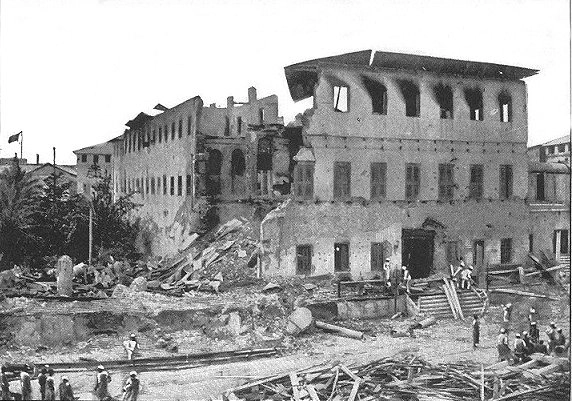
Great Britain kept Zanzibar as a protectorate until 1963. Decolonization accelerated after World War II and led to Zanzibar becoming an independent monarchy. The sultan at the time was Jamshid bin Abdullah, but he remained in power only briefly. Just a month later, the Zanzibar Revolution broke out, and the socialist People’s Republic of Zanzibar was proclaimed.
The Zanzibar Revolution
The events of 1964 marked a dramatic turning point. A fierce anti-Arab revolution toppled the sultan and the Arab government. Zanzibar and Pemba then united with Tanganyika, which had already become independent – a step that eventually led to the creation of a new state: Tanzania.
Tensions between the islands’ African majority and the Arab-led government had been building for many years. Sultans and other wealthy Arabs exploited local communities extensively. When Zanzibar and Pemba became British territories, slavery was formally abolished. However, the British administration often ignored continued exploitation and unequal power structures.
Historians estimate that as many as 18,000,000 East Africans were sold into slavery by Arab slave traders up to the early 1900s. You can learn more about this tragic chapter in East African history in the video below.
So when Zanzibar became an independent monarchy on December 10, 1963, long-standing racial and social tensions quickly erupted. The African population (the majority across the archipelago) was unwilling to accept the continued dominance of the Arab elite. Within a month, an uprising began.
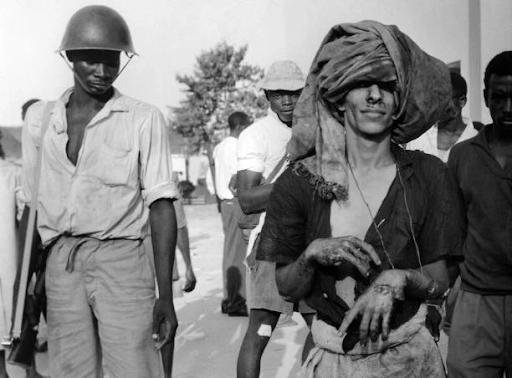
On January 12, 1964, John Okello, a Ugandan immigrant and a figure associated with the Afro-Shirazi Party, rallied around 800 rebels. They overwhelmed police forces and overthrew the sultan. The uprising was followed by severe reprisals against people of Arab origin.
According to some sources, around 17,000 people died, and thousands fled the islands for Oman and other countries. Among those who left was Farrokh Bulsara, who later became world-famous as the lead singer of Queen. Today, Zanzibar has a Freddie Mercury Museum in the house where his family once lived. If you’re in Stone Town, it’s one of the island’s most interesting landmarks to visit.
Although Okello initially led the uprising, control quickly shifted to more politically moderate forces. A new government was formed, headed by Abeid Amani Karume, who became Zanzibar’s first president.
The Republic of Tanganyika and Tanzania
Zanzibar’s socialist republic did not last long as a separate entity either. During his time in power, Abeid Amani Karume dismantled racially discriminatory policies associated with the old order and introduced land reform. At the same time, the combined population of Zanzibar and Pemba barely reached 100,000 people, which made it difficult to build a strong, independent economy.
To strengthen the new state, Abeid Amani Karume began working closely with leaders in neighboring Tanganyika. The ruling parties eventually agreed it was time to unite Zanzibar with mainland Tanganyika, and this took place on April 26, 1964. The new country was named the United Republic of Tanganyika and Zanzibar. Six months later, on October 29, it was renamed Tanzania.
Zanzibar today
Today, Zanzibar is part of the United Republic of Tanzania, while retaining semi-autonomous status. The islands have their own parliament, but foreign policy remains the responsibility of Tanzania’s national government.
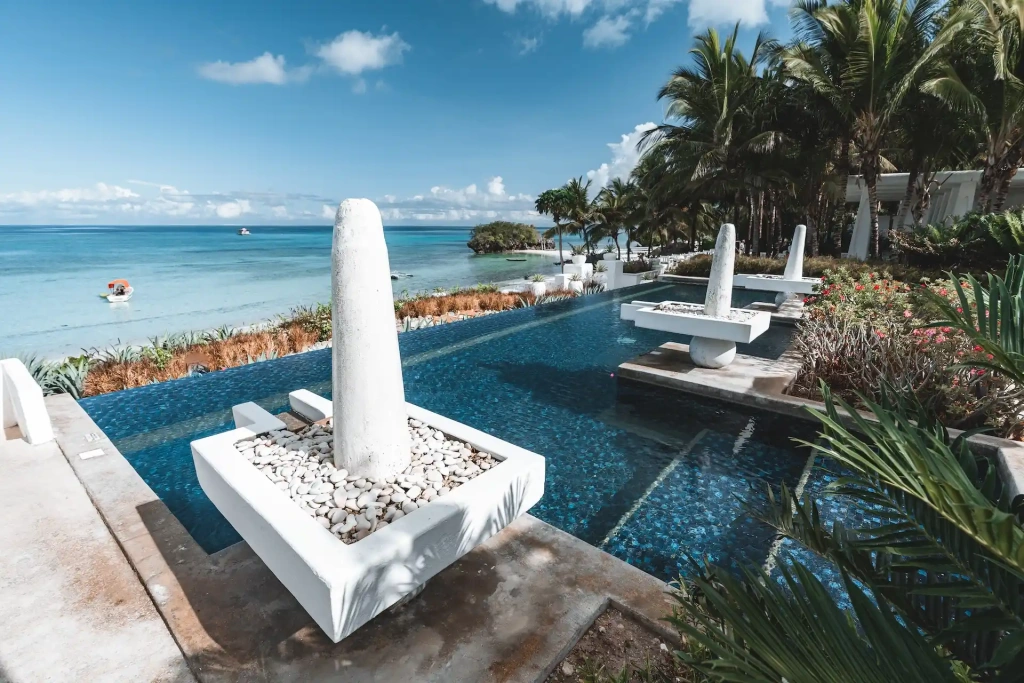
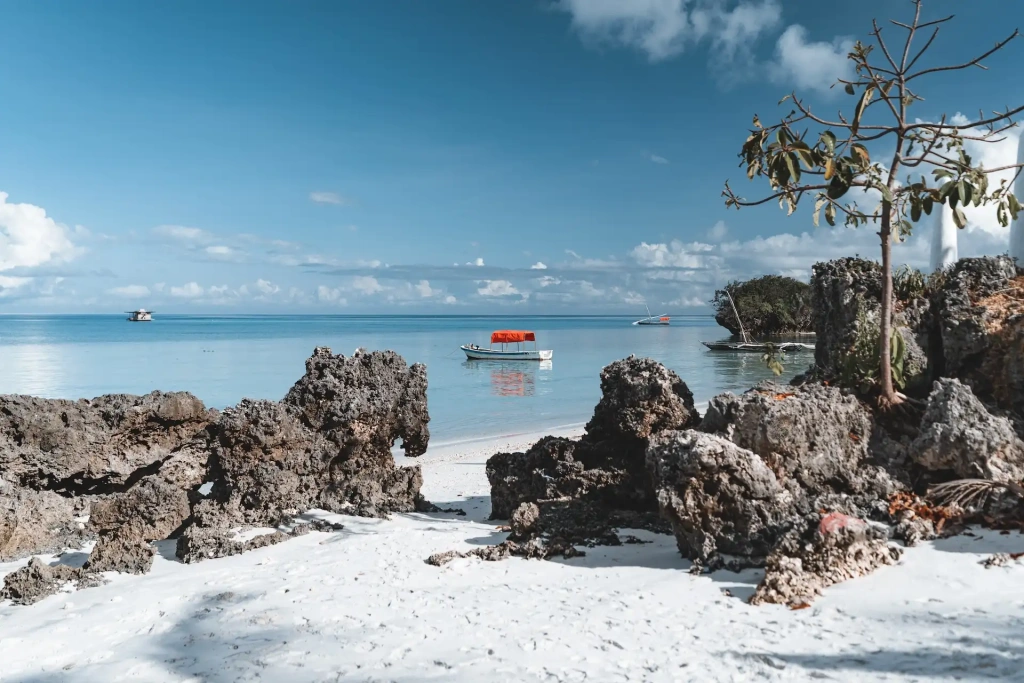
Modern Zanzibar is a major tourist destination, famous worldwide for its white-sand beaches, turquoise Indian Ocean waters, and excellent conditions for diving, snorkeling, surfing, and other water sports. On Zanzibar itself, on Pemba, and on nearby islands, you’ll find many comfortable modern hotels and bungalows set in lush tropical greenery, often with direct access to the beaches.
If you’re looking for a place to unwind after a Tanzania safari or after climbing Kilimanjaro, this idyllic archipelago is well worth considering. Zanzibar is not only beautiful, but historically rich, and its towns still carry clear traces of the colonial era.
All content on Altezza Travel is created with expert insights and thorough research, in line with our Editorial Policy.

Want to know more about Tanzania adventures?
Get in touch with our team! We've explored all the top destinations across Tanzania. Our Kilimanjaro-based adventure consultants are ready to share tips and help you plan your unforgettable journey.