





 52 reasons
  Free PDF


 Message us on WhatsApp
  Book a Free Call

 Islands
 Some people come to the island of Zanzibar for a relaxed beach vacation on the shores of the Indian Ocean, while others want to explore the local culture and the complex history of Stone Town. Before traveling, however, many people ask the same question: Is Zanzibar safe? In short, yes. This island region of Tanzania remains one of the calmest and safest places in East Africa. Still, as anywhere in the world, your well-being during the trip largely depends on whether you follow local rules and basic safety precautions.
In this new article, we break down the key safety concerns travelers may have when visiting the island.
Crime on the island
Pickpocketing and especially robberies are rare on the archipelago, but they do occasionally occur. That is why it is wise to be more cautious in towns and on Zanzibar’s beaches in the evening. To be fair, this kind of vigilance is important when traveling anywhere, even in Europe or the United States.
“From January to December 2024, a total of 1,855 property crimes were registered on Zanzibar. For comparison, Berlin alone recorded 223,586 thefts and 5,121 robberies during the same reporting period. In Paris, 312,090 property crimes were recorded in 2024.
When adjusted for population size, the contrast becomes even clearer: Zanzibar sees about 98 such crimes per 100,000 residents, compared to around 6,200 cases in Berlin and nearly 15,000 in Paris.”
The risk of running into trouble is higher if, for example, you decide to look for a taxi at the airport on your own instead of using a transfer arranged by your tour operator or hotel. In that situation, there is a risk of encountering a fraudulent driver and becoming a victim of theft or robbery. Physical harm is highly unlikely, but intimidation is possible, and a simple mistake like this can easily result in the loss of money and belongings.

Solo female travelers often attract attention from local men. There is usually no reason to worry. In most cases, the interest is linked to attempts to sell excursions or souvenirs. Sometimes, however, a seemingly innocent acquaintance turns into a classic scam: a quick romance, continued messaging after you leave, and then requests for money for a “sick mother,” an “accident,” or a “burned-down house.” Stay alert. Hundreds of people fall for this scheme every year.
Health
Is Zanzibar safe from a health perspective? The island has long been considered one of the most comfortable and relaxed destinations for tropical vacations. This is not only due to low crime rates but also to traveler health. Sanitary conditions are stable, and basic medical care is available.
Vaccinations
There are no mandatory vaccinations for visiting Tanzania in general or Zanzibar specifically. A standard set is typically recommended: typhoid fever, hepatitis A, tetanus, diphtheria, polio, and sometimes meningitis.
Catching something during a one- or two-week trip is very unlikely, but it is still better to be cautious. Keep in mind that some vaccinations must be done in advance. For example, the polio vaccine is recommended at least 4 weeks before departure, while hepatitis A requires 2 doses spaced 6 months apart.
There is one nuance regarding yellow fever. The vaccination itself is not required, but if you are arriving from a country where yellow fever is present, you will be asked to show a vaccination certificate upon arrival in Zanzibar.
Malaria
According to WHO data, Zanzibar has almost completely eliminated malaria. Today, the disease is extremely rare on the island. Rapid diagnostic systems are in place, and residents are well informed about prevention measures. The current malaria prevalence rate is below 1%, making Zanzibar one of the most successful regions in Africa in combating this disease.
For travelers, the risk of infection is minimal. Still, it is best to use repellents and sleep under mosquito nets. These are standard precautions in the tropics.
“In terms of health protocols, Zanzibar is one of the safest countries in Africa. Malaria has almost totally disappeared, and we can say definitely eradicated from touristic areas. There are a lot of private clinics in case you would need. Just be sure to have a good insurance”. - Diossina17 via Reddit
Medical care on the island
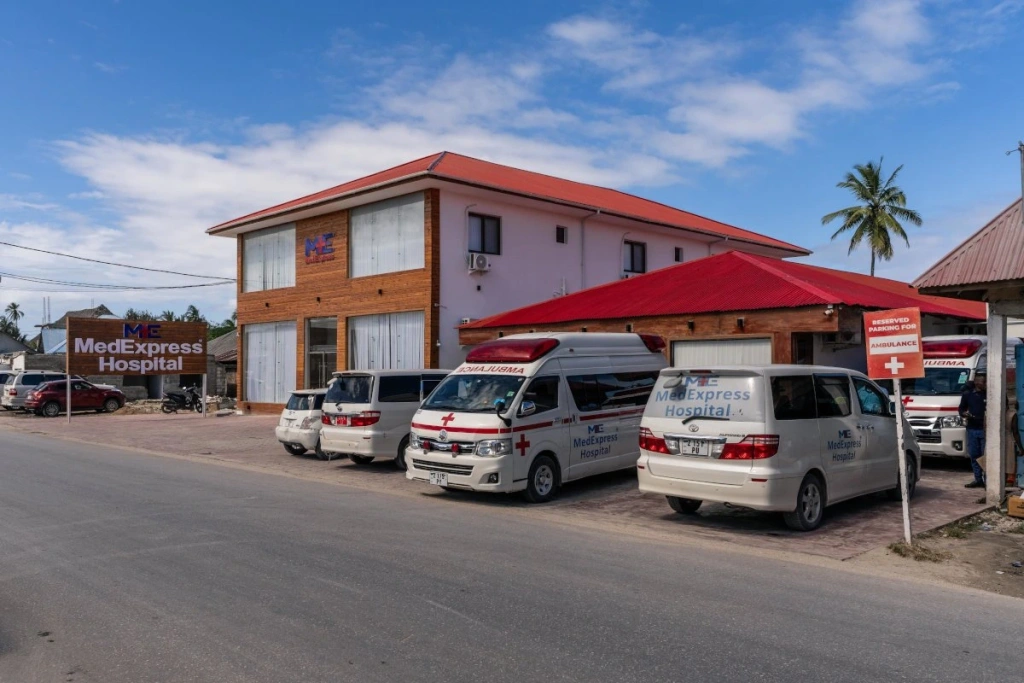
Colds, diarrhea, or minor infections are treated without difficulty in Zanzibar. Pharmacies are widespread, especially in tourist areas. It is enough to bring a basic first-aid kit. Anything else can easily be purchased locally.
As for local medical facilities, their service quality improves each year, but they may still be more limited than in Europe or North America. For serious medical issues, evacuation to mainland Tanzania may be required.
Insurance
Even if you are not planning to dive or kitesurf, it is still best to choose a reliable insurance provider that will support you in any difficult situation. At Altezza Travel, we recommend Global Rescue and IMG Insurance. This combination offers maximum safety and peace of mind. Keep in mind that local doctors usually wait for insurance approval before providing treatment.
Since October 1, 2024, Zanzibar has also introduced a mandatory insurance fee. Every foreign visitor must pay it upon entry to Unguja (Zanzibar) or Pemba Island. The cost is $44 for adults and $22 for children under 18. Payment can be made online through a dedicated website. You fill out a short form, complete the payment, and receive a QR code to show at passport control. If cash is more convenient, you can submit an application online in advance and pay at the airport upon arrival.
The policy is valid for 92 days from the date of entry and covers emergency medical care, evacuation, lost luggage, and some other unexpected expenses.
Road safety
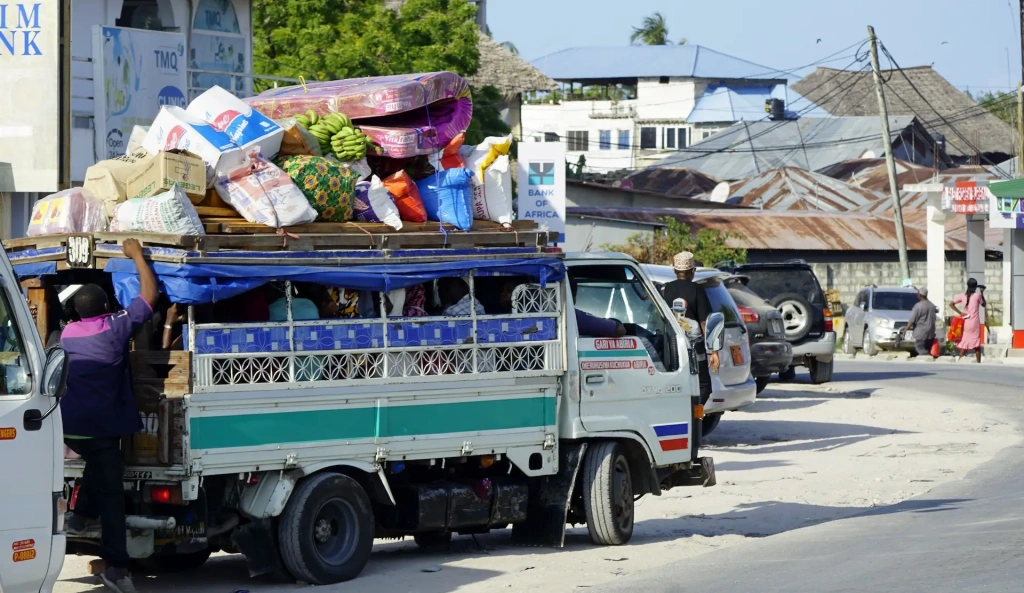
Please note that Zanzibar has left-hand traffic. Cars, motorcycles, and dala-dala minibuses often pass each other with minimal clearance, overtake into oncoming lanes, and make sudden maneuvers, frequently while drivers are using their phones. Roads can be in poor condition, lane markings are scarce, and speed bumps appear in unexpected places. As a result, traffic accidents are the leading cause of serious injuries and fatalities.
To reduce risk on the roads, always arrange a car through your hotel. They can recommend a trusted driver or order an official taxi.
How safe are food and water in Zanzibar?
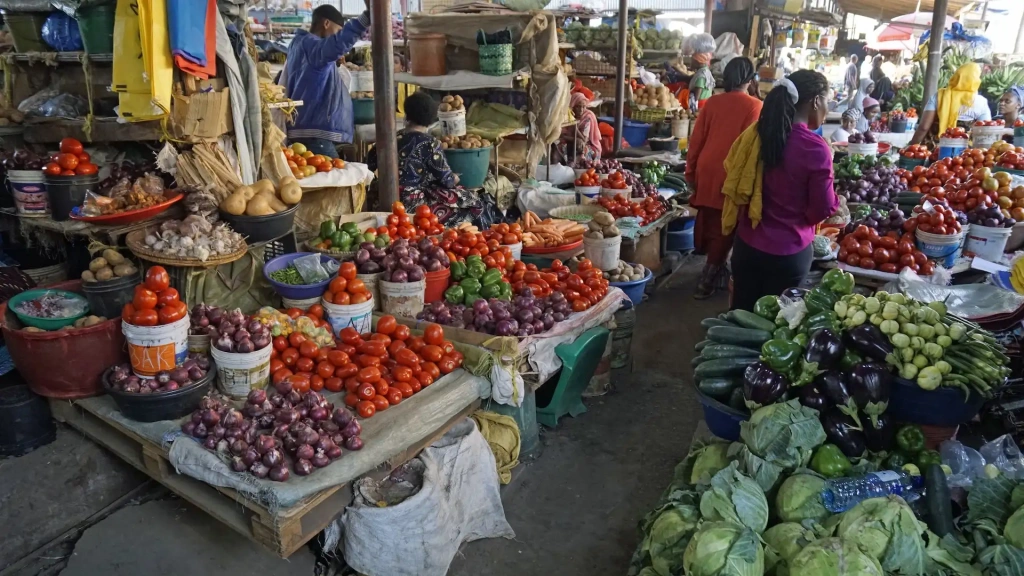
Many travelers wonder whether Zanzibar is safe when it comes to food and water. In reality, the island has long adapted to tourism. Zanzibar’s long-standing popularity among travelers reflects generally good food safety standards.”
That said, basic precautions still apply. Drink bottled water whenever possible. In good hotels, powerful filtration systems are used, so even ice in cocktails is safe. Restaurants are generally reliable. The higher the level of the establishment, the safer the kitchen. At local cafés and the Forodhani night market, be more attentive. Choose freshly prepared, hot food, especially when it comes to meat and seafood.
Cultural norms
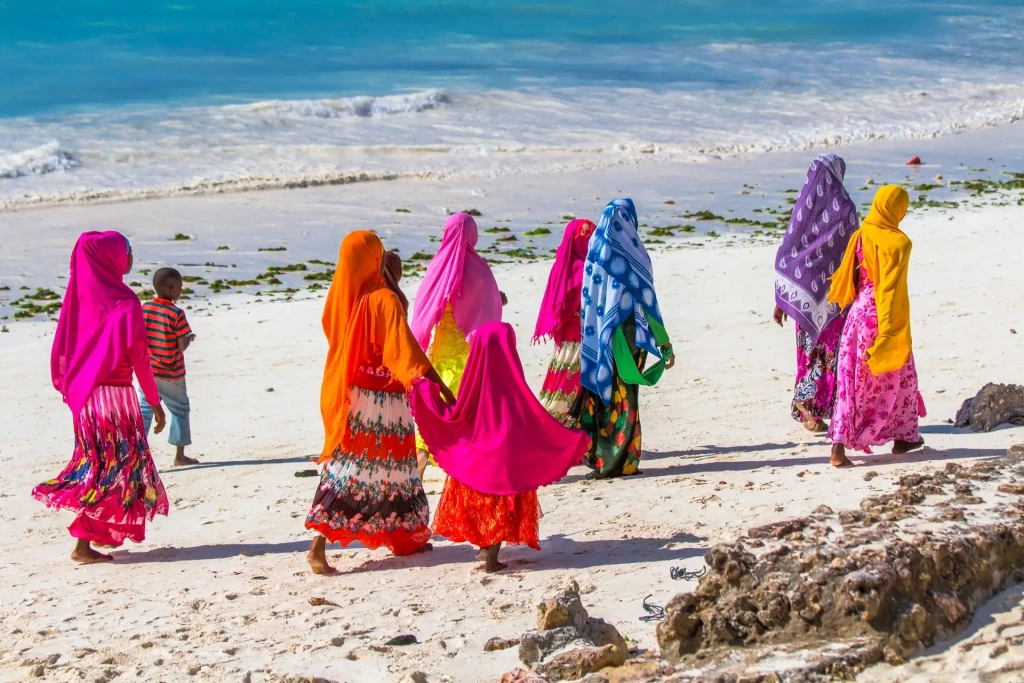
Zanzibar is a Muslim island, and about 99% of the population practices Islam. Please respect local traditions and cultural norms during your stay.
- Clothing. Outside hotel grounds, shoulders and knees must be covered, for both women and men. Since 2021, fines of $700 or more have been introduced for overly revealing clothing in public places. This rule does not apply within resort areas or on resort beaches. At Altezza Travel, we have not encountered any cases of tourists being fined, but we strongly believe that respecting local customs is essential.
- Ramadan. If your trip falls during the holy month (the dates change each year), avoid eating, drinking, or smoking in public during daylight hours. This applies to all areas outside resort zones.
- Photography. Always ask permission before photographing people. The same applies to mosques and religious ceremonies. Photographing police officers, military facilities, and airports is prohibited and can result in confiscation of equipment and lengthy questioning.
- Alcohol and behavior. Drink alcohol only in hotels, licensed bars, and restaurants. Drinking on the street, on public beaches outside resorts, or in transport is prohibited. Drunk driving, smoking in public places, and any drugs are strictly forbidden. Public kissing and hugging are best kept within hotel grounds.
Is there dangerous wildlife on Zanzibar?
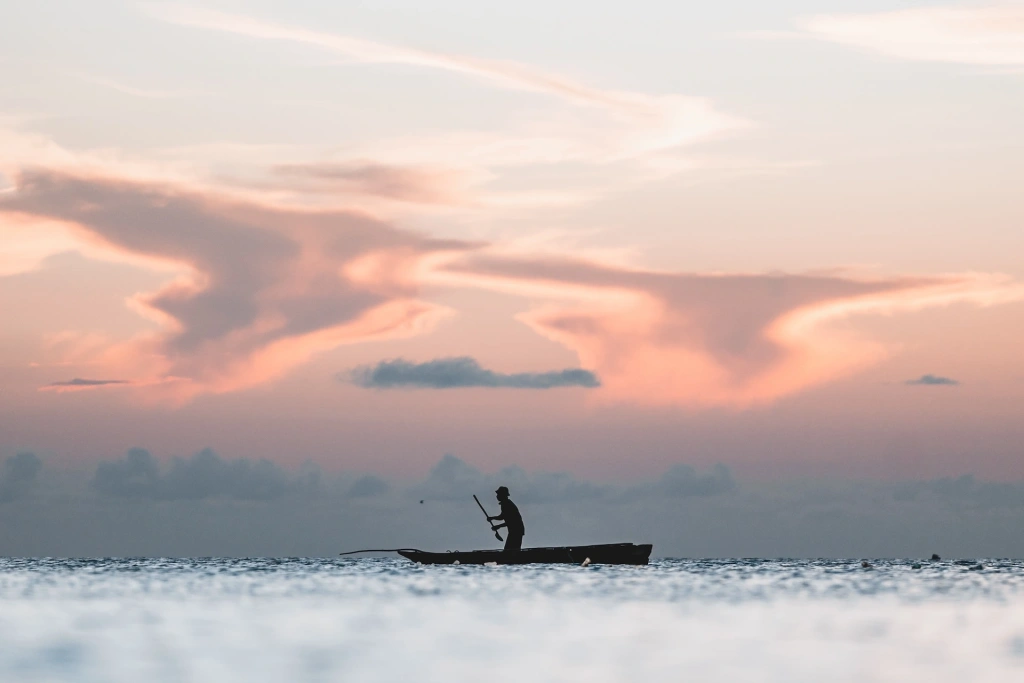
There are virtually no serious threats from wildlife on Zanzibar. There are no large sharks near Zanzibar’s shores, as coral reefs act as a natural barrier. The main underwater hazards in shallow water are sea urchins, sharp corals, and occasional stingrays. You may accidentally step on a sea urchin or cut yourself on coral, so caution is advised. Stingray attacks are extremely rare, but if one occurs, medical attention is required, as the venom causes pain and swelling.
To minimize risks, follow a few simple rules:
- Walk along the shore and ocean floor only in reef shoes
- Do not swim too far out, as currents can be strong
- Keep track of tides, which are significant on Zanzibar
- Leave belongings on the beach only under supervision
- Rent snorkeling and diving equipment only from reputable centers with quality gear and professional instructors
Snakes are uncommon, and in most cases, they are harmless green bush snakes. Venomous species such as cobras are extremely rare and usually live in rural or forested areas. To stay safe, avoid walking barefoot in tall grass and do not venture into dense vegetation at night.

Mentions of large predators such as the Zanzibar leopard remain only in local stories. According to official data, they have long disappeared from the island.
Is Zanzibar safe for solo travelers?
Tens of thousands of people travel to Zanzibar alone every year. Solo visitors move around the island independently, stay everywhere from luxury resorts to budget hostels, join organized excursions, and relax on the beaches without encountering any problems. This applies to both men and women. Locals are well accustomed to tourism and are generally friendly and welcoming.
However, a high level of safety does not mean you can ignore basic travel rules. These are universal and apply in most countries around the world:
- Keep valuables in the hotel safe and carry only a bank card and small amounts of local cash
- Avoid displaying expensive gadgets, especially in public transport and crowded places
- Avoid dark, remote alleys and deserted beaches at night
- Book excursions only with trusted operators that have reviews and professional guides
Overall, Zanzibar is an excellent destination for solo travelers. The tourist infrastructure is well developed, cities are easy to navigate, accommodation options exist for almost any budget, and within resort areas, you can feel completely relaxed and at ease.
Conclusion
Zanzibar is one of the calmest and most welcoming destinations in East Africa. If you follow the simple rules outlined above, the likelihood of any trouble is close to zero. For convenience, save the key contacts:
- Police: 112 or 999
- Emergency medical care: the exact number depends on the hospital. Ask your hotel for the nearest clinic and assistance with transfers.
- Tourist police: on duty in Stone Town and at the airport.
Let’s conclude: Is it safe to travel to Zanzibar? For most travelers, the answer is straightforward. With basic precautions, there is little to worry about.
To ensure a positive experience, excursions should be booked only through reputable companies. Trustworthy operators are typically easy to identify: they have transparent pricing, professional licensed guides, round-the-clock customer support, and a strong base of genuine reviews. Be cautious of people selling tours directly on beaches or in the streets.
All content on Altezza Travel is created with expert insights and thorough research, in line with our Editorial Policy.

Want to know more about Tanzania adventures?
Get in touch with our team! We've explored all the top destinations across Tanzania. Our Kilimanjaro-based adventure consultants are ready to share tips and help you plan your unforgettable journey.
 Climbing
  Safari
  About Tanzania
  Islands