





 52 reasons
  Free PDF


 Message us on WhatsApp
  Book a Free Call

 Islands
 On a trip to Zanzibar, you can:
- Relax at beach resorts on the warm Indian Ocean
- Go diving, snorkeling, and kitesurfing
- Take guided tours focused on spice farming, the history of the slave trade, and Swahili culture
- Wander the streets of historic Stone Town
- Try local cuisine centered around fresh seafood
- Go on boat trips and visit other islands in the archipelago
With so many tours and activities on Zanzibar, quality varies widely. Some experiences are genuinely responsible and support local communities, while others involve animal exploitation and harm to wildlife. Below, we cover the full range of Zanzibar activities and best things to see. Also, we talk about which activities are best skipped if you want your trip to align with ethical tourism.
One important note: not all boat trips and excursions are run safely, and accidents can happen. This matters even more if you’re traveling with kids. In this guide, we’ll show you what to watch for so you can choose operators that take safety seriously.
Take a walk around Stone Town
Stone Town is the historic district of Zanzibar City, the only major city across the entire archipelago. It’s small, less than one square kilometer (0.4 sq mi). You can explore Stone Town in a couple of hours, either with a local guide or just letting the alleys lead you in circles. Most buildings are made from coral limestone and finished with mangrove wood.
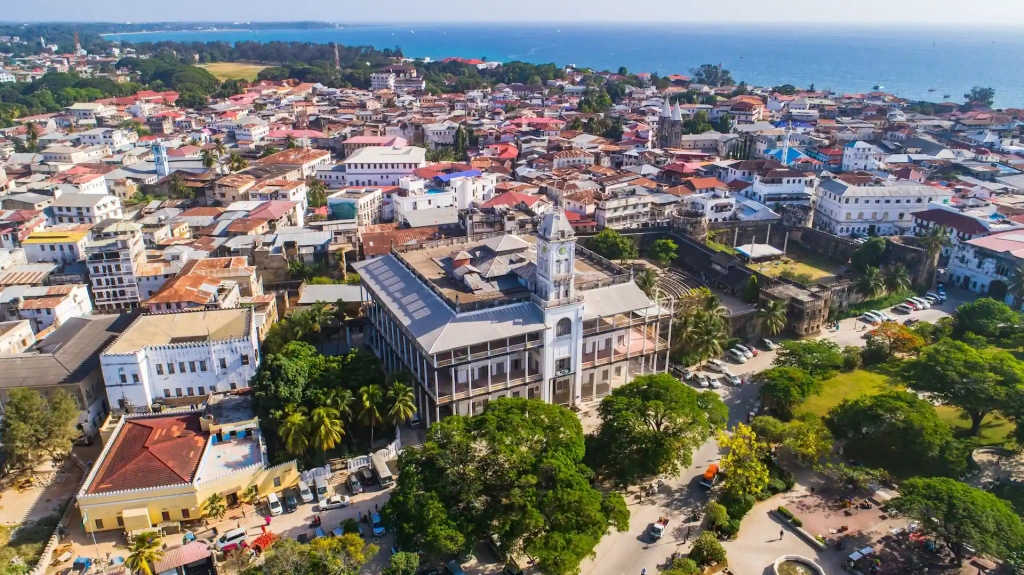
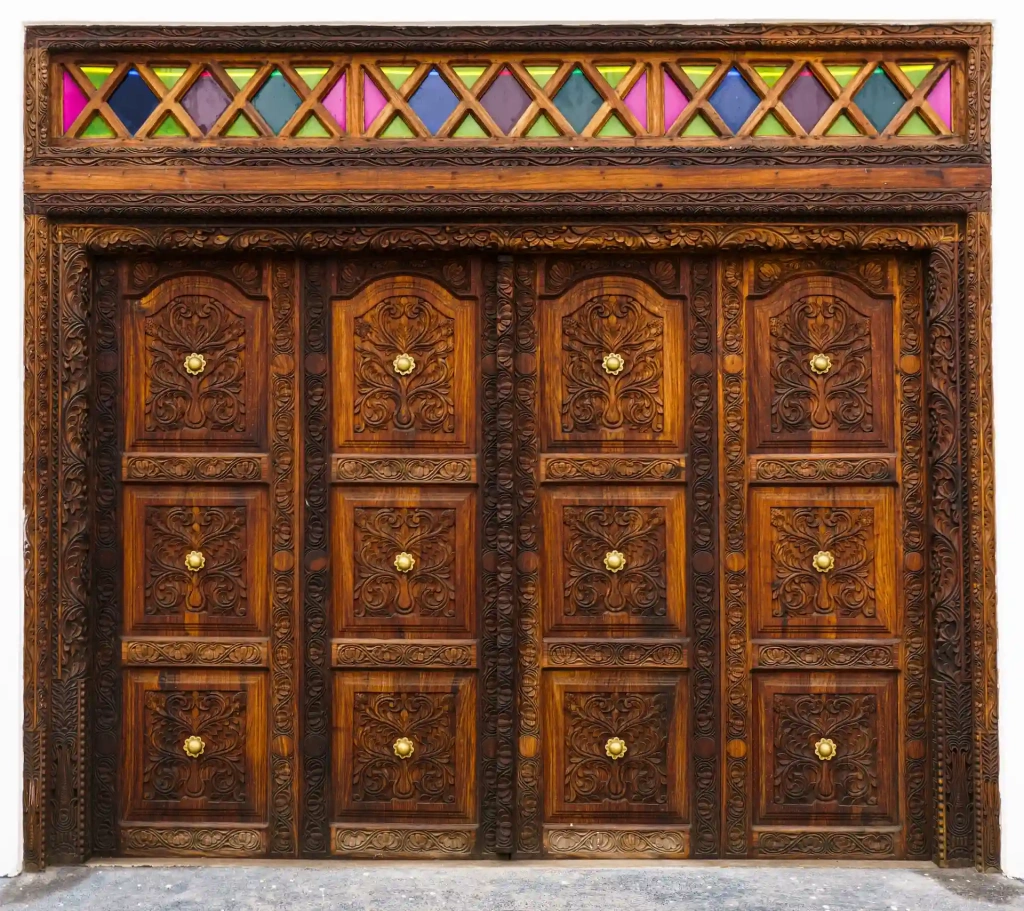
Stone Town is one of the historic centers of Swahili culture in Africa, though strongly shaped by Indo-Arab influences. Most houses were built in the 18th and 19th centuries. Many are decorated with carved wooden doors, one of Zanzibar’s most important cultural treasures. Stone Town’s layout is defined by narrow winding streets, enclosed courtyards, and countless small shops on the ground floors. You’ll easily find souvenir stores, cafes, and hotels with rooftop restaurants.
Key Stone Town landmarks worth visiting:
- Old Fort – an Omani fortress that once served as a prison and barracks, and is now home to souvenir vendors and a festival amphitheater
- House of Wonders – the sultan’s palace, which became the first building in all of East Africa to have an elevator and electricity
- Old Dispensary – a beautiful Indian building with carved wooden balconies and columns
- St. Joseph’s Cathedral – an elegant Roman Catholic church;
- Christ Church – an Anglican cathedral built on the site of Zanzibar’s last slave market
- The house of the famous slave trader Tippu Tip
- Hamamni Baths – Persian baths that now operate as a museum
- Freddie Mercury Museum – the building where the future pop star’s family lived
Take a spice plantation tour
Zanzibar’s main island is famous for its spice plantations. It’s often called the Spice Island, similarly to Indonesia’s Maluku Islands. In the past, Zanzibar was the world’s largest supplier of cloves. You can visit Zanzibar’s spice gardens on guided tours, where you’ll see how cloves, cinnamon, vanilla, pepper, nutmeg, and other culinary plants are grown. Guides typically share interesting facts, explain local farming methods, and answer guests’ questions.
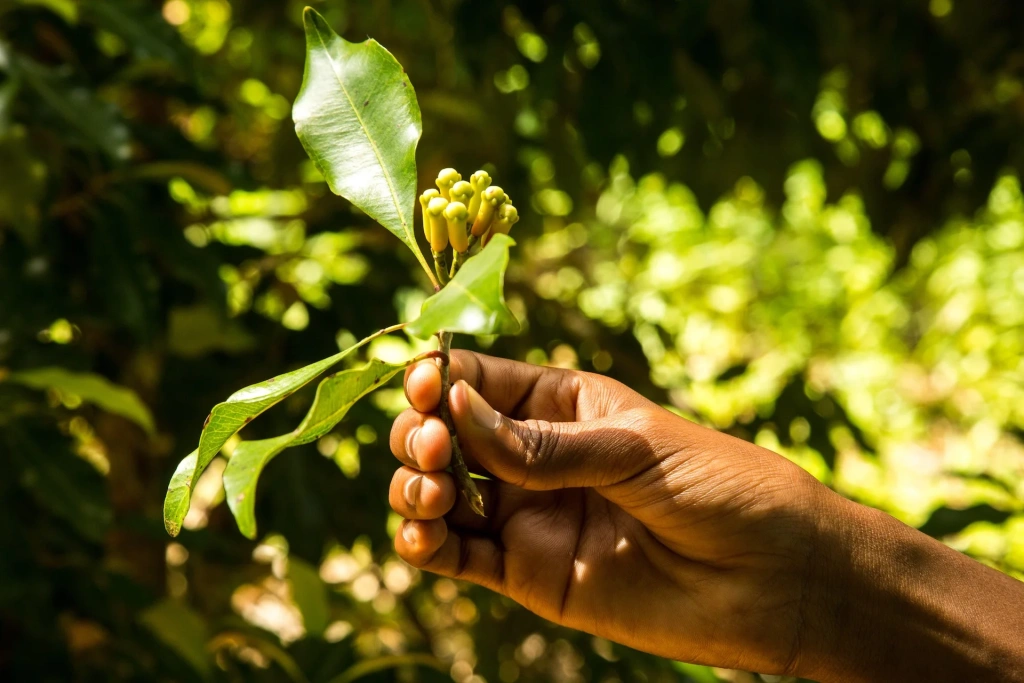
If you visit during fruit season, you’ll get to sample local fruit – mangoes, lychees, and pineapples are common. At the end of the tour, you can purchase spices by weight or in ready-made gift sets to take home, either for yourself or as a souvenir from Tanzania.
Relax on Zanzibar’s best beaches
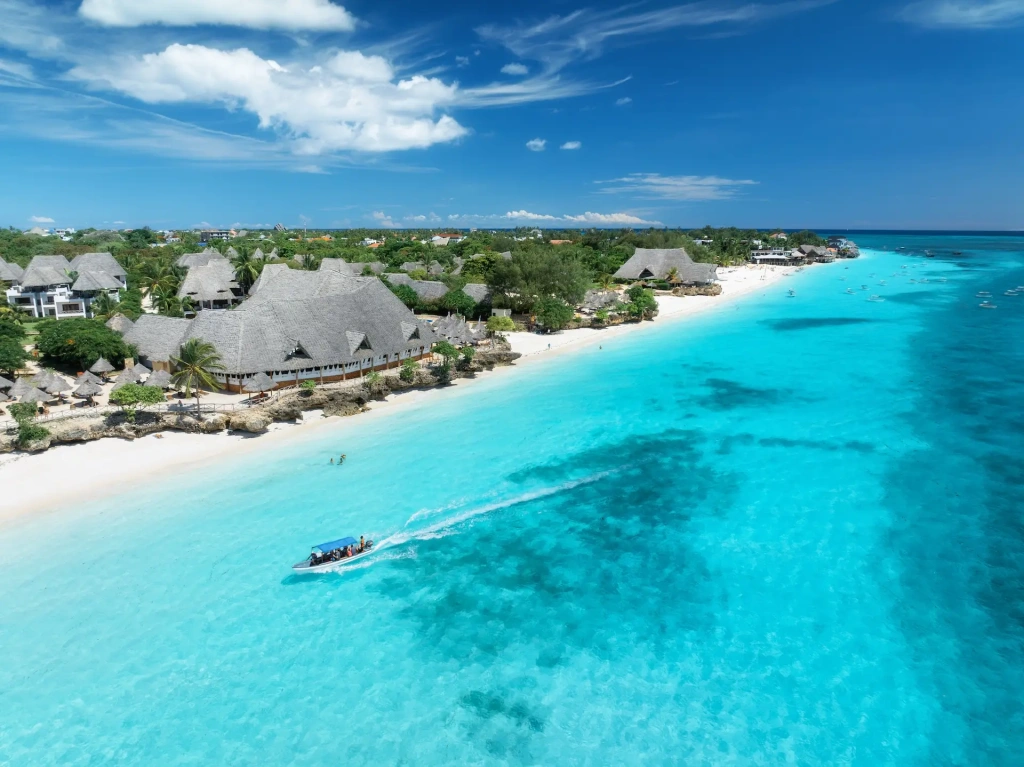
Zanzibar’s popular beaches can be roughly divided into three areas: the north, the northeast, and the southeast. The north is the busiest because tides are least noticeable there. The two main northern beaches, Nungwi and Kendwa, have the widest choice of restaurants and activities. The east coast is heavily affected by low tide, but it offers the best conditions for kitesurfing, especially at Paje Beach. There are also beaches in other areas, such as the south, where comfort depends less on coastal conditions and more on the specific hotel.
Comparing Zanzibar’s beaches
Visit small islands
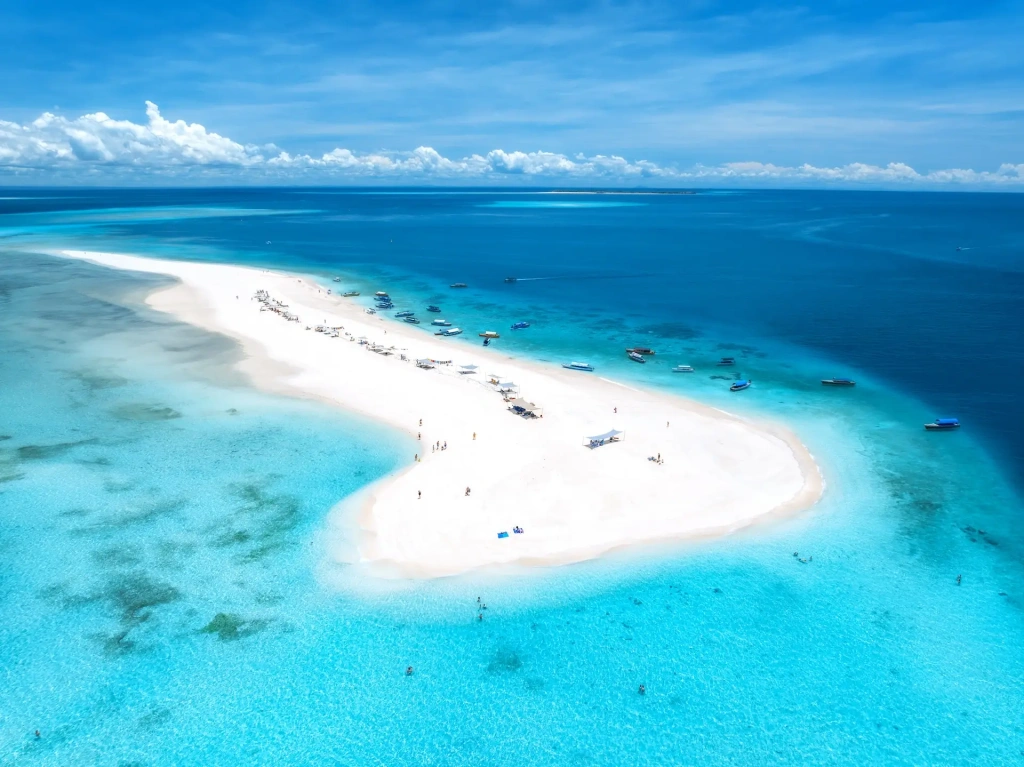
Many small islands are scattered around Zanzibar’s main island, and you can reach them by boat. People often go for a quiet escape and beautiful views. Note that these places can be crowded, especially at peak hours in high season: from June to October and from December to March.
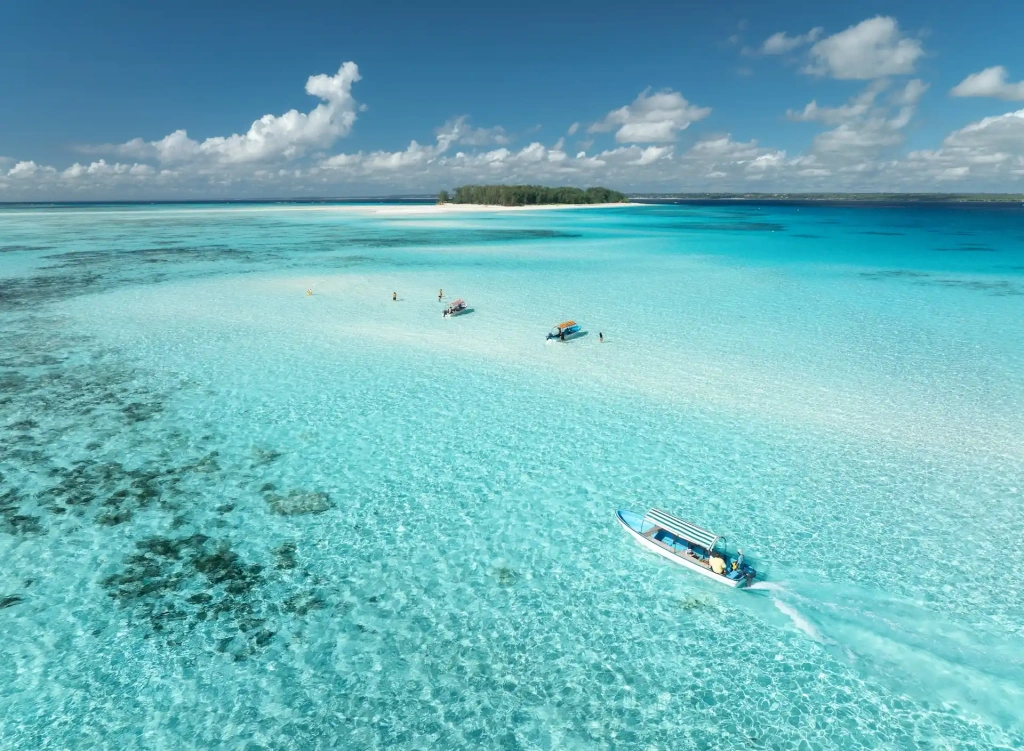
The most popular Zanzibar islands with travelers are:
- Mnemba – an ideal spot for snorkeling and diving in clear waters near coral reefs
- Nakupenda – not an island, but a sandbank near Stone Town with a popular beach, accessible only at low tide
- Chumbe – an island with a private marine reserve, ideal for ecotourism and snorkeling
- Tumbatu – an inhabited island with villages and secluded beaches
- Kwale – along with Ukombe, Sume, and others, part of the protected Menai Bay Conservation Area and considered a beautiful place for snorkeling in the lagoon and dolphin watching
- Bawe, known for its beach and good snorkeling
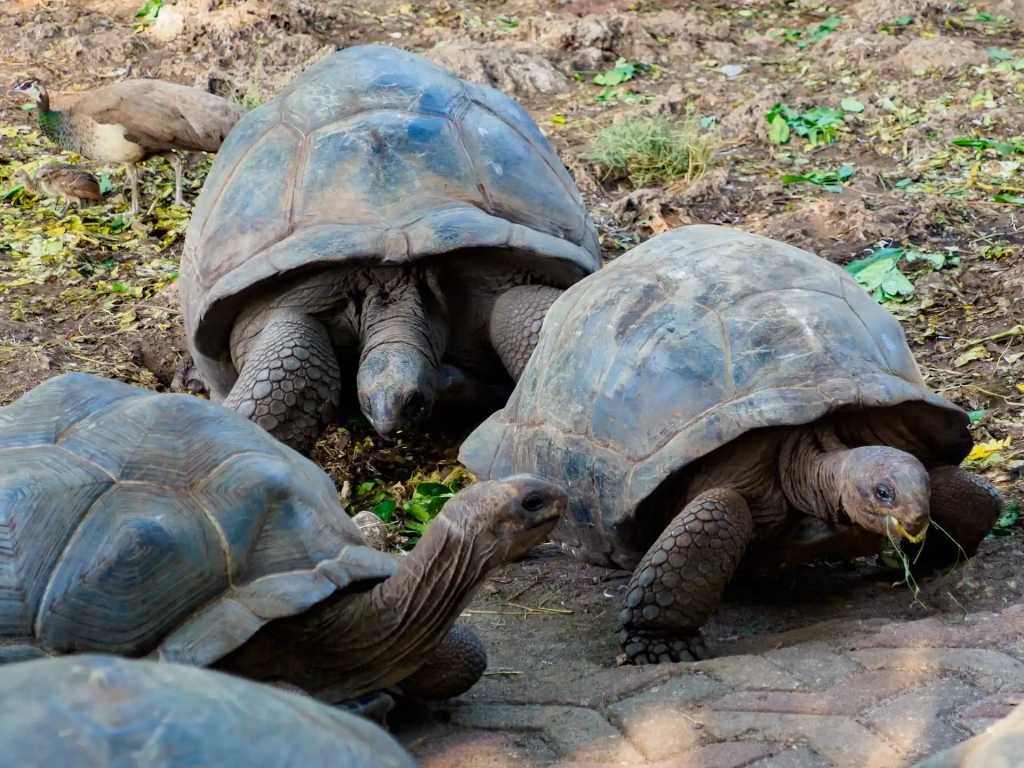
- Changuu, also known as Prison Island or Giant Tortoise Island – visited for the giant tortoises, weighing up to 200 kilograms (440 lb).
Join a marine safari
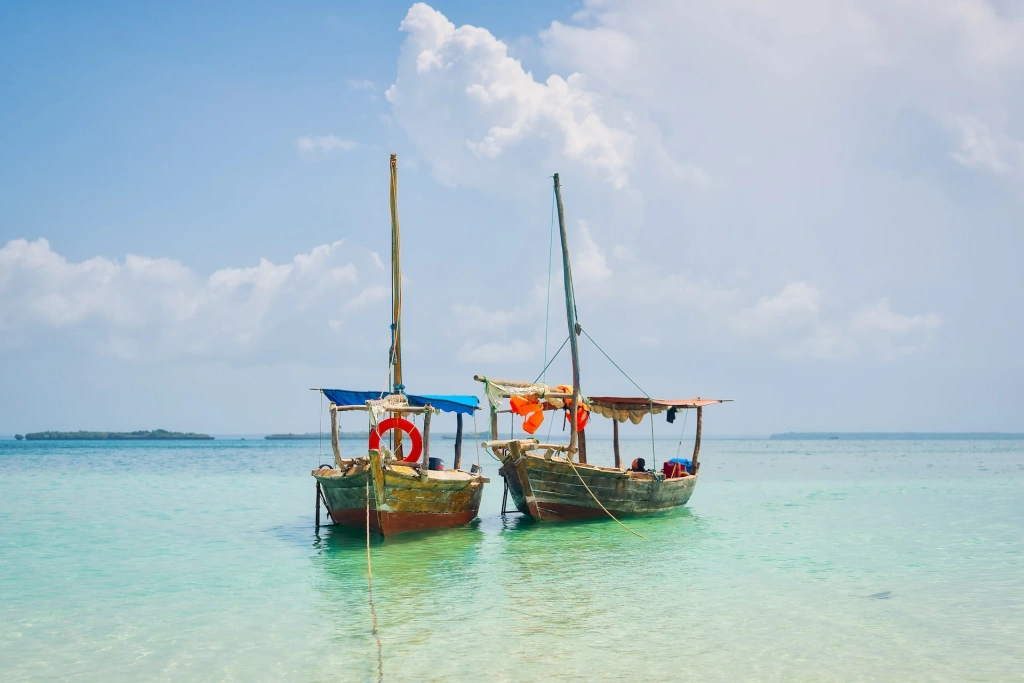
“Marine safari” is a common name for boat trips that focus on spotting wildlife in the Indian Ocean. Zanzibar offers plenty of options. You just need to pick a reputable boat and the right time of day. Most tours run in the south, around Menai Bay Marine Park. On the trip, you might snorkel in a sheltered bay, sail on a traditional wooden dhow, eat freshly cooked seafood on the beach, and, if you’re lucky, spot dolphins.
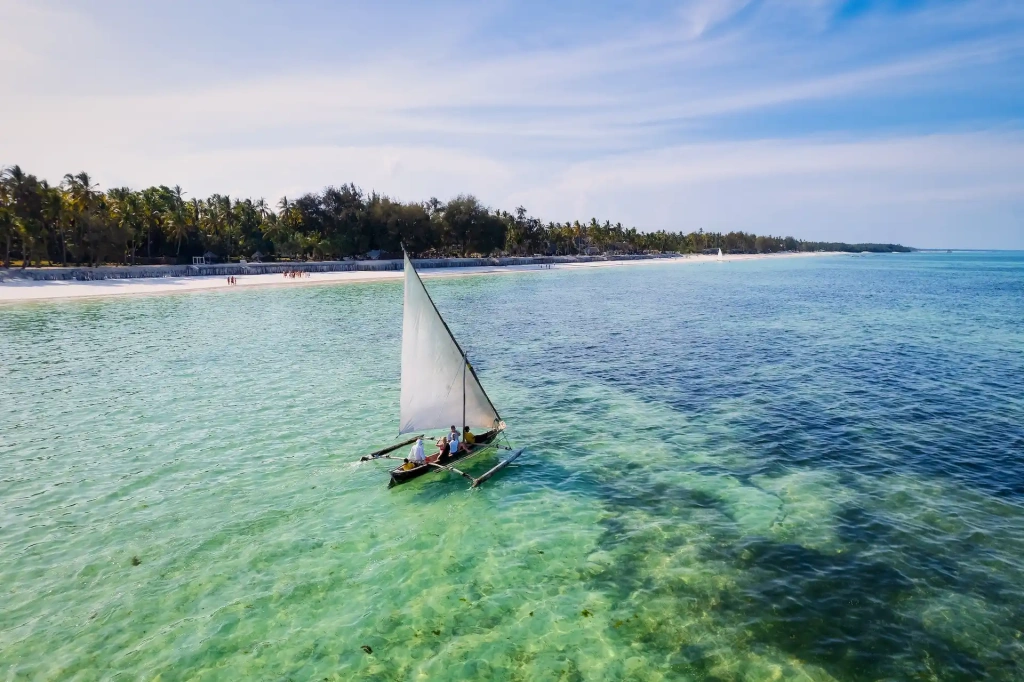
If you decide to go on a boat trip, be ready for things not to go exactly as planned. This matters even more if you’re traveling with children. Before you set off, ask for life jackets for everyone and make sure they fit properly. And if, once you’re out on the water, it feels unsafe, it’s better to turn back and cancel, even if you’ve already paid.
Dive with scuba gear
Diving remains one of the most popular activities in Zanzibar. The archipelago’s coastal waters offer excellent dive sites for both beginners and experienced divers. Here you can see corals and many kinds of fish, turtles and octopuses, sea stars and sea cucumbers, squid, dolphins, and other underwater life. For deep-dive lovers and thrill seekers, there are sites with significant depth and strong currents.
Popular Zanzibar dive sites:
- Leven Bank – an underwater seamount with a reef plateau north of Nungwi Beach, suited to advanced divers; whale sharks and humpback whales are sometimes spotted nearby
- Big Wall – a sheer drop-off near Mnemba Island, 50 meters (164 ft) high, with many caves and interesting ledges
- Nankivell and Hunga – two neighboring reefs west of Nungwi, suitable for all levels, with lots of corals and schooling fish
- Aquarium – a coral wall near Nakupenda Beach, home to large numbers of lionfish, cornetfish, gobies, and other species
- Mwana Wa Mwana – a beautiful reef with hard and soft corals north of Tumbatu Island
- Kichafi – a great reef northeast of Zanzibar Island, where you can drift with the current
- Kizidi Reef – a particularly rich reef in southern Zanzibar within the protected Menai Bay area; rays, moray eels, seahorses, eels, and mollusks are often seen here, and you may also spot flounder, stonefish, and leaf fish.
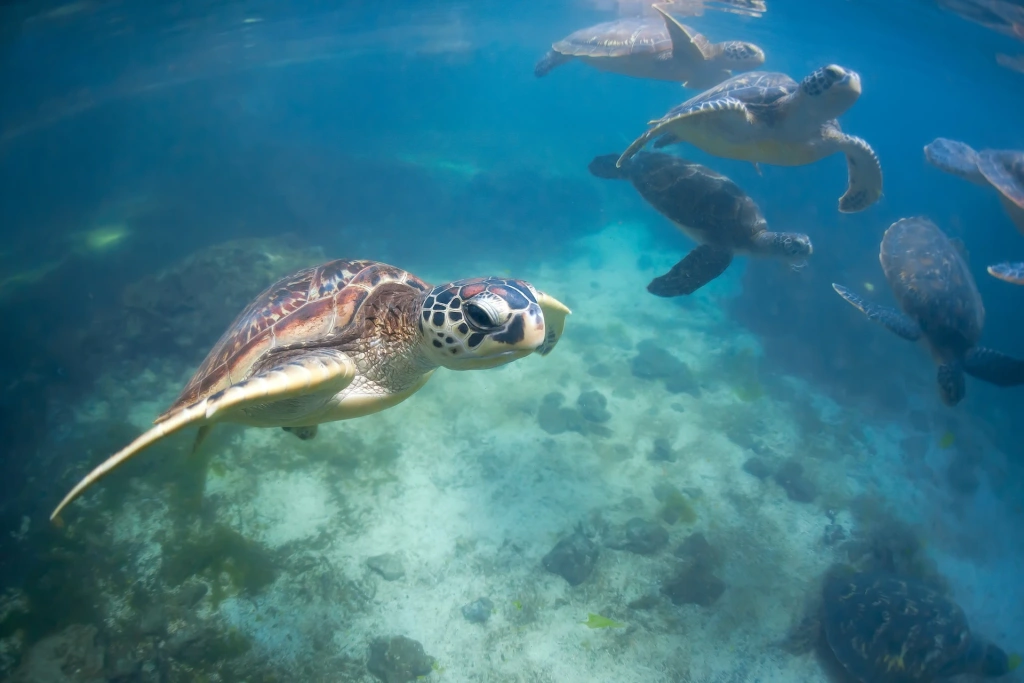
Besides sites around Zanzibar Island, you can also dive elsewhere in Tanzania. Many divers rate the waters around Mafia Island as the best in the country. It is the least commercialized option and a strong fit if you prefer quieter, more natural dive sites over busy, crowded ones.
If you’re after dramatic underwater scenery and rich marine life, you’ll likely enjoy diving around Pemba Island. It works for both beginners and experienced divers, with sites that can be easy or more challenging depending on conditions. Another plus is how uncrowded it is. Most trips go out in small groups of about two to four people, and it is common to have a dive site to yourself, with no other boats nearby.
Explore Zanzibar’s caves
There are several caves on the main island that travelers visit to take photos and swim – many are filled with clear water.
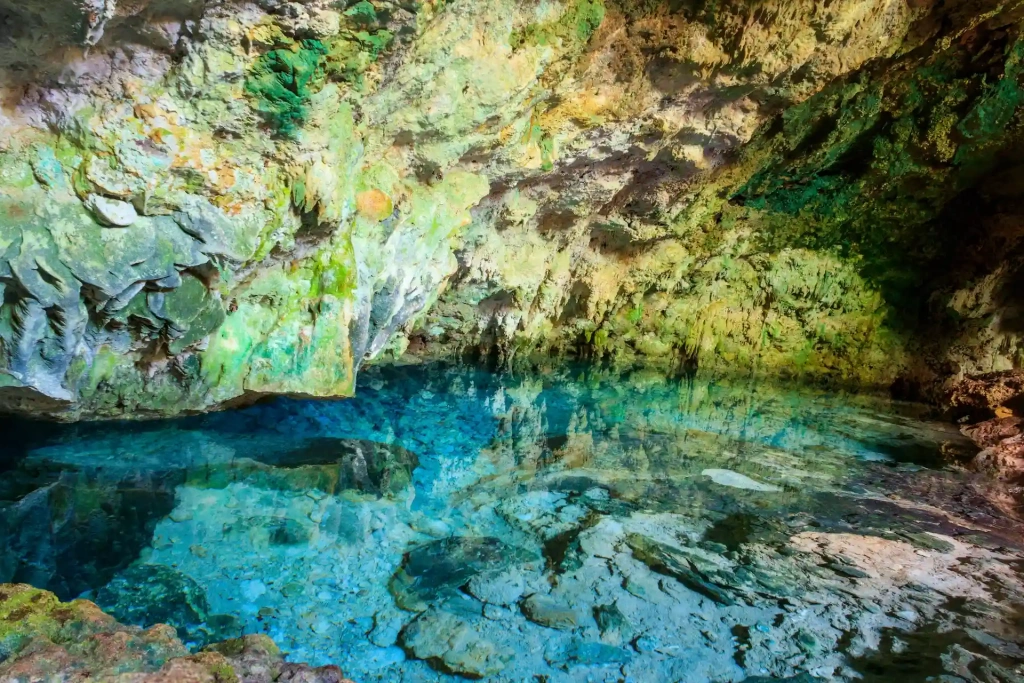
The most famous Zanzibar caves:
- Kuza (Kuza Cave) – a limestone cave with turquoise freshwater between Paje and Jambiani beaches on the island’s east coast
- Maalum (Maalum Cave) – a private site with a cave where you can swim, then relax with a massage afterward
- Kiwengwa (Kiwengwa Caves) – several inland caves in the east of the island, without water but with stalactites, and a nearby forest reserve
- Mangapwani (Mangapwani Caves) – caves on the west coast with a tragic history: enslaved people brought from the mainland were hidden here after the slave trade had already been banned
There are also a few cave pools on the island where sea turtles are kept in captivity. Some places let visitors swim with them, while others only allow feeding. These businesses often market themselves as “turtle conservation centers,” but in practice, they are usually tourist attractions that profit from keeping wild animals on display. We do not recommend visiting.
See animals in Jozani Forest
Zanzibar has only one national park: Jozani-Chwaka Bay National Park. Here, you can see monkeys, forest antelopes, chameleons, and several dozen bird species. The park’s most recognizable resident is the Zanzibar red colobus. It’s endemic to Zanzibar and found nowhere else. In the past, the forest was also home to another endemic animal, the Zanzibar leopard. But this species is now considered extinct; leopards haven’t been seen on the island for many years.
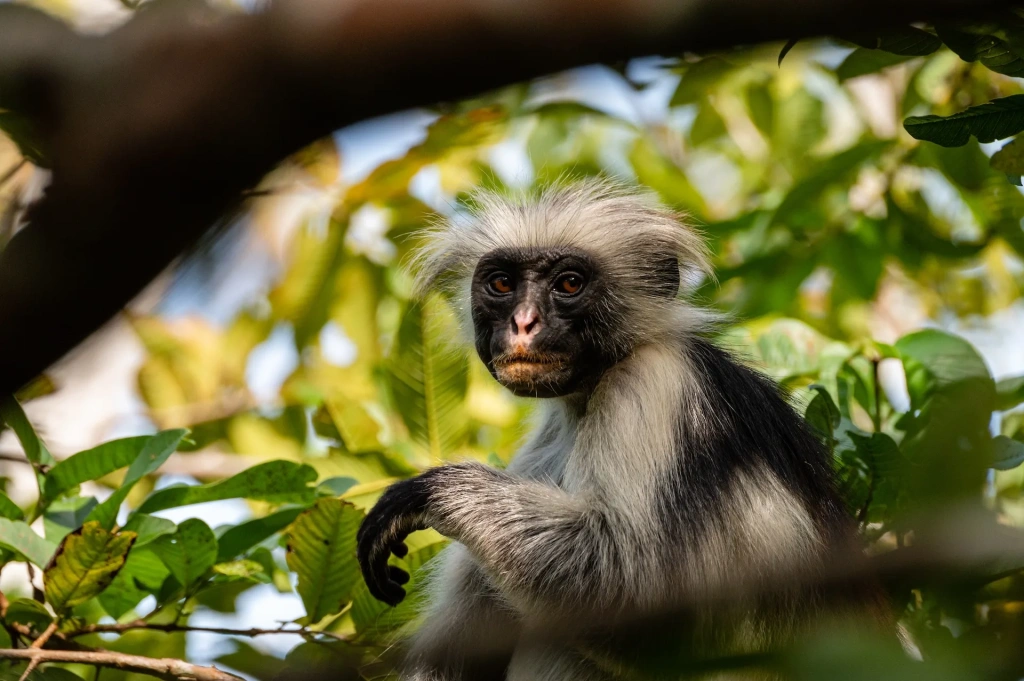
The park is also home to tree hyraxes and bushbabies, but these are nocturnal animals, and you’re unlikely to see them on a daytime tour. Nearby, however, there’s a Butterfly Center, where you can see and photograph several dozen butterflies, along with galagos, lizards, and other small inhabitants of Zanzibar’s forests.
Taste local delicacies
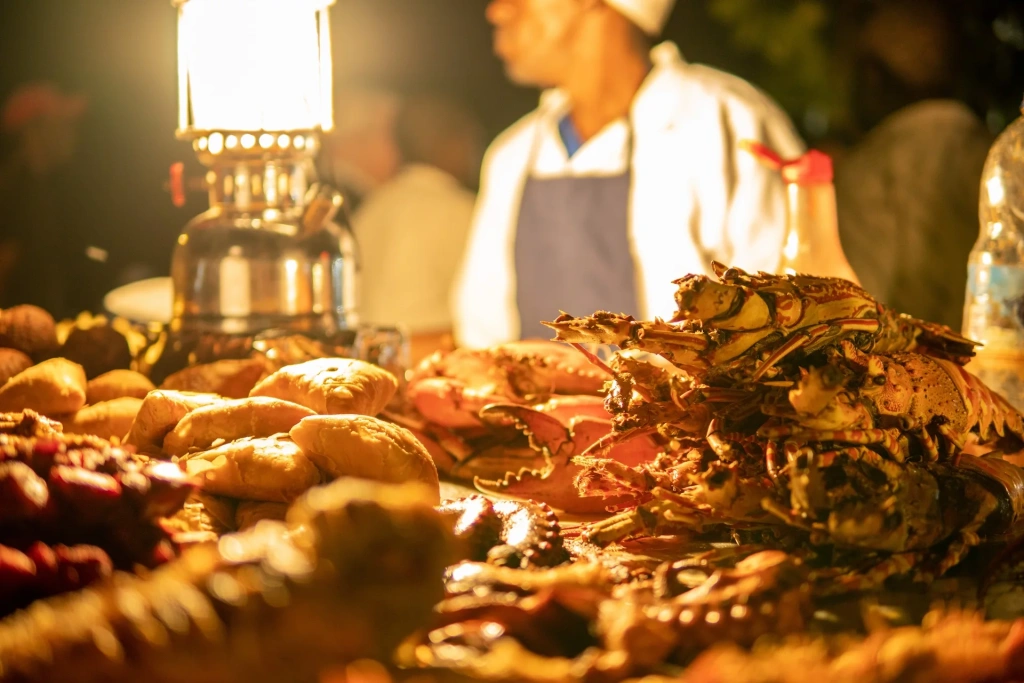
Zanzibar food is fairly simple, much like the rest of Tanzania, but the island puts a much bigger spotlight on seafood. Popular street foods include Zanzibar pizza (fried flatbread stuffed with different toppings), spicy urojo soup, mishkaki skewers, and, of course, samosas. People usually pair it with freshly pressed sugarcane juice or coconut water.
For street food, head to Forodhani Gardens in Stone Town. Every evening, vendors set up tables piled with fried seafood at the Forodhani night market. During the day, you can also see local boys sprint up and jump into the water, holding signs as they perform for visitors.
Go on a classic safari
A classic safari means open savanna and big wildlife like lions, elephants, and giraffes. You won’t find that on Zanzibar, but you will on the mainland, just about an hour away. If you take the ferry and then continue by car, you can reach the closest national park, Mikumi. If you fly, you can get to Tanzania’s best-known safari destinations, including Serengeti National Park and the Ngorongoro Crater.
Now let’s look at what you might want to avoid on Zanzibar.
Do not visit petting zoos
On Zanzibar, the projects that genuinely focus on conservation usually run under government oversight. Many of the other “rescue” experiences you’ll see advertised operate as private businesses that use animal welfare language to sell tickets. That includes well-known facilities like Cheetah’s Rock and the sea turtle pools that charge for swims and close-up interactions. A simple rule of thumb helps: if it looks and feels like a petting zoo, treat it like one.
A list of well-known places in Zanzibar that exploit animals:
- Cheetah’s Rock zoo
- Baraka Natural Aquarium sea turtle petting pool
- Mnarani Marine Turtles Conservation Pond petting pool
- Salaam Cave Aquarium Zanzibar petting pool
Why you shouldn’t visit such zoos
- Their management misleads visitors by claiming staff care for the animals and sometimes release them into the wild. In reality, they keep animals to profit from them ($55–160 per person per visit).
- Animals are often kept in bad conditions: land animals in small cages, and marine animals in dirty, foul-smelling water.
- All animals in these petting zoos live under constant stress because people touch and stroke them. Sea turtles often bite people due to discomfort.
- Sea turtles are overfed seaweed by visitors. This is used to lure a turtle closer for photos.
- Green turtles can live on plant-based food, but hawksbills also need sponges in their diet. All turtles in petting pools are fed an inadequate diet with insufficient nutrients. Improper nutrition leads to rickets and organ degeneration.
- Sick animals at these zoos are not treated.
On Changuu Island, there is an Aldabra giant tortoise sanctuary, where tortoises are bred to increase the population. Visitors can enter the animals’ area and feed them. This project is run under the supervision of Zanzibar’s authorities, but the conditions still leave much to be desired. The area is very small; there isn’t much greenery, hatchlings are kept in cramped cages, and there is physical contact between visitors and the animals.
While swimming and snorkeling, it can be tempting to take sea stars and other creatures out of the water when you find them. You may want to get a closer look in the light and even take a photo. Taking marine animals into the air is harmful: sea stars stop getting oxygen immediately and begin to suffocate, and all animals experience severe stress that can lead to illness or even death.
Photograph marine life in its beautiful, natural habitat.
Be cautious with unsafe activities
Any active adventure, especially on the water, calls for extra attention, and even more so if you’re traveling with children. On Zanzibar, many operators treat safety too casually. A few reputable tour companies and professional dive schools stand out, but you should not assume every excursion runs to the same standard.
If you’re traveling as a family and plan to do water activities, get travel insurance that specifically covers sports and excursions. Standard entry insurance for Zanzibar often excludes accidents linked to these activities, so you may need extra coverage or an upgraded plan.
All content on Altezza Travel is created with expert insights and thorough research, in line with our Editorial Policy.

Want to know more about Tanzania adventures?
Get in touch with our team! We've explored all the top destinations across Tanzania. Our Kilimanjaro-based adventure consultants are ready to share tips and help you plan your unforgettable journey.