





 52 reasons
  Free PDF


 Message us on WhatsApp
  Book a Free Call

 About Tanzania
 Africa is so vast that the United States, China, and India combined could easily fit within its borders. As the second-largest continent in the world, it offers everything from expansive deserts and exotic islands to vast national parks home to hundreds of species of wild animals and birds. In this new Altezza Travel article, we’ve gathered the top 10 tourist attractions in Africa – plus three hidden gems you’re unlikely to find in typical guidebooks.
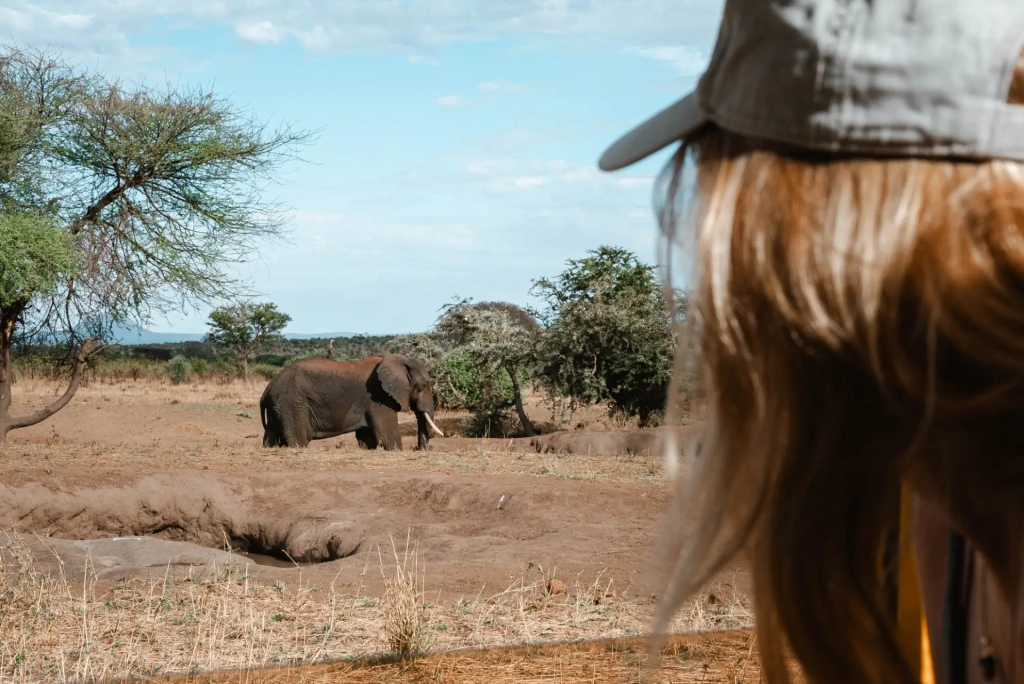
Best places to visit in North Africa
North Africa is home to many monuments of ancient civilizations – from the monumental tombs of Egypt to the cozy blue streets of Chefchaouen in Morocco and the ruins of Carthage in Tunisia. Let’s take a closer look at the key locations from the top 10 attractions in Africa in this region.
Giza Pyramids, Egypt
On a plateau west of the Nile, near Cairo, rise the pyramids of Giza, one of the few surviving wonders of the ancient world. These structures were built during the Fourth Dynasty, between 2575 and 2465 BCE, for the pharaohs Khufu, Khafre, and Menkaure.
The northernmost and largest pyramid is Khufu's, also known as the Great Pyramid. Each side of its base measures about 230 meters (755 ft), and its original height was 147 meters (482 ft).
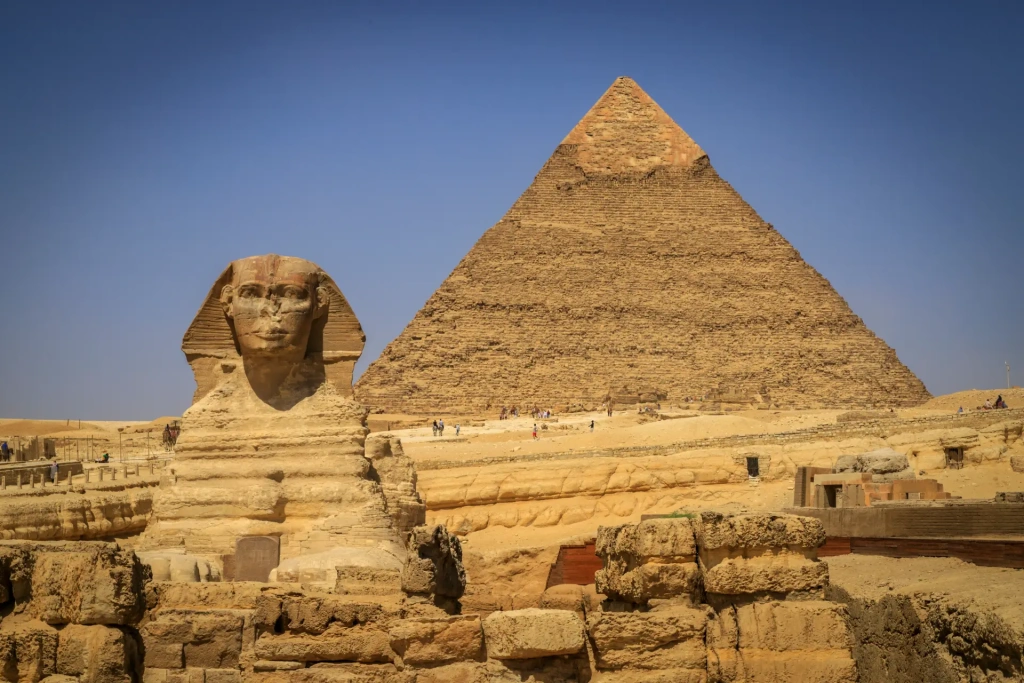
The best time to visit the complex is at sunrise – around 7–8 a.m., or even earlier. Tourist transfers usually begin arriving at that time, so the earlier you get there, the better your chances of avoiding crowds. By midday, the heat can be scorching, often reaching 40 °C (104 °F).
The optimal season for visiting is from October to April, when the weather is more comfortable for walking. Electric shuttle buses operate within the complex for convenience. Exploring all the attractions may take more than half a day, so wear comfortable shoes and bring water and sunscreen.
In the evening, consider attending the Sound & Light Show – a multimedia performance held since 1961. The pyramids and the Sphinx are illuminated by lasers and spotlights, with dynamic projections, music, and narration that tell the story of ancient Egypt. The show runs daily from October to April; it typically starts at 6:30 p.m., and in summer, around 7:30 p.m. Exact times should be checked in advance. Sessions are usually available in multiple languages via headphones.
The Giza pyramid complex has been a UNESCO World Heritage Site since 1979.
Chefchaouen, Morocco
In northern Morocco, in the Rif Mountains, lies the small yet remarkable town of Chefchaouen, with a population of around 46,000. It is known worldwide as the “Blue Pearl,” thanks to its houses painted in various shades of blue.
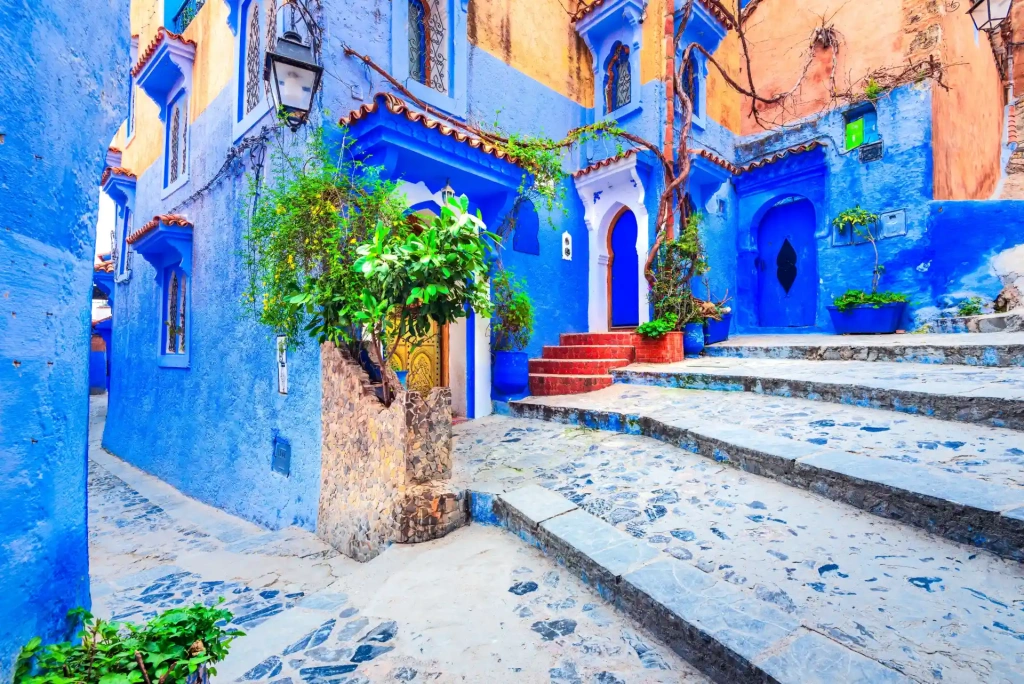
The city was founded in 1471 as a fortress to defend against Portuguese invasions and soon became a refuge for Muslim and Jewish refugees from Andalusia. According to one version, the blue color of the buildings is a legacy of Jewish settlers, for whom it symbolized the sky and divine power. Another theory suggests the color helps repel mosquitoes and keeps homes cool in the heat.
For panoramic views of the town and surrounding mountains, hike up to the Spanish Mosque (Bouzafer Mosque) – the walk takes about 30–45 minutes. In the main square, Uta el-Hammam, be sure to visit the 15th-century kasbah (fortress), which houses a small ethnographic museum and , with scenic views from its tower. For a more relaxed experience, visit the cafés along the Ras el-Maa River, where traditional mint tea is served. The best time to visit Chefchaouen is from March to May or from September to November.
Carthage, Tunisia
One of the most famous archaeological sites in North Africa, the ruins of ancient Carthage lie in northeastern Tunisia, about 15 km (9 miles) from the capital’s center. Across a large area, remnants of past civilizations are scattered throughout the landscape.
Founded by the Phoenicians in the 9th century BCE, Carthage became a major trading and maritime hub of the Mediterranean until it was destroyed by the Roman army in 146 BCE. According to National Geographic, it was home to a very wealthy population – its harbor included more than 200 berths.
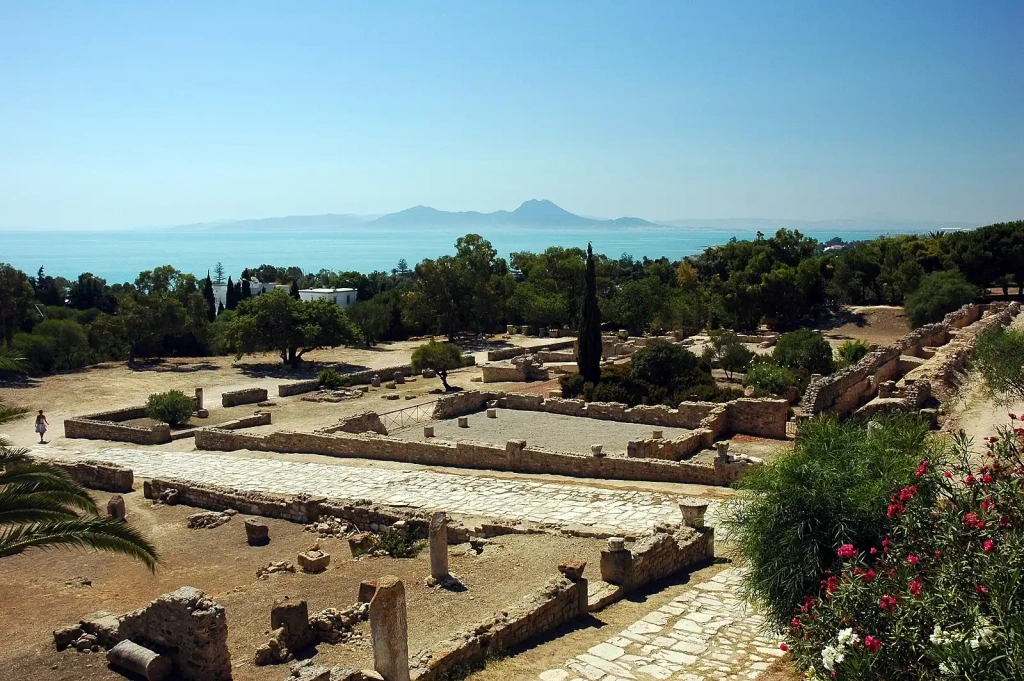
The archaeological area is essentially an open-air museum comprising multiple sites – the s, Byrsa Hill, the ports, and other landmarks. Visitors move between them on foot, by taxi, or as part of guided tours. Exploring the main sites typically takes several hours.
Nearby is the coastal town of Sidi Bou Said, located just 20 km (12 miles) from the capital and well worth a visit. Its narrow pedestrian streets, whitewashed buildings with blue shutters, and stunning views over the Gulf of Tunis make it an excellent example of a well-preserved Mediterranean settlement – perfect for ending a trip to Carthage.
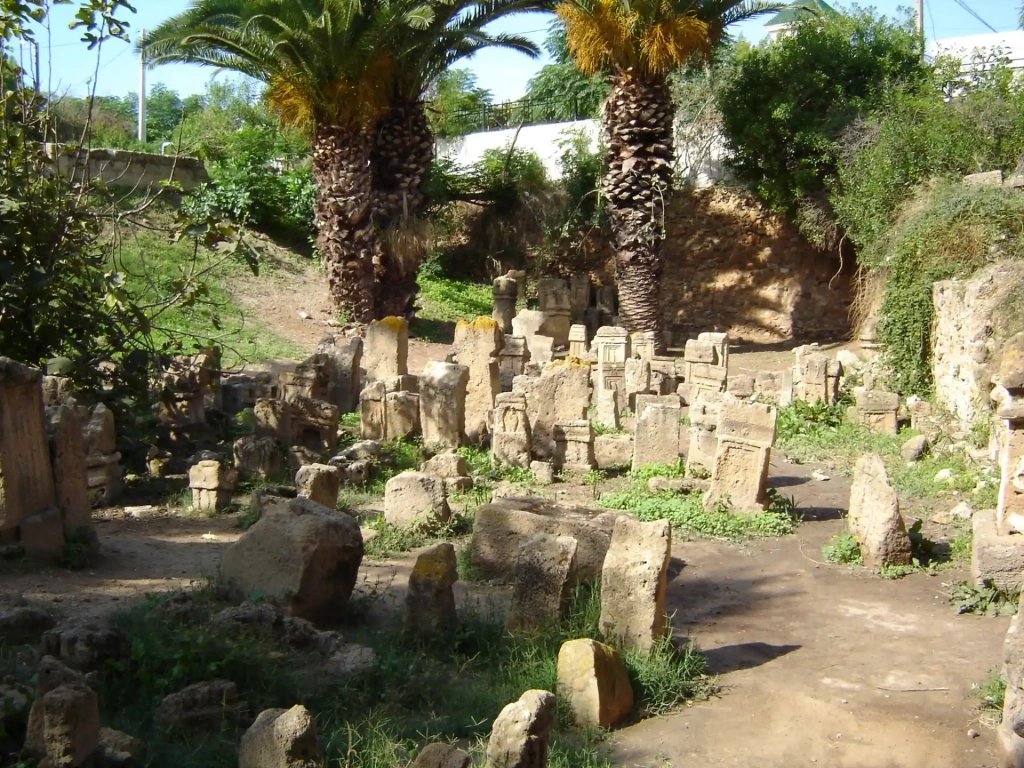
The best time to visit Tunisia is in March–May or from late September to November, when average daytime temperatures range from 18–25 °C (64–77 °F) and the heat is not overwhelming. In summer, temperatures can exceed 35 °C (95 °F), and there is very little shade at the excavation sites. From December to February, there are fewer visitors, but rain and strong sea winds are possible. Plan at least half a day for a proper visit to Carthage – or a full day if you prefer a more relaxed pace.
Best places to visit in Southern Africa
The most famous among the top 10 tourist attractions in Africa, or more precisely in its southern part, are the grand Victoria Falls on the Zambezi River, one of the largest in the world; Table Mountain in Cape Town with its unusually flat summit; and Kruger National Park in South Africa – a vast reserve where, on safari, you can see lions, elephants, giraffes, and many other wild, exotic animals.
Victoria Falls, Zimbabwe/Zambia
A massive curtain of water forms on the Zambezi River, where the borders of Zambia and Zimbabwe meet. This is one of the most spectacular natural landscapes in the world – a nearly 2 km (1.2 miles) wide wall of water plunges into a narrow gorge, creating a constant roar and dense clouds of spray.
The waterfall lies at an elevation of about 915 meters (3,000 ft) above sea level. Its width reaches 1,708 meters (5,604 ft), and the water drops from heights of up to 108 meters (354 ft). Today, it is a UNESCO World Heritage Site.
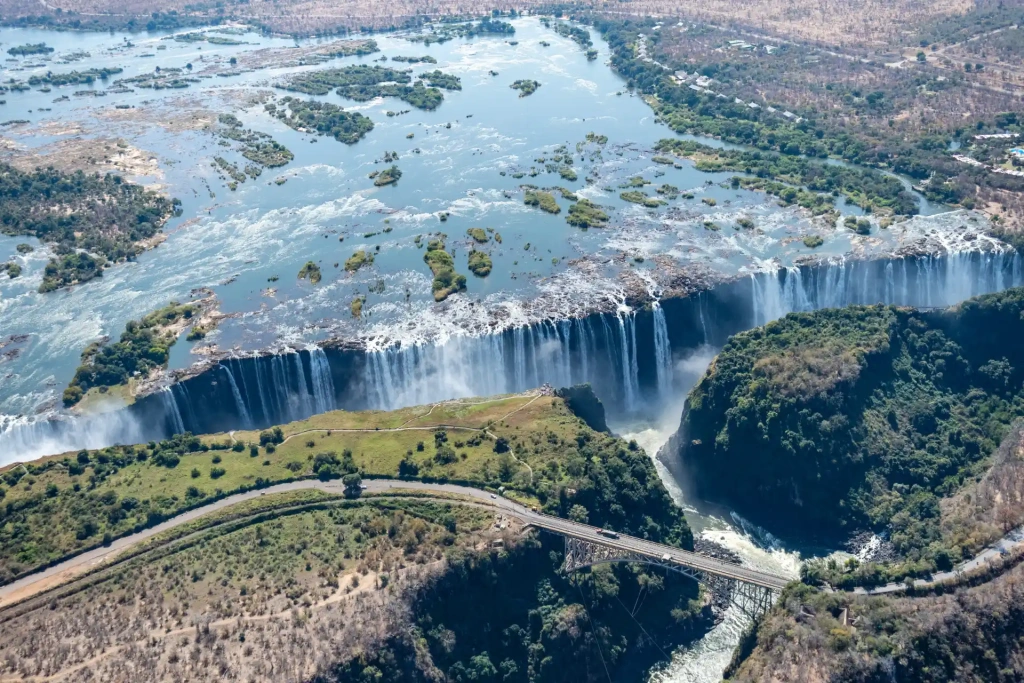
According to Encyclopaedia Britannica, Victoria Falls is roughly twice the size of Niagara Falls and carries an average flow of nearly 1,000 cubic meters of water per second. At the base, the water collects in a deep natural basin, where during floods it churns and swirls into powerful whirlpools.
“The British explorer David Livingstone was the first European to see the falls (November 16, 1855). He named them for Queen Victoria of the United Kingdom. In addition to the falls themselves, which now attract tourists from all parts of the world, the surrounding Victoria Falls National Park (Zimbabwe) and Mosi-oa-Tunya National Park (Zambia) abound with large and small game and offer recreational facilities.”
The appearance of the falls varies greatly by season. During the rainy season, the flow reaches peak intensity, and a dense mist rises above the gorge, sometimes obscuring the waterfall itself. In the dry season, the water volume decreases, revealing the rocky walls usually hidden behind the water curtain.
The nearest hub for travelers is the town of Victoria Falls, from which it is easy to access viewpoints and excursions. Typically, one to two days is enough to explore the falls and the surrounding area, though even a short visit leaves a lasting impression.
Table Mountain, South Africa
Table Mountain rises above Cape Town and has long been its most recognizable natural landmark. Its iconic silhouette is defined by a nearly perfectly flat summit at an elevation of about 1,085 meters (3,560 ft) above sea level. The plateau stretches for nearly 3 km (1.9 miles), with steep cliffs and a striking presence against the surrounding landscape.
The mountain is composed mainly of sandstone and is known for its rich biodiversity, including many endemic species found nowhere else in the world.
The surrounding area is part of Table Mountain National Park, established in 1998 to protect the unique ecosystem of the Cape Peninsula, especially its rare vegetation.
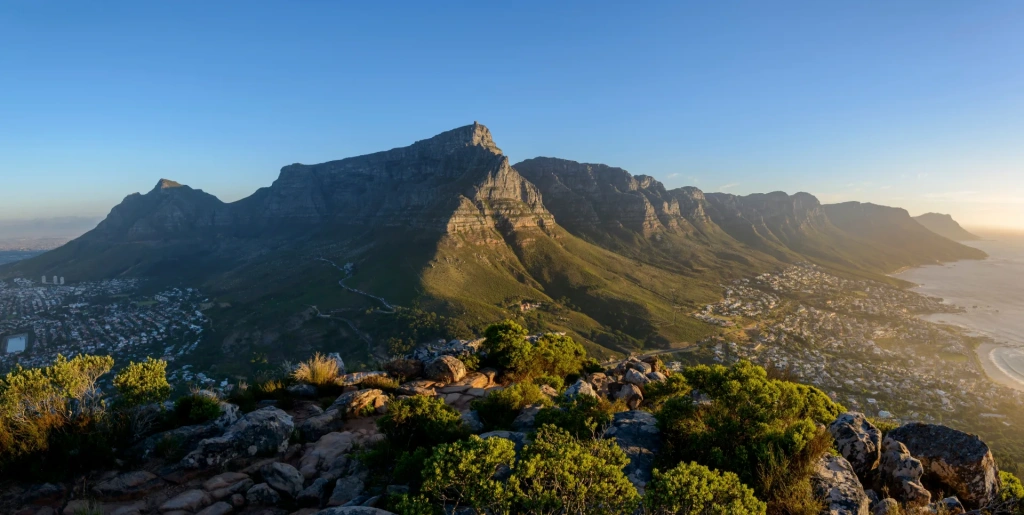
The easiest and most popular way to reach the summit is by cable car, which has been operating since the mid-20th century. At the top, there are walking trails and viewing platforms offering panoramic views of Cape Town, the Atlantic Ocean, and the surrounding mountain ranges.
Kruger National Park, South Africa
Kruger National Park is one of the oldest and most famous protected areas in southern Africa. Although conservation efforts were officially established in 1926, they began in the late 19th century, when hunting had drastically reduced wildlife populations.
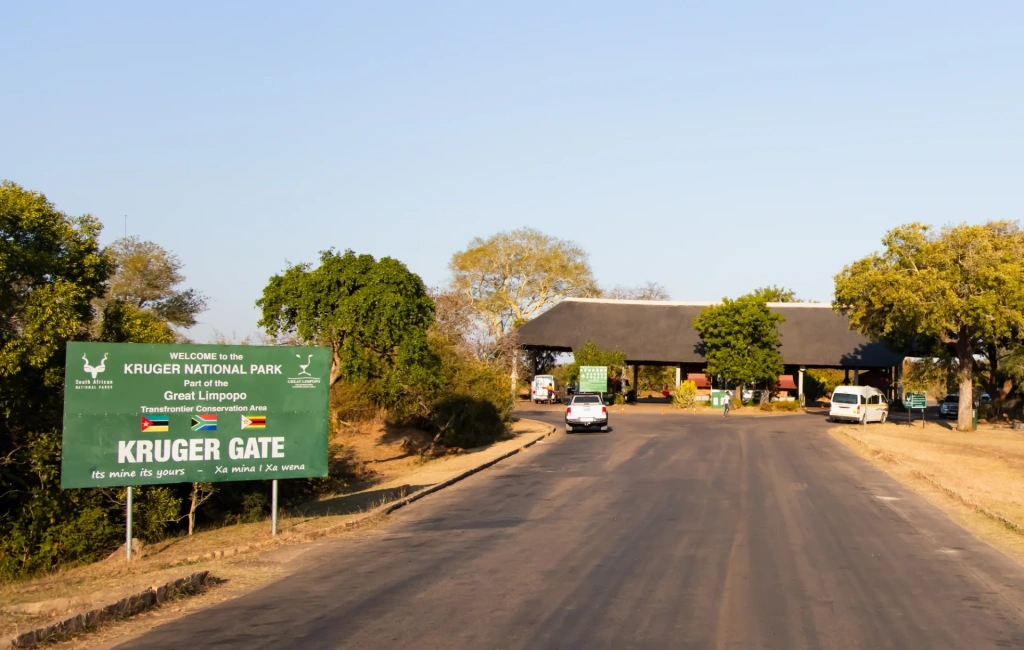
Today, the park encompasses several ecosystems. Major rivers, including the Limpopo, flow through it – attracting elephants, lions, leopards, rhinos, buffalo, and hundreds of other animal species, as well as more than 500 species of birds. In terms of biodiversity, Kruger is considered one of the richest parks in Africa and can rival even the legendary Serengeti in Tanzania.
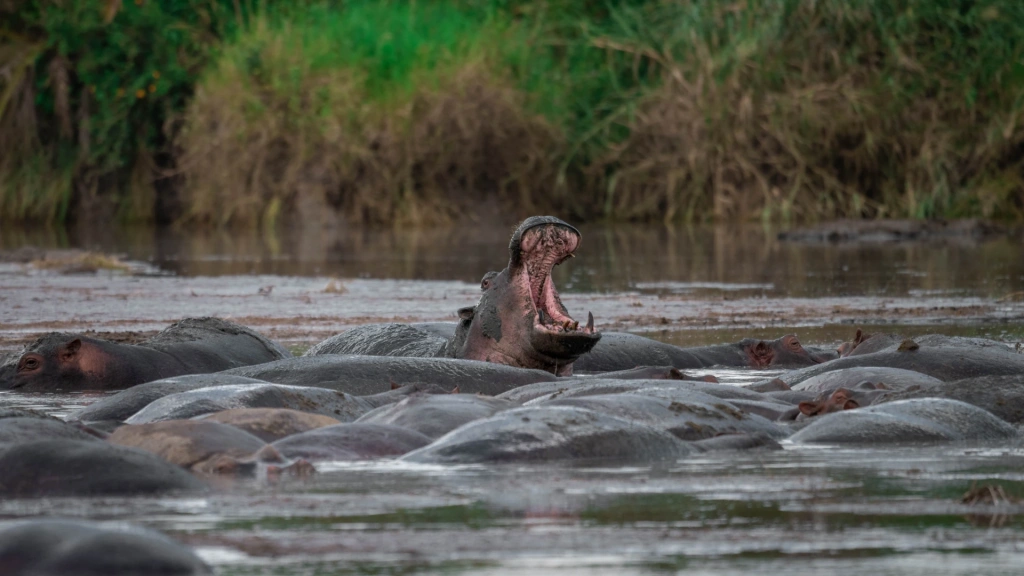
The park’s tourist infrastructure is designed to minimize human impact on nature while still providing a comfortable experience. There are more than a dozen main camps with shops and fuel stations. Visitors may travel only on designated roads and can leave their vehicles only in specially designated areas strictly monitored by rangers.
Best places to visit in West Africa
Imagine an ancient city built of clay, brought back to life each year by the efforts of its local residents. Nearby, off the coast of Senegal, lies the tiny island of Gorée Island. Here, elegant former slave traders’ mansions stand alongside the House of Slaves – a site that was one of the main hubs of the transatlantic slave trade from the 17th to the 19th centuries. All of these places are among Africa’s top 10 attractions, and all are located in the western part of the continent.
Old Town of Djenné, Mali
The town of Djenné is located in southern Mali, and during the rainy season, river flooding can sometimes turn it into an island. It is best known worldwide for the Great Mosque – the city’s main symbol and one of the most remarkable structures in all of West Africa.
The building as we see it today was constructed in 1907 on the site of an older mosque. It is a classic example of Sudano-Sahelian architecture. Built from sun-dried mud bricks, it is now listed together with the old town as a UNESCO World Heritage Site.
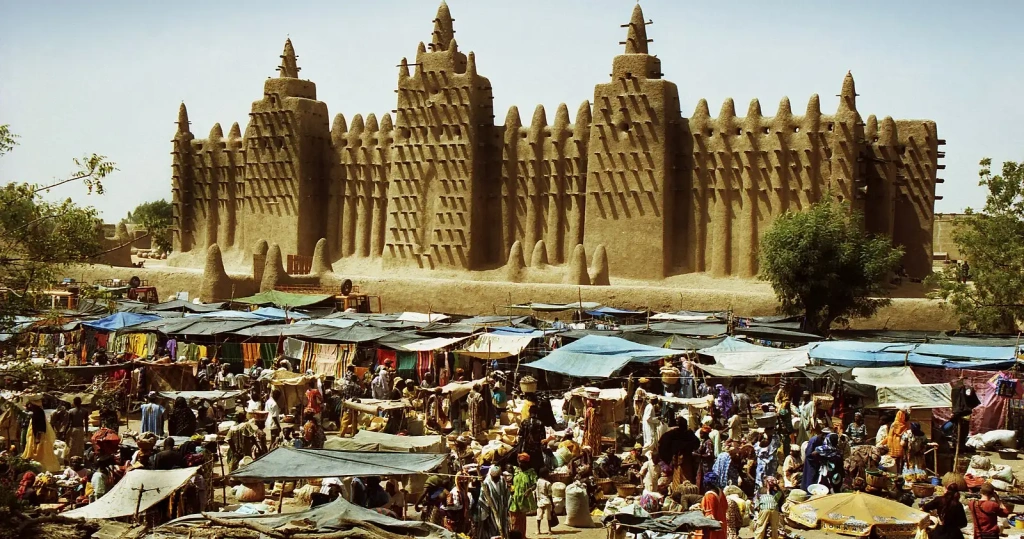
What makes the Great Mosque especially unique is that it requires regular restoration. After each rainy season, the clay walls need repairs, and every year, local residents take part in the process. This collective effort to restore the city’s main symbol has long since become an important tradition and an integral part of Djenné’s cultural life.
As for the history of Djenné itself, it is closely intertwined with that of . From the 15th to the 17th century, the city was a key stop on the trans-Saharan trade routes linking North and Sub-Saharan Africa. Caravans carrying salt, gold, and other valuable goods passed through here. During the same period, Djenné also became an important center of Islamic scholarship and religious thought. The city’s architecture, built almost entirely from mud, has uniquely preserved the atmosphere of an ancient cultural and religious center of the region.
“Djenné is best visited as part of an excursion from Bamako, Mali's capital, or from Timbuktu. Its main attraction is the Great Mosque, which can be admired from the outside, while entry is permitted only to Muslims. It is also well worth strolling through the historic center, where you can see traditional mud-brick houses and browse local markets selling handicrafts. The best time to visit is during the dry season, from November to April. Please note that infrastructure is limited, so it is advisable to arrange transport and accommodation in advance.”
Gorée Island, Senegal
Gorée Island lies just off the coast of Dakar, the capital of Senegal, only a short distance from the mainland. It is a unique and deeply atmospheric place with a difficult history: for several centuries, enslaved people from West Africa were transported from this island’s harbor to the Americas and Europe.
Today, the island is a UNESCO World Heritage Site, and many 17th–18th century buildings – homes, warehouses, and defensive structures – have survived to this day.
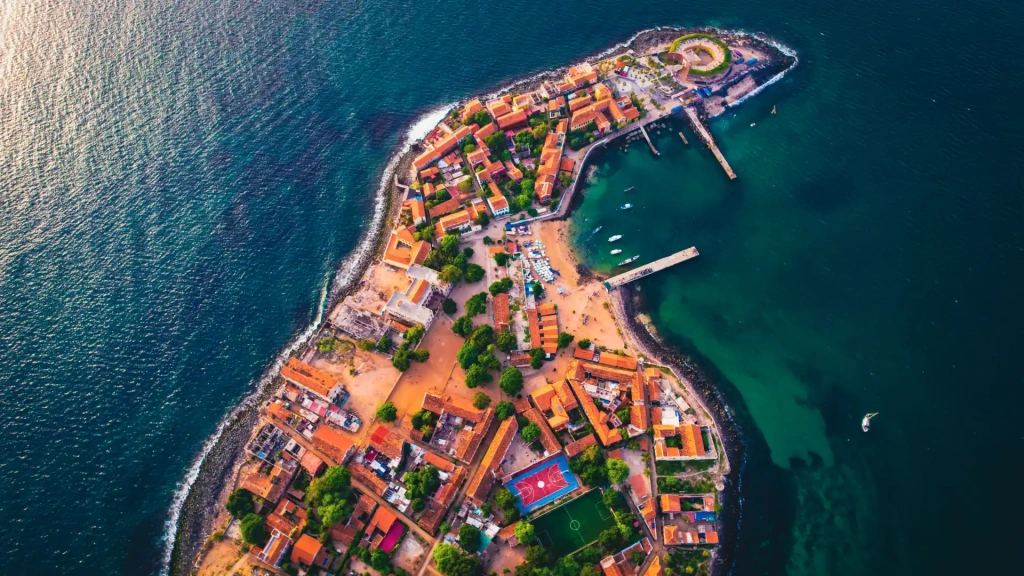
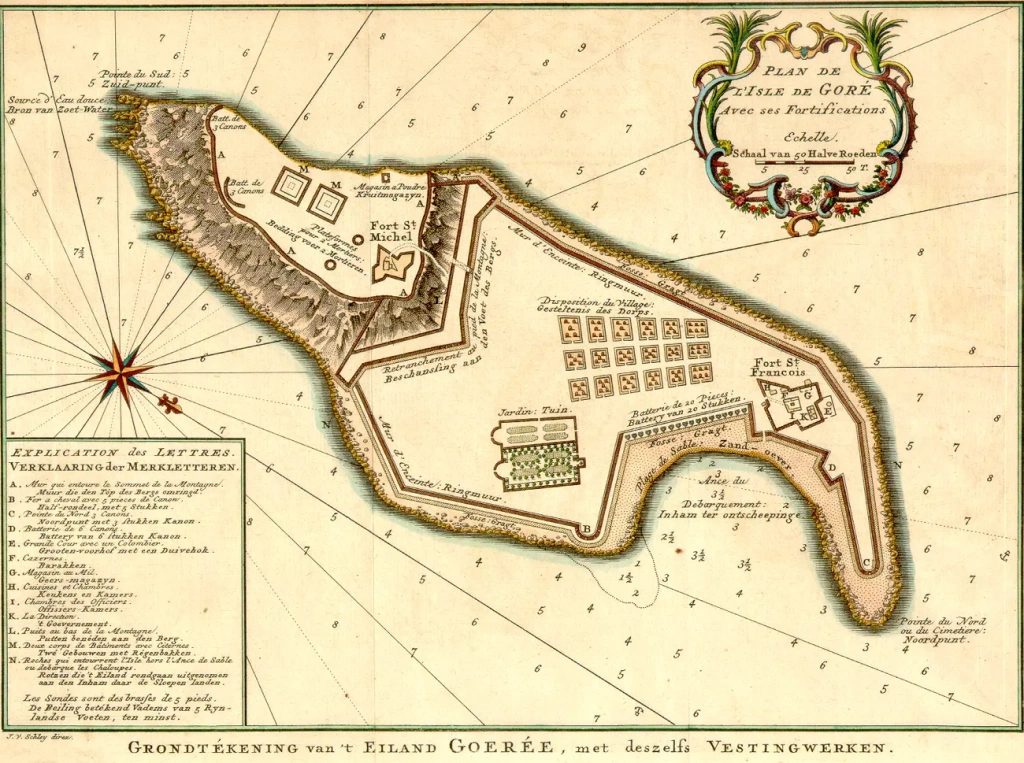
From the 15th to the 19th century, Gorée was controlled at various times by the Portuguese, Dutch, British, and French, and was one of the largest centers of the slave trade on the African coast. The island’s architecture still bears the marks of its past – stark contrasts remain between the cramped, dark holding cells where enslaved people were confined and the mansions of European merchants.
The island’s main memorial is the House of Slaves – a building used as a temporary holding site for captured Africans before they were loaded onto ships. It was built around 1776. Conditions were extremely harsh: prisoners were kept in dark, airless cells, often shackled to the floor, and many did not survive the ordeal.
Today, the House of Slaves operates as a museum, where visitors can examine historical documents, view exhibits, and study the architecture to better understand how this former system of human trafficking functioned.
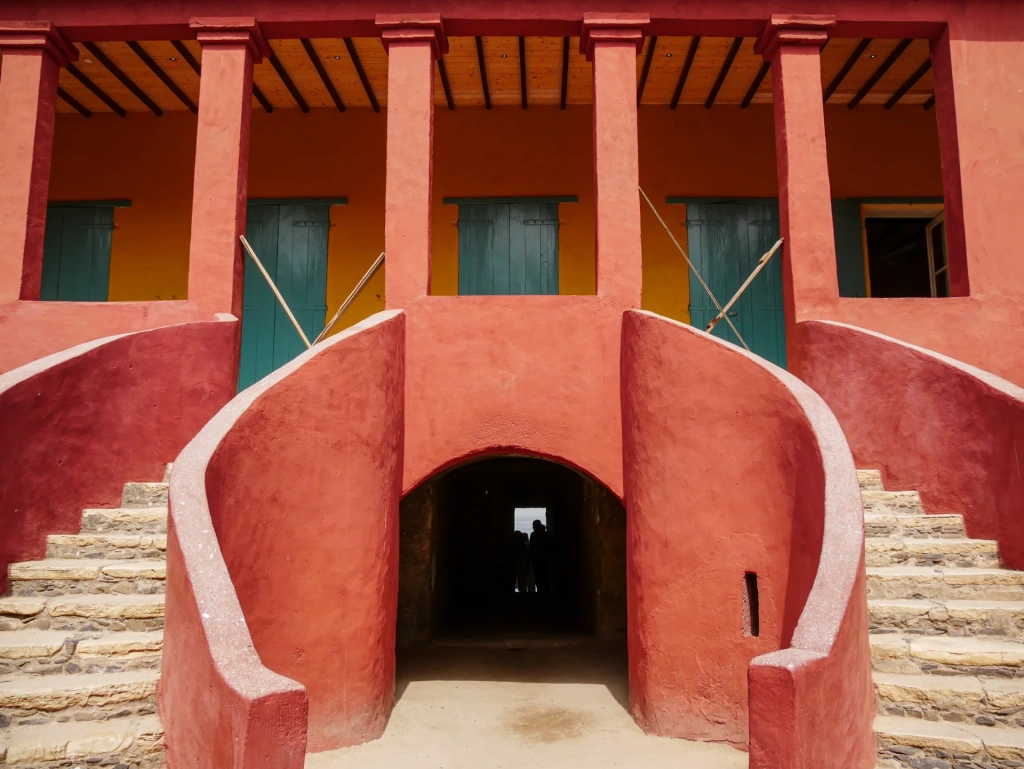
The island itself is small – about 900 meters (2,950 ft) long and 350 meters (1,150 ft) wide. It can easily be explored on foot in a few hours. During that time, visitors can see the main memorials, museums, and viewpoints overlooking the Atlantic Ocean. It makes an excellent day trip, with regular boats running between Dakar and the island.
Best places to visit in East Africa
This is a region of extraordinary natural wealth, home to endless savannas, tropical forests, salt lakes, and even the highest mountain on the continent – Kilimanjaro. In its national parks, which stretch across thousands of square miles, you can encounter lions, zebras, giraffes, hippos, and many other iconic African animals.
And if you need a break from safari, just off mainland Tanzania lies the Zanzibar archipelago, with its white sandy beaches and warm waters of the Indian Ocean.
Serengeti National Park, Tanzania
The park forms part of the ecosystem of the same name and is rightfully considered the most famous wildlife reserve in Africa. It is also Tanzania’s oldest national park, established in 1951. Its greatest value lies in its unique environment, and the large number of endemic plant and animal species found only here.
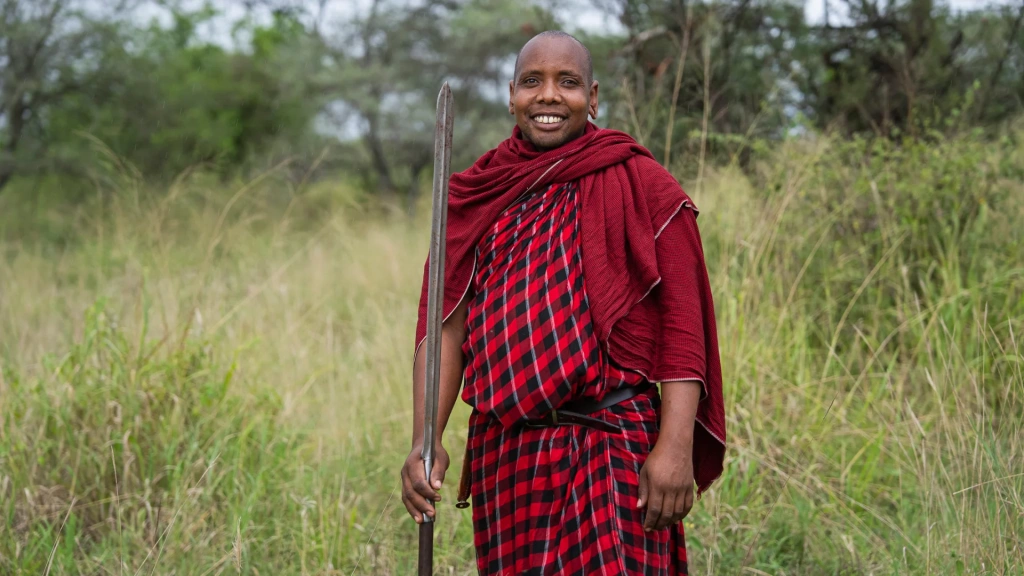
Before the arrival of European colonizers, these lands were inhabited by the Maasai, one of the largest ethnic groups in East Africa. They lived a nomadic lifestyle and were primarily cattle herders. The surrounding lands were called “siringet”, which in Maasai means “endless plains.”
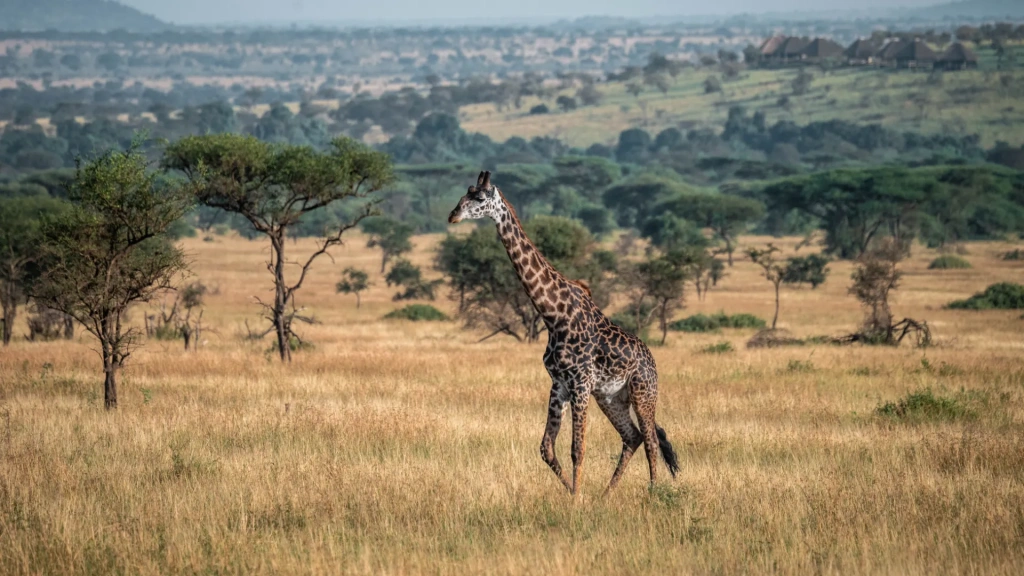
The Serengeti stretches across an immense area – essentially thousands of square kilometers (square miles) of truly wild, almost untouched nature. Of course, the park is carefully monitored, with key populations tracked and specially trained rangers patrolling the area.
Yet all animals remain in their natural habitat – they are not forced into contact with humans, though many have become accustomed to people and no longer fear approaching the roads or safari vehicles. It is also in the Serengeti that you have the highest chances of seeing the Big Five.
“The Big Five refers to five species of large mammals that, during the era of hunting safaris, were considered the most dangerous to humans. The term originated in colonial times, but today it refers to the animals that truly symbolize the wild nature of Africa. All members of the Big Five live in the Serengeti: lions, elephants, buffalo, leopards, and rhinos.”
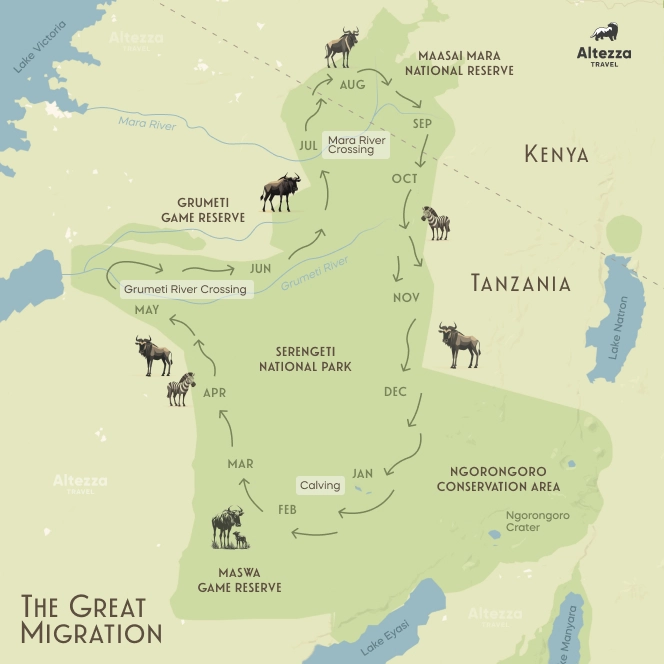
But the Serengeti’s greatest natural wonder, and its most iconic symbol, is the Great Wildebeest Migration.
Every year, more than a million hoofed animals, including zebras and gazelles, gather into vast herds and begin their journey in search of water and fresh grazing. Their route forms a giant circular movement linking the ecosystems of Tanzania and Kenya, with most of the journey taking place within the Serengeti.
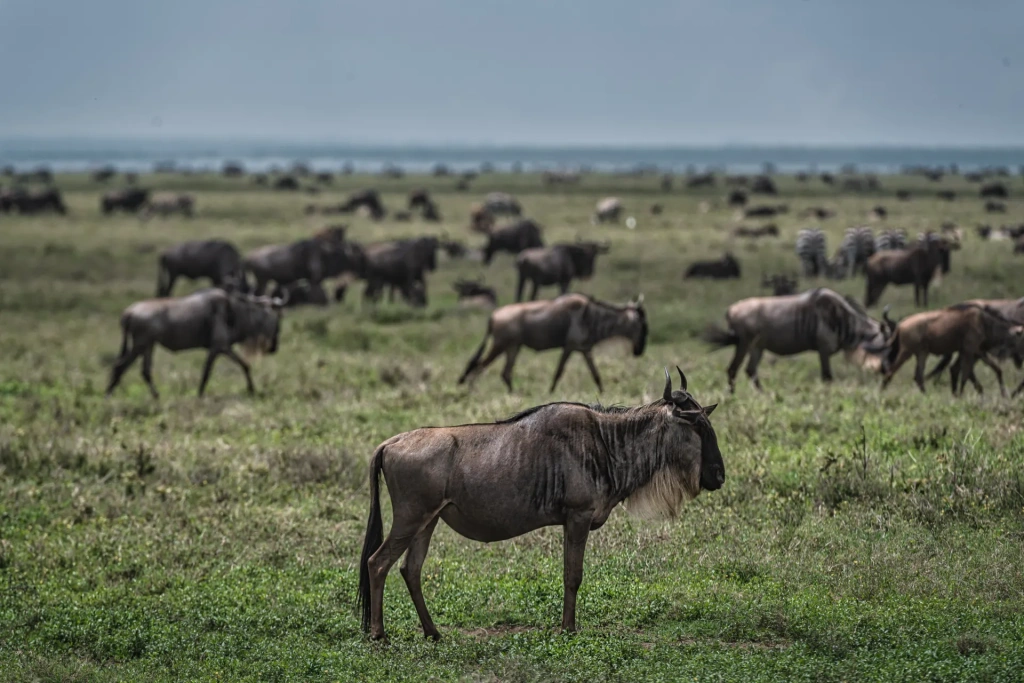
The migration is full of danger – crocodiles lie in wait at river crossings, while lions, leopards, and cheetahs follow the herds across the plains, preying on the weakest and those that fall behind.
From November to January, the herds move from Kenya’s Maasai Mara National Reserve into the Serengeti and head toward the Ngorongoro area.
In February and March, the animals concentrate in the southern part of the park, where the calving season begins. They then gradually move west toward the Grumeti River.
With the arrival of the rains in April and May, the herds pass through the central Serengeti, continuing along the Mbalageti and Grumeti rivers. Then in summer, as the dry season sets in, the herds turn north again and move toward the Kenyan border, usually reaching it by late September.
In October, some of the animals cross into the Maasai Mara National Reserve in search of water and fresh pasture.
Mount Kilimanjaro, Tanzania
Mount Kilimanjaro is the highest mountain in Africa, with its highest point, Uhuru Peak, reaching 5,895 meters (19,341 ft) above sea level. Its slopes clearly show a progression of climate zones. As you climb Kilimanjaro, the landscapes, vegetation, weather, and wildlife all change dramatically.
Because of this, the climb is often compared to a journey from the equatorial tropics to the Arctic – the weather conditions, surrounding scenery, and even your physical sensations are completely different in each zone.
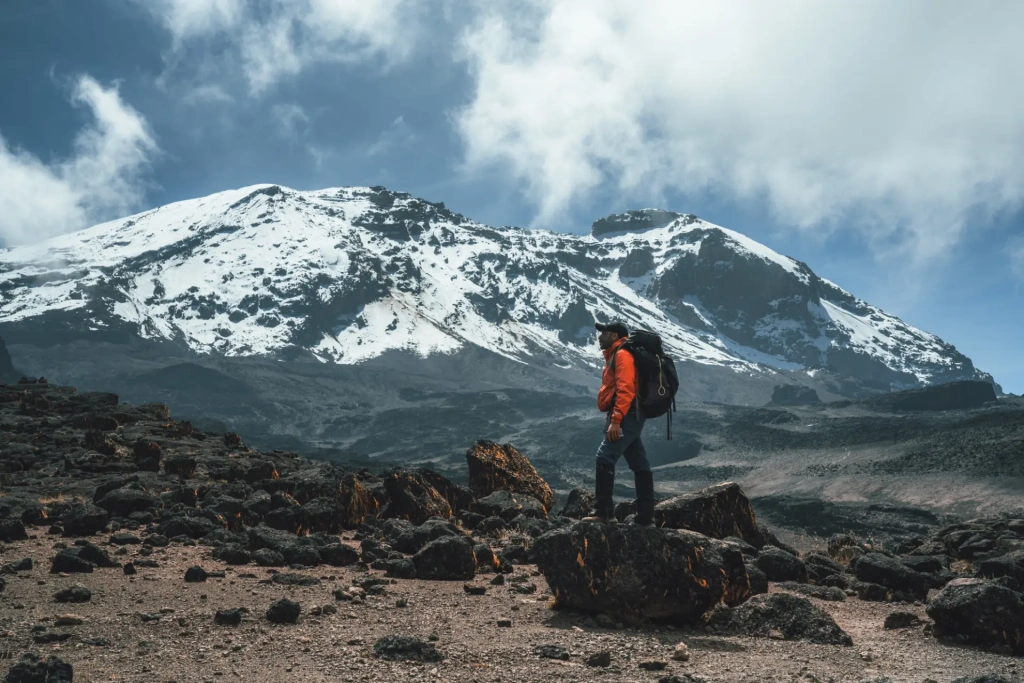
The duration of the ascent depends on the route chosen. Most itineraries are designed for 5–8 days, but we strongly recommend choosing longer routes of 7–8 days, especially for beginners. This is the optimal pace for acclimatization and significantly reduces the risk of altitude sickness.
During the trek, you will be provided with tents, sleeping mats, tables, chairs, meals, and other essential comforts. Medical kits and oxygen cylinders are always carried by the guides.
You can either bring your own hiking clothing and footwear or rent them on site. Altezza Travel has large gear warehouses in Moshi stocked with high-quality original equipment from leading global brands – an excellent option if this is your first mountain climb and you are not yet sure whether it is worth investing in expensive hiking gear for future use.
By the second or third day of the ascent, temperatures can already drop below freezing, so proper equipment is extremely important.
“Climbing Kilimanjaro does not require special skills or previous technical training. However, the mountain should never be underestimated. At 5,895 meters (19,341 ft), Kilimanjaro is high enough that severe altitude sickness can develop easily without gradual and proper acclimatization. For this reason, we at Altezza Travel strongly recommend avoiding itineraries shorter than 7 days.”
Expeditions to the summit of Kilimanjaro take place year-round, regardless of season. If you want relatively dry weather, the best periods are late December to early March and mid-June to late October.
However, keep in mind that these are also the busiest periods on the most popular routes, especially during the New Year holidays. If you plan to travel during these times, it is best to book well in advance.
If you are planning – or even just dreaming of – conquering the highest mountain in Africa, be sure to download and carefully read our guide in advance. At Altezza Travel, we have gathered all the most important and useful information you may need while preparing for your trip in one document.


Zanzibar, Tanzania
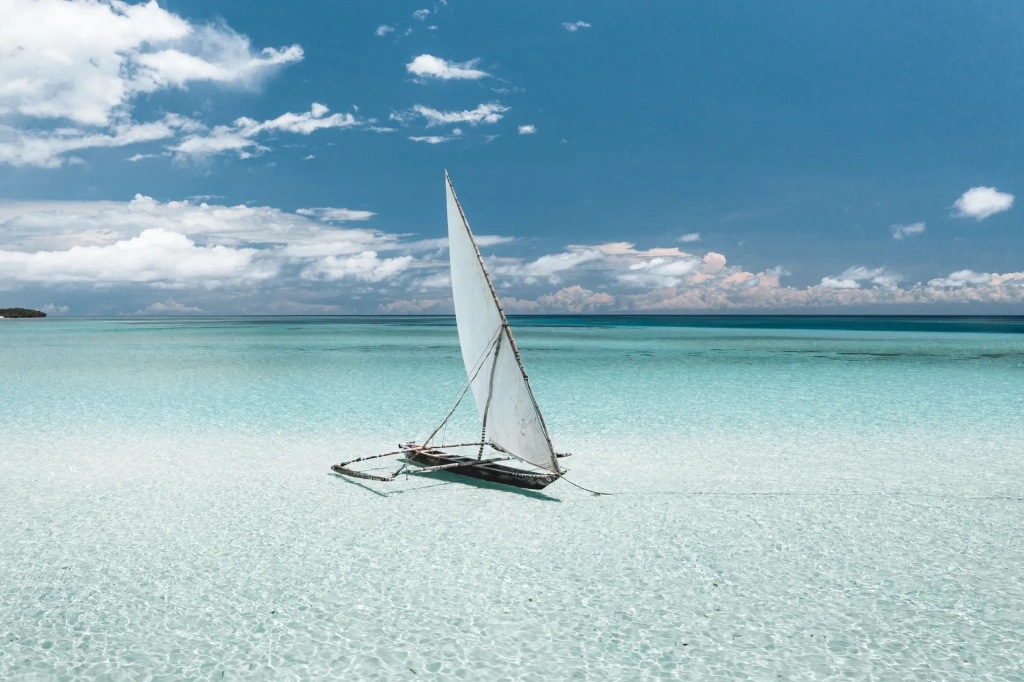
Zanzibar lies just 35 km (22 miles) off the coast of mainland Tanzania. It consists of several islands with white sandy beaches and the warm waters of the Indian Ocean.
The best beaches in Zanzibar are found on the north and east coasts of the main island, while must-visit places include Stone Town and the famous spice plantations.
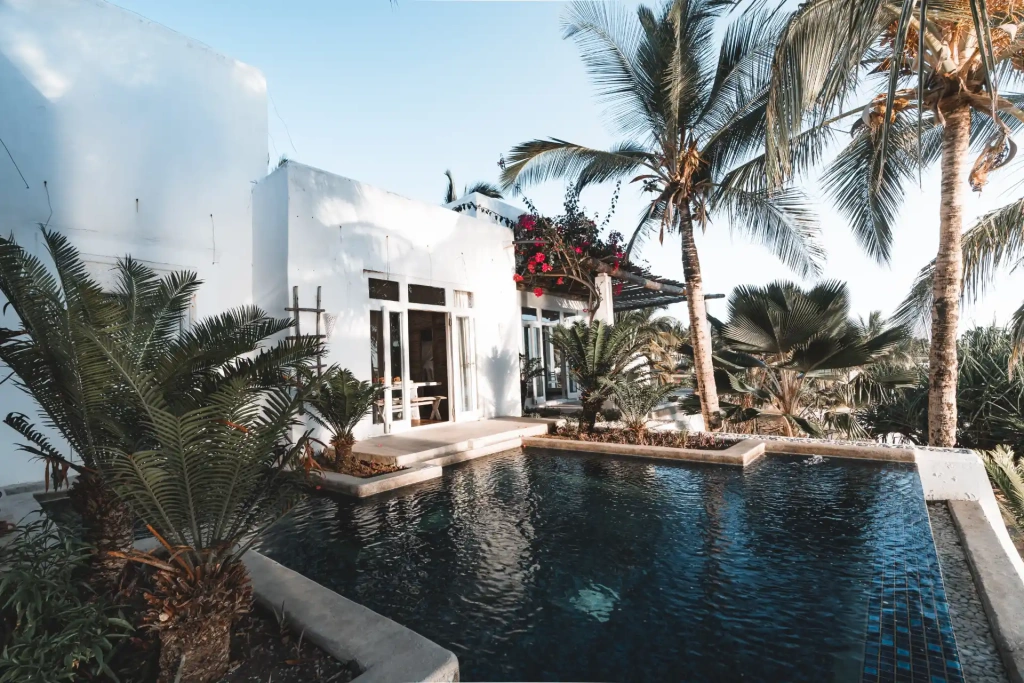
There are many luxury resorts with private beaches, ideal for snorkeling and diving. You will also find fascinating sites that reflect the local cultural heritage, impressive colonial-era architecture, and spectacular sunsets best enjoyed during a boat cruise.
Stone Town, the main cultural center of Zanzibar, is located on the western coast of the main island. Its appearance was shaped by settlers from Oman and India, which is reflected in the local architecture and the famous carved wooden doors.
It was also here that the legendary rock musician and lead singer of Queen, Freddie Mercury, spent his childhood. Today, visitors can tour a small museum dedicated to him in the house where his family once lived.
Zanzibar also has a darker side to its history. At Mangapwani Beach, caves and underground chambers still remain where people captured deep inland were held before being sold into slavery.
In the past, Zanzibar was the largest transshipment point for the slave and ivory trade, and Stone Town was home to the largest slave market on the entire Swahili coast. Today, these places can be visited to see the horrific conditions in which captives were once held.
As in the rest of East Africa, Zanzibar has two rainy seasons. The heaviest and longest rains usually occur in April–May, with the second rainy season running from late October to December.
The most convenient and popular beaches are in the north of the island – Nungwi and Kendwa. At low tide, the shoreline here recedes only slightly. For comparison: off the northwestern beach of Kendwa, the water retreats by no more than 30 meters (98 ft), while in the Chwaka Bay area in the south, it can retreat by almost 2 km (1.2 miles).
Beaches with moderate tides are found on the eastern coast – for example, Paje and Jambiani, both popular with kitesurfers and beach party lovers.
Bonus: 3 hidden gem attractions in Africa
In addition to the popular tourist destinations, Africa has many lesser-known places rarely reached by travelers. Here are three more unique locations: from the blood-red waters of Lake Natron in Tanzania to the “Mountains of the Moon,” where glaciers still survive almost on the equator.
Lake Natron, Tanzania
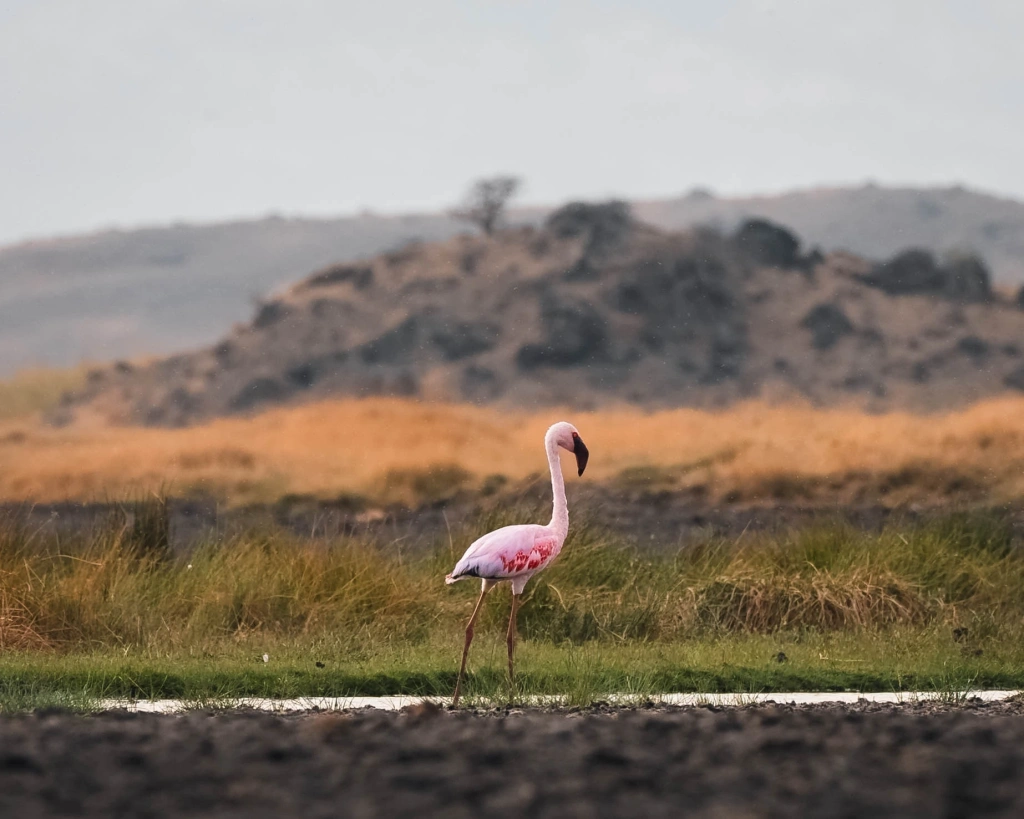
Lake Natron is located in northern Tanzania and is considered one of the most mysterious places in all of East Africa. This shallow lake, covering more than 1,000 km² (386 sq mi), is so highly saturated with soda and salt that animals that die in its waters naturally become mummified. This gave rise to the eerie legend that Lake Natron turns everything living that touches it to stone. Yet this does not stop millions of lesser flamingos from gathering here every year during the nesting season.
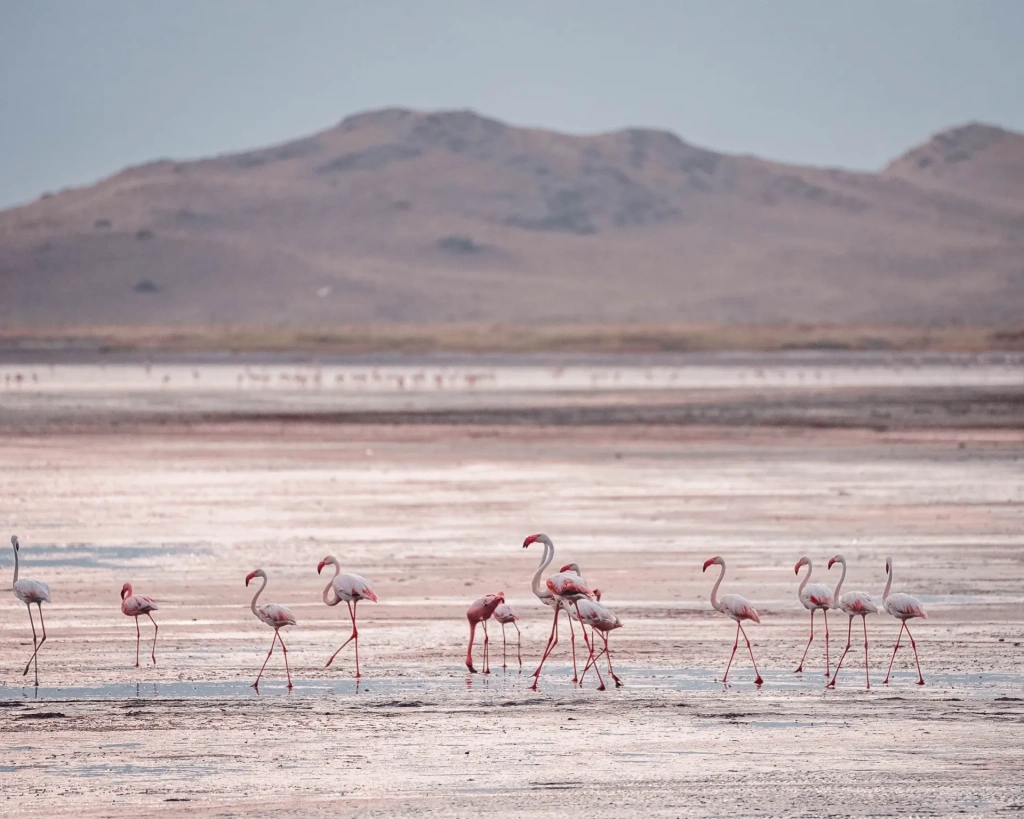
The lake lies near the active volcano Ol Doinyo Lengai, just a couple of hours’ drive from Arusha. The vivid pink, or even red, color that made it famous actually appears only for a few weeks each year. This usually happens during the dry season, when the salt concentration in the water peaks and algae begin to bloom. At other times, the lake water is grayish brown.
During drought periods, moisture evaporates, and minerals become visible on the exposed lakebed. These are also ideal conditions for cyanobacteria to thrive – and they are exactly what gives flamingos their pink plumage. These microorganisms use photosynthesis like plants, and their pigment turns both the water and the salt crust on its surface a reddish pink.
Rubondo Island with chimpanzees
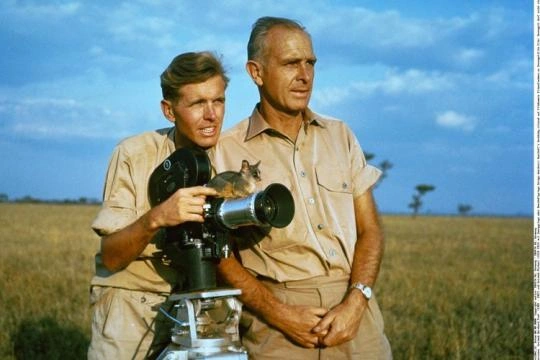
Rubondo Island National Park lies in the southwestern part of Lake Victoria and forms part of the national park of the same name. It is a unique place where true wilderness still prevails. The park was established in 1977, largely due to the efforts of a man named Bernhard Grzimek. This German zoologist and traveler, natural history writer, screenwriter, and director headed the Frankfurt Zoo for nearly 30 years and served as president of the Frankfurt Zoological Society for more than 40 years.
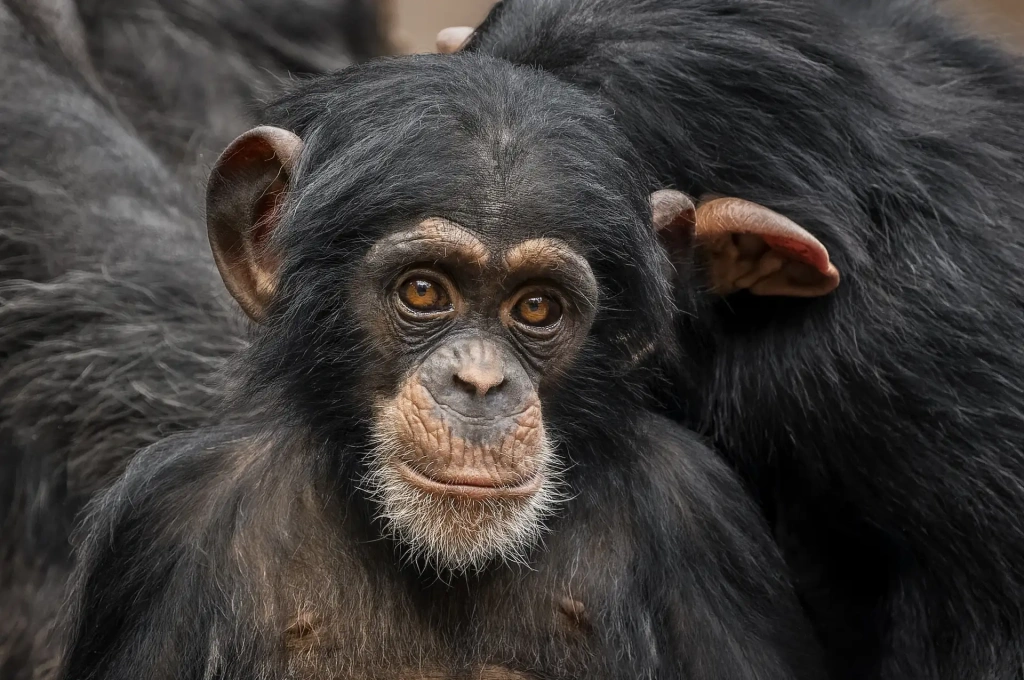
In the 1960s, Grzimek planned to turn Rubondo into a safe refuge for chimpanzees. The uninhabited island had abundant banana groves, but most importantly, there were no leopards, lions, hyenas, or other predators.
At first, elephants, giraffes, and rhinos were brought to the island, though not all of them could be protected from poachers. The chimpanzees arrived later, between 1966 and 1969. Grzimek brought 16 primates to Rubondo. All of them adapted successfully, and their population continues to grow today.
Although Grzimek’s experiment was criticized, the chimpanzees adapted successfully on Rubondo. They settled in the northern and southern parts of the island, formed their own social groups, learned to find food, build nests, reproduce, and raise offspring.
Today, visitors can already observe the second generation of chimpanzees descended from those brought here in the 1960s. Their children have grown up and produced offspring of their own. But unlike the first arrivals, the younger generations are completely unaccustomed to human attention.
You can observe the primates during guided forest walks, which must always be done with a guide. Sometimes visitors are lucky enough to see or hear chimpanzees, but it is important to remember that Rubondo is not a tourist attraction in the conventional sense – it is genuine wilderness. In addition to chimpanzees, the island is home to elephants, giraffes, hippos, crocodiles, and many bird species.
Rwenzori Mountains, Uganda
Rwenzori Mountains National Park is located in western Uganda. They stretch along the border with Democratic Republic of the Congo and form part of the national park of the same name, which is listed as a UNESCO World Heritage Site. This mountain range is often called the “Mountains of the Moon” – a name given to it by ancient geographers.
The Rwenzoris are particularly remarkable because glaciers still survive here despite the tropical climate and proximity to the equator. The range is home to many species of animals and birds, as well as rare plants, including endemic species of giant groundsel and lobelia. In short, these mountains have developed their own unique ecosystem, which has thrived for hundreds of thousands of years.
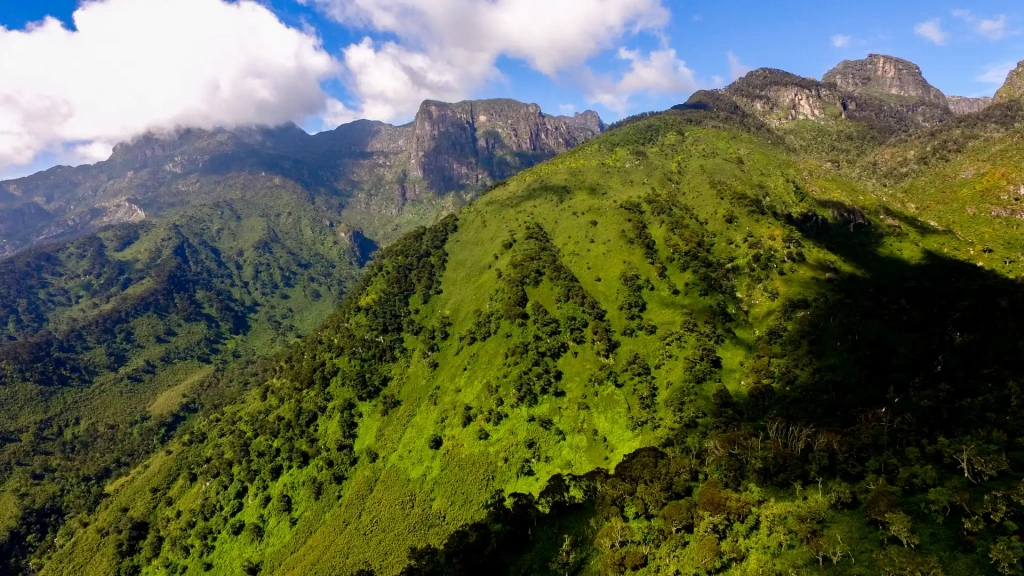
The Rwenzori Mountains are a must-visit if you enjoy trekking and mountaineering. The highest point of the range is Mount Stanley, the third-highest peak in Africa after Mount Kilimanjaro and Mount Kenya. Its elevation is 5,109 meters (16,762 ft) above sea level. Most routes, even those that do not lead all the way to the summit, pass through several climate zones, from humid tropical forest to alpine terrain. The ascent usually takes 7–10 days, and requires good physical fitness, endurance, and readiness for demanding conditions.
The best time for trekking is during the dry seasons from January to February and from June to August. However, keep in mind that the Rwenzoris are one of the wettest regions in Africa. This means rain can begin literally at any moment, regardless of the season. The weather changes very quickly, and nights at altitude can be extremely cold.
It is not possible to climb the summit independently – all expeditions are conducted only with licensed guides and a support team. The Rwenzoris are better suited to those who already have mountain trekking experience. If you are looking for a less touristy and more demanding destination, this is the perfect choice.
All content on Altezza Travel is created with expert insights and thorough research, in line with our Editorial Policy.

Want to know more about Tanzania adventures?
Get in touch with our team! We've explored all the top destinations across Tanzania. Our Kilimanjaro-based adventure consultants are ready to share tips and help you plan your unforgettable journey.