





 52 reasons
  Free PDF


 Message us on WhatsApp
  Book a Free Call

 About Tanzania
 Tanga is located on Tanzania’s coastline, near the Kenyan border. During the German colonial period, it grew into an important port and industrial hub: sisal plantations thrived nearby, and local factories produced everything from soap and steel to fertilizer. Today, the city’s economy is less industrial than it once was, but Tanga’s cultural and historical heritage remains striking, with roots that stretch back centuries.
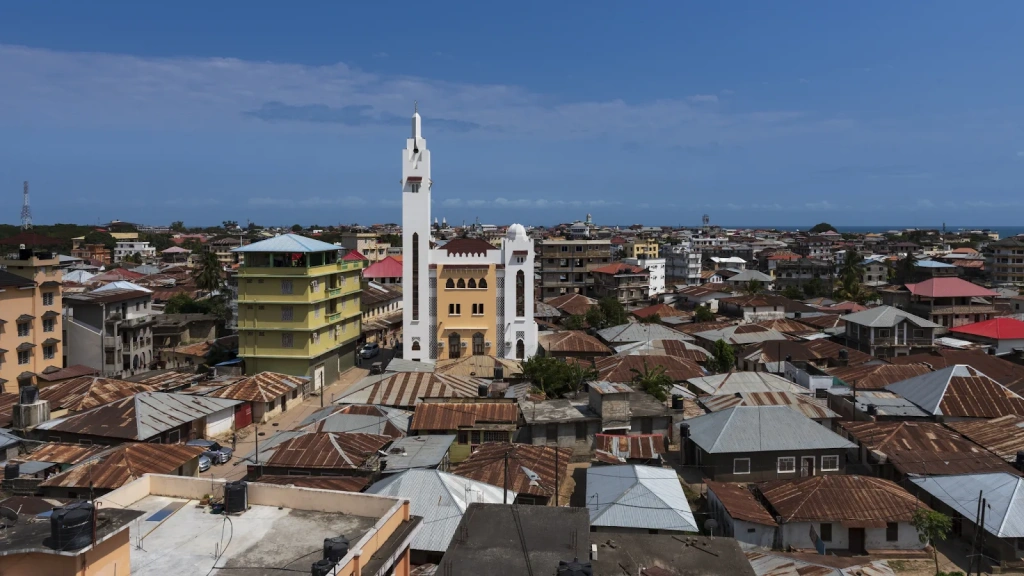
Tanga is a historic port city in Tanzania’s northeast, in the region that shares its name, with direct access to the Indian Ocean. Although it is one of the country’s largest cities, with a population of over 390,000 people (as of 2022), it attracts far fewer travelers than places like Arusha or Dar es Salaam.
And yet the area around Tanga has dense mangrove forests, the Amboni Caves (one of the largest limestone cave systems in East Africa), scenic secluded beaches just a couple of kilometers from the city limits, and a surprising number of buildings and landmarks from the German era.
In this new article, we explore Tanzania’s hidden “sea pearl”: where Tanga is located, how to get there, what the city is known for, and which cultural experiences it offers visitors.
Useful information for travelers to Tanga, Tanzania
How to get there? Tanga lies between Kenya’s Mombasa and Dar es Salaam, so it has strong bus connections, including routes to northern Tanzania and, in particular, to Moshi and Arusha. Tanga also has a small airport served by two local airlines, Auric Air and Coastal Aviation, with regular flights to Dar es Salaam, Pemba Island, and Zanzibar. Once a week, there is also a ferry between Tanga and Pemba. The trip takes about four hours and includes a transfer via Zanzibar Island. The ticket costs $35. Departures are from Tanga on Tuesdays and from Pemba on Sundays.
Where to stay in Tanga, Tanzania? Tanga is a sizeable city by Tanzanian standards, so there is no shortage of places where travelers can stay comfortably. For example,
Dolphin Hotel is a city hotel near the railway station. The property has a pleasant terrace, a restaurant, a bar, and free private parking. Rashid supermarket and a boat pier are nearby.
Another good option is Tanga Beach Resort & Spa, a beachfront resort with an outdoor pool, a restaurant, a bar, and air-conditioned rooms. Guests also have access to conference halls and an evening entertainment program. Tanga Airport is an 8-minute drive from the hotel, and the port is roughly 10 minutes away.
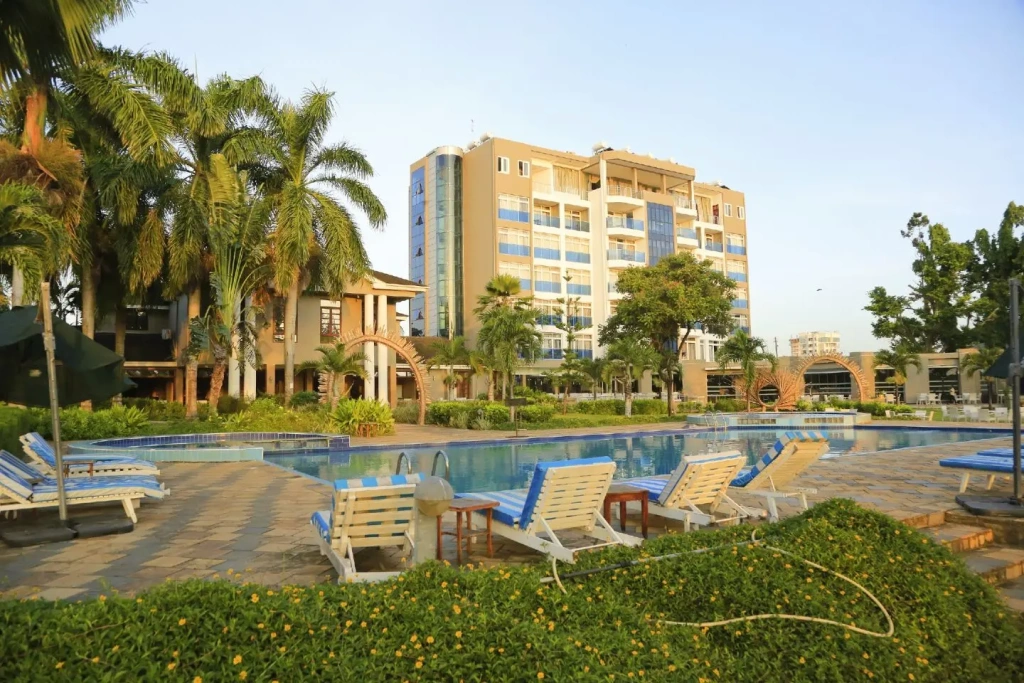
Phyllen Hotel, like Dolphin, is in the city center near the railway station. It offers free Wi-Fi, a restaurant, free private parking, room service, bicycle rentals, and car hire. Tanga Airport is a 6-minute drive away. To book, you can call +255 71 578 18 46 or message them on WhatsApp.
Not far away, Fish Eagle Point is a cozy eco-resort on a remote stretch of coastline, surrounded by beautiful scenery. Guests have a secluded private beach, a bar, and free Wi-Fi. The on-site restaurant serves local food and dishes inspired by the US and the UK. There is also a pool and a lush tropical garden, an ideal choice if you want nature and quiet, away from the city.
What is the weather like? Thanks to its proximity to the Indian Ocean, Tanga has a hot tropical climate. It stays warm and humid for most of the year. There are two rainy seasons: April to May can bring heavy downpours, while November and December usually see shorter showers. You can learn more about the weather in Tanga throughout the year here.
The history of Tanga City, Tanzania
Historically, the and Swahili peoples lived in this region, roughly from the 11th to the 16th century. The earliest documented references to Tanga, however, come from the Portuguese. During their occupation, it was a small settlement on the Indian Ocean coast.
From the mid-1700s, after the Sultanate of Oman pushed out the occupiers, Tanga, along with Mombasa and Pemba Island, came under Arab control. Over time, it became an important port, with trade routes that included ivory and slaves. Tanga grew into a strategically significant coastal center and remained influential through the 1800s, until European powers expanded into the region.
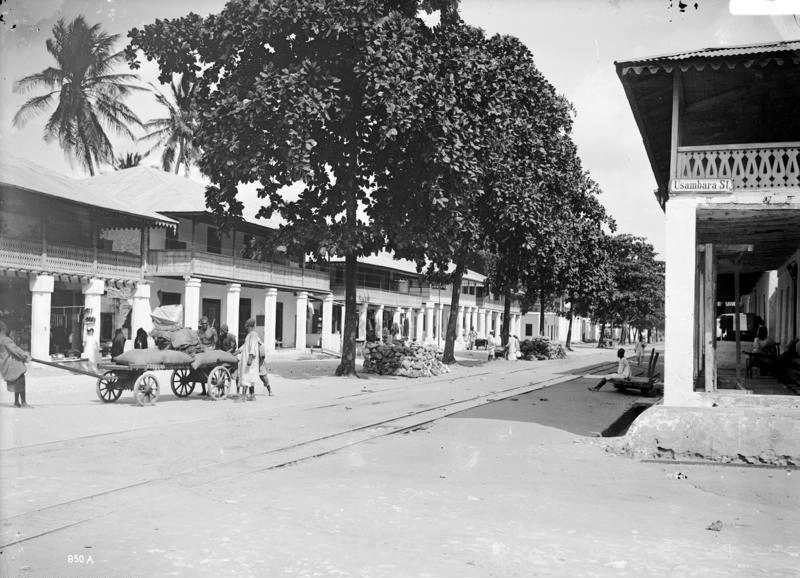
In the 19th century, the Germans took an interest in the city. They purchased a coastal strip of mainland present-day Tanzania from the sultan who ruled at the time. In 1891, Tanga became a German township, one of the earliest settlements in German East Africa and a colonial administrative center. The city held this role until the Germans captured Dar es Salaam at the end of the 19th century.
This period brought a new rise for the city. Tanga expanded, infrastructure improved, and construction began on a tram line for local transport and a port for exporting goods. In 1896, the famous Usambara Railway was built here, the first railway in German East Africa and on the territory of present-day Tanzania. In 1912, it was extended to Moshi, but today that route is closed to passenger service. The railway station building still stands and remains one of Tanga’s key sights and a notable colonial-era architectural landmark.
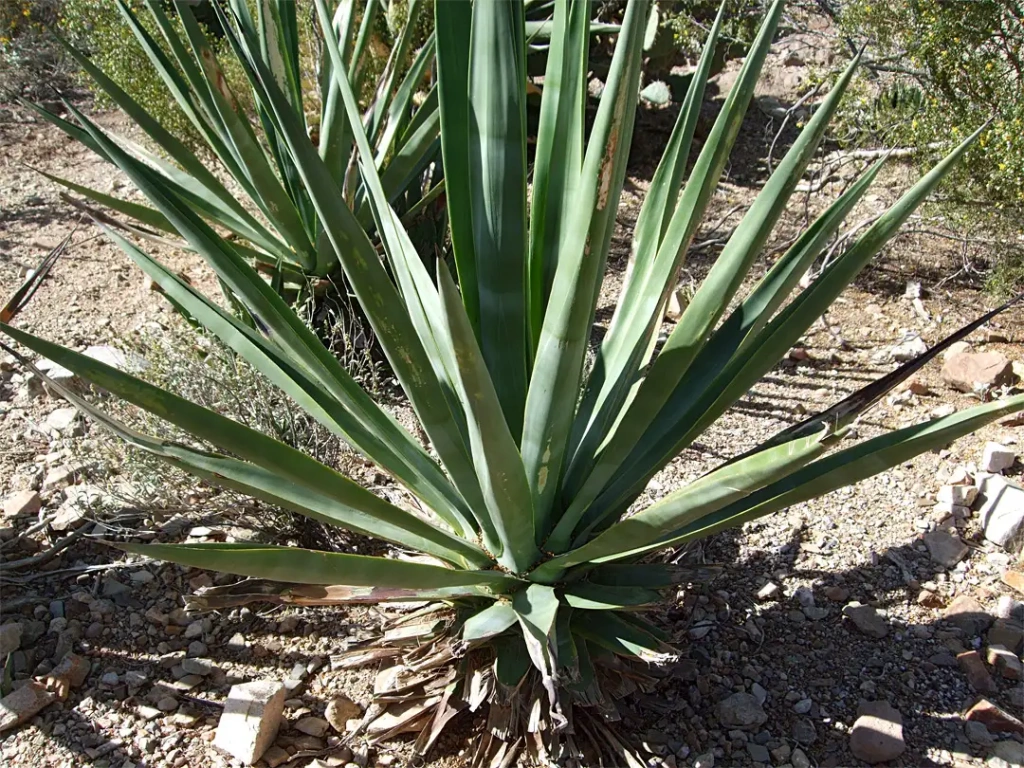
Tanga’s growing importance spurred development not only in the city but across the region. Even under Arab rule, agriculture expanded quickly: coconuts, cashews, maize, rice, seaweed, cotton, and sisal were cultivated. l, in particular, became the region’s defining cash crop for many years. The Tanga region remains one of the largest agricultural producers in East Africa, although citrus is now among its main crops.
During World War I, Tanga became part of the front line in the East African campaign because it was the closest German city to British East Africa. After a series of battles, on July 7, 1916, British forces entered Manza Bay, about 16 km (10 mi) north of Tanga, and occupied the city.
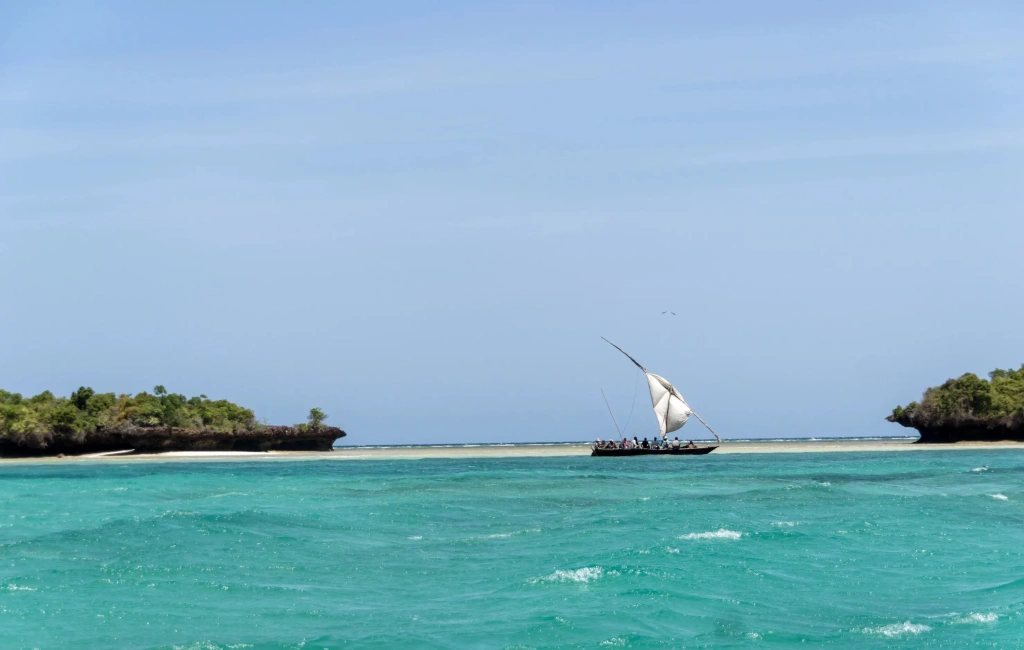
After World War I, Britain received a League of Nations mandate to prepare Tanganyika for independence. The new administration focused on the region’s agricultural potential. Fighting hunger was a priority, while expanding exports of locally grown products was also on the agenda.
After Tanganyika gained independence, and later Tanzania was formed, Tanga remained an active port for some time, with sisal as a key export. Later, global prices for sisal fell sharply. Large-scale cultivation became unprofitable, many plantations and factories collapsed, and the city lost its main source of income.
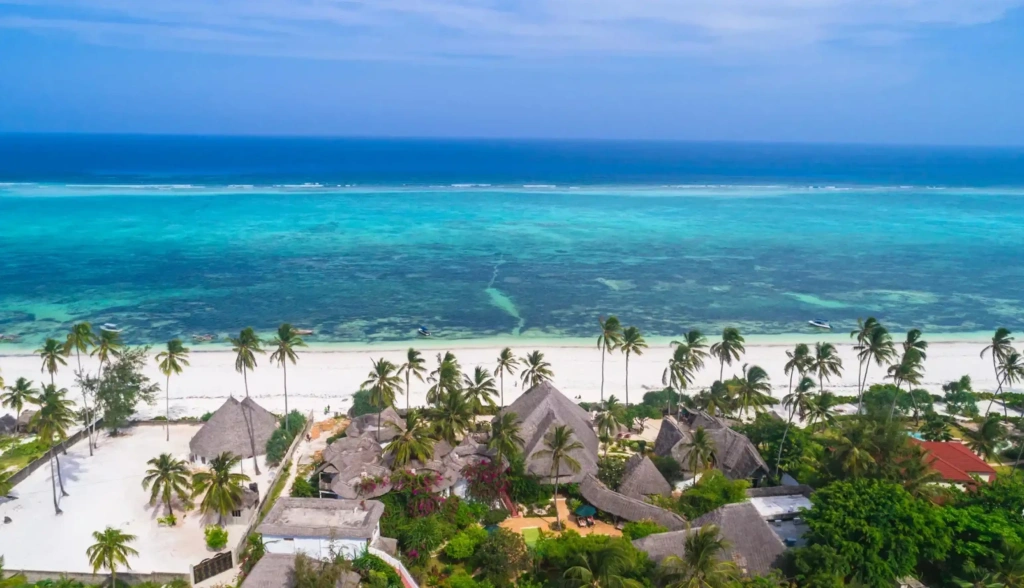
Modern Tanga is a calm coastal harbor with a relaxed pace of life. At the same time, it offers everything for a beach escape, a deeper look at Tanzania’s culture, and a chance to experience the region’s distinctive natural landscapes.
What to see in and around Tanga?
Tanga’s historic center is rich in colonial-era architecture, blending Arab elements with local African character. One well-known landmark is the former German luxury hotel Kaiserhof. For a long time, it was the only hotel on the entire East African coast. It no longer operates today, but the building still reflects the city’s past prosperity.
To learn more about local history, visit the Urithi Tanga Museum. It is housed in an old German boma and features an interesting collection of historical artifacts. If you want a break from museums, Tanga has plenty of restaurants offering cuisines from around the world. And outside the city, you will find bright white beaches where you can enjoy the sun and the fresh Indian Ocean breeze in peaceful seclusion.
And that is not all. Amboni’s mysterious caves, the ancient ruins of Tongoni, a boat trip to “Dead Island” with its mangrove forests, and the Galanos hot springs are unique local sights found specifically in the Tanga area.
Amboni Caves
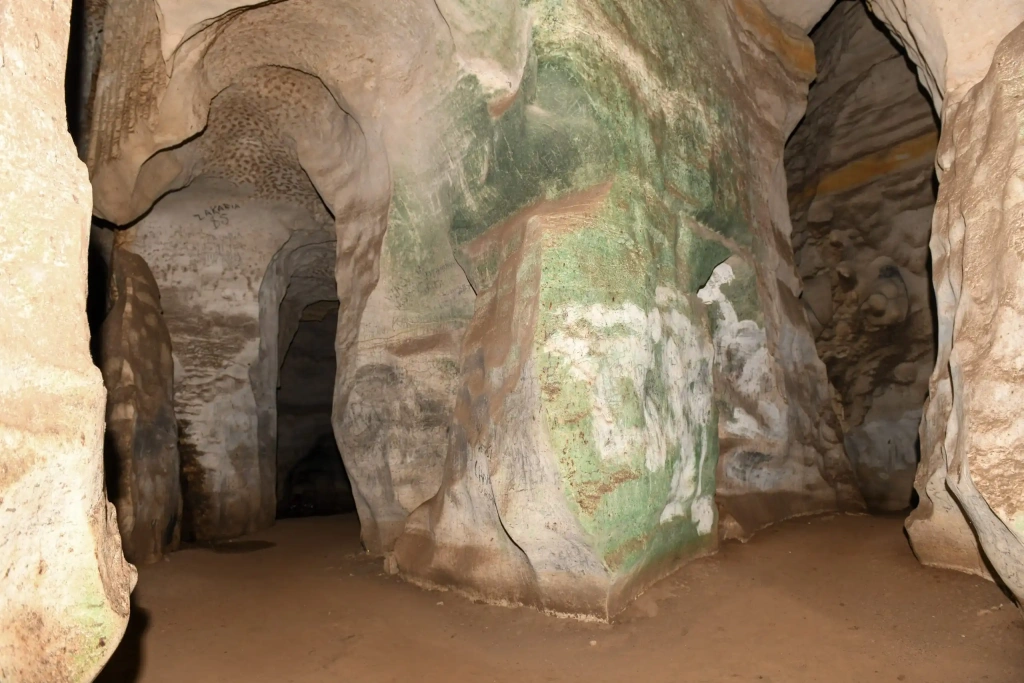
About a 20-minute drive from the city center is a remarkable natural site: a limestone cave system that is among the largest in East Africa. It extends across roughly 234 km² (90 sq mi). The longest cave in the complex stretches for 755 meters (2,477 ft).
The caves are believed to have formed around 150,000,000 years ago, during the Jurassic period. Researchers also suggest that around 20,000,000 years ago, this entire area was underwater. The system includes 10 caves, but visitors can tour only one.
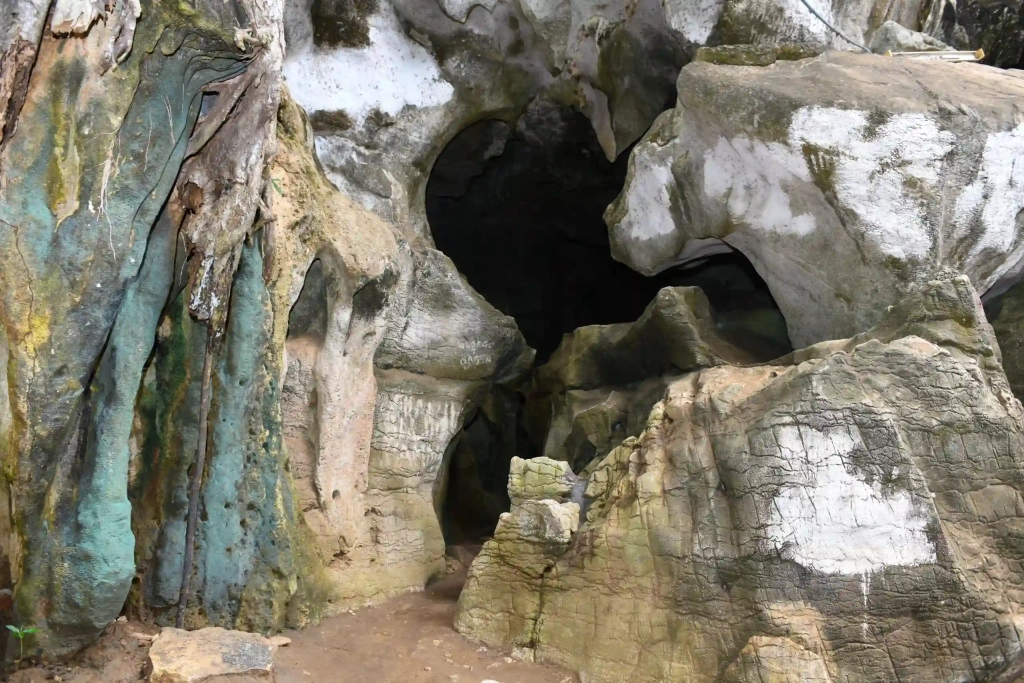
There’s no single documented discovery date. Still, historical references suggest that local communities came here in the distant past to pray and perform rituals. In 1892, the area was acquired by Amboni Limited, a major management company at the time that oversaw sisal plantations in the Tanga region. After the caves were identified, the company informed the British authorities, and in 1922, the site was declared protected. Only in 1963 did the government of then-Tanganyika transfer the caves to the Department of Antiquities.
Today, you can visit the complex on a guided tour, walk through the corridors of an unusual limestone labyrinth, and see boulders shaped in surprising ways. Some resemble a sofa or a ship, others look like a lion’s head, a crocodile, an elephant, and even the Statue of Liberty. In the evening, you may also witness what locals call the “popo flight”. At sunset, hundreds of bats stream out of the cave entrance in a dramatic swirl. In Swahili, “popo” means “bat”.
Tongoni ruins
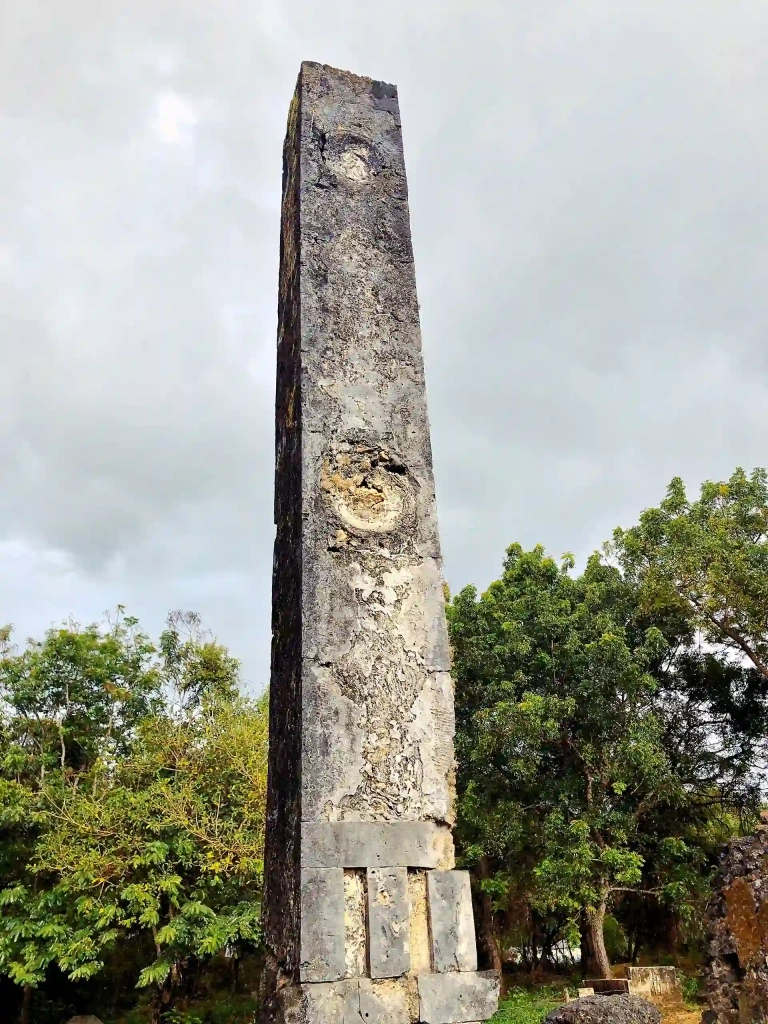
About a 30-minute drive south of Tanga lies the site of the former town of Tongoni. Among baobabs, on a small rise overlooking mangrove forests and the Indian Ocean, you will find the ruins: a partially collapsed mosque and around two dozen overgrown tombs. Archaeologists have also discovered many artifacts in the surrounding area, including clay pottery with classic Swahili ornamentation, a smoking pipe, Indian ceramics, and glass beads. These finds suggest the site was inhabited from the late 14th century to roughly the 17th century. The remaining structures, the mosque and tombs, date to the 14th–15th centuries.
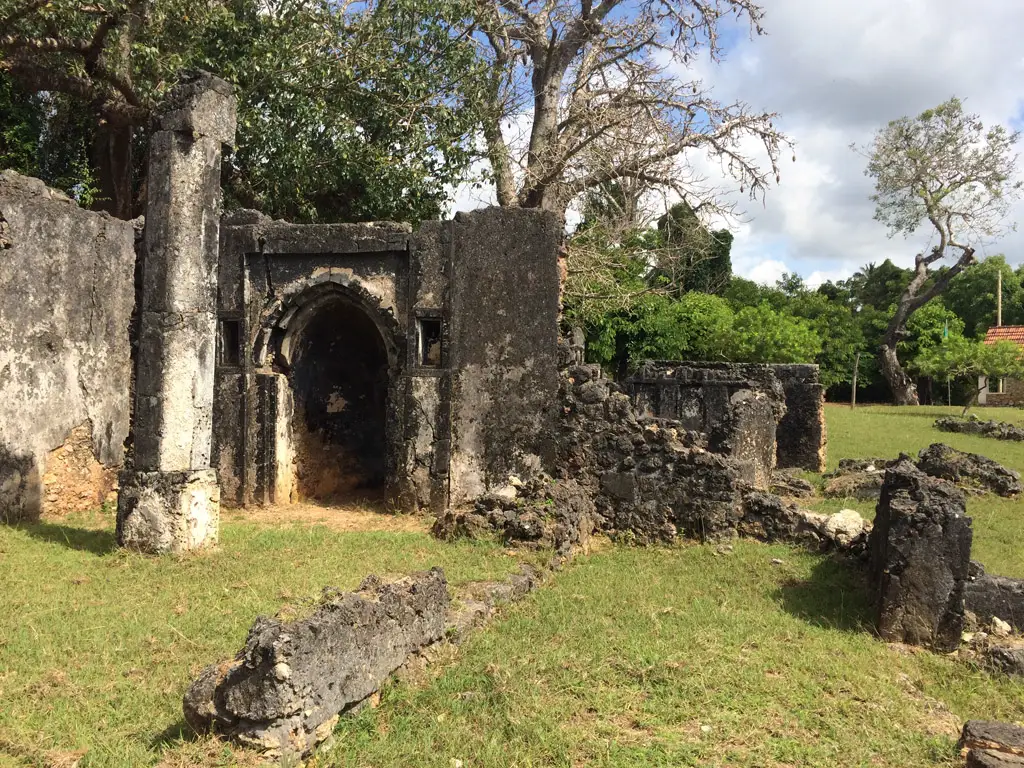
Tongoni is thought to have flourished in the 15th century, when it was a busy Swahili trading center. It had its own sultan, and it was at this port that Vasco da Gama ended up after his ship ran aground. This first occurred in April 1498, and the Portuguese explorer returned later. According to some accounts, during his second visit, he spent 15 days in Tongoni.
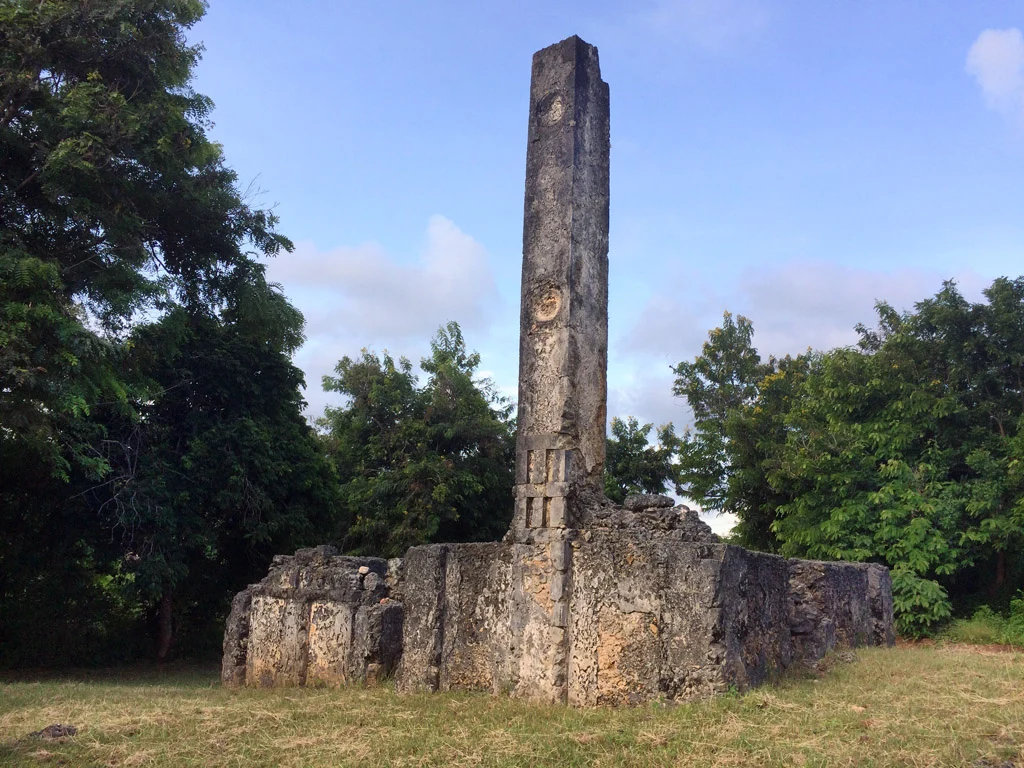
By the early 18th century, the settlement declined. By the end of that century, it was resettled by refugees from Kilwa. The Shirazi called it Sitahabu, which translates to “Better here than there.” Their arrival brought a brief final revival before the town faded from history.
Most of Tongoni’s buildings have since collapsed completely. Even so, you can still see old tombs with monumental columns, explore the remains of the mosque, walk among weathered graves, and get a tangible sense of the place’s long past.
Toten Island
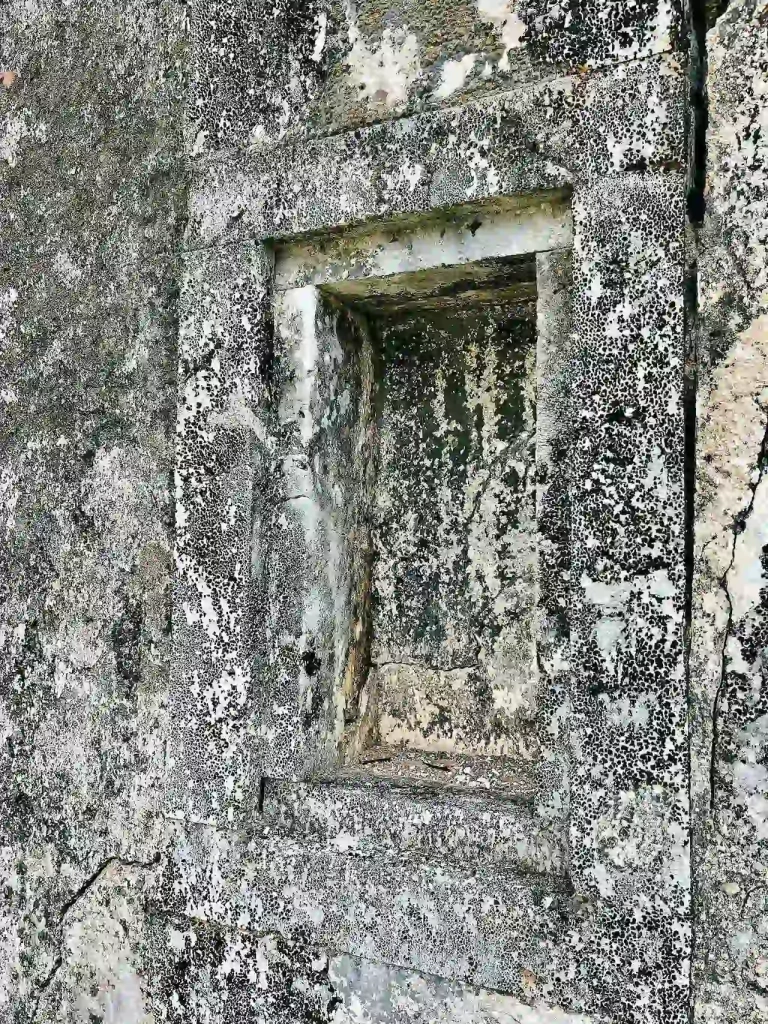
Near Tanga’s shoreline there is a small uninhabited island covered in mangrove forests. Its name, Toten, translates from Swahili as “Dead Island”. The island holds overgrown ruins of a 17th-century mosque and several 18th–19th century gravestones, including an old German cemetery. It is a quiet reminder that people once lived on this tiny strip of land.
Fragments of ceramics found on the island, dated to the 15th century, also suggest that Toten may have been inhabited during the Shirazi period. By the end of the 19th century, however, the last residents moved to the mainland, leaving the island behind.
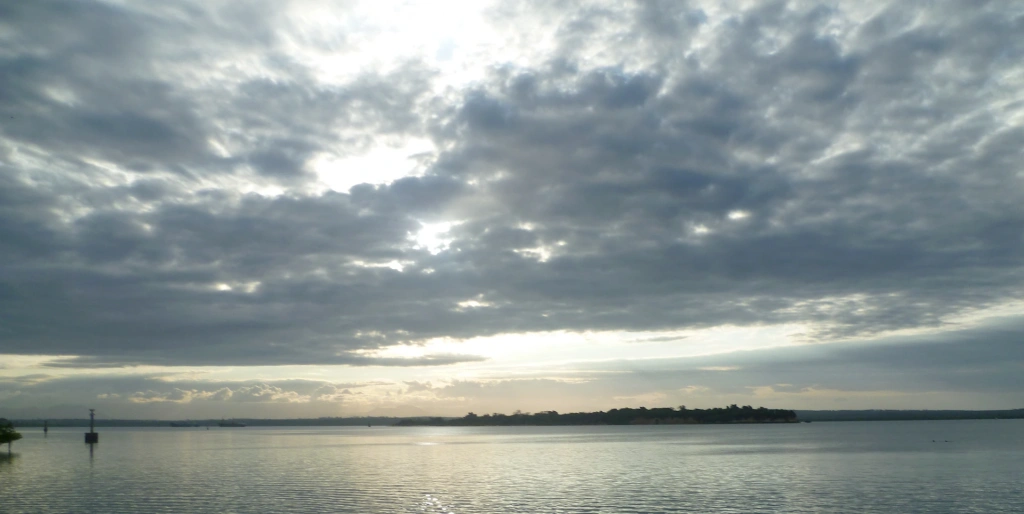
Today, Toten is managed by Tanzania’s Marine Parks and Reserves. The ruins may be smaller than those at nearby Tongoni, but the island is still worth a visit. You can get there on a boat excursion. The beaches are beautiful, the water is clear, and the setting is ideal for snorkeling and quiet time in nature.
Galanos sulfur hot springs
Just a few kilometers from the Amboni Caves, hidden in lush vegetation, are hot sulfur springs. Locals believe the waters have healing properties, especially for skin conditions and joint problems. As the water rises from deep underground through multiple layers of soil, it becomes mineral-rich and takes on its distinctive character. For the same reason, it has an unusual blue-yellow colour and a strong sulfur scent.
The springs remain active and feed a stream that flows into the Zigi River. Visitors arrive by bicycle or by car. And since Galanos lies within a coconut plantation, you can also taste fresh coconut juice, coconut wine, and a variety of tropical fruits.
Which national parks are in the Tanga region?
In the north of the region is the well-known Mkomazi National Park. In this area, its territory meets the southern edge of the Kilimanjaro region.
Do not miss it if you hope to see the famous black rhino, a very rare endangered species. The area only received official national park status in 2008, which makes Mkomazi one of Tanzania’s youngest protected areas. Even in peak season, it is typically less crowded than the country’s more famous parks.
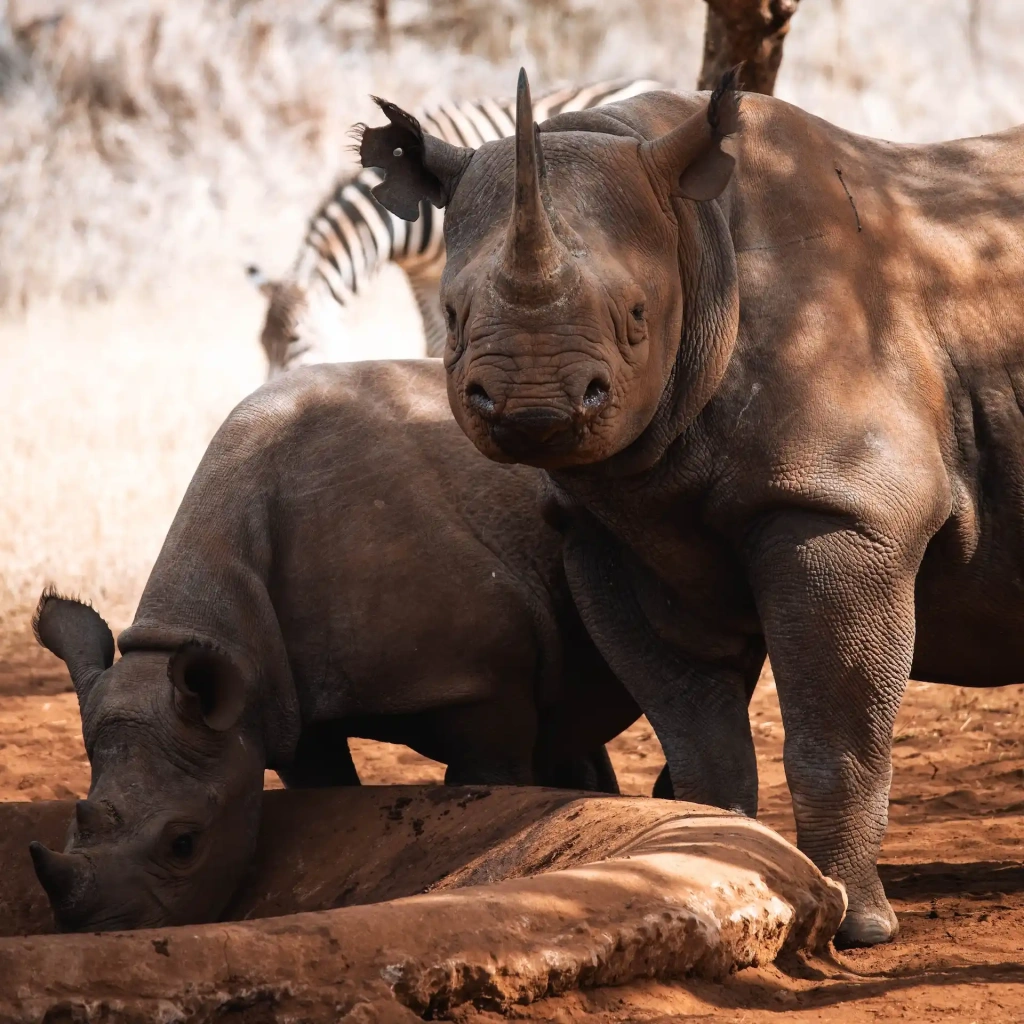
Mkomazi is also home to the African Big Five: elephant, lion, buffalo, rhino, and leopard, along with many other savanna species. The drive from Tanga to Mkomazi takes about the same time as it does from Arusha or Moshi, around 5–6 hours.
Before you go on safari in Tanzania, please download and read our checklist. We compiled all the essential information in a single PDF for anyone planning a trip to the African savanna.


Another national park is closer to the port city: Saadani. It is the only coastal reserve in Tanzania with direct access to the Indian Ocean. Much of the park is covered by dense mangrove forests and is home to elephants, hippos, and crocodiles.
A river runs through the park, and you can join a guided boat excursion. Your guide may point out predators, monkeys, and turtles, and share details about the exotic birdlife in the surrounding forests. Where the mangroves give way to more open areas, you might also see buffalo, giraffes, and warthogs. Saadani covers only 1062 km² (410 sq mi), which is modest by Tanzanian standards. Still, that does not make a safari here any less exciting than in the vast reserves that stretch across tens of thousands of square kilometers.
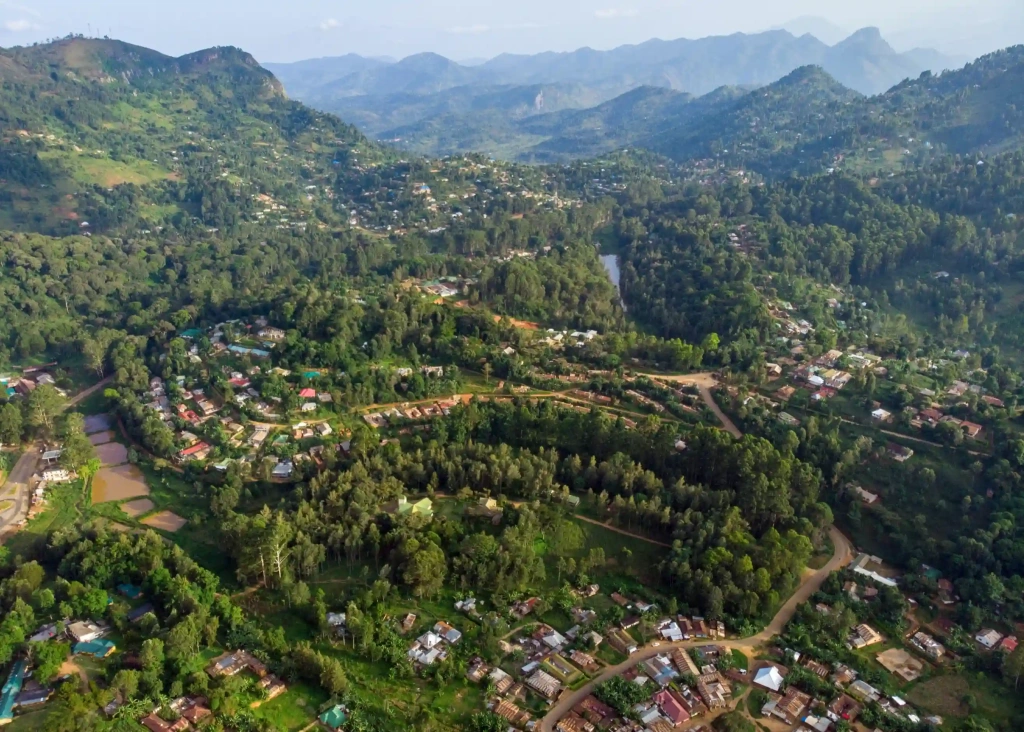
In the northwestern part of the region, the Usambara Mountains, home to the Amani Nature Reserve, are just 40 km (25 mi) from Tanga. This is a great place to see endemic plants and animals.
Amani Forest is considered one of the most biodiverse places on Earth. A large botanical garden is located here, with more than 1,000 plant species brought from around the world. A walk through the forest itself, always with a professional guide, can also lead to memorable encounters with local reptiles and amphibians. At night, special tours are organized to spot chameleons, lizards, endemic frogs, and snakes.
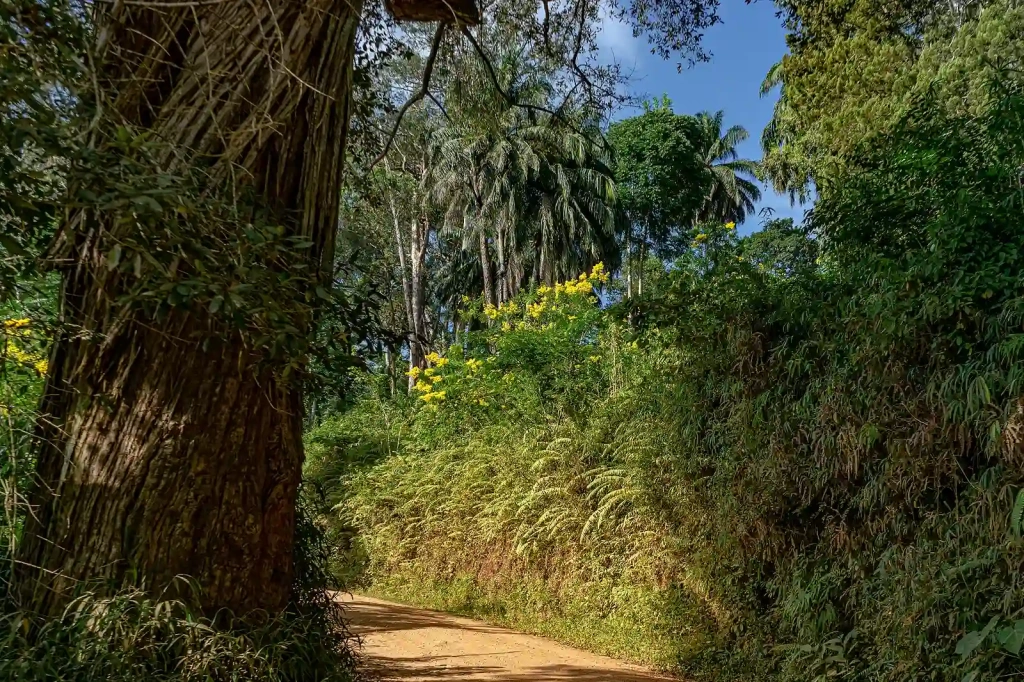
Centuries ago, leopards and elephants lived in the forests of the Usambara Mountains, but you will not see them here today. As population density increased, large wildlife moved away long ago. Even so, the forest is still home to honey badgers, duiker antelopes, bush pigs, colobus monkeys, and galagos, tiny primates with big eyes and quick movements. The reserve also has three beautiful waterfalls: Zigi, Chemka, and Ndola. On a hot day, they are the perfect place to cool off and take striking photos.
In conclusion
Tanga is a city with a rich historical legacy, where African and Arab cultures intertwine, shaped further by Western colonial influence. It has plenty to surprise and engage travelers. Explore ancient ruins and mysterious caves, discover colonial architecture, unwind on secluded beaches, or head out on safari to the national parks that stretch across the Tanga region.
All content on Altezza Travel is created with expert insights and thorough research, in line with our Editorial Policy.

Want to know more about Tanzania adventures?
Get in touch with our team! We've explored all the top destinations across Tanzania. Our Kilimanjaro-based adventure consultants are ready to share tips and help you plan your unforgettable journey.