





 52 reasons
  Free PDF


 Message us on WhatsApp
  Book a Free Call

 Safari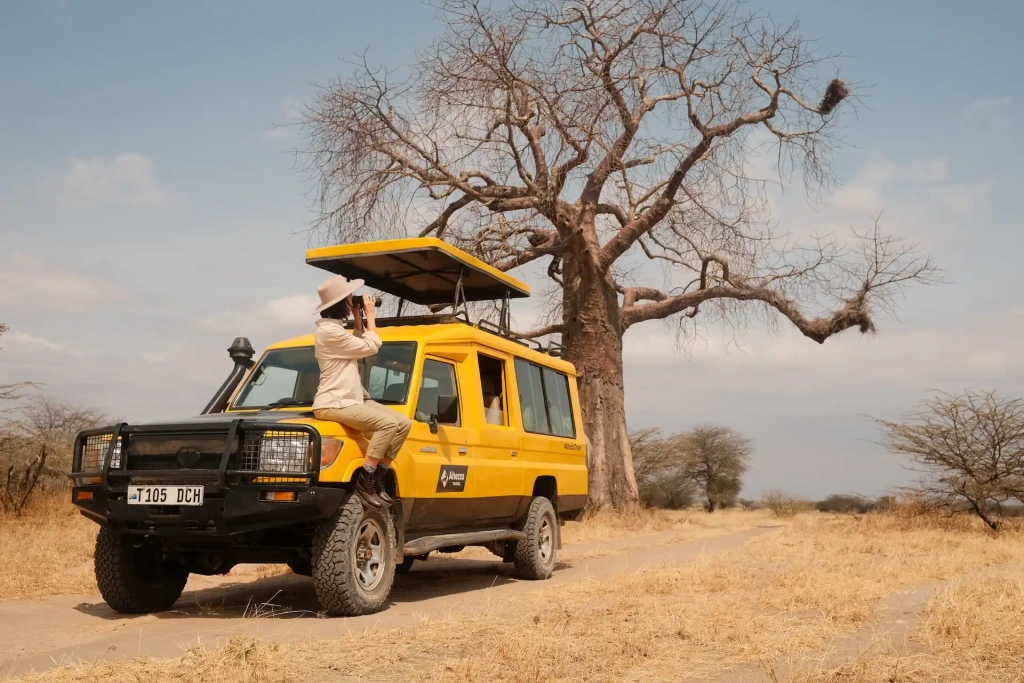
The cost of an African safari trip varies greatly depending on the country, season, level of comfort, and length of the tour. Prices per person per day can start at around $100 in the budget segment and exceed $3,000 for premium experiences. In this article, Altezza Travel breaks down African safari prices, explains what they include, and shares tips on how to stay within budget without sacrificing the experience.
What is a safari?
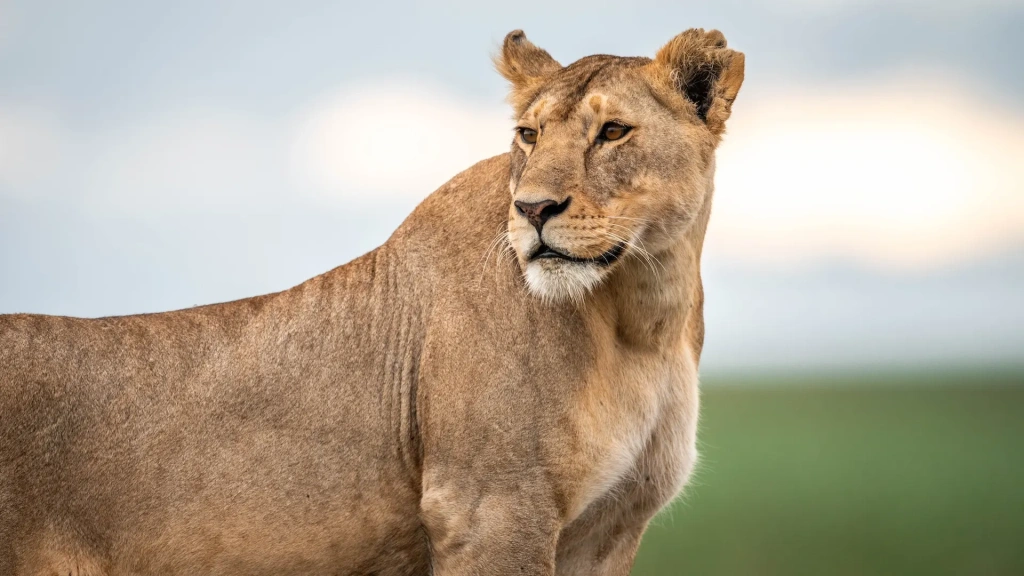
Classic safaris are primarily offered in East and Southern Africa. This is where the continent’s largest national parks and reserves are located, with well-developed tourist infrastructure, including game-drive routes and a wide range of lodges and hotels with varying levels of service.
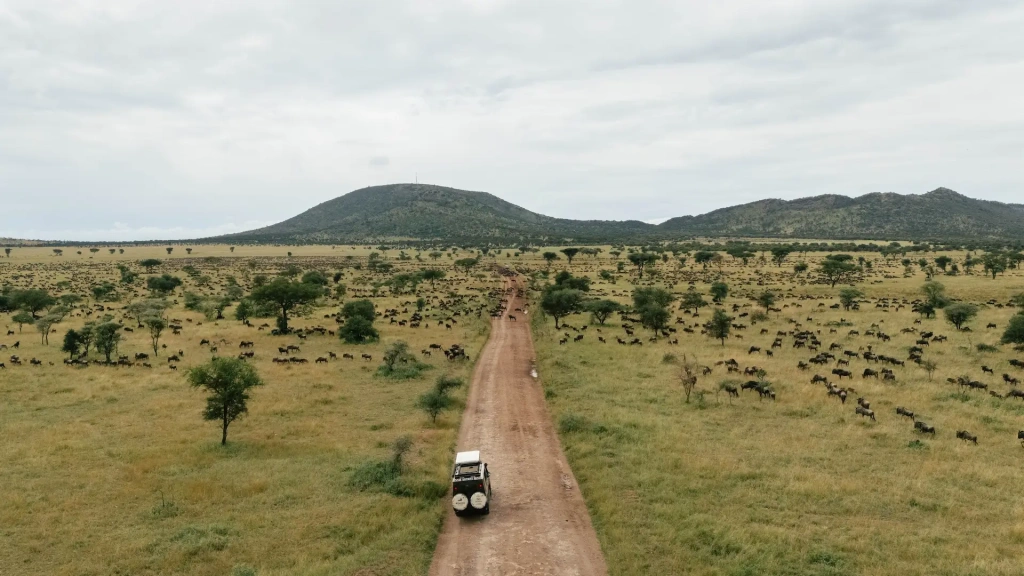
At its core, a safari is a drive through a national park in a specially equipped vehicle, during which travelers observe wild animals in their natural habitat. For an additional fee, programs may also include walking safaris with a ranger, visits to indigenous communities, hot-air balloon flights, and picnics in the savanna. Travelers typically stay in tented camps or comfortable lodges and hotels, either inside the park or just outside its boundaries.
This is a safe type of vacation, including for families with children, and it attracts hundreds of thousands of travelers from around the world every year.
Average African safari cost in 2025–2026
* Average figures for each country are based on data from Safari Bookings, the largest safari tour aggregator in Africa. Prices may vary depending on the season and what is included in the package.
What makes up the cost of an African safari
Compared to a typical vacation in Europe, Asia, or the Middle East, a safari is not the most budget-friendly type of travel. This is due to the remoteness of the continent, the need for visas and insurance, national park fees, and the relatively high cost of accommodation inside protected areas. In some cases, taxes and national conservation policies also affect safari prices. More details are explained below.
What is typically included in the price
A classic safari tour usually includes meals, accommodation in lodges or hotels, transfers and guide services, and park entrance fees. However, it is important to pay attention to the details. For example, some lodges operate on an all-inclusive basis, while others include only one or two meals per day and a limited selection of drinks.
In some cases, travelers must arrange transportation to the safari starting point on their own. Given the often significant distances between airports and national park entrances, this can noticeably increase overall costs.
What is not included in the price:
- International flights to and from your country
- Vaccinations and medical insurance
- Tips for guides. Recommended amounts vary by country. In Tanzania, travelers typically tip $30–50 per vehicle per day
- Visa fees, which depend on the traveler’s citizenship. The exact amount should be checked on the official website of the Ministry of Foreign Affairs or at the relevant consulate
- Excursions and additional activities. For example, in Kenya and Tanzania, travelers may be offered Maasai cultural visits, coffee plantation tours, horseback riding, or hot-air balloon flights over the savanna
In some African countries, foreigners must obtain special permits for gorilla trekking (not to be confused with park entry fees). The most expensive permit is in Rwanda, costing $1,500, with a limited number issued each day. In Uganda, one hour spent near mountain gorillas costs $800. In some cases, this fee is paid separately on site; in others, it is already included in the tour price.
Accommodation and service level
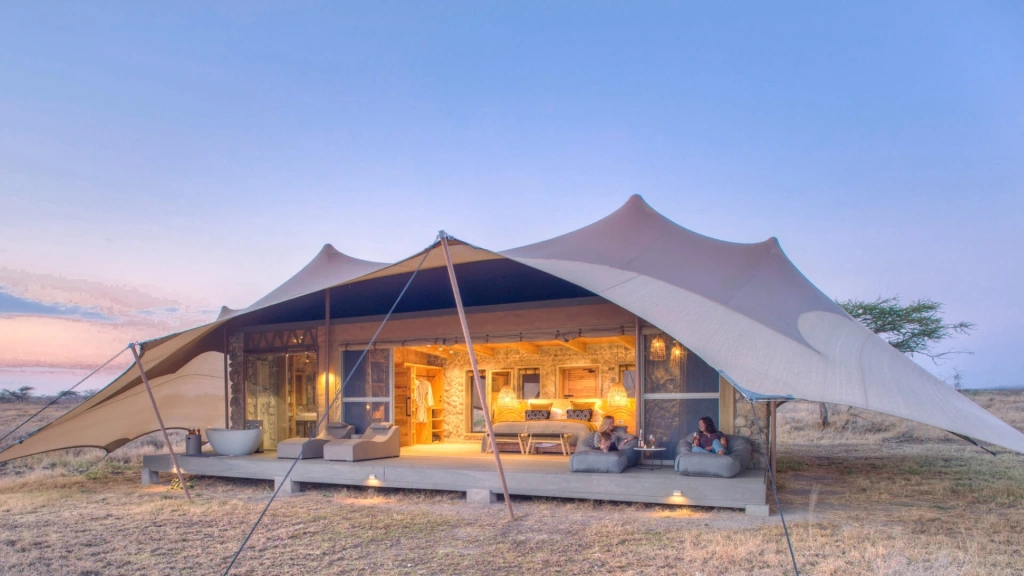
Accommodation is one of the key cost components of an African safari and, together with flights, largely determines the total price of the trip. Options range from simple campsites to five-star hotels and luxury lodges.
Budget safaris
Budget safaris are best suited for travelers seeking an adventure. Visitors typically rent a vehicle upon arrival or use the services of low-cost tour operators that provide basic transfers and guidance in national parks.
It’s important to understand that companies operating in the low-price segment often save on guide salaries. As a result, in 99% of cases, travelers are accompanied by young and inexperienced staff or individuals without professional training. This matters not only in terms of comfort and service quality, but also for safety, especially when driving in the African savanna and encountering wild animals.
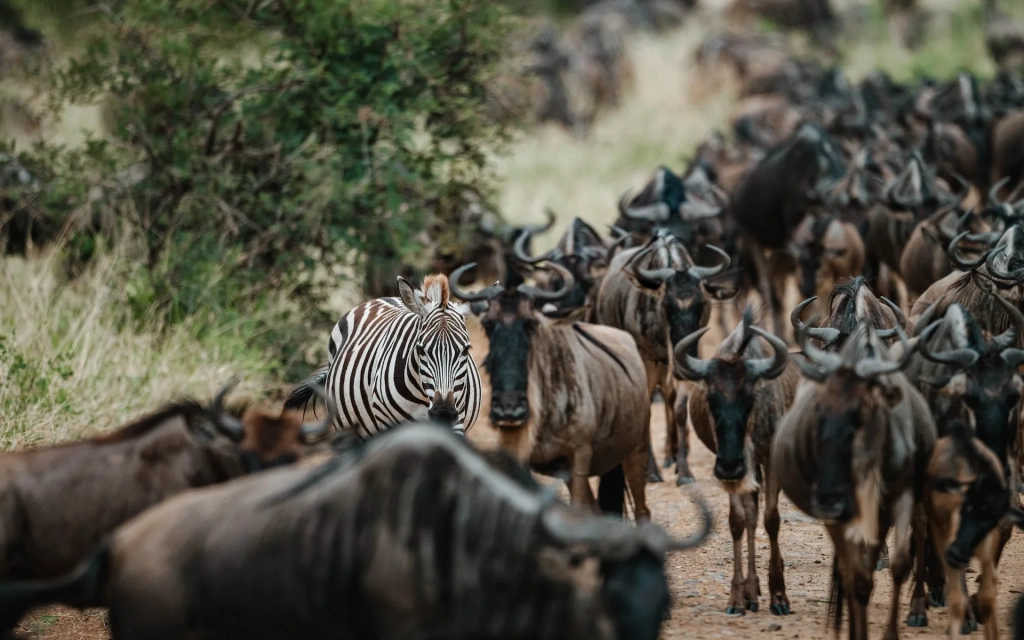
As for accommodation, travelers can bring their own tents and basic camping gear, but in practice this is often inconvenient due to airline fees for heavy and oversized luggage. For this reason, most people prefer to rent equipment locally or stay at campsites with pre-set tents and essential facilities. Alternatively, travelers may choose affordable lodges, guesthouses, or hotels, which typically offer a small room with a bed, toilet, and shower.
Mid-range safaris
The mid-range segment offers a balance between comfort and price. Unlike budget safaris, travelers do not need to handle logistics or accommodation themselves. Guests are usually met upon arrival and accommodated in comfortable lodges or hotels with relaxation areas, restaurants, sometimes a swimming pool, scenic views, and internet access.
Premium safaris
Premium safari programs are the most expensive option. Travelers stay in five-star lodges such as Four Seasons, andBeyond, Singita, or One Nature, located in secluded areas of national parks or private reserves. Guests enjoy spacious rooms or private bungalows overlooking the savanna, elegant lounges, high-end restaurants, and top-tier service.
Transportation
Be prepared to spend 3 to 8 hours per day in a vehicle during a safari. For this reason, choosing the right tour operator is crucial. It’s best to opt for companies with a modern, well-maintained fleet of safari vehicles. This helps avoid long rides in uncomfortable seats, broken air conditioning, or unpleasant surprises such as vehicle breakdowns in the middle of the savanna.
Game drives are the most common way to explore wildlife, but they are not the only option. In South Africa’s Kruger National Park or Kenya’s West Tsavo, for example, travelers can join guided walking safaris accompanied by a ranger. In Tanzania, walking safaris are available in Arusha National Park. Such excursions typically cost from $50 per person, depending on group size.
Safari duration
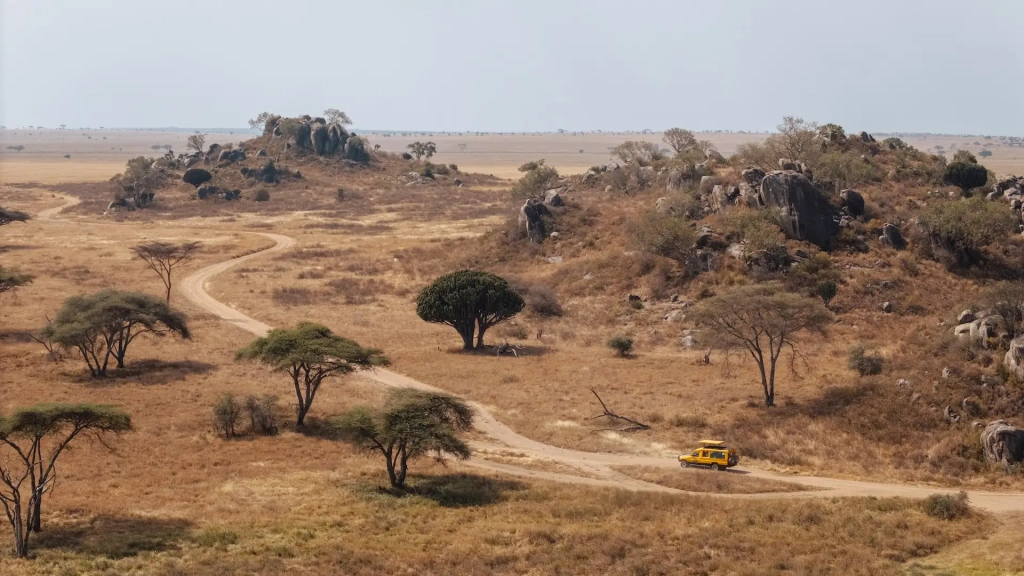
The logic is simple: the longer the safari, the higher the cost. While many operators offer one-day tours, it is best to plan at least 4–6 days for a safari. There are several reasons for this.
First, African national parks can be larger than entire European countries. For example, Tanzania’s Nyerere National Park alone could fit Belgium within its borders. Add to this the distance from the airport or resort to the park entrance. A one- or two-day trip would be exhausting and likely detract from the overall experience.
Second, with more time, travelers will see a greater variety of animals and birds, enjoy walking safaris, visit Maasai communities, and even take a hot-air balloon flight over the savanna.
It’s important to remember that a safari is not a marathon. It should be approached much like a beach vacation: without daily long transfers between parks and constant hotel changes. The ideal option is to stay at one lodge for at least 2–3 nights. This allows for relaxed morning game drives, breakfast at the lodge, rest during the hottest part of the day by the pool or in the room, and an evening safari later on. One day can even be spent entirely at the lodge, watching wildlife from a terrace or directly from your room.
Season and destination
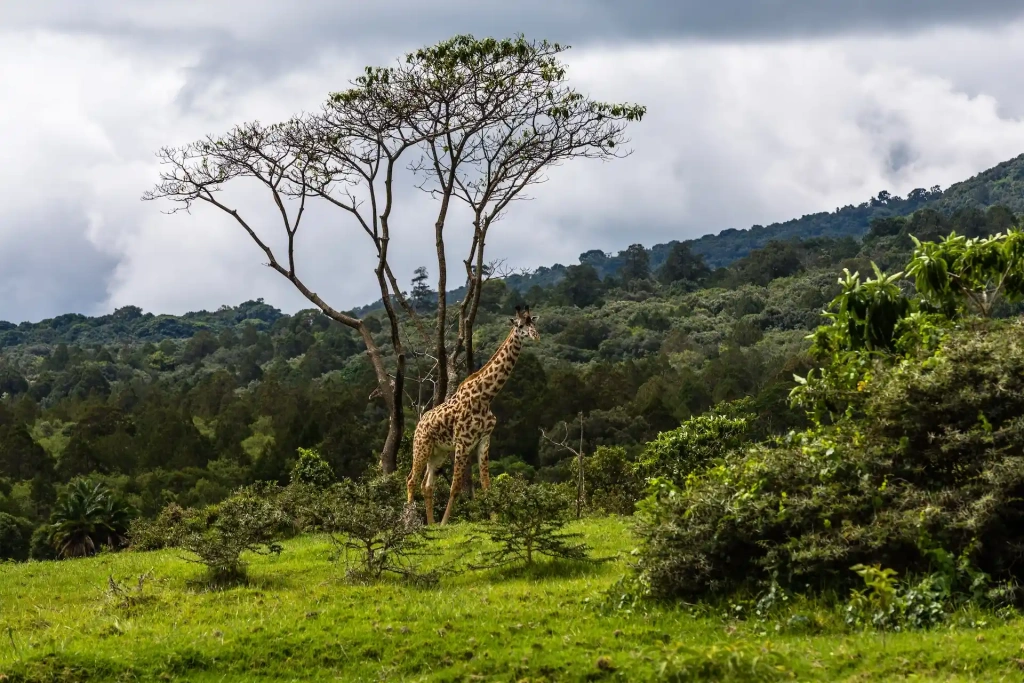
In most East African countries, the high season runs from June to October. During the dry months, savanna grass is shorter, and animals are more often seen near water sources. Safaris during this period are especially spectacular, but there are also far more tourists. Lodges and hotels raise their prices, and rooms are often booked months in advance.
Traveling in April–May, November, or from December to March can help reduce accommodation costs. During the low season, there are fewer visitors in national parks, and many lodges offer discounts to fill rooms. These months, known as the rainy seasons, bring the landscape to life as dry savannas transform into vibrant green pastures.
For more details on seasonal differences, see our article “Best time for a safari in Tanzania.”
Private or group safari
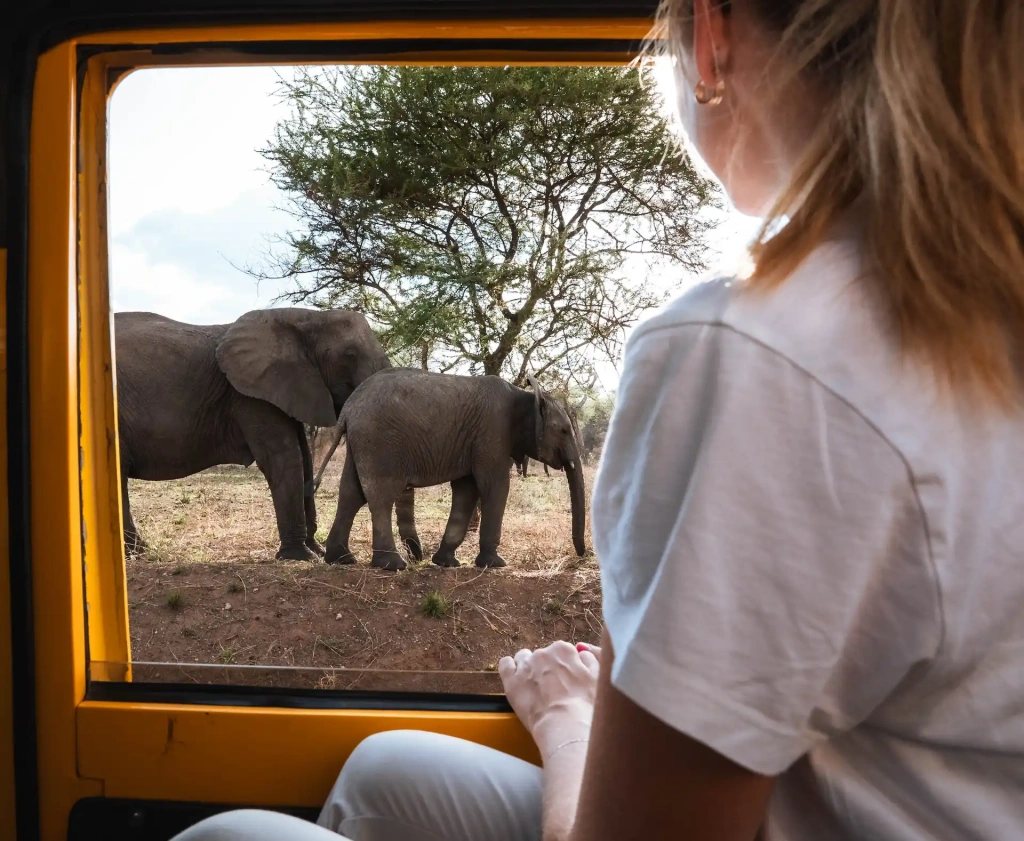
The main advantage of group safaris is their lower price, as organizational and logistics costs are shared among all participants. Group programs usually follow a fixed daily schedule with strict timing, with routes, activities, and accommodation handled by the organizers. For solo travelers, couples, or those on a limited budget, group safaris offer an affordable way to explore Africa’s wildlife.
On a private safari, everything from the route to the time spent in each park is tailored to the guests’ interests. Some tour operators specialize exclusively in private safaris, preferring to place only families, couples, or small private groups in one vehicle.
Altezza Travel offers a wide selection of private safari tours covering all the best national parks in Tanzania. Programs are designed to suit a variety of interests, whether it is witnessing the Great Migration, encountering members of the Big Five, or enjoying birdwatching.
FAQ
In 2026, prices for budget group programs may start at around $200 per person per day. Mid-range safaris typically start from $275, while premium safaris range from $600–1,000 per day and above.
Yes. A safari is not the cheapest type of vacation, but it is likely to become one of the most memorable adventures of a lifetime. Africa attracts millions of travelers each year with its atmosphere, culture, and wildlife.
Accommodation at safari lodges usually includes breakfast, lunch, dinner, and soft drinks, but alcohol and laundry services are not always included. It is also customary to tip safari guides, typically around $30–50 per vehicle per day. Always confirm what is included in your package directly with the tour operator or hotel.
Traveling outside the high season and choosing cheaper accommodation can significantly reduce costs. Group tours are another way to save. Keep in mind that staying longer in one park is often more cost-effective than moving between multiple reserves, since each park entry incurs additional fees and logistical costs.
Several African countries offer excellent safari experiences, including Kenya, South Africa, Botswana, and Uganda. Tanzania’s national parks deserve special mention. This is where the world-famous Serengeti hosts the Great Migration, the Ngorongoro Crater preserves wildlife inside an ancient volcanic caldera, and Tarangire National Park is known for its large elephant herds and majestic baobab trees.
All content on Altezza Travel is created with expert insights and thorough research, in line with our Editorial Policy.

Want to know more about Tanzania adventures?
Get in touch with our team! We've explored all the top destinations across Tanzania. Our Kilimanjaro-based adventure consultants are ready to share tips and help you plan your unforgettable journey.
 Climbing
  Safari
  About Tanzania
  Islands