





 52 reasons
  Free PDF


 Message us on WhatsApp
  Book a Free Call

 Climbing
 With a portable urinal, you don’t need to crawl out of a warm sleeping bag each time, get dressed, walk in the darkness to the toilet, and then return and try to warm up and fall asleep again. It seems like a reasonable idea. Let’s explore this in more detail.
Our advice for anyone unsure is this: don’t burden yourself with an extra item on the expedition. Instead, consider renting a portable bio-toilet.
But if you still prefer a small personal device for hygiene during the climbing Kilimanjaro expedition, then let’s turn to the experience of other climbers. We’ll break down the pros and cons of using pee bottles and find the most convenient models.

Pee bottle on the Kilimanjaro expedition: pros and cons
We don’t keep detailed statistics on guests using nighttime bottles since we don’t collect such personal information. However, judging by our managers’ conversations with climbers before and after expeditions, most prefer not to bring bottles and simply use the toilets.
I climbed Kilimanjaro in November, during the rainy season, when nights can be quite cold and light snow sometimes falls on the mountain. Our team’s expedition was run by Altezza Travel. I didn’t use a pee bottle, and everything was fine. We had portable toilets located not far from our tents, and overall, my experience was comfortable.
Georgia Fowkes, travel blogger and Tanzania-based travel influencer
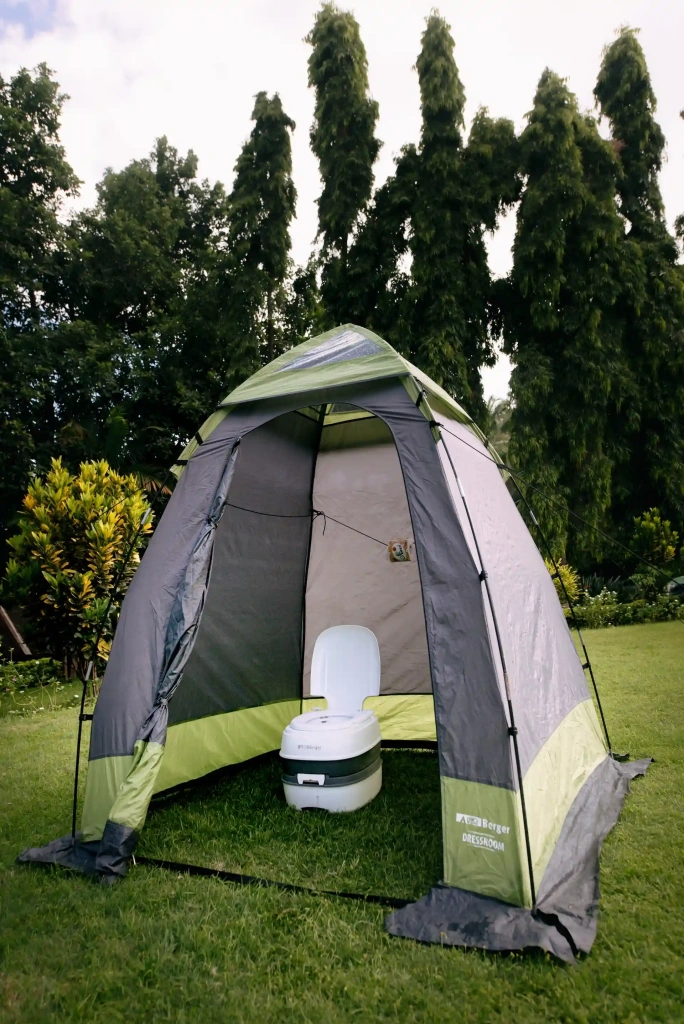
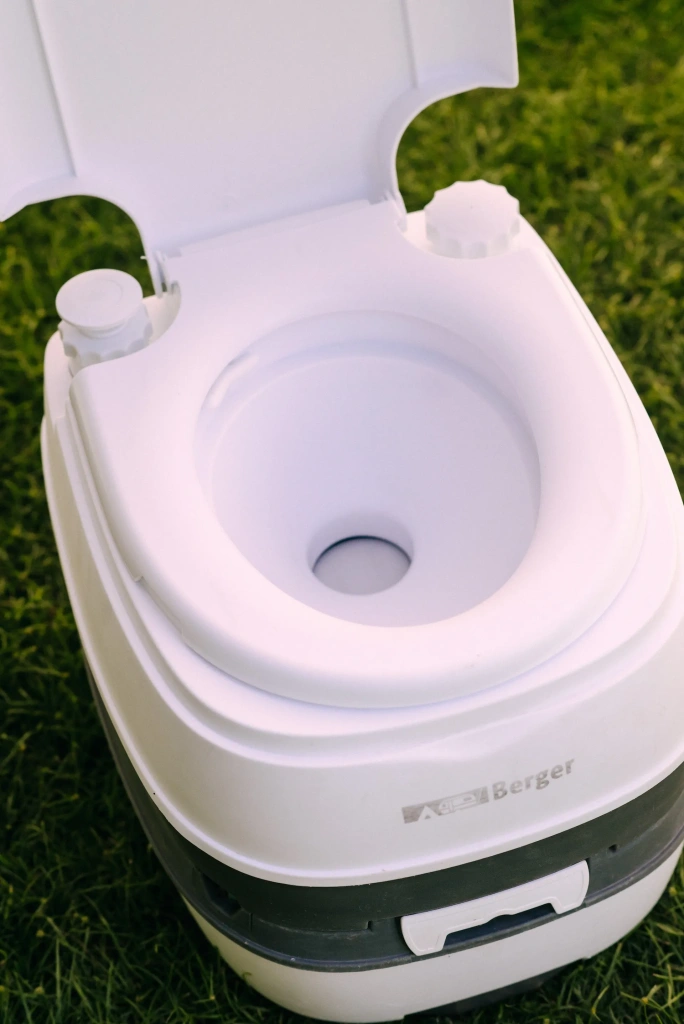
On Kilimanjaro, toilets in camps can be public or private. Public ones are located away from the camps and are often poorly maintained. The buildings are old, rarely cleaned, and smell accordingly. To reach them at night, you have to walk 50–300 meters (150–900 ft), which isn’t very comfortable. This is precisely why we offer our guests personal portable bio-toilets as an additional service. They are installed in a separate toilet tent next to the sleeping tent and are, of course, kept impeccably clean. Many guests often say that renting it was the best investment in comfort on the mountain.
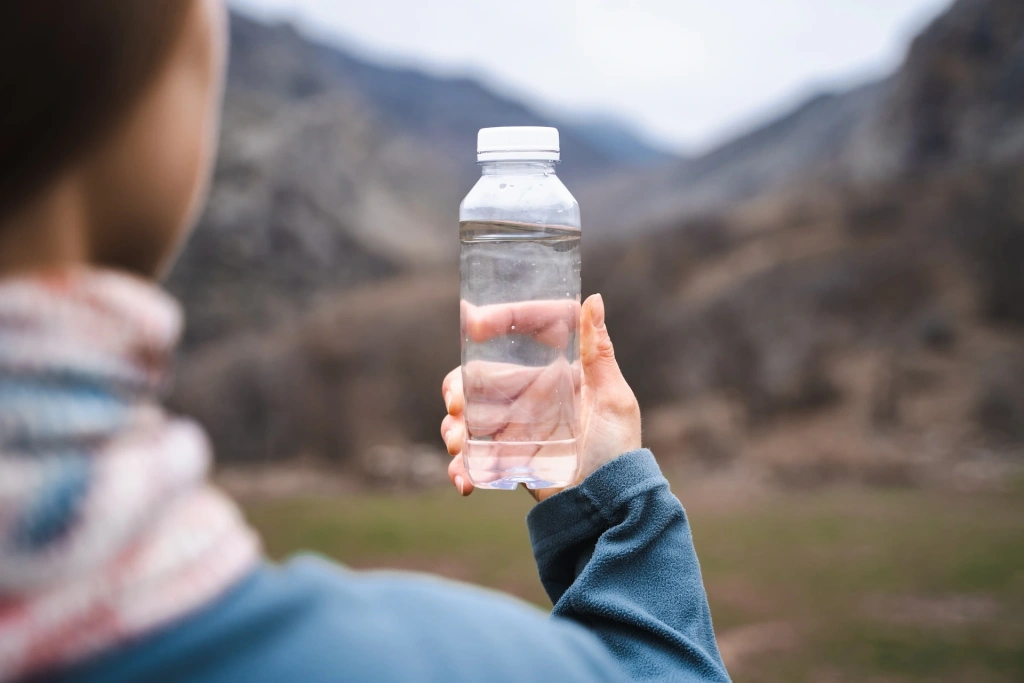
But there are also people who don’t want to leave the tent at night at all. In this case, special urination bottles can help. They can be used lying down or kneeling. Convenient urinals exist for both men and women.
Advantages of portable urinals:
- You don’t need to leave your warm tent and step out into the cold (especially useful in strong wind, rain, or snow)
- If you tend to wake up to pee several times a night, using a bottle helps you stay sleepy as you don’t have to fully wake up, get up, and move around.
- If you’re uncomfortable with public toilets, a bottle lets you avoid them entirely (although renting a private bio-toilet is an even better solution)
Who might benefit from a portable urinal? Those who struggle to fall asleep after waking, and those who pee 4–5 times a night. Note that frequent urination is a side effect when taking Diamox. This preventive medication helps overcome altitude sickness. However, it does not force everyone to pee often; the reaction is individual.
Disadvantages of portable urinals
- You need to reserve space for them in your gear (even though foldable models take up less room)
- You must learn how to use them correctly, which can be especially challenging for women
- A portable urinal requires ongoing care: wiping it after use, emptying it, and washing it every morning
- Spills can happen, soaking your sleeping bag — this is the most common and serious issue, and it can easily outweigh any benefit of using a nighttime bottle
“We always suggest avoiding it [pee bottles]. Kilimanjaro is not the Himalayas – there are no strong winds, no crazy cliffs, and no extreme temperatures. After running expeditions for 11 years, we’ve sent new sleeping bags to people who messed up with their pee bottles quite a few times.”
Dmitry Andreichuk, head of the mountain department at Altezza Travel
Another unexpected and frequently mentioned argument against nighttime bottles comes up on forums and we fully agree with it. If you use a portable urinal inside the tent, you won’t step outside beneath the starry African sky and see the breathtaking beauty that surrounds you at the equator at over 3,000 meters (10,000 ft). Some travelers even admit that their best photo of the Milky Way over Kilimanjaro was taken the moment they went outside to pee.

The best pee bottles and female funnels. Short overview and prices
Key recommendations from experienced users when choosing a camping pee bottle:
- The bottle opening should be wide enough, especially for men
- Its capacity should be slightly higher than your usual overnight volume, at least 1 liter (34 fl oz). If you need to leave the tent at night to empty it, using the bottle loses its purpose.
- The lid should screw on rather than snap, since a screw top is more secure
- Soft or foldable bottles are better because they take up less space when empty. When lying on your side, they are also easier to use than rigid bottles that require more tilting to prevent spills
- Women’s hygiene kits include funnels, and they are also sold separately. Foldable silicone funnels are especially convenient
- The bottle should feel different from your drinking bottle, so no one gets them confused in the dark. Keep this in mind when choosing one, or mark the bottle with rough tape.
We reviewed several trekking and travel websites, as well as Reddit threads, to find the best portable urinals based on user experience. Here are the most frequently recommended ones.
Disclaimer. All hygiene products mentioned in this article are listed for informational purposes only, not commercial promotion.
Nalgene Cantene
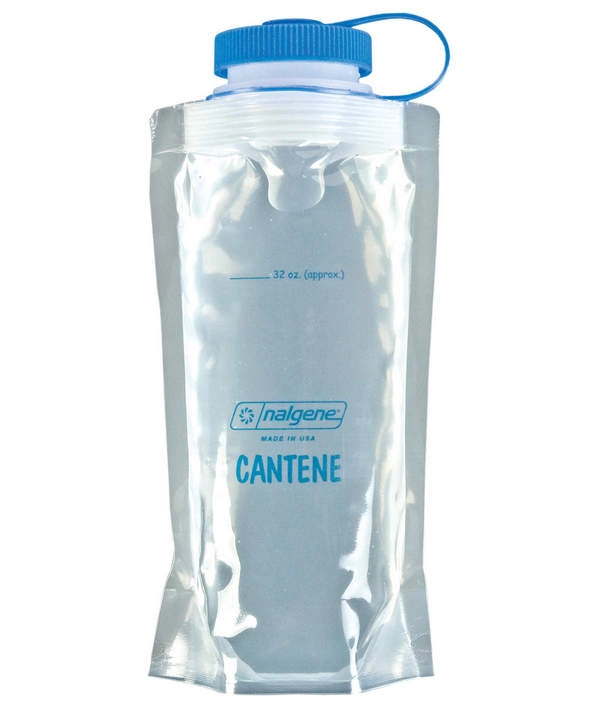
This is the clear leader in all forum discussions. Its flexible material allows the bottle to be folded during daytime transitions between camps. At night, that same flexibility lets men use it even while lying on their backs.
The Nalgene Cantene has a wide opening, and everyone who has used it points to this as a major advantage. The screw lid with a strap ensures a reliable seal. The bottle comes in different volumes, and the most popular are 32 and 48 ounces (about 1 and 1.5 liters).
Price: on the manufacturer’s website, the Nalgene Cantene sells for 19 USD.
The Nalgene bottle selection also includes classic rigid plastic models.
HydraPak Stash
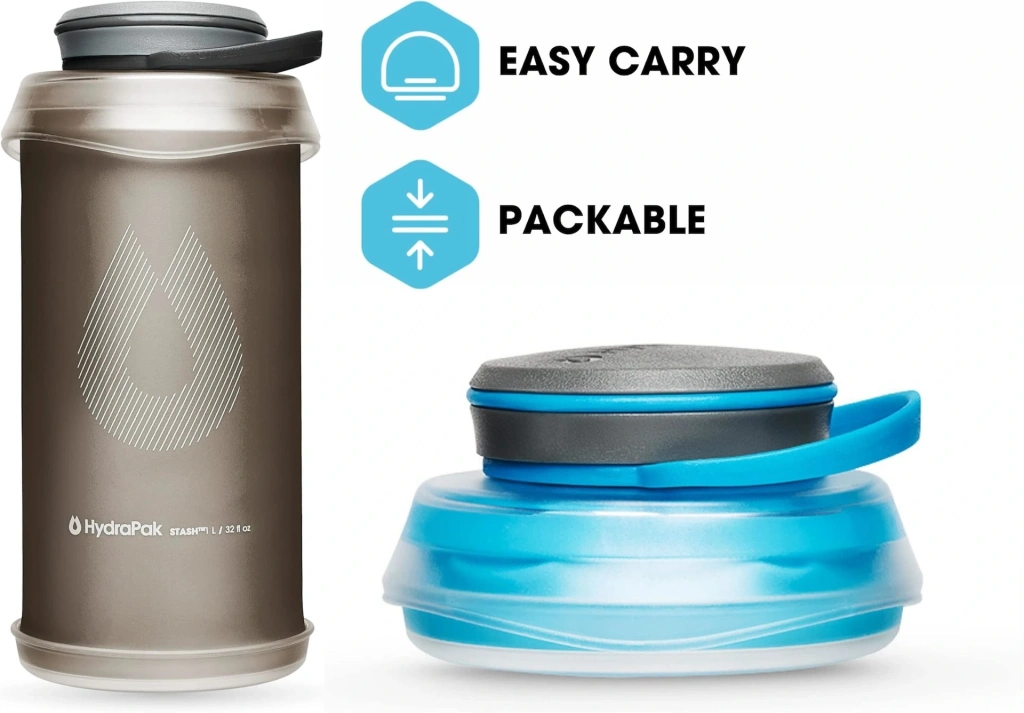
One of the most interesting foldable bottles. The material (thermoplastic polyurethane) allows it to fold to only a quarter of its original size. This model has a wide opening. It is currently unavailable on the HydraPak website, but you may be able to find it elsewhere, or you might consider HydraPak Flux bottles instead. Narrow-neck bottles are perfectly suitable for women, as the stream is directed through the funnel’s narrow spout or an extra tube.
Unisex bottle Leetye Mei
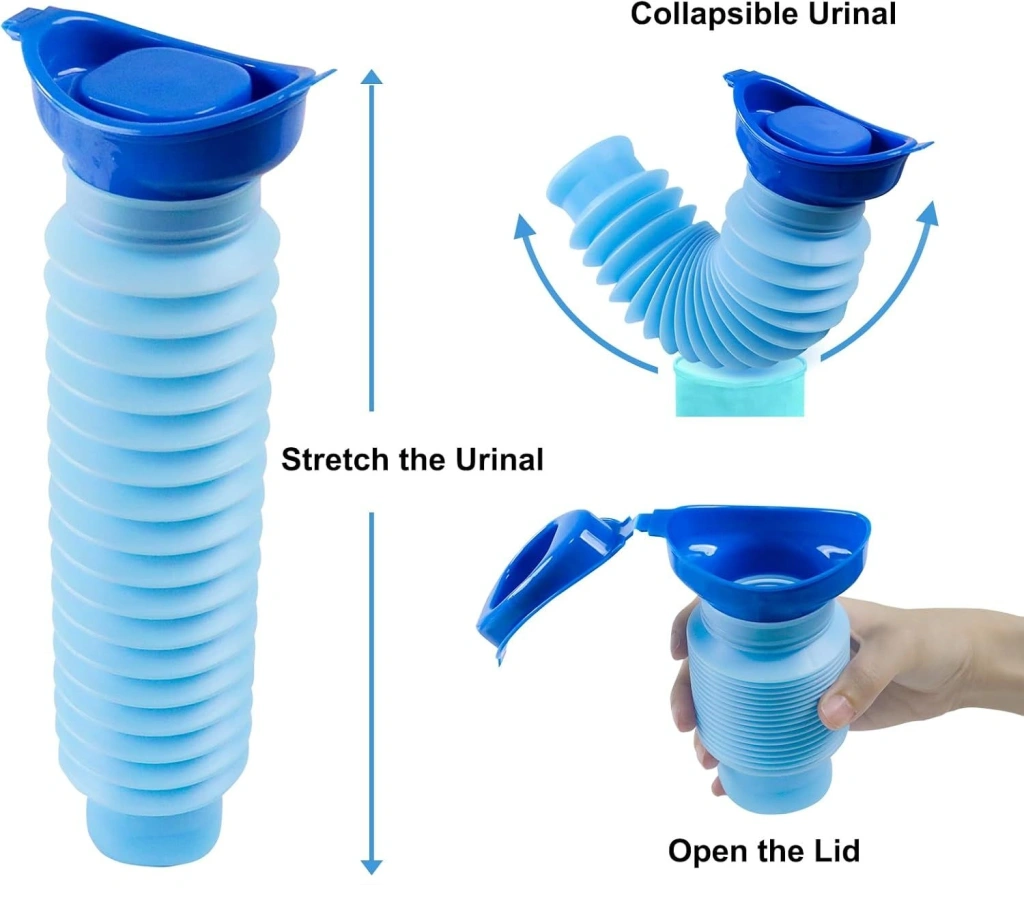
The plastic body of this bottle folds down into a compact form. The opening is suitable for everyone, though it is not as wide as specialized funnels or cups for women. Another limitation is its 750 ml (25 fl oz) capacity. Still, the small size and low price make up for these drawbacks.
Price: available on Amazon for 10 USD.
Women’s set Shewee Extreme
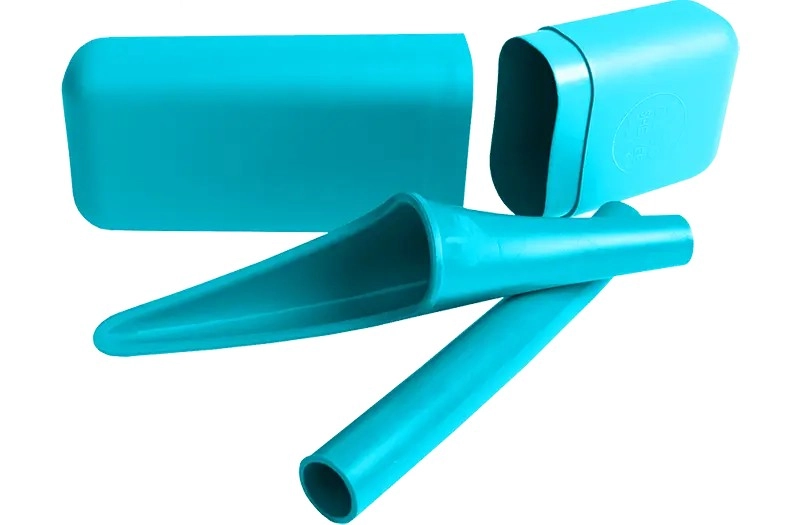
This is a funnel and a tube for directing liquid into the bottle, though in some cases you can manage without the extension tube. The items are packed in a sealed case. Material — polypropylene. This is one of the most convenient kits, highly praised by women travelers.
Price: on the official website, the Shewee Extreme sells for 18 USD.
Freshette Pee Funnel
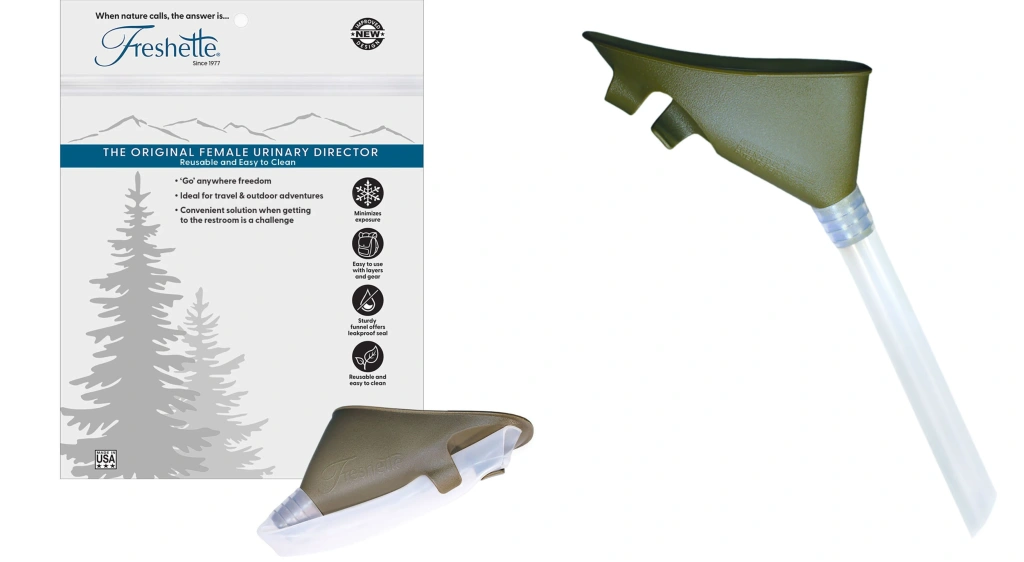
A silicone urine funnel with a tube attachment. When folded, the tube attaches to the funnel, making the device compact. The set includes a plastic storage case.
Price: the Freshette Pee Funnel set costs about 24 USD.
Foldable women’s urinal Triptips Pee Conch
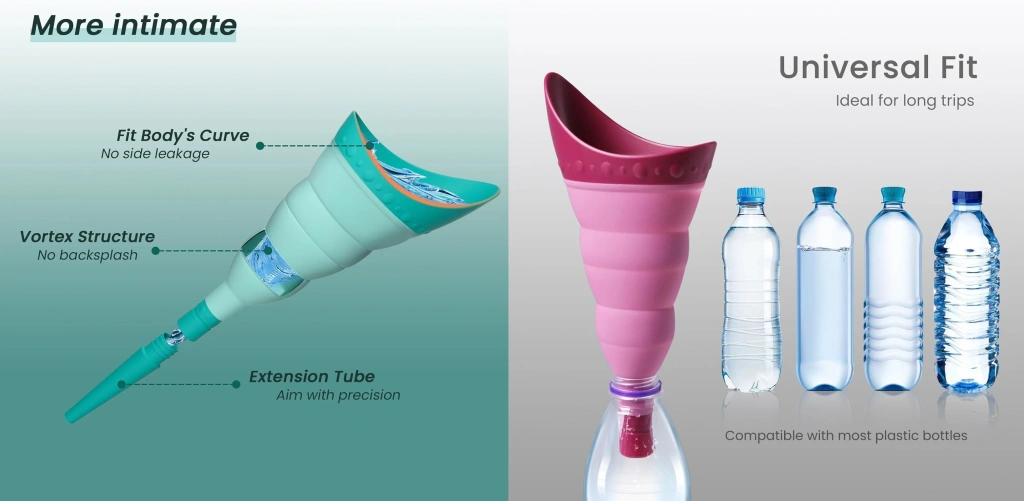
Price: available on Amazon for 14 USD.
More about hygiene on Kilimanjaro
There are other models of portable urinals, including medical ones, and you may find one that suits you best. In any case, whatever you choose, make sure to practice using it several times before taking the bottle and accessories on the climb. Look for suitable hygiene tools using queries such as: portable urinal, pee bottle, female urination device (FUD), stand-to-pee device (STP), and pee funnel.
On dedicated forums, women also often mention reusable antibacterial wipes with silver ions, such as the Kula Cloth. Reviews praise them as very convenient and superior to other hygiene products.
Some travelers recommend disposable bags, such as Disposable Urine Bags DIBBATU. These bags contain an inner absorbent pad that turns liquid into gel in under a minute. Some female travellers also admit to using Ziploc bags. This is a bad idea on Kilimanjaro because the risk of spilling liquid on your sleeping bag is too high. We therefore recommend choosing bottles.
For other sensitive questions that may arise during a mountain expedition, read our article about hygiene during a Kilimanjaro climb. To choose the right gear and learn more about physical training, altitude sickness, and other important details, explore our other preparation articles for Kilimanjaro expeditions on the Altezza Travel website.
We look forward to seeing you on Kilimanjaro, and we hope your journey to the summit will be both exciting and comfortable.
All content on Altezza Travel is created with expert insights and thorough research, in line with our Editorial Policy.

Want to know more about Tanzania adventures?
Get in touch with our team! We've explored all the top destinations across Tanzania. Our Kilimanjaro-based adventure consultants are ready to share tips and help you plan your unforgettable journey.
 Climbing
  Safari
  About Tanzania
  Islands