





 52 reasons
  Free PDF


 Message us on WhatsApp
  Book a Free Call

 Islands
 On average, a traveler in Zanzibar spends about $65 per day, according to Budget Your Trip data as of January 2026. This is realistic if you are willing to use public transport that is generally less safe than transfers, stay in a cheap hostel without air conditioning, and buy food exclusively from local vendors, often at your own risk.
But let’s be honest: the island reveals itself in a completely different way if, instead of strict budget travel, you choose a private villa with a personal pool and direct access to the ocean, impeccable service, and fine dinners on a sunset-facing terrace. This kind of vacation costs $400–1000 per day, which is more than reasonable for the level of experience you get.
In this article, we answer the question “Is Zanzibar expensive?”, along with a full breakdown of the main expense categories with up-to-date prices and examples.
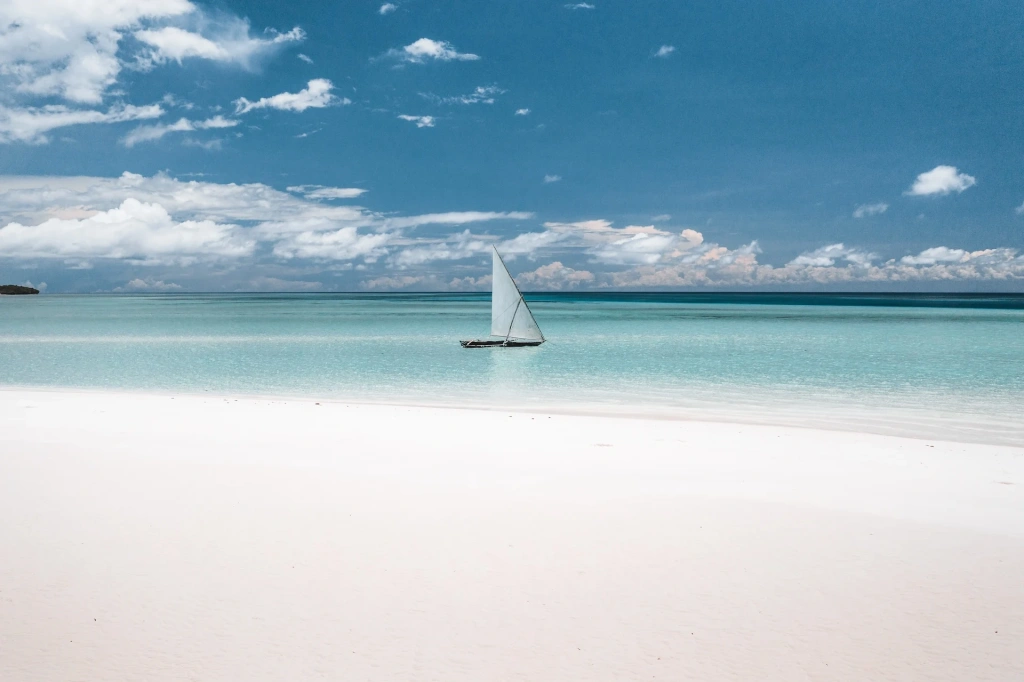
Average Zanzibar vacation cost
The prices in the table are indicative. The final cost also depends on the room or villa type, even within the same resort. In high season, maximum rates can exceed the figures listed above.
It’s also common in Zanzibar for a hotel to label itself as 4* on its website or booking platforms, while in reality it barely meets a 3* standard. This happens quite often, so price is usually a more reliable reference point when choosing accommodation.
When planning your trip, it’s important to factor in seasonality. The best time to visit Zanzibar is from June to October. During this period, there is very little rain, the weather is sunny, and temperatures remain comfortable. It is usually much hotter at the beginning of the year – in late December, January, and February. Keep in mind that Christmas and New Year attract especially large numbers of visitors, so hotels should be booked well in advance.
The rainiest month is April. There are very few travelers at this time, but the weather is far from ideal. As an alternative, consider visiting in May, right after the rainy season but before prices start to rise.
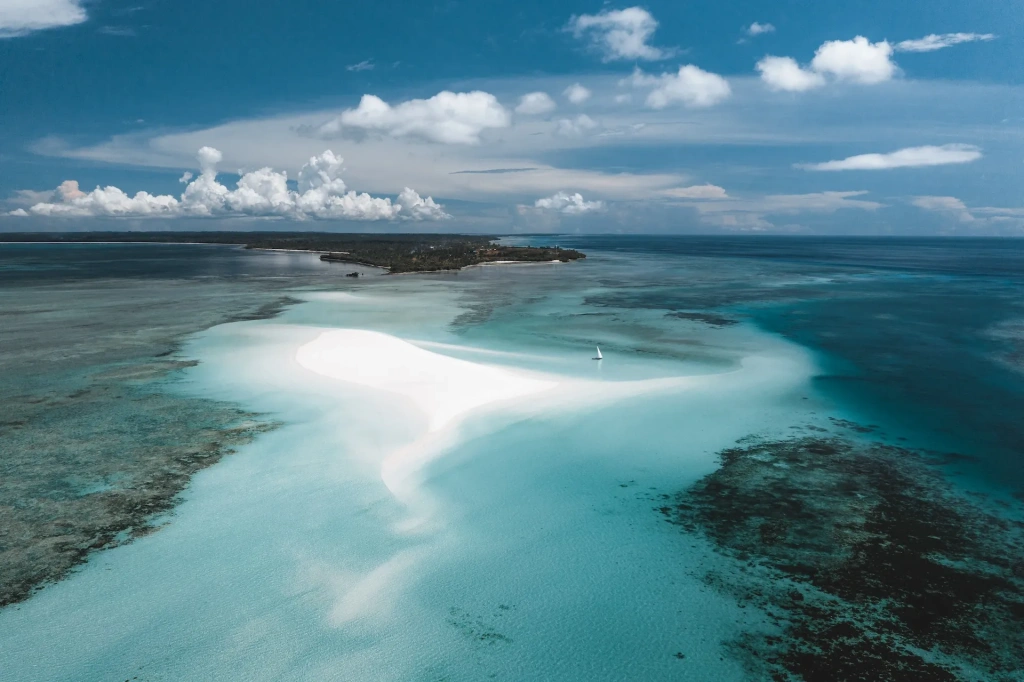
How much does a flight to Zanzibar cost?
Flights are the first major expense. The good news is that even as of early 2026, Zanzibar remains a relatively affordable destination, especially if you book in advance and travel outside peak season.
The island is served by Abeid Amani Karume International Airport, located about 10 minutes’ drive from Stone Town, the capital of Zanzibar. If you are already in Tanzania, for example, in Dar es Salaam, a domestic flight to the main island costs $50–120 one way and takes about 30 minutes. The ferry takes about 2 hours, and tickets cost $35–40.
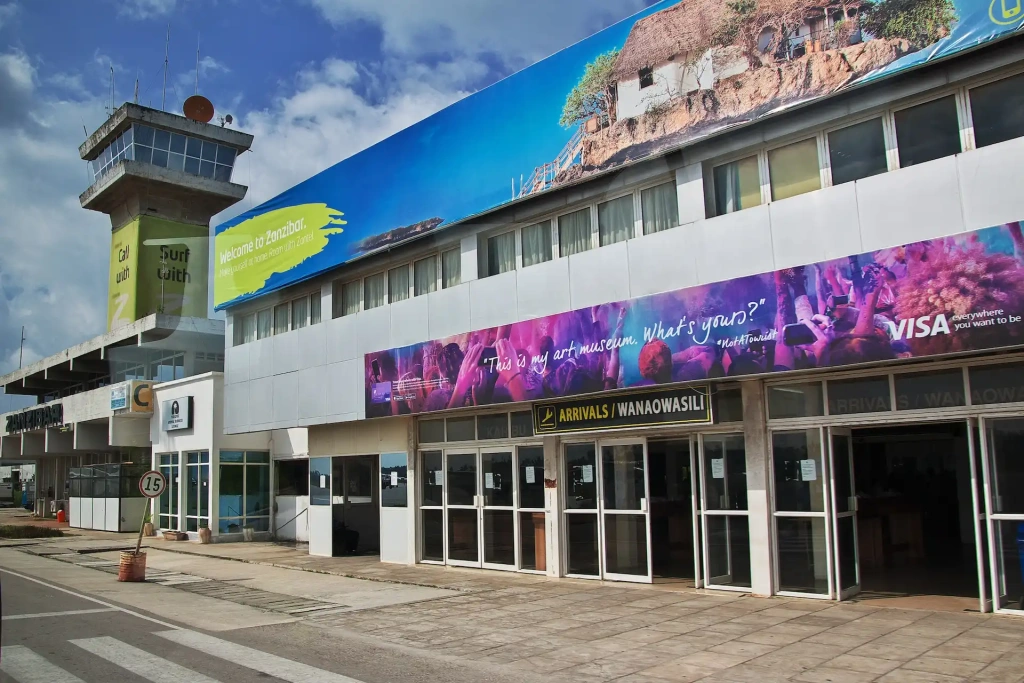
You can also fly to Zanzibar directly from some European countries, without connecting through mainland Tanzania. Round-trip tickets in low season with connections can cost as little as $850–1200 — prices like this are sometimes offered by Turkish Airlines, Qatar Airways, Emirates, and other international carriers. In high season, fares traditionally rise, often adding $200–300 one way, or even more. The table below lists airlines that operate direct flights to Zanzibar.
Zanzibar hotels for every budget
The archipelago offers accommodation across a wide price range, from hostel dorm beds to luxurious beachfront bungalows with private pools. If you book your hotel on Zanzibar 2–3 months before your trip, you can usually save 10–20%.
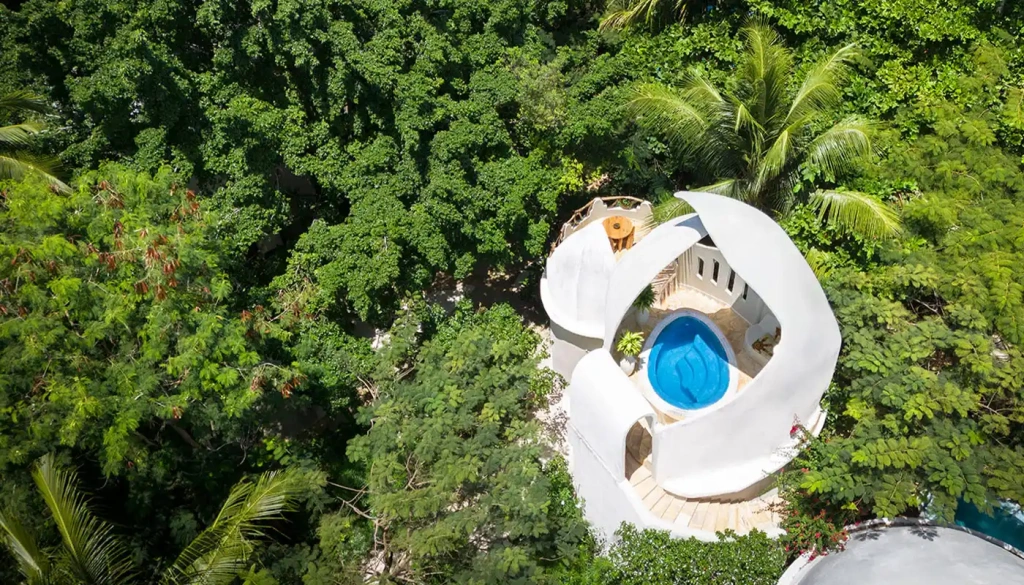
If you are worried about whether Zanzibar is expensive, rest assured – budget hostels and hotels offering basic comfort are easy to find. However, theft can occasionally occur in such places, including rented Airbnb rooms. If you choose budget accommodation, it’s best to keep valuables and cash in a safe or carry them with you at all times.
That said, Zanzibar is one of the most beautiful places on the planet. It’s meant to be enjoyed, not endured. If your budget allows, it’s better to choose a comfortable accommodation option from the start. The island offers many charming boutique hotels and spacious luxury villas with impeccable service. For $400–1000 per night, you’ll get the feeling that the entire island belongs to you.
- The Residence Zanzibar. A luxury villa resort set on 32 hectares (79 acres). On one side, there is dense coastal forest inhabited by rare red colobus monkeys; on the other, a 1-kilometer (0.6-mile) sandy beach. The Residence Zanzibar is an ideal place for a secluded holiday surrounded by exotic nature. The resort offers both spacious one-bedroom bungalows and family villas with multiple bedrooms and ocean views — each with its own private pool. There is also a spa center, 3 restaurants, bars, a fitness center, and a tennis court.
The downside is the muddy seabed with sea urchins along the beach, so guests usually swim in the pool. The coastline here is better suited for walks and scenery than for swimming.
In low season, nightly rates range from $500 to $1500+, depending on the villa type. In high season, prices start at $1,000 and can reach $5,000.
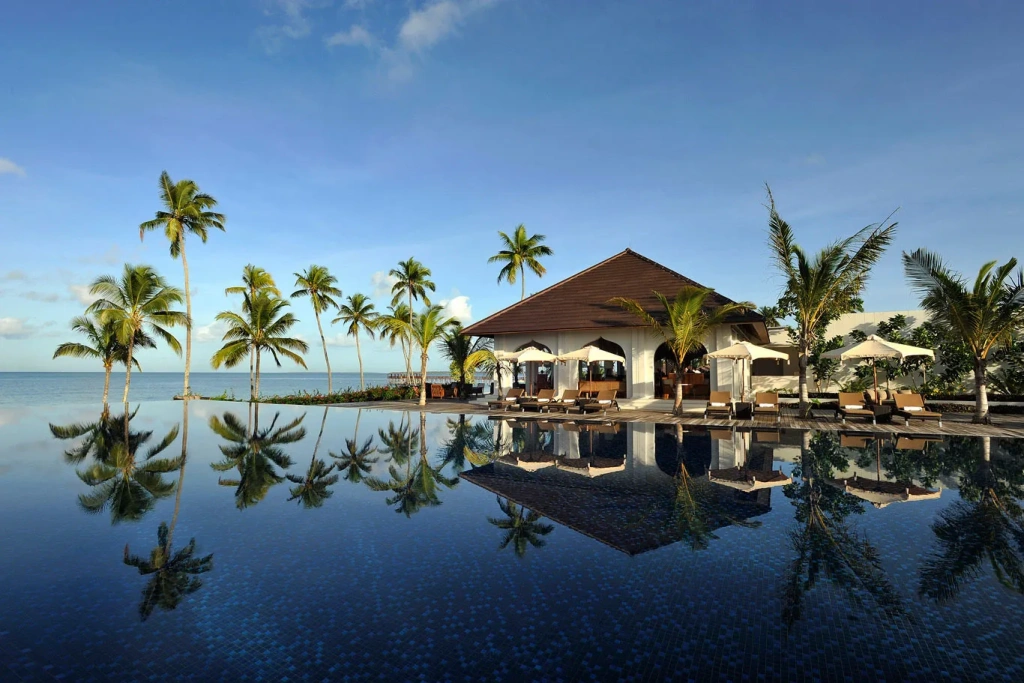
- Zuri zanzibar. A five-star resort about 30 minutes’ drive from Stone Town, surrounded by tropical greenery and with direct access to its own 300-meter (about 985-foot) private beach. The resort features over 50 bungalows and villas, from one-bedroom units to family accommodations. On site, there are 3 restaurants serving African, European, and Arabic cuisine, 4 bars, and a large heated pool. Guests can join yoga sessions and dedicated wellness programs. Nightly rates start at $1000 in low season and from $1700 during peak season.
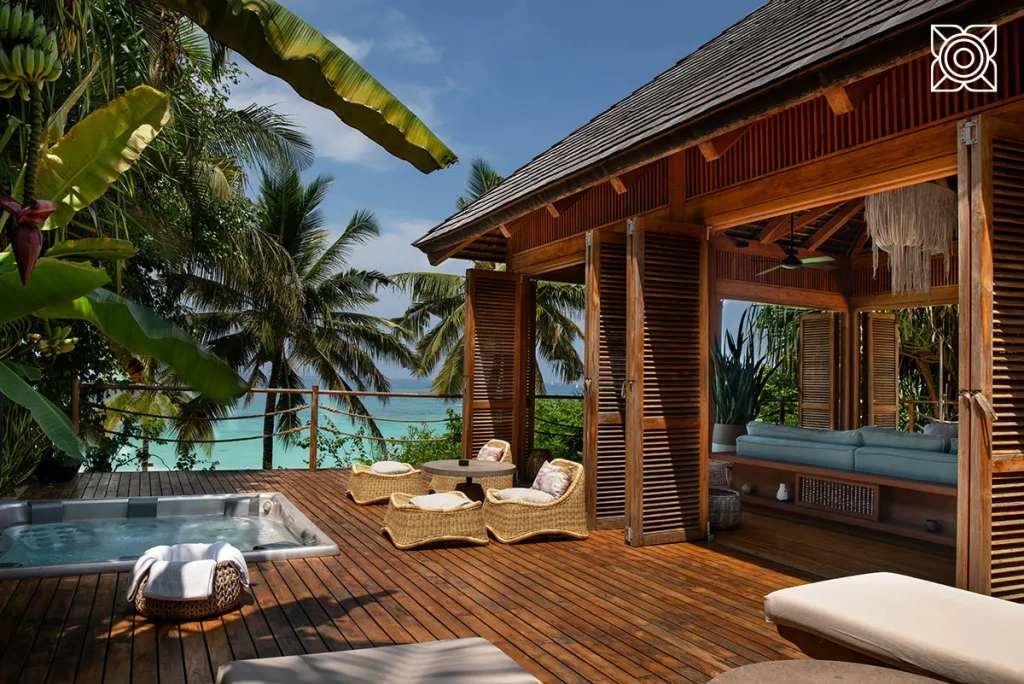
- Zanzibar White Sand Luxury Villas & Spa. A boutique resort on Paje Beach with over 20 villas, all with private pools; some also feature spacious terraces and direct access to the sandy promenade. The resort includes a bar and restaurant, its own kitesurfing center, and one of the best spa complexes in East Africa. Guests are offered personal butler service. In low season, villas cost $600–$1,000 per night; in high season, prices start at $1,500.
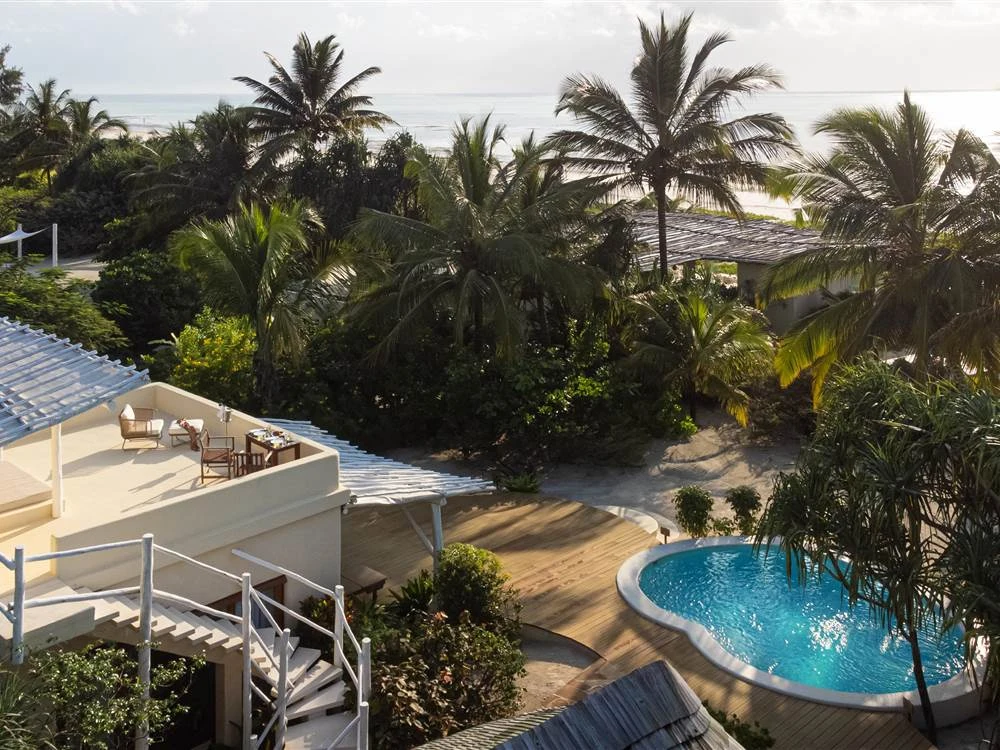
- Xanadu Villas & Retreat Zanzibar. This resort complex includes 9 oceanfront villas on a secluded beach in the Jambiani area. Each villa has its own private pool, and some pools are located directly on the rooftop – perfect for swimming under the stars. Dinners can be prepared and served almost anywhere: inside the villa or right on the beach. Other highlights include a waterfront spa, personal butler service, yoga sessions, and sunset boat trips. Prices range from $800–$1000 in low season to $1,500+ in high season.
How expensive is food in Zanzibar?
Zanzibar’s traditional cuisine is built around fresh seafood and local spices. Popular dishes include fish, shrimp, squid, octopus, and tuna, usually grilled or stewed in coconut milk with curry, cloves, and cinnamon. Side dishes are most often rice, ugali (corn porridge), or fried bananas.
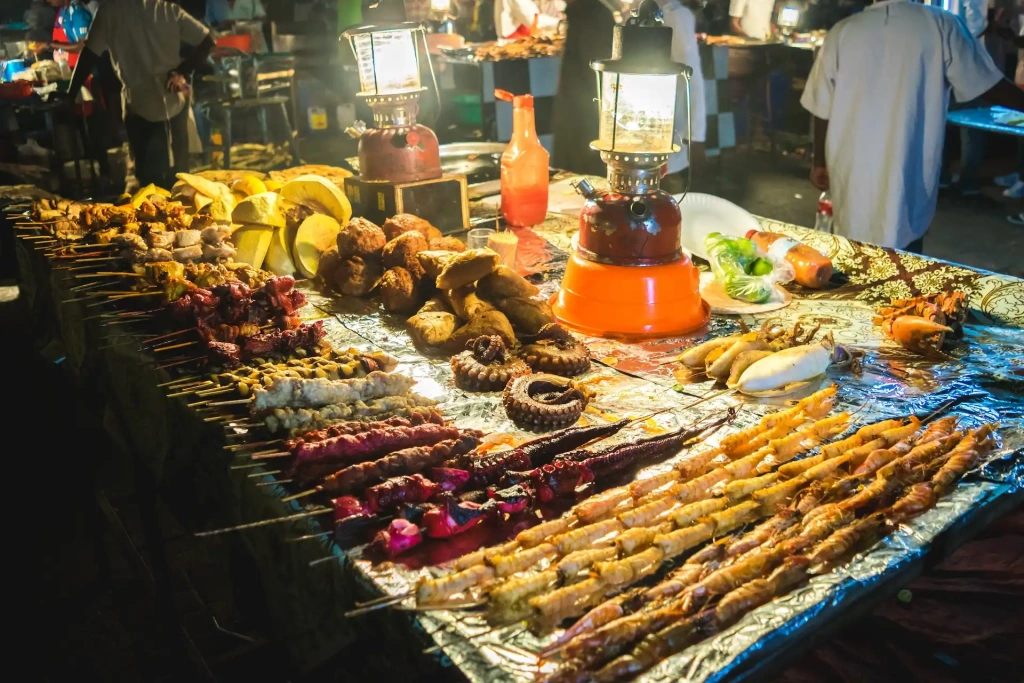
The most authentic way to experience the island is to visit an evening market or local eateries where residents eat. A prime example is the Forodhani Night Market in Stone Town, where you can try the famous Zanzibar pizza for $2–3, octopus skewers for $4–6, and the traditional local soup urojo for about $2.
Another great option is Lukmaan Restaurant in Stone Town — a small, cozy place whose reputation extends far beyond the island. A full meal here costs just $5–8, and it’s considered one of the best spots for on the archipelago. Keep in mind that evenings can be crowded and seating is limited, so it’s best to arrive early. The food is simple, home-style, and generously spiced.
From the mid-range category, 6 Degrees South on Paje Beach stands out – an iconic bar-restaurant where grilled seafood is served during the day and cocktails in the evening. There is a spacious wooden terrace with low tables right by the water, and many guests dine barefoot. Portions are generous, ingredients are always fresh, and prices are reasonable: $15–25 for a grilled seafood platter and $10–14 for pizza. Cocktails cost $7–10, beer $3–4.
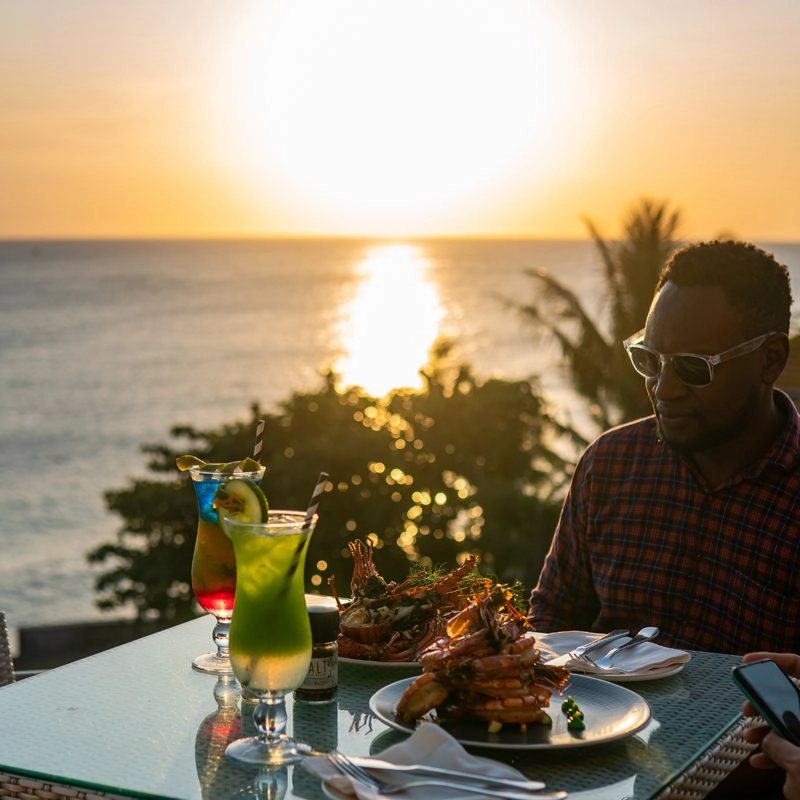
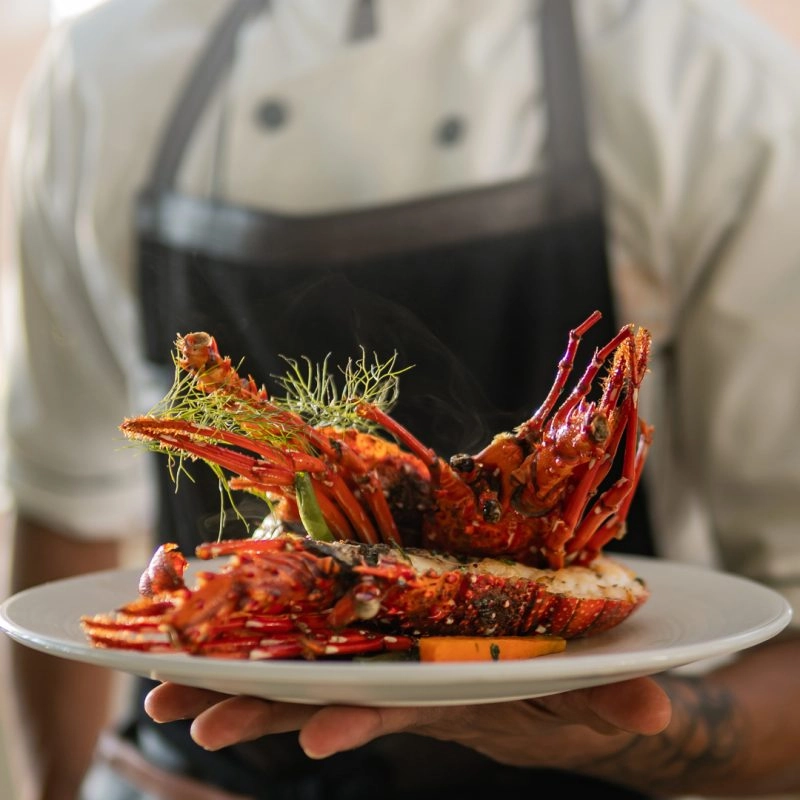
Zanzibar also has high-end restaurants where people go not just for the food, but for the atmosphere – to enjoy a unique evening with panoramic ocean or city views and premium service. This kind of “VIP experience” costs around $100 per meal.
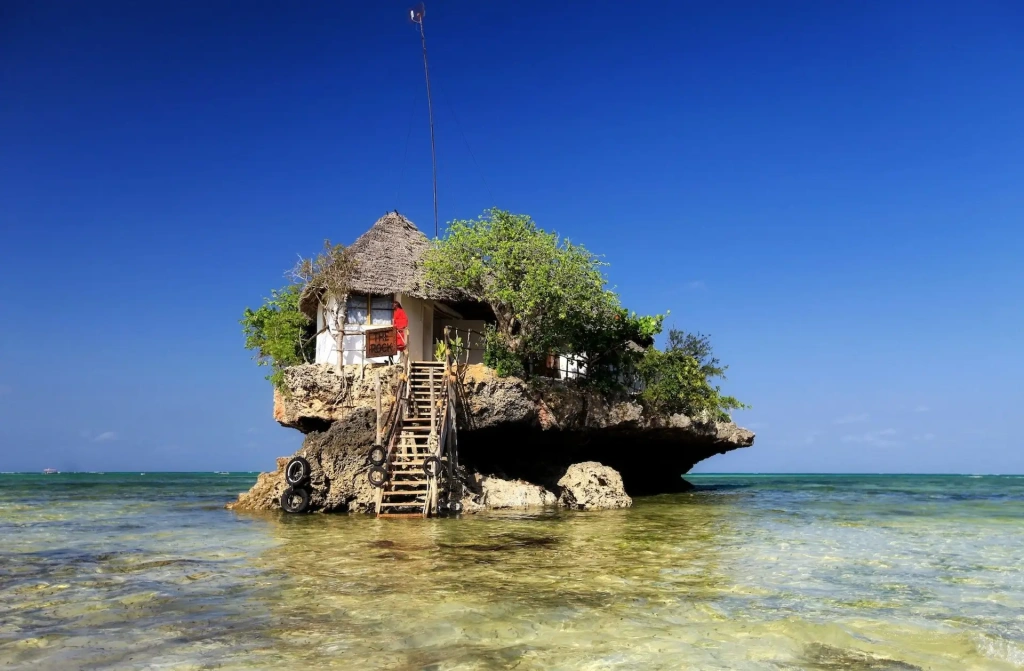
- The Rock Restaurant in the village of Michamvi Pingwe (east coast of the Michamvi Peninsula) is the island’s most famous culinary landmark – a restaurant perched on a small rock in the ocean. Tides on Zanzibar can be significant on some beaches, so during high tide, guests reach the restaurant by boat, while at low tide it’s accessible on foot across the sand. The menu features the freshest seafood, including octopus, lobster, tuna, and king prawns, all grilled. A lunch set costs $60–80, while dinner with wine runs $90–120 per person.
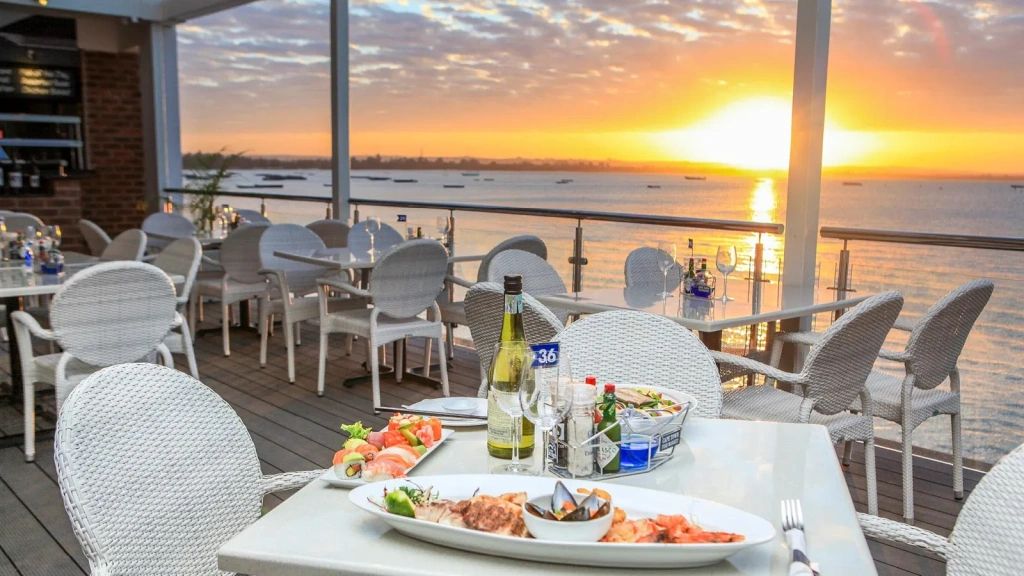
- Cape Town Fish Market Zanzibar. A restaurant with a spacious terrace and spectacular sunset views, serving fresh seafood with an African twist and excellent South African wines. Live music plays in the evenings, creating a lively yet romantic atmosphere. Dinner for two costs $70–140.
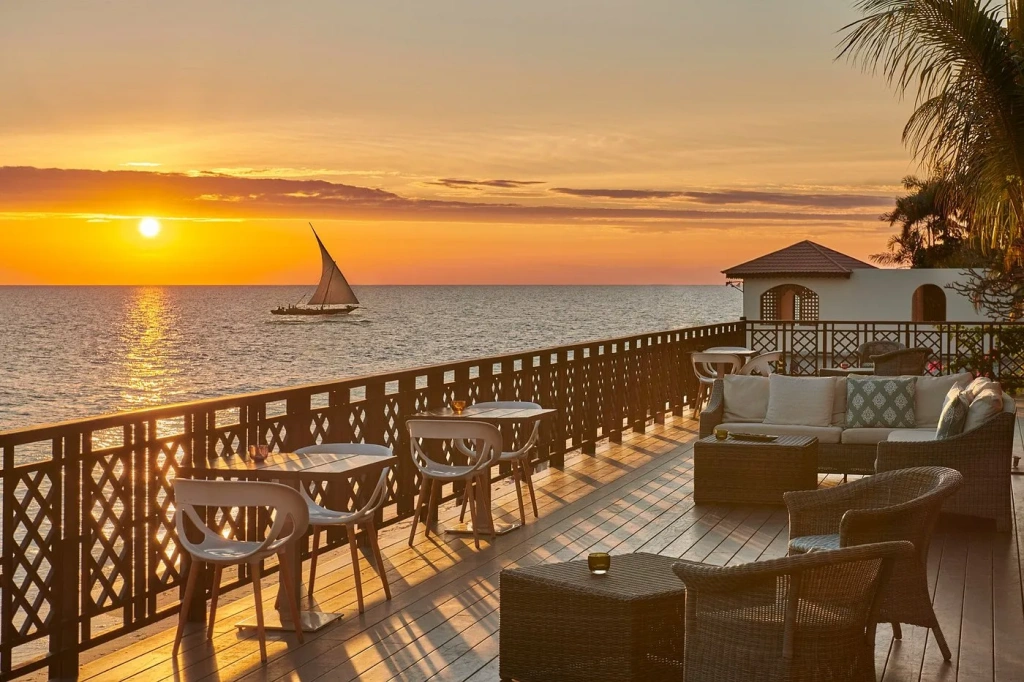
- Beach House Zanzibar. A restaurant in the heart of Stone Town with a large open terrace overlooking the Indian Ocean. The cuisine is a refined blend of African, Asian, and Portuguese flavors. Dishes include octopus, prawns in coconut sauce, and seafood paella, while cocktails are made with local spiced gin. Dinner for two with drinks costs up to $120.
How much do activities cost in Zanzibar?
The island’s greatest asset is its nature: the warm Indian Ocean, white sandy beaches, and mangrove forests. The most spectacular show is the deep red sunset over endless water. And it’s completely free.
If you want to add cultural experiences to your itinerary, be sure to visit Stone Town, where narrow streets are lined with unique examples of colonial-era architecture. You’ll also find the Freddie Mercury Museum, dedicated to Zanzibar’s most famous native, and the Slavery Museum, which sheds light on a dark but important chapter of the archipelago’s history.
As for other activities on Zanzibar, several popular options stand out.
Spice farm tour ($20–180)
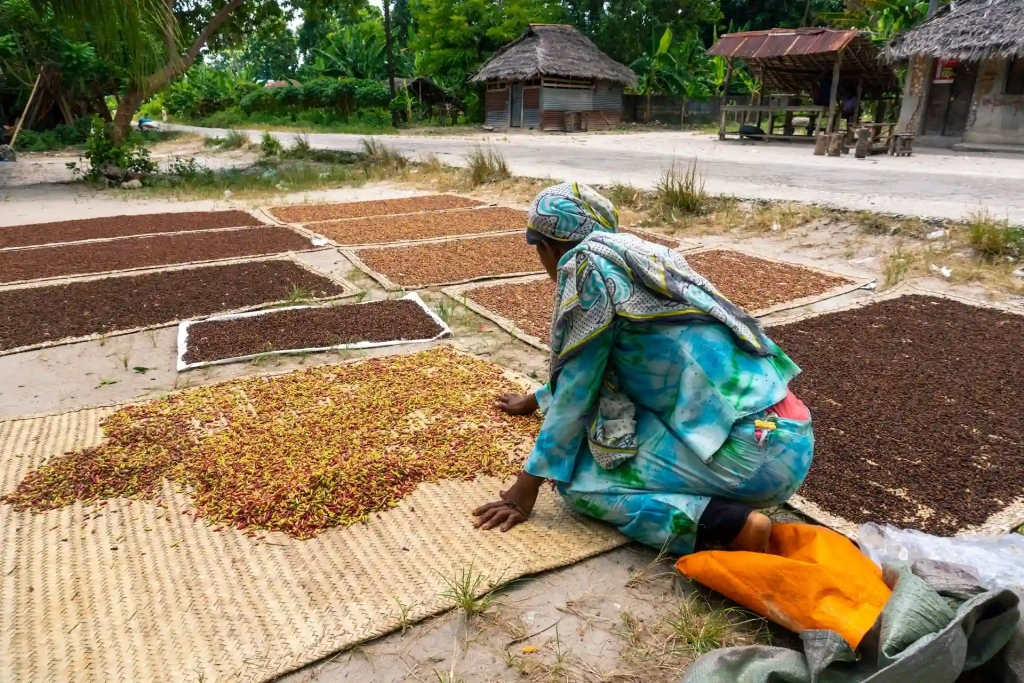
Zanzibar was once a global hub for the trade of cloves, vanilla, cardamom, and other spices. Large plantations still operate today, producing aromatic seasonings.
During the tour, guides explain how spices are grown, processed, and used in local cuisine. A spice farm tour usually lasts 3–4 hours and includes a hearty lunch prepared on site. Through a tour operator, such an excursion costs around $180. With a private local guide, prices range from $20–30, but tours may be in large groups and often exclude transfers and lunch.
Jozani Forest excursion ($10–120+)
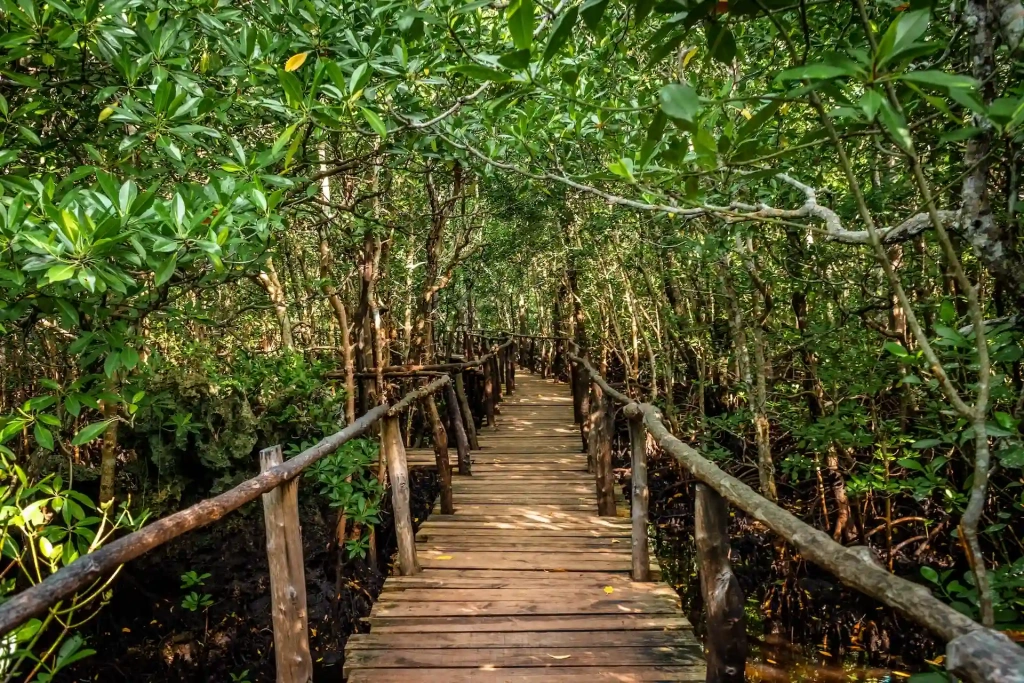
A walk through one of the world’s oldest forests doesn’t take long, but it leaves a strong impression. During the tour, you can see the rare Zanzibar red colobus monkeys, which are endemic to the island and found nowhere else. The route follows shaded paths among tall trees and wooden walkways through mangrove swamps.
The drive from Stone Town to Jozani Forest takes about 50 minutes. Entrance to the reserve costs around $10 per person, including a guide, but prices can change, so it’s best to confirm locally. A private tour with a separate operator costs around $120.
Snorkeling and diving ($60–150)
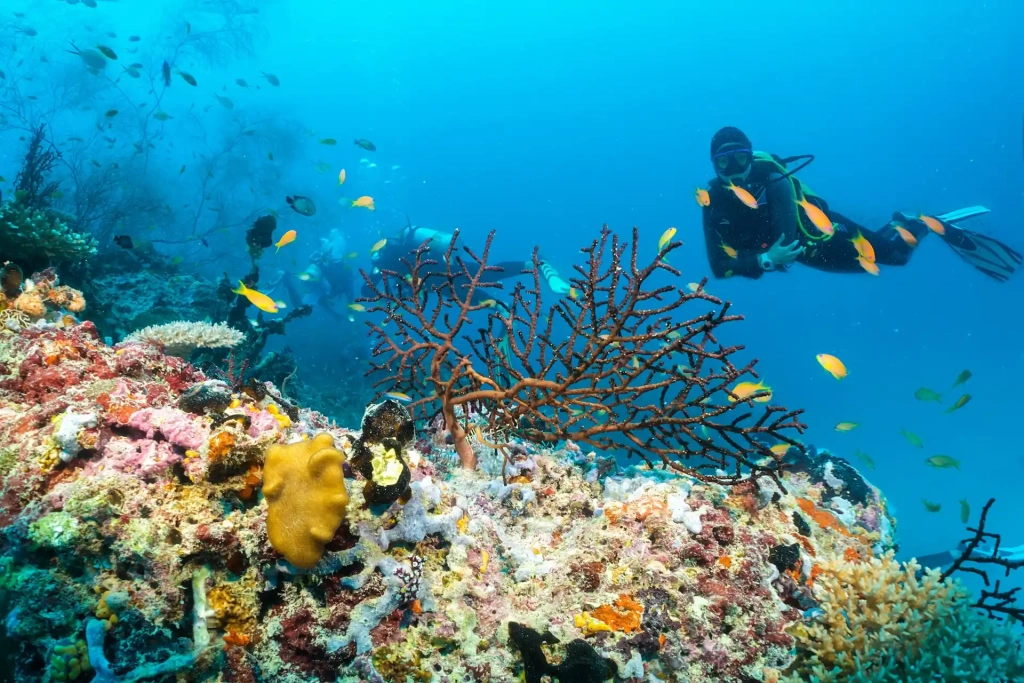
The best months for underwater activities are January and February, especially around Mnemba Reef and Mafia Island. Water visibility is excellent, making it easy to see vibrant corals, schools of fish, sea turtles, and even whale sharks, which come close to Mafia Island during this period.
Snorkeling tours usually include 1–2 hours in the water and cost $60–100. A private boat for your group costs $120–150. Diving trips typically include 1–2 dives with an instructor; a single dive costs $50–80, including equipment rental. A full beginner’s course with 4–6 dives costs $300–500.
Kitesurfing ($70–100)
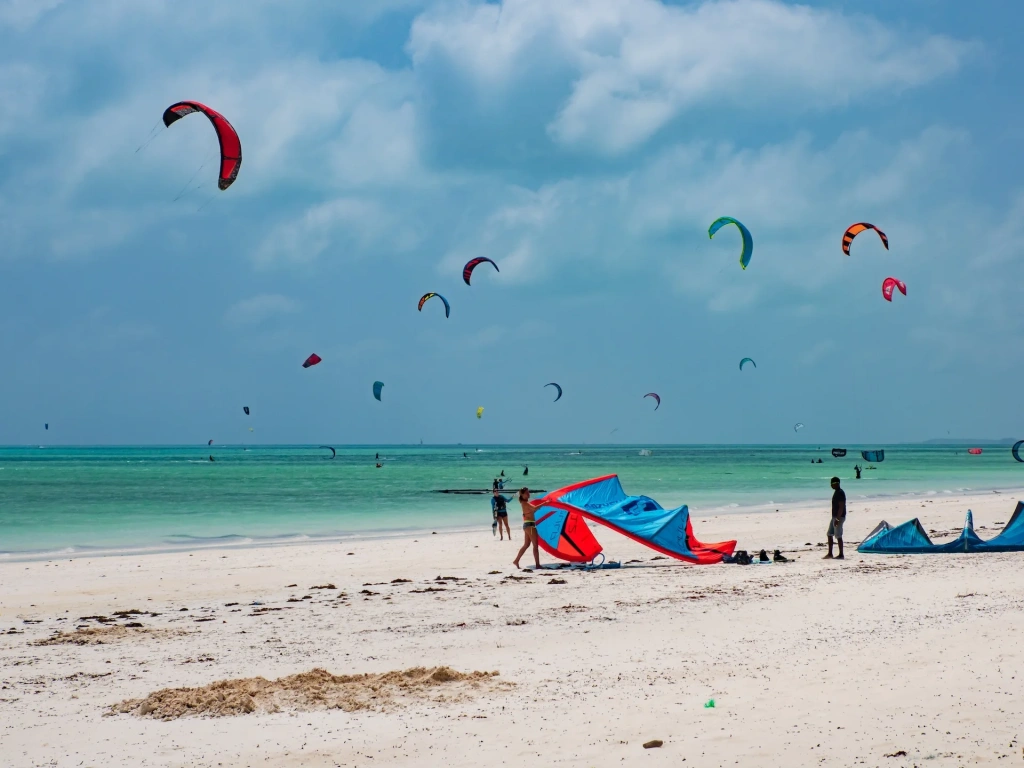
One of the most popular kitesurfing spots is Paje Beach on the southeast coast. Winds here are stable during the season and well-suited for beginners. The best periods are June to October and December to March. From June to October, winds are stronger and more consistent, which is why many professionals visit at this time. A one-hour private lesson with an instructor and equipment costs $70–100. A beginner’s course of 8–10 hours costs $450–600.
Sunset dhow cruise ($25–90)
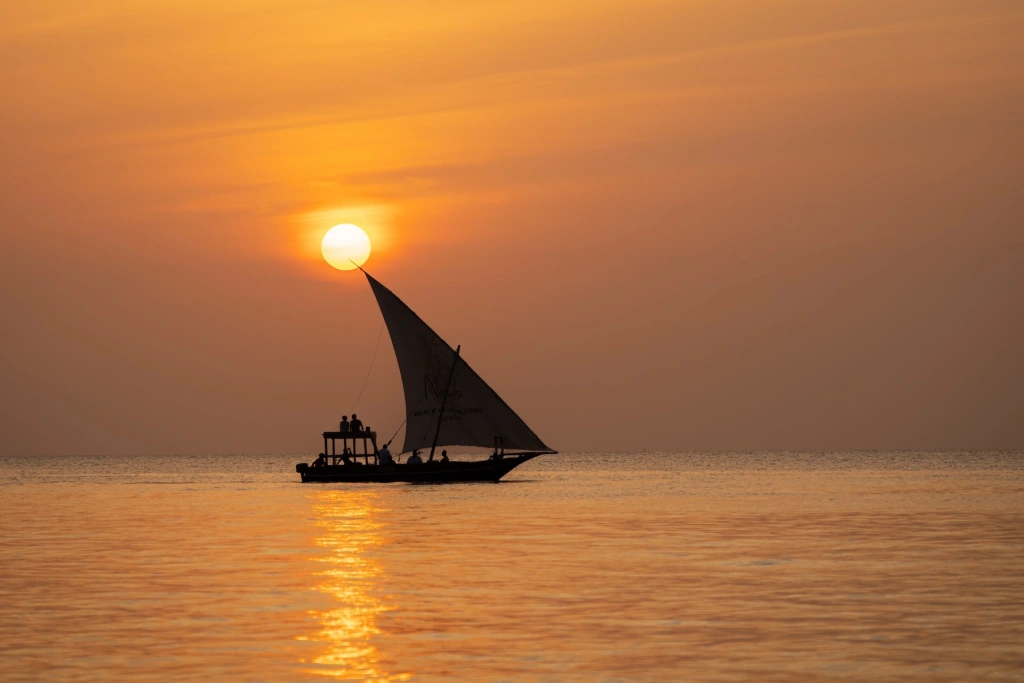
A dhow is a traditional wooden boat with a triangular sail. Cruises usually depart from Nungwi, Kendwa, or directly from Stone Town, about 1–1.5 hours before sunset. Guests sit on soft cushions while being served chilled drinks, fruit, and light snacks as the dhow slowly sails along the coast. The trip lasts about 2 hours and ends at dusk.
Group cruises on a boat with around 20 seats cost $25–40 per person. Private charters for small groups cost $90–150. Booking in advance is recommended, especially in high season.
Which excursions in Zanzibar are best avoided?
A beautiful signboard and loud claims about wildlife conservation are not a guarantee that a place isn’t driven purely by profit. Unfortunately, many so-called “private sanctuaries” simply exploit animals for money. Genuine wildlife conservation does not involve close contact with humans. If you are offered the chance to swim with a turtle or pet a cheetah, this is not helping animals – it’s just a show.
At Altezza Travel, we strongly advise avoiding places where you are encouraged to take photos of hugging animals, feed them by hand, or even touch them. Establishments with questionable reputations include:
- Cheetah’s Rock zoo
- Baraka Natural Aquarium turtle interaction pool
- Mnarani Marine Turtles Conservation Pond
- Salaam Cave Aquarium Zanzibar
Even projects that appear well-intentioned can be problematic in reality. For example, Changuu Island is home to a famous giant tortoise sanctuary originally created to restore their population. However, visitors are allowed direct access to the animals and permitted to feed them by hand. The tortoises live in confined spaces with minimal vegetation, while hatchlings are kept in small enclosures and experience stress due to constant human contact.
How much do taxis and other transport cost in Zanzibar?
There are several ways to get around the island, but keep in mind that roads are narrow, traffic is chaotic, and local driving styles can be risky. For this reason, it’s best to use official taxis or trusted drivers recommended by your hotel. Public transport does exist, so let’s look at all options.
Dala-dala – local public transport
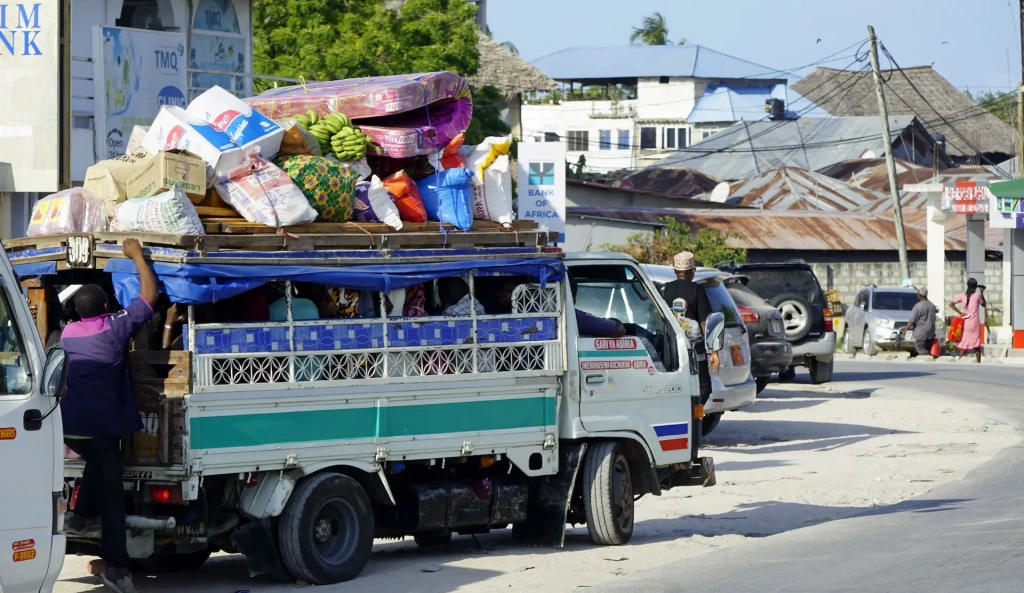
Fares cost around $0.20–0.80 within one area and about $2 for longer routes, such as from Stone Town to Nungwi Beach. This is the cheapest option and a chance to experience local life up close. So, the question “Is Zanzibar cheap?” can be answered positively when it comes to some local services.
However, the downsides outweigh the benefits: cramped conditions, heat, and old vehicles that frequently break down. Dala-dalas operate roughly from 6:00 AM to 7–8:00 PM, with no fixed schedule. If you decide to use them, carry small amounts of cash in Tanzanian shillings and be prepared for drivers not to have change.
Taxis – comfortable and safer
Taxi prices depend on distance, time of day, and the driver. Short rides within Stone Town cost $15–25. A taxi from the airport to the city can cost $60 or more, with higher night rates. Always agree on the price before getting in and clarify whether it’s per car or per person
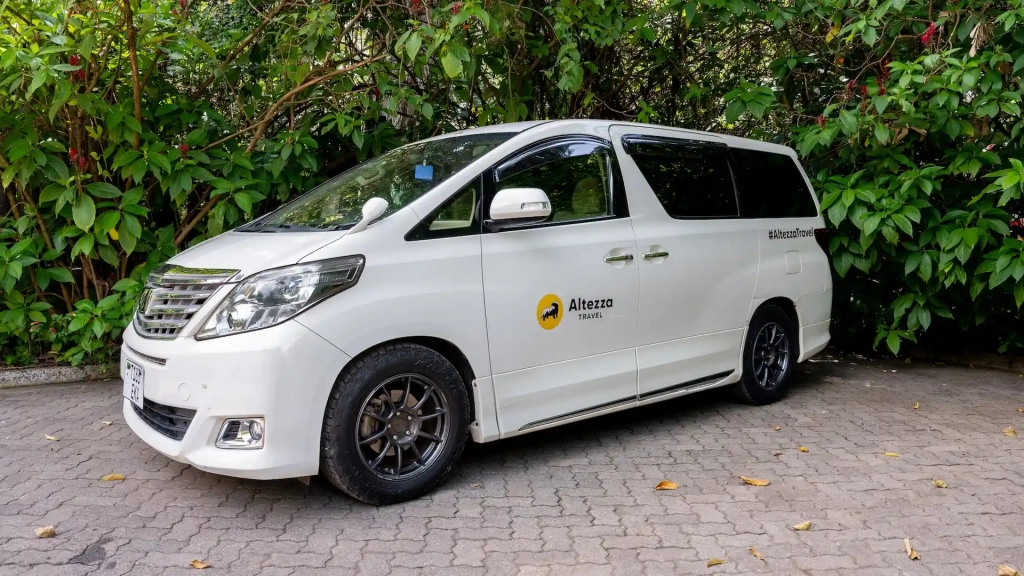
Private driver – the most convenient option
Hiring a car with a driver for a full day (8–10 hours) costs from $250, depending on route and season. This price includes a modern, air-conditioned vehicle. Many hotels and guides can recommend trusted drivers.
Boda-boda (motorcycle taxis) – fast, but risky
A quick and cheap way to cover short distances — rides of 2–5 km (1–3 miles) usually cost $2–5, with prices increasing 1.5–2× at night.
The advantage is speed: motorcycles can easily bypass traffic. But as with dala-dalas, the drawbacks are serious. Expect little to no protection. At best, the driver may offer an old helmet. Road accidents are common in Zanzibar, and riding with a private motorcycle driver is dangerous. We strongly advise against using this type of transport.
Car or scooter rental
A car such as a Toyota RAV4 can be rented for about $40–70 per day, excluding fuel. A scooter costs $20–30 per day. You will need an international driving license (categories A and B, depending on the vehicle).
Note that most rental companies require drivers to be at least 23 years old. This is not a legal requirement (the legal driving age is 18), but a common company policy to reduce insurance risks. Also, remember that roads are narrow and often in poor condition, traffic is left-handed, and drivers rarely follow traffic rules strictly. All of this creates serious risks.
Is Zanzibar expensive: frequently asked questions
As in mainland Tanzania, the official currency is the Tanzanian shilling (TZS). However, in tourist areas, US dollars are widely accepted in restaurants and even in souvenir shops.
Banks and official exchange offices in Stone Town usually offer better rates than hotels or airport exchange counters. It’s best to exchange a small amount upon arrival for initial expenses such as taxis or snacks, and then exchange larger sums at banks in the city. Never use street money changers – they may lure you with better rates, but can give counterfeit bills or disappear with your money.
All content on Altezza Travel is created with expert insights and thorough research, in line with our Editorial Policy.

Want to know more about Tanzania adventures?
Get in touch with our team! We've explored all the top destinations across Tanzania. Our Kilimanjaro-based adventure consultants are ready to share tips and help you plan your unforgettable journey.
 Climbing
  Safari
  About Tanzania
  Islands