





 52 reasons
  Free PDF


 Message us on WhatsApp
  Book a Free Call

 About Tanzania
 Where in Africa can you see snow and temperatures plunging to −20 °C (−4 °F)? From Morocco’s alpine “Little Switzerland” to the ice-capped peaks of Kilimanjaro, here are the coldest places on the continent.
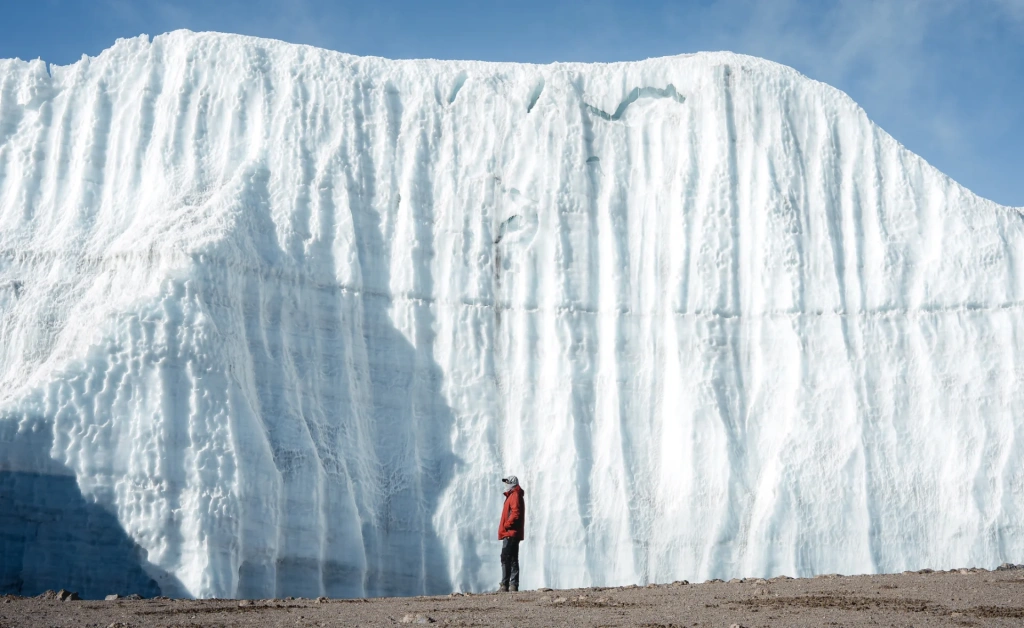
The list of the coldest countries in Africa is led by Lesotho, Morocco, South Africa, Ethiopia, Tanzania, as well as the highland regions of Uganda and the Democratic Republic of the Congo. In many regions of these countries, temperatures regularly drop below 0 °C (32 °F), snow falls almost every winter, and you can even see glaciers. But how can such cold conditions exist on the hottest continent in the world?
The reason is that Africa is not only deserts and savannas – it also has vast mountain systems, many of which rise above 4,000–5,000 meters (13,100–16,400 ft) above sea level. High in the mountains, you can encounter frost, snow, and alpine landscapes – even close to the equator.
In this new article, we explore the 6 coldest countries in Africa, where the climate often resembles Northern Europe.
1. Lesotho: officially the coldest country in Africa
Lesotho is a unique country, as its entire territory lies above 1,400 meters (4,600 ft) above sea level. The average elevation is about 2,160 meters (7,090 ft). Thanks to this unusual geography, its climate differs significantly from that of surrounding South Africa.
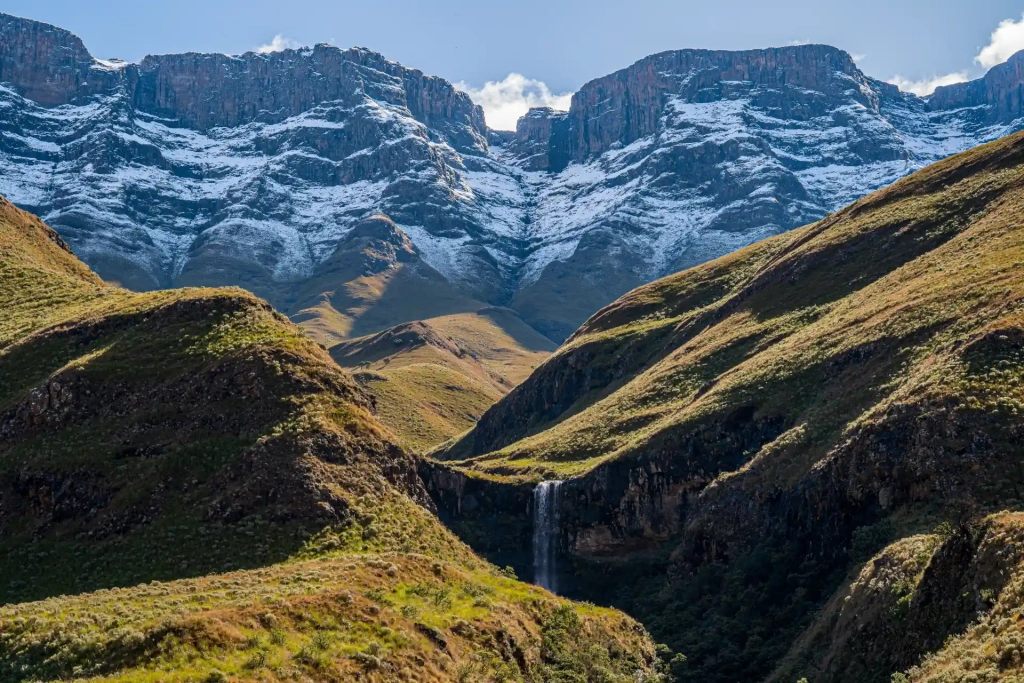
The landscape features highland meadows with dwarf shrubs, rocky plateaus, and alpine tundra at higher elevations.
Lesotho is also one of only two places in Southern Africa where you can ski or snowboard. The Afriski Mountain Resort is located in the Maluti Mountains at an elevation of over 3,200 meters (10,500 ft). Its main slope is about 1 km (0.6 mi) long. During the June–August season, thousands of winter sports enthusiasts come here. The resort offers skiing and snowboarding, mostly on artificial snow, along with beginner slopes and tubing areas.
2. Morocco: the city of Ifrane
Morocco is usually associated with the Sahara Desert, but the central part of the country is crossed by the Atlas Mountains – a massive range rising above 4,000 meters (13,100 ft), where one of the coldest climates in North Africa is found.
The city of Ifrane is located in the Middle Atlas at an elevation of over 1,650 meters (5,400 ft) and is the coldest place on the continent. In 1935, temperatures dropped to −23.9 °C (−11 °F). Snow falls annually and can remain for weeks.
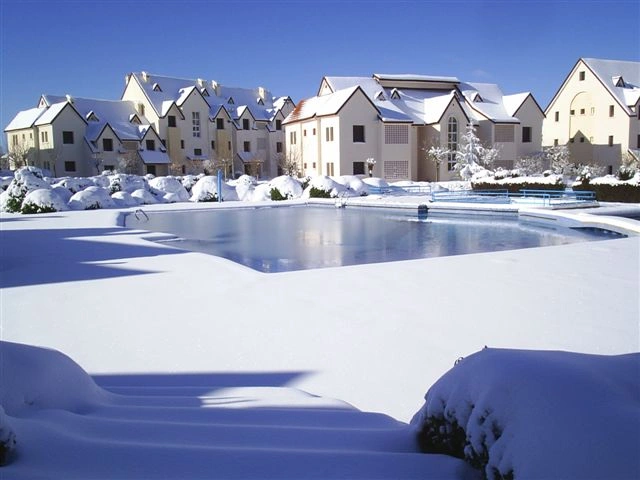
In the High Atlas, the highest part of the Atlas range, conditions are even more severe. According to Morocco Next, temperatures on Mount Toubkal (4,167 meters / 13,671 ft) can drop to −20 °C (−4 °F) during the coldest periods.
The nature of Morocco’s mountains contrasts sharply with its desert regions. Cedar and juniper trees grow among alpine meadows, and in spring, after the snow melts, the valleys turn into blooming fields – a rare and striking sight in North Africa.
3. South Africa: Sutherland and the Drakensberg Mountains
South Africa is one of the most climatically diverse countries in Africa. While coastal areas are generally mild, the small town of Sutherland in the Northern Cape is considered the coldest place in the country. From June to August, nighttime temperatures drop to −8 to −12 °C (18 to 10 °F), while daytime temperatures rarely exceed 7 °C (45 °F), due to its elevation of about 1,450–1,500 meters (4,750–4,920 ft).
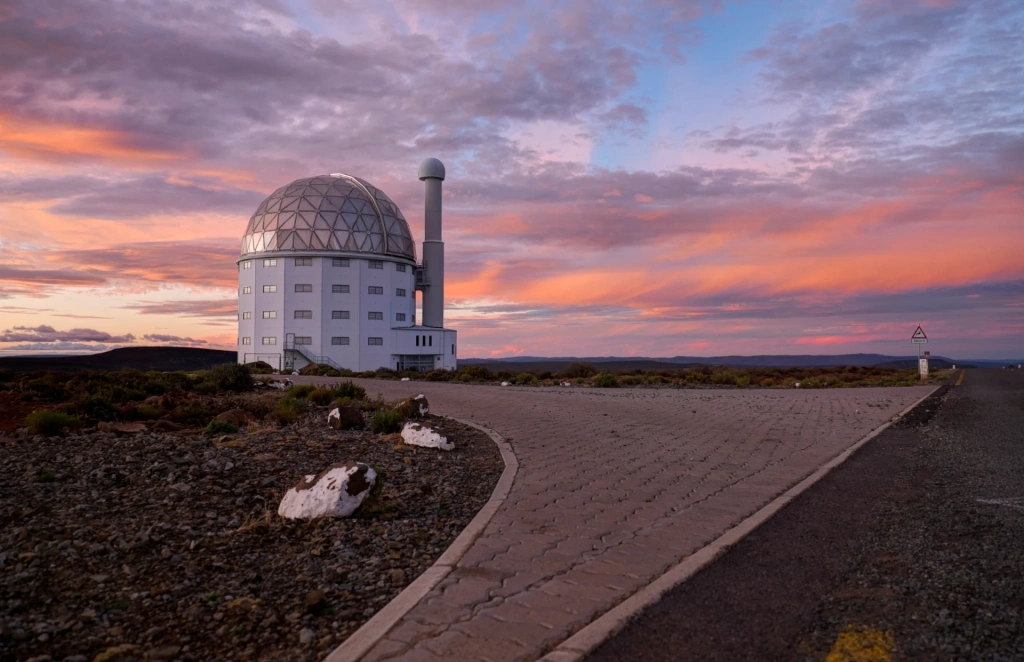
In the east of the country lie the Drakensberg Mountains, with peaks rising above 3,480 meters (11,420 ft). Snow regularly falls at higher elevations, and temperatures can drop well below freezing. Above 3,000 meters (9,800 ft), temperatures as low as −15 °C (5 °F) are commonly recorded.
The local landscape consists mainly of green meadows and valleys, with cold streams and waterfalls. In winter, from June to August, the peaks are often shrouded in clouds.
4. Ethiopia: the Simien Mountains
The Ethiopian Highlands are one of the highest plateaus in Africa. Here lie the Simien Mountains, reaching elevations above 4,500 meters (14,760 ft). Despite their proximity to the equator, the climate resembles that of high alpine regions.
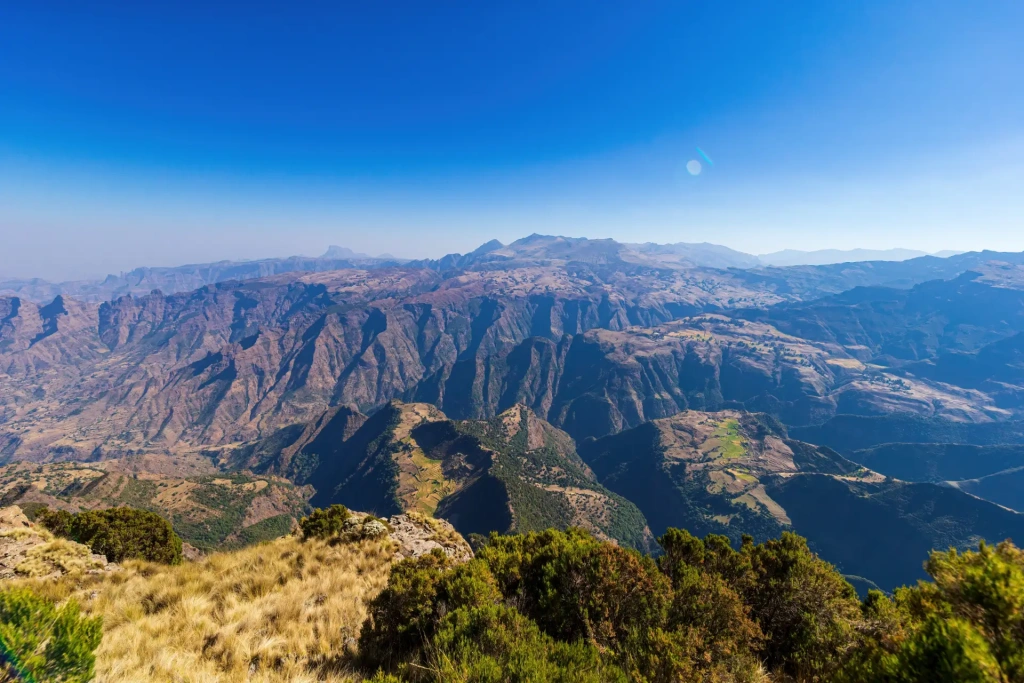
Like other high-altitude regions in Africa, the landscape is dominated by green meadows and valleys. The area is home to endemic species found nowhere else, such as the Ethiopian wolf and gelada baboons, both adapted to cold temperatures and thin air.
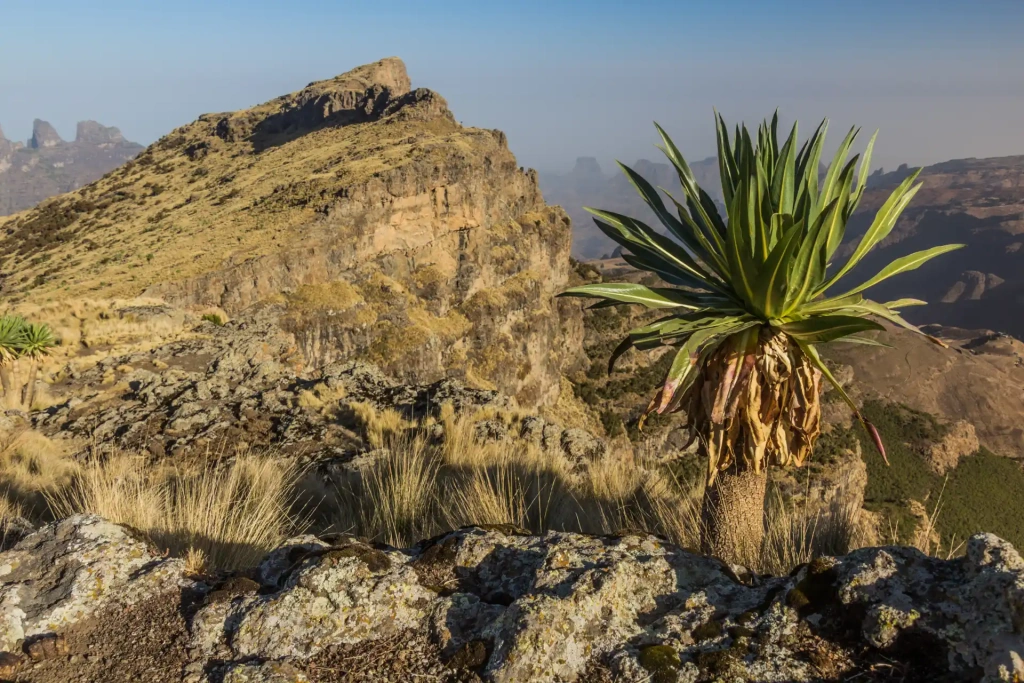
A key feature of the region is strong temperature variation within a single day: it can be 15 °C (59 °F) during the day and below freezing at night. This makes agriculture difficult, so local herders traditionally wear wool cloaks, and homes are built from stone with thick walls to retain heat.
There is also an old local belief about small trees called “genwarar” – an informal name apparently used only by locals. It was believed that evil spirits lived in these trees, and cutting one down could allow the spirit to possess a person. This belief was recorded in the early 19th century by traveler Nathaniel Pearce in his diary, later published in The Life and Adventures of Nathaniel Pearce (1831). However, the exact species of tree remains unknown.
5. Tanzania: Mount Kilimanjaro
Tanzania, with its vast savannas in national parks such as Serengeti, Tarangire, and Arusha, may seem like the last place you’d expect to be cold. Yet it is home to Africa’s highest peak – Mount Kilimanjaro at 5,895 meters (19,341 ft). Its summit, Uhuru Peak, still holds glaciers, and snow occasionally falls here despite being just 330 km (205 mi) south of the equator.
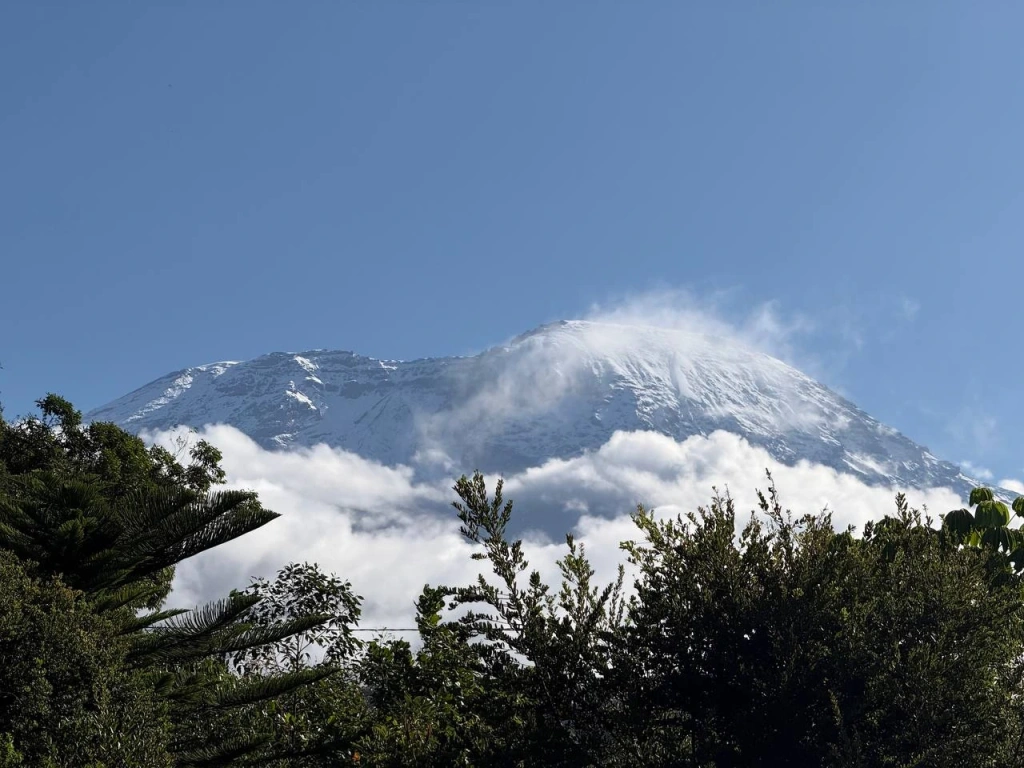
At the entrance to Kilimanjaro National Park (for example, Marangu Gate at about 1,800 meters / 5,900 ft), daytime temperatures are usually warm at 21–27 °C (70–81 °F), though it can be rainy from April to May and in November. As you ascend, temperatures drop by about 6–7 °C (10.8–12.6 °F) for every 1,000 meters (3,280 ft). At Uhuru Peak, daytime temperatures are around 0 °C (32 °F), and at night they can fall to −15 °C (5 °F). In recent years, snowfall has become less predictable and can occur in any season.
In 2021, Altezza Travel conducted a study. The team monitored the summit using satellite imagery and compiled an annual report on snow conditions on Kilimanjaro, complete with photographs.
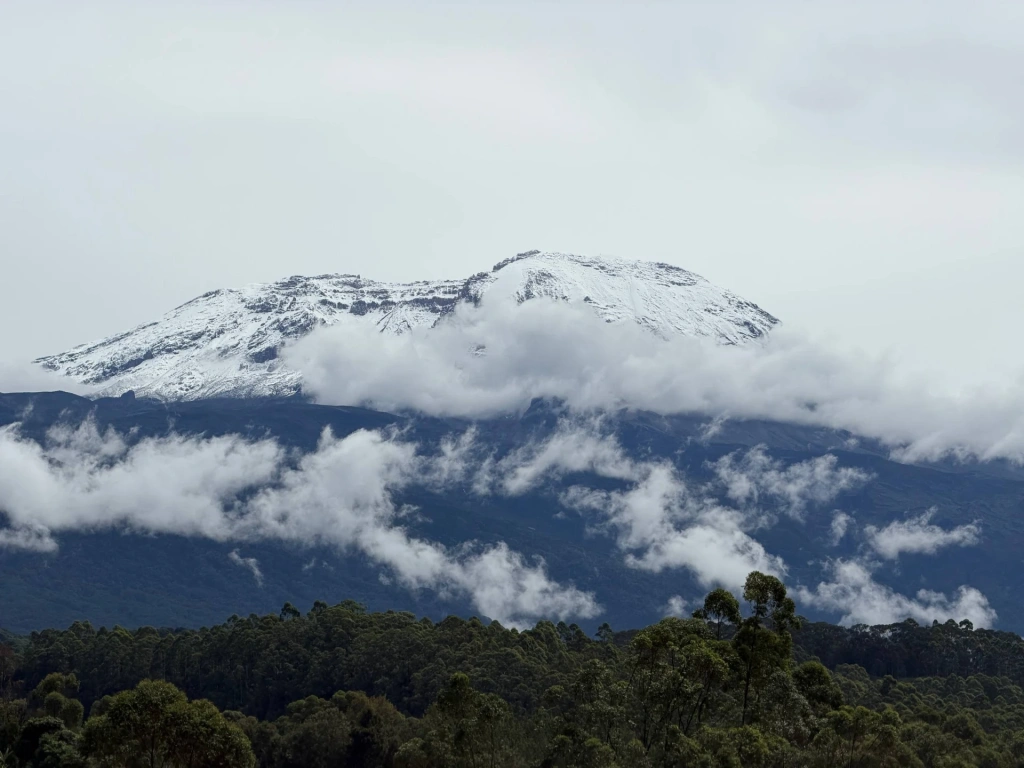
Kilimanjaro is one of the few major mountain peaks accessible to climbers with moderate fitness levels. The slopes are relatively gentle, so no technical mountaineering equipment is required. Training is important, but you don’t need to be a professional athlete to reach Africa’s highest point.
In a separate checklist, we’ve compiled everything you need to consider when planning a high-altitude trek. It can be useful for anyone planning to climb Africa’s highest peak or simply dreaming about it.


6. Uganda and the Democratic Republic of the Congo: Rwenzori, or the “Mountains of the Moon”
On the border between Uganda and the Democratic Republic of the Congo lies the Rwenzori mountain range, with its highest point – Margherita Peak on Mount Stanley – reaching 5,109 meters (16,762 ft). According to Dartmouth College, these mountains are composed of very ancient rock formations dating back more than 570 million years to the Precambrian era. For context, multicellular life is thought to have first appeared on Earth around this time.
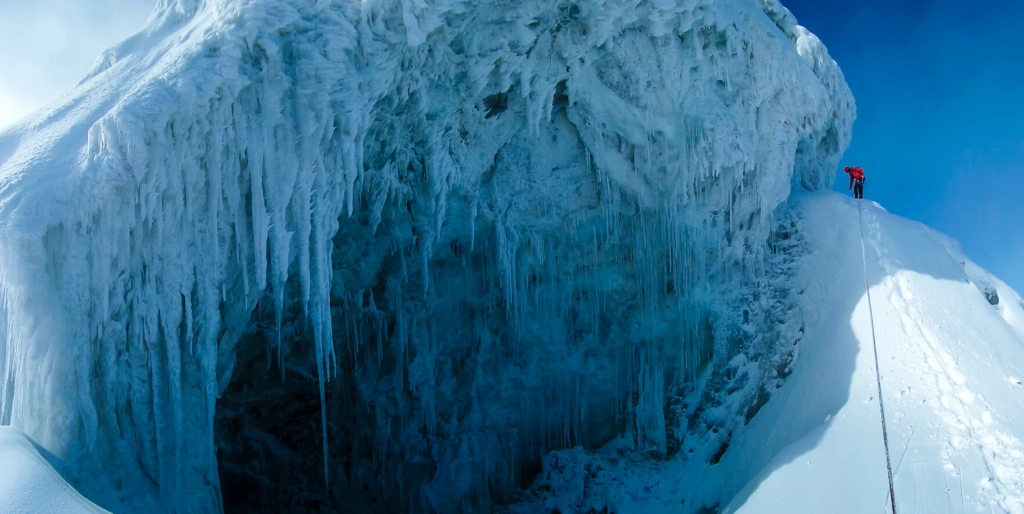
Claudius Ptolemy, the Greco-Roman mathematician, astronomer, and geographer who lived around 100–170 AD, referred to the Rwenzori as the “Mountains of the Moon.” Ancient scholars believed the Nile’s sources might lie here – and they were partly correct. Rivers originating in this range feed into lake systems that connect to the Nile basin via the Semliki River.
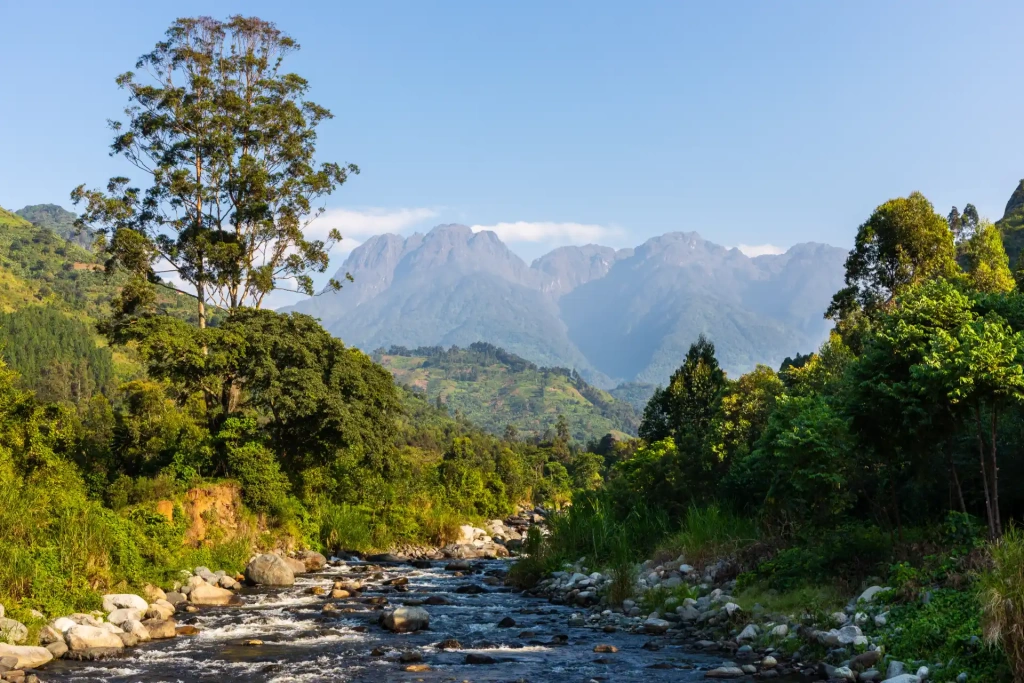
On the upper slopes and plateaus, temperatures often drop below 0 °C (32 °F), and on the peaks they can drop to −10 °C (14 °F) or lower. Even at 3,000–4,000 meters (9,800–13,100 ft), daytime temperatures are usually only 10–15 °C (50–59 °F), while nighttime temperatures hover around 2–6 °C (36–43 °F) throughout most of the year.
The Rwenzori still host some of the few remaining glaciers on the equator. Today, most of them survive on the three highest peaks – Mount Stanley, Mount Speke, and Mount Baker – above 4,800 meters (15,750 ft). At the beginning of the 20th century, there were 43 glaciers covering about 7.5 km² (2.9 sq mi), but over the past century, they have shrunk dramatically due to climate change.
Frequently Asked Questions
The coldest country in Africa is Lesotho. Its entire territory lies above 1,400 meters (4,600 ft), and more than 80% is above 1,800 meters (5,900 ft). In high-altitude areas, temperatures can drop to −15 °C (5 °F), and snow usually falls from May to September – and year-round on the highest peaks.
The lowest temperature ever recorded in Africa was in the Moroccan city of Ifrane, where temperatures dropped to −23.9 °C (−11 °F) in 1935. At the same time, temperatures regularly fall below freezing on Africa’s highest peaks, including Mount Kilimanjaro, the Rwenzori Mountains, and the Atlas Mountains.
It is important to note that in terms of average annual temperature, Lesotho still ranks colder than Morocco and therefore remains the coldest country in Africa.
All content on Altezza Travel is created with expert insights and thorough research, in line with our Editorial Policy.

Want to know more about Tanzania adventures?
Get in touch with our team! We've explored all the top destinations across Tanzania. Our Kilimanjaro-based adventure consultants are ready to share tips and help you plan your unforgettable journey.