





 52 reasons
  Free PDF


 Message us on WhatsApp
  Book a Free Call

 About Tanzania
The countries considered the richest in 2026, based on a combination of indicators, are the United States, Luxembourg, Switzerland, Norway, Denmark, Iceland, and Australia. Strong social systems, stable economies, and high average incomes allow many people to maintain a comfortable standard of living, build substantial savings, and retire with good pensions. In this article, Altezza Travel explores how these countries achieved such prosperity and how their economies affect developing African nations.
How we compiled the list
While preparing this article, we analyzed data from six independent rankings, each measuring wealth in a different way. Some focus on the size of a country’s economy, while others evaluate wealth at the household level through salaries, savings, and pensions. A third group goes beyond economic statistics and examines how the economy and personal income affect everyday life – including access to healthcare, education, and overall life satisfaction. As a result, we selected seven countries. It’s important to understand that this is not a ranking from richest to poorest or vice versa. Each country has its own strengths.
- Gross domestic product (GDP) This indicator measures the goods and services a country produced over the course of a year, expressed in US dollars. It reflects the overall size of the economy. However, GDP alone says little about how ordinary citizens actually live; it is mainly useful for understanding a country’s global economic influence.
- GDP per capita This is the total annual economic output divided by the population. It reflects the economy’s output per person and is the most common way to evaluate a country’s “wealth.” However, it’s important to remember that this is not the same as people’s actual income. A country may produce a great deal while most citizens still earn relatively little.
- GDP per capita adjusted for purchasing power parity (PPP) This uses a similar formula but adjusts for price differences between countries. In India, for example, a hypothetical $1,000 can buy much more than it can in Canada. PPP accounts for this and shows how many goods and services people can realistically afford.
- Median wealth per adult One of the fairest indicators is that it reflects the real assets of the average adult resident: property and savings minus debt. Unlike average figures, the median excludes billionaires, making it a more accurate measure of the financial situation of ordinary citizens. If the median is low, it usually means wealth is concentrated among political elites and top executives.
- Human Development Index Compiled by the United Nations, this index includes three indicators: income per person, life expectancy, and education levels. The idea is simple: a country may generate enormous wealth, but if people live no longer than 65 years and lack decent education, the overall quality of life remains low.
- World Happiness Report This annual report is prepared by the Wellbeing Research Centre at the University of Oxford, together with the American polling company Gallup. Citizens in more than 140 countries are asked to rate their well-being and life satisfaction on a 10-point scale.
What are the richest countries in the world?
1. United States
- Population: 346 million
- Capital: Washington, D.C.

For several decades, the United States has remained unmatched in terms of GDP. In 2026, it reached $31.8 trillion – around a quarter of the entire global economy ($123.5 trillion). The world’s largest stock exchanges, leading technology companies, and the investment capital used to launch new companies are concentrated in the US. The average accumulated wealth of an American adult is $620,600. Only Switzerland ranks higher, which we’ll discuss below.
The American model is built on the idea that financial success is accessible through personal effort, and for many, this is indeed true. Unemployment remains low (4.3% as of January 2026, ranking 11th globally), while average salaries are among the highest in the world – more than $80,000 per year. In addition, the “American Dream” continues to attract talent from around the globe. According to the National Foundation for American Policy, nearly two-thirds (64%) of unicorn companies valued at more than $1 billion were founded by immigrants or their children.
At the same time, the impressive numbers also mask sharp inequalities. While the average American’s wealth reaches an impressive $620,000, the median figure is five times lower – around $124,000. That places the country only 15th in the world in terms of median wealth. The reason is that the country’s ultra-rich minority, including 935 billionaires, significantly distorts the overall picture. In addition, the cost of education and healthcare creates a heavy financial burden for ordinary citizens. Nearly 43 million Americans are currently repaying student loans, with total debt exceeding $1.8 trillion. That is almost equal to Australia's GDP ($1.9 trillion) or roughly 2.5 times Sweden's GDP ($711.5 billion).
Healthcare expenses are another issue. A Gallup survey conducted last year found that 12% of US adults (around 31 million people) had to borrow a combined $74 billion over the previous 12 months to pay for medical treatment for themselves or their family members. Total medical debt is estimated at $220 billion.
In the Happiness Index, the United States ranks 23rd out of 147 countries. It ranks below the Czech Republic, Austria, Slovenia, Kosovo, Israel, and many other nations that rarely appear in lists of the world’s richest countries.
2. Luxembourg
- Population: 712,300
- Capital: Luxembourg City
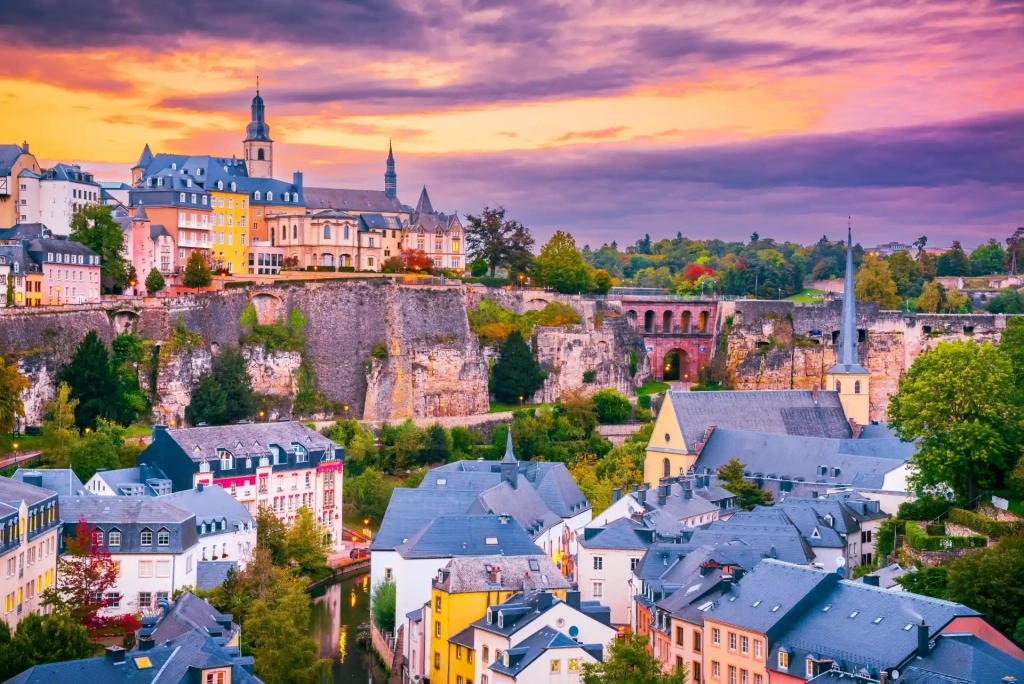
Luxembourg is easy to miss on a world map. Its territory covers just 2,586 km² (998 sq mi), making it smaller than Rhode Island, the smallest US state. Yet economically, the picture looks very different. Luxembourg’s nominal GDP is only $107.7 billion – roughly 295 times smaller than that of the United States. However, on a per-capita basis, the situation changes completely: Luxembourg ranks second in the world with GDP per capita reaching $154,120, almost double that of the US.
The financial sector forms the backbone of the economy. More investment funds are registered here than in any other European country, with more than €5 trillion in assets under management. Luxembourg also leads the world in median wealth per adult, which stands at $395,340.
In 2020, Luxembourg abolished fares for public transportation for both residents and tourists. Malta introduced something similar two years later, though only for residents. Most countries still cannot afford such a policy. Public education is free, while most healthcare costs are covered through the insurance system. At the same time, Luxembourg actively supports developing countries. This includes €420.8 million allocated to partner countries such as Burkina Faso, Cabo Verde, Mali, Nicaragua, Niger, and Senegal, as well as €9 million for programs protecting endangered wildlife, including mountain gorillas in the Democratic Republic of the Congo, Uganda, and Rwanda.
3. Switzerland
- Population: 9.2 million
- Capital: Bern
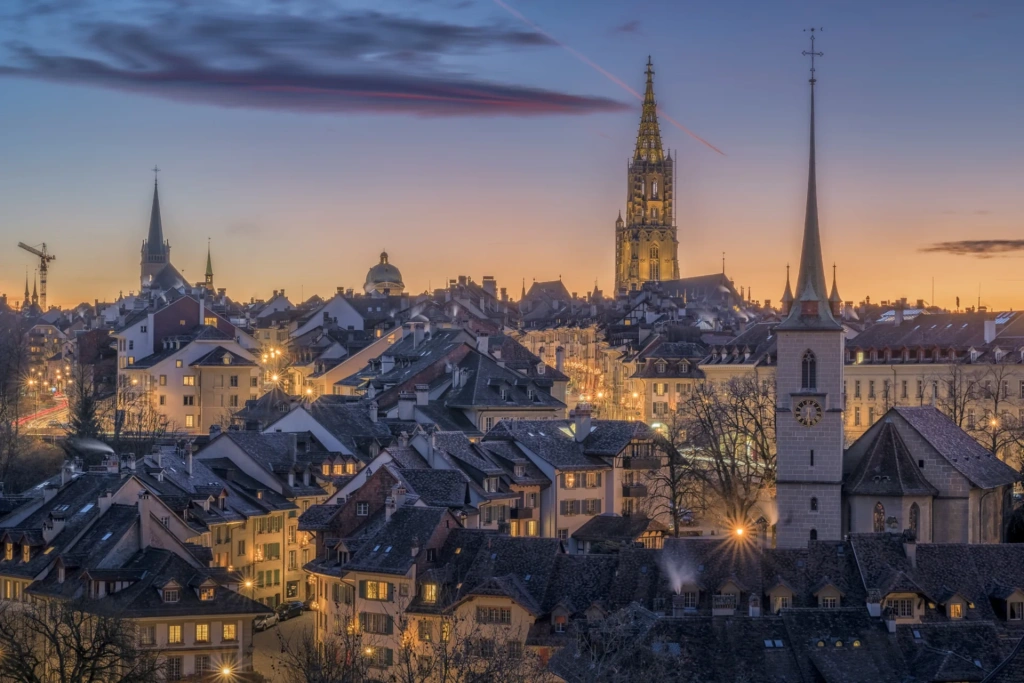
Swiss residents rank first in the world in average accumulated wealth, with $687,166 per adult. Roughly one in seven residents is a dollar millionaire – the highest concentration anywhere in the world. The economy is built largely around three sectors: banking, which attracts capital from wealthy individuals worldwide; pharmaceuticals, with companies such as Novartis and Roche headquartered here; and watchmaking, home to brands like Rolex, Patek Philippe, Omega, and many others.
One of the most surprising facts about prosperous Switzerland is that only 42% of residents own their homes. This is the lowest homeownership rate in Europe. There are several reasons for this: extremely high property prices, large down payments required for mortgages (around 20%), and a unique tax system.
Property owners must pay taxes on the theoretical income they could receive if they rented out their homes – even if they actually live there and earn nothing from the property. As compensation, mortgage interest payments can be deducted from taxes. While a mortgage remains large, these deductions can partially or fully offset the tax, allowing homeowners to invest additional money elsewhere. This is why many Swiss residents are not eager to pay off their mortgages early. However, the system becomes disadvantageous for retirees: pensions are significantly lower than salaries, mortgages are often already paid off, tax deductions disappear, yet homeowners still continue paying taxes on this hypothetical rental income.
4. Norway
- Population: 5.8 million
- Capital: Oslo
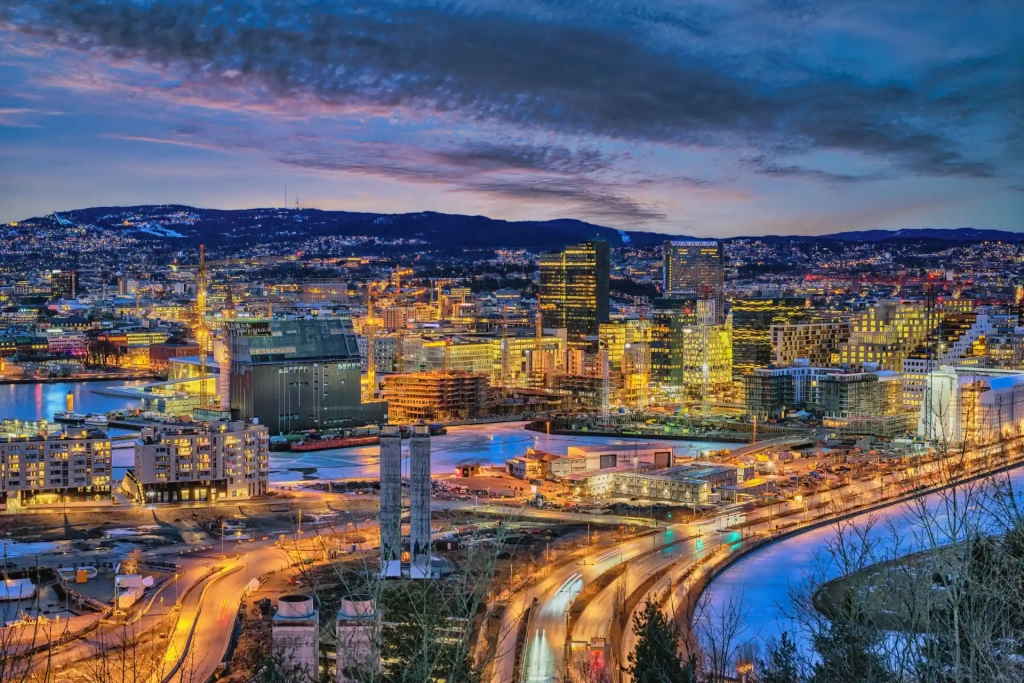
Norway became one of the world’s richest countries thanks to oil, yet it does not depend entirely on oil revenues for everyday prosperity. In 1990, the government created the Government Pension Fund to invest oil income abroad. Today, it is one of the largest sovereign wealth funds in the world, valued at nearly $2 trillion. That equals more than $340,000 per citizen. These are not personal savings, but rather a national reserve fund. The logic is simple: natural resources will eventually run out, and commodity prices are unstable, but the country’s budget and citizens’ well-being should not depend entirely on them.
The average salary in Norway is around $5,500 per month. At first glance, this may not seem especially high considering the country’s cost of living. On the other hand, residents do not need to pay for higher education or major healthcare expenses. Universities are free for citizens, while annual out-of-pocket medical expenses are capped at around $320, with the rest covered by the state. Only 1% of Norwegians work overtime – one of the lowest rates among developed countries. In Germany and Canada, the figure is 4%, while in the US it reaches 10%. Homeownership is also high: 76.5% of Norwegians own property. Average mortgage rates are around 5%.
The country’s car market deserves special attention. In 2025, 95.9% of all new cars sold in Norway were electric vehicles. In addition, about 88% of the country’s electricity is generated by hydroelectric power stations, while another 11% comes from wind farms. Fossil fuels are mainly exported or used for industrial needs.
5. Denmark
- Population: 5.9 million
- Capital: Copenhagen
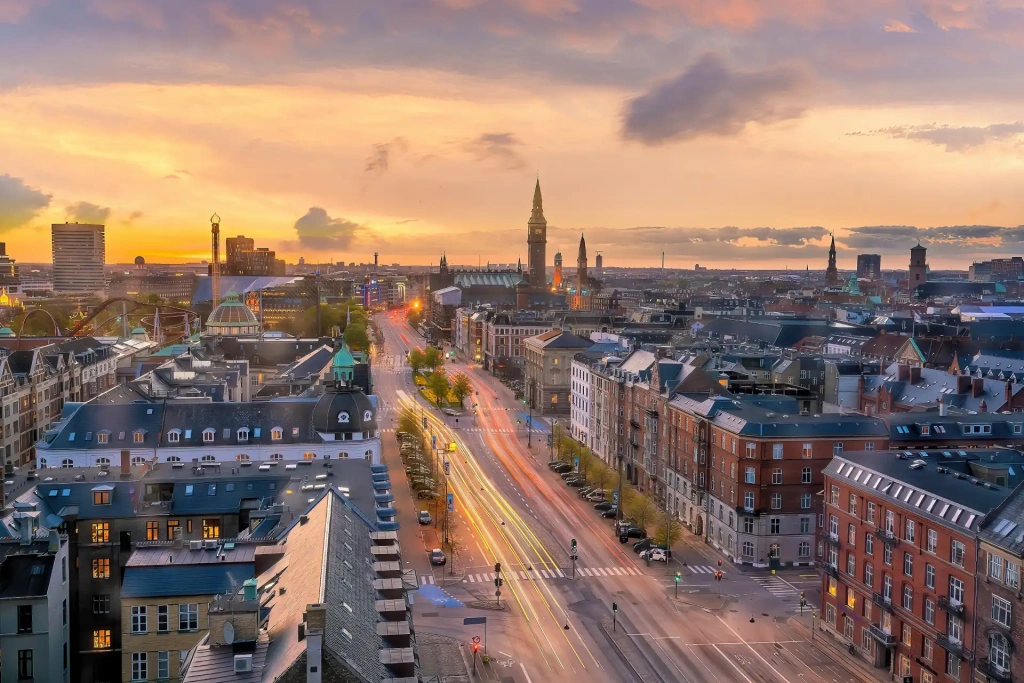
Denmark is one of the few countries where student debt is almost nonexistent. All education, including university studies, is free. Moreover, every adult citizen is entitled to a student stipend which, in 2026, amounts to roughly €1,000 per month before taxes. If this is not enough, students can take government loans to cover rent and other living expenses.
Healthcare works in a very similar way: citizens mainly pay only for medication and dental services. Denmark’s pension system is considered one of the strongest in the world. Total pension savings amount to $845.5 billion – twice the country’s GDP. Roughly two-thirds of mandatory pension contributions are paid by employers, while workers contribute the remaining third. These funds are invested globally, allowing the overall pension reserve to keep growing.
The median wealth of an ordinary Danish resident is $216,098, ranking fifth globally after Luxembourg, Australia, Belgium, and Hong Kong. At the same time, Danish households carry high levels of debt – the average family owes roughly one-and-a-half to two times its annual income. However, this does not mean people live near poverty. On the contrary, because housing is extremely expensive, especially in Copenhagen and nearby areas, mortgages account for most of this debt. The tax system also allows mortgage interest to be deducted, making it financially smarter to maintain a housing loan rather than pay it off early.
All of this is reflected in residents’ overall well-being: Denmark ranks third in the world for happiness, behind only Finland and Iceland, which we’ll discuss next.
6. Iceland
- Population: 355,000
- Capital: Reykjavík
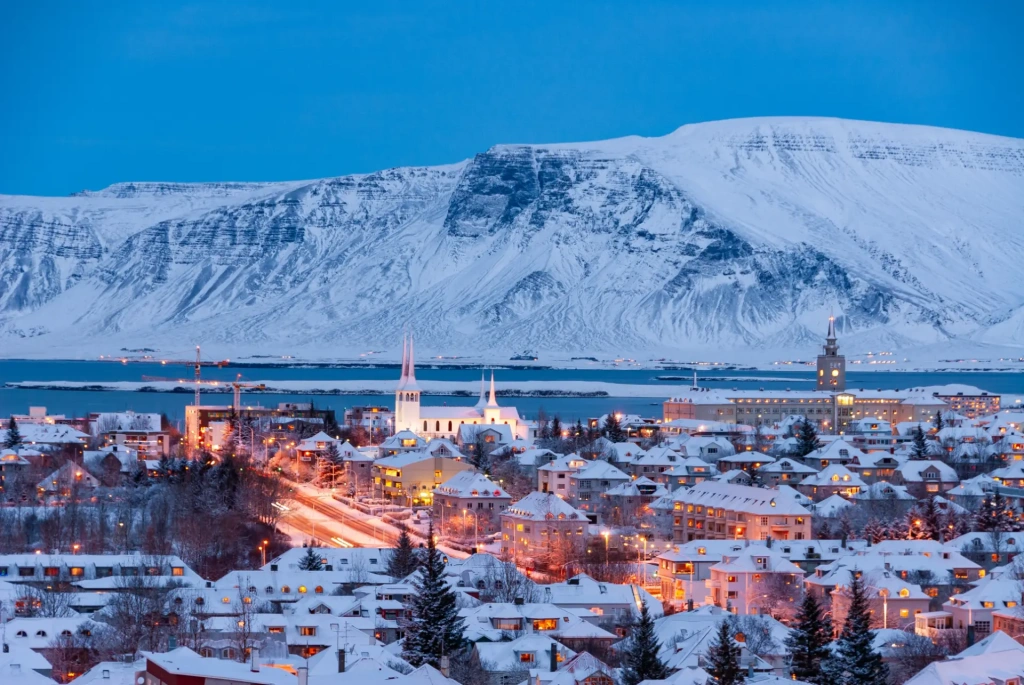
In 2008, Iceland experienced the largest financial crisis in its history. The assets of the country’s three main banks – Glitnir, Landsbanki, and Kaupthing – exceeded Iceland’s annual GDP by 8 to 10 times, yet collapsed within just a few days. As a result, Iceland’s economy shrank by 6.5% in 2009 and another 4% in 2010, while the national currency lost around 50% of its value. Faced with this situation, Iceland chose a path no other country had attempted: it refused to rescue the banks with taxpayer money, allowed nearly the entire banking sector to fail, and imprisoned the executives responsible. In total, 36 bankers received combined prison sentences amounting to 96 years.
Eighteen years later, the country, with a population of only around 355,000, ranks among the most prosperous in the world. Icelanders earn between €4,700 and €6,200 per month on average. Healthcare and education are free, while life expectancy reaches 82.7 years. These factors place Iceland first in the UN Human Development Index and second in the Happiness Index.
The economy is built around the fishing industry (around 21% of GDP) and tourism. In 2025, the country welcomed 2.26 million foreign visitors. Energy production also deserves special attention: Iceland generates almost 100% of its electricity from renewable sources. Around 72% comes from hydroelectric power plants, while another 27% is generated by geothermal stations using volcanic heat. These geothermal systems also heat around 90% of homes in the country.
7. Australia
- Population: 27.9 million
- Capital: Canberra
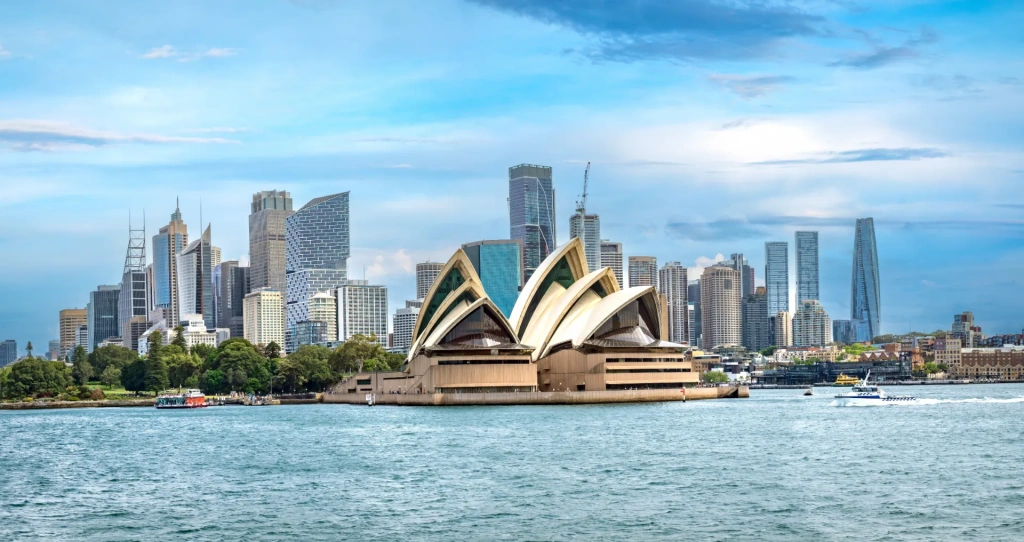
Australia ranks second in the world after Luxembourg in median accumulated wealth, with $268,424 per adult resident. Roughly one in ten Australians is a dollar millionaire.
Australia’s high standard of living is also supported by an effective pension system. Employers are legally required to contribute 12% of an employee’s salary into a personal retirement account. Workers choose their own investment strategy, and the savings accumulated for retirement belong personally to them, rather than to a shared state pension fund as in many other countries. In 2025, total Australian pension savings were estimated at $2.8 trillion – the fifth largest in the world after the United States, Japan, Canada, and the United Kingdom.
School education and treatment in public hospitals are free for citizens and permanent residents. The median salary is around $5,700 per month, while the average working week lasts approximately 38 hours. Australia ranks among the world’s top 10 countries for work-life balance. Walking, jogging, and surfing before or after work are practically part of the national culture.
Australia’s prosperity is not solely the result of domestic financial policy. The country also profits heavily from mining projects across Africa, which in turn positively affect local economies. Tanzania, for example, is the largest destination for Australian mining investments, accounting for 21% of such projects. Over the past two years alone, contracts worth $3.6 billion have been signed. Tanzanian authorities emphasize that this cooperation not only increases state revenue but also attracts local businesses into the sector and creates jobs.
All content on Altezza Travel is created with expert insights and thorough research, in line with our Editorial Policy.

Want to know more about Tanzania adventures?
Get in touch with our team! We've explored all the top destinations across Tanzania. Our Kilimanjaro-based adventure consultants are ready to share tips and help you plan your unforgettable journey.
 Climbing
  Safari
  About Tanzania
  Islands