





 52 reasons
  Free PDF


 Message us on WhatsApp
  Book a Free Call

 Safari
 Africa is home to some of the most remarkable wildlife areas on the planet. This article brings together the continent’s best national parks and protected areas, each offering a distinct safari experience and outstanding wildlife encounters. This is not a ranking. Instead, it is a carefully curated selection of Africa’s top safari destinations, presented in no particular order. Alongside national parks, the list also includes game reserves and other protected landscapes.
Serengeti and Ngorongoro
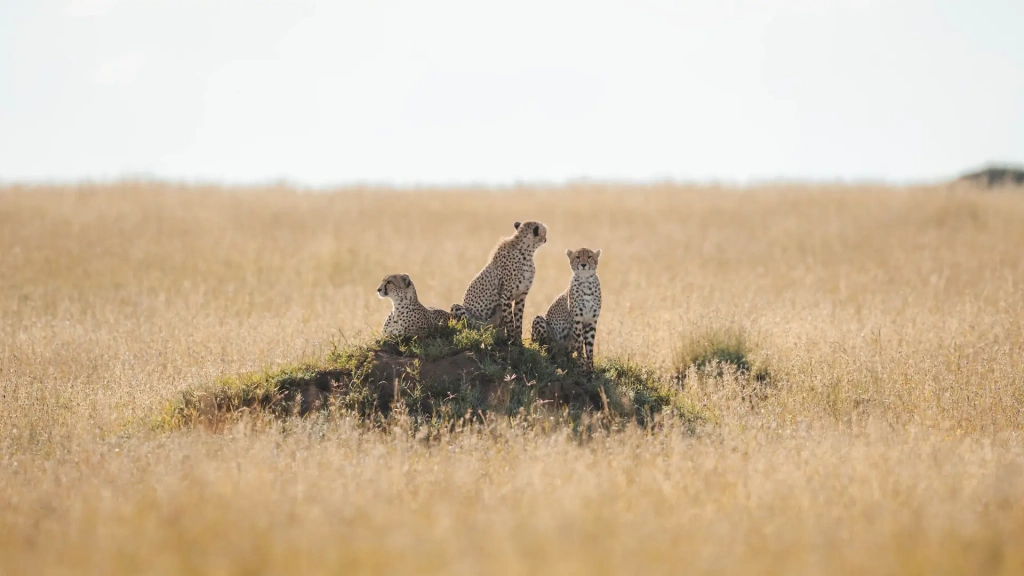
Located in Tanzania, Serengeti National Park and the adjacent Ngorongoro Conservation Area together represent a classic African safari experience. The Serengeti is best known for the Great Migration, while Ngorongoro is famous for the crater of an ancient volcano that shelters lions, rhinos, elephants, antelope, and many other wild animals. Few places on Earth can compare to Ngorongoro when it comes to the concentration of large mammals in a single protected area.
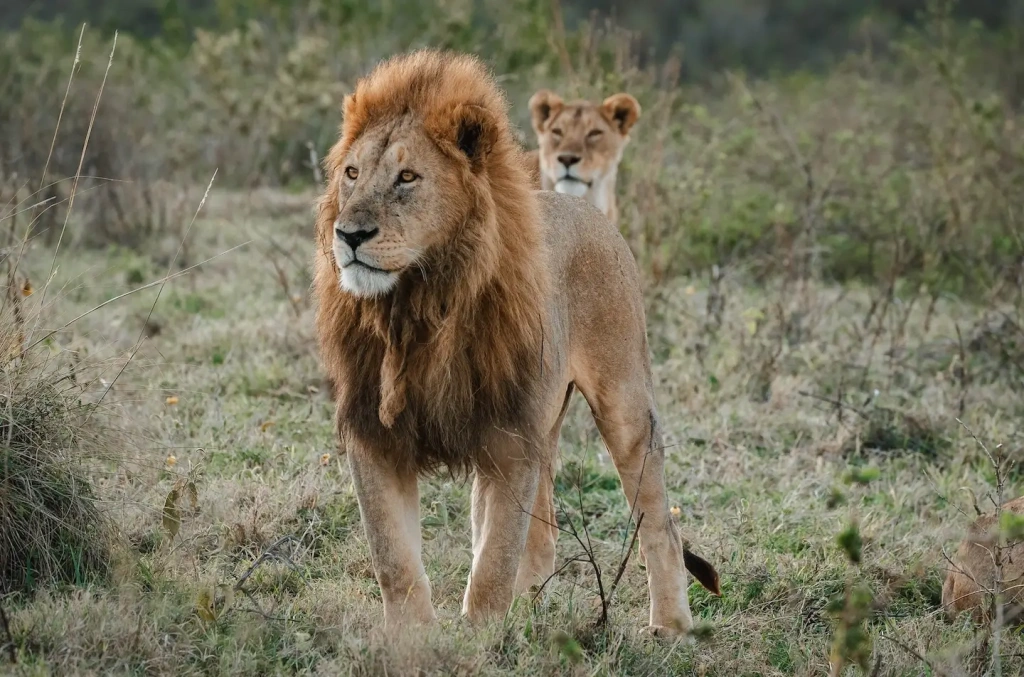
The Serengeti is the image most people associate with Africa: vast open savannas stretching to the horizon. Ngorongoro, by contrast, features lush volcanic slopes traditionally inhabited by the Maasai people. Together, these landscapes form a single ecosystem and reveal the remarkable diversity of African wildlife.
Discover Tanzania’s wildlife on safari with Altezza Travel, an award-winning local operator.
Maasai Mara National Reserve
The Maasai Mara Reserve in Kenya is the northern extension of the Serengeti ecosystem. Named after the Maasai people who have lived here for centuries, the reserve is characterized by rolling savannas cut through by winding rivers.
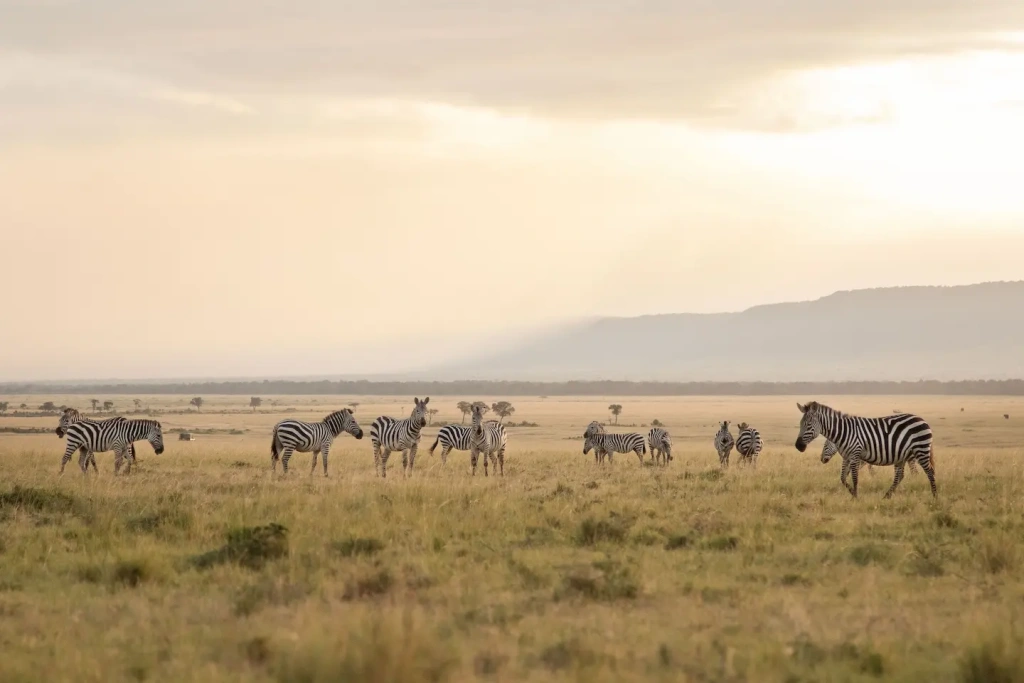
Like the Serengeti, the Maasai Mara is home to all members of the African Big Five. Between the Mara, Talek, and Sand rivers, cheetahs chase antelope across open plains, while the rivers themselves are inhabited by large numbers of crocodiles. This region is considered one of the best places in Africa to observe predators during a hunt.
For those unsure which of these two destinations to choose, we have prepared a detailed comparison of the Serengeti and the Maasai Mara.
Kruger National Park
Kruger National Park in South Africa is one of the oldest national parks on the African continent. Its landscapes are exceptionally diverse, ranging from open savannas to dense woodlands and extensive river systems. Thanks to the high density of wildlife, visitors can encounter a wide variety of species in a relatively short time.
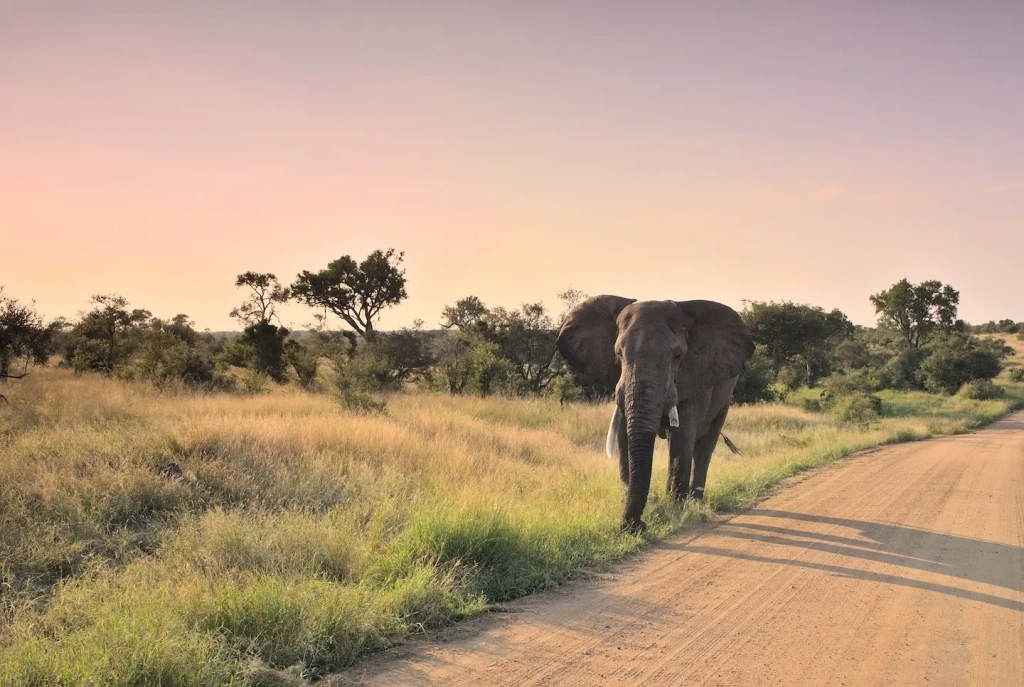
One of the park’s defining features is its extensive and well-developed road network. Visitors can rent a car and explore different areas independently, choosing routes and stopping points based on personal interests rather than fixed itineraries.
Tarangire National Park
Tarangire National Park in Tanzania is famous for its abundance of baobabs – massive trees with wide, spreading crowns. These landscapes are also home to Africa’s largest and tallest land animals: elephants and giraffes.
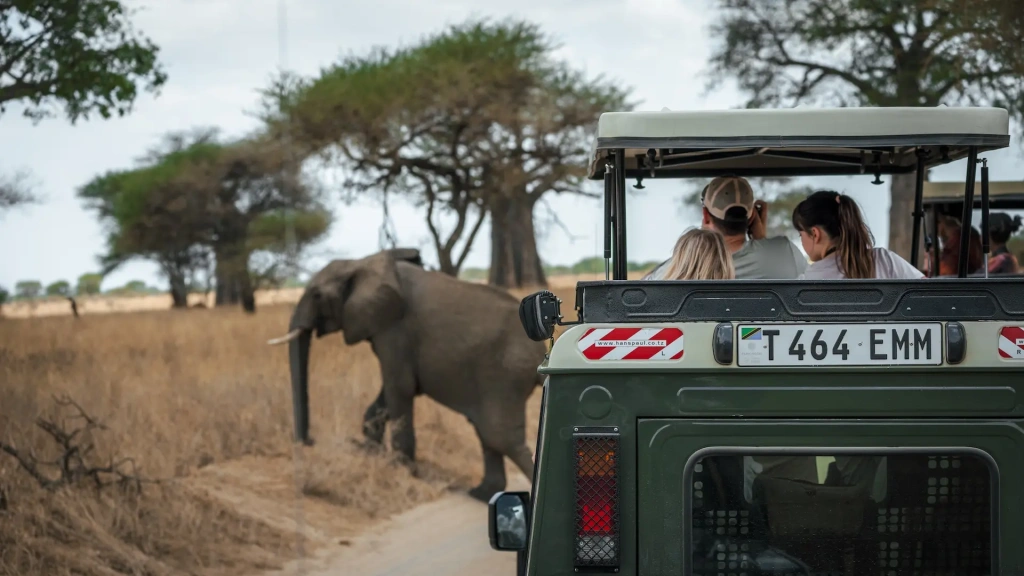
Tarangire is one of the best parks in Tanzania for birdwatching, with more than 550 species recorded. To see the greatest concentration of large mammals, it is best to visit during the dry season, from June to October, when animals gather along the banks of the Tarangire River.
Volcanoes National Park
Volcanoes National Park, located in Rwanda, is Africa’s oldest national park. It is best known for offering the continent’s most iconic mountain gorilla tracking experience, allowing visitors to observe one of humanity’s closest living relatives in the wild.
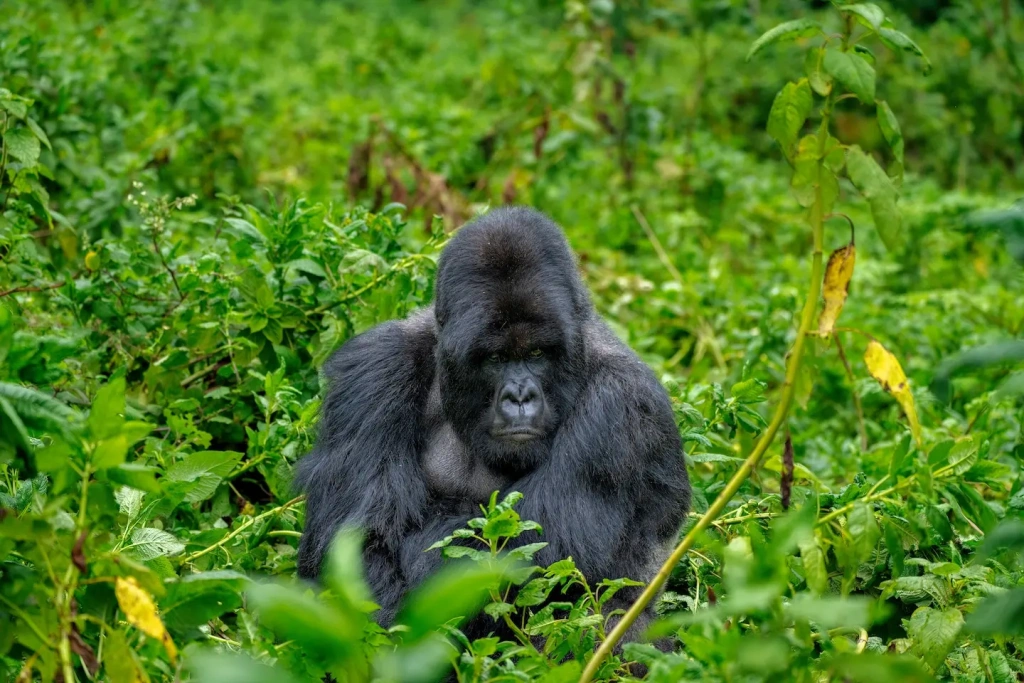
Volcanoes National Park stands in striking contrast to most other African parks. While the majority lie across open savannas and gentle rolling hills, Rwanda’s wildlife jewel is spread across a chain of volcanoes. Their slopes are cloaked in dense tropical rainforest. Reaching the domain of wild primates is not easy – it is an adventure for committed explorers and true lovers of Africa.
Moremi Game Reserve
The Moremi Game Reserve in Botswana is the most visited protected area within the Okavango Delta. This vast river system is considered one of the Seven Natural Wonders of Africa, alongside the Ngorongoro Crater and the Great Migration in the Serengeti.
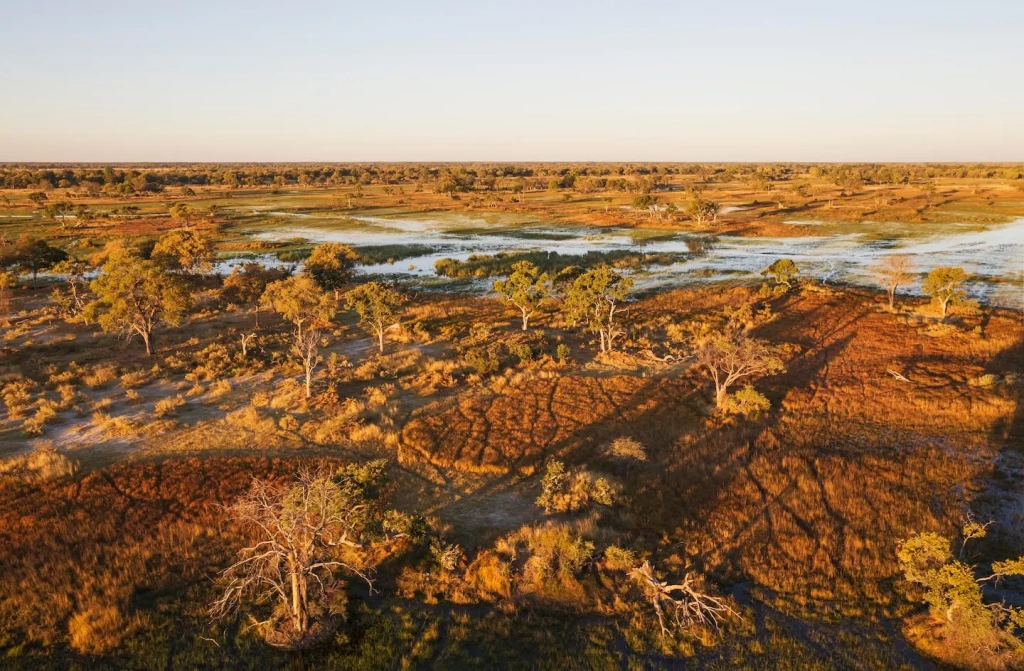
Visitors explore the delta’s waterways in traditional mokoro canoes, allowing close encounters with animals as they come to drink. Moremi is particularly rich in elephants, as Botswana is home to the world’s largest elephant population. Traveling through the river channels also offers the chance to spot lechwe antelope, uniquely adapted to life in wetland environments.
Rubondo Island National Park
Rubondo Island National Park in Tanzania is an unusual safari destination. It consists of a group of islands located on Lake Victoria, the largest lake in Africa. Semi-aquatic antelope known as sitatunga live here, and the montane forest on the main island is home to an isolated population of chimpanzees.
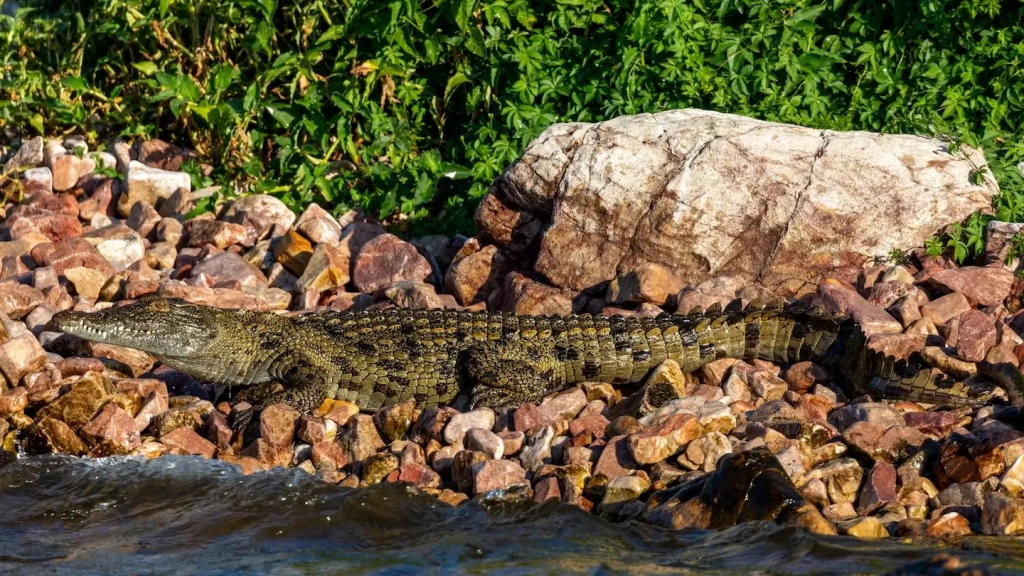
The park is especially appealing to travelers interested in observing crocodiles, hippos, and birdlife. Rubondo Island is one of the least-visited national parks in Africa, which has helped preserve its pristine character. Reaching the island adds a truly distinctive experience to any safari itinerary.
Bwindi National Park
Bwindi National Park in Uganda is officially known as Bwindi Impenetrable National Park. It is one of the most biologically complex ecosystems in Africa, a montane forest with extraordinary diversity of trees, ferns, butterflies, and birds. Many mammal species also find refuge here, though mountain gorillas are the park’s main draw.
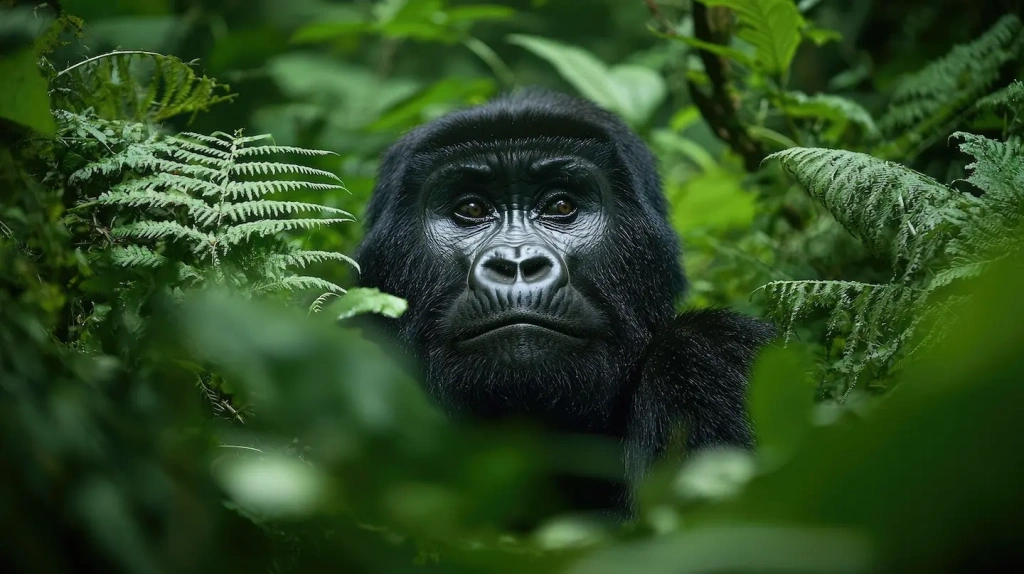
Mountain gorillas are, unfortunately, an endangered species. Seeing them is the primary goal for most visitors, while scientists closely monitor their populations. Trails lead to the gorillas’ habitats, but reaching them is only possible on foot through dense jungle vegetation. This makes a visit to Bwindi physically demanding, yet deeply rewarding.
Amboseli National Park
Amboseli National Park in Kenya is best known for its elephants. Their numbers and impressive size have earned the park the nickname “Land of Giants.” Amboseli is also the site of the longest-running elephant research project in history. Recent studies have shown that elephants address one another by name, using complex vocal patterns.
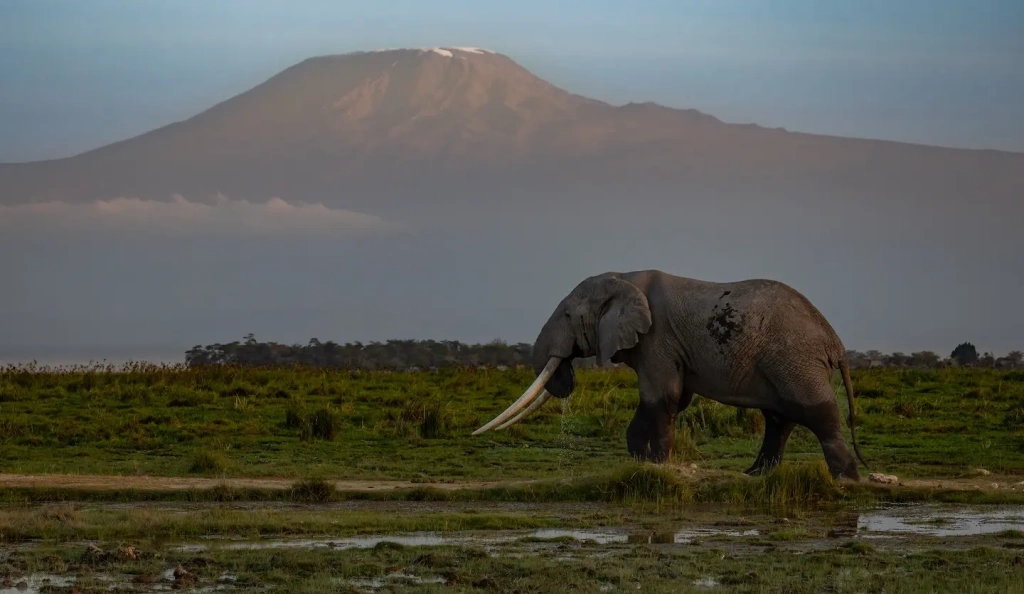
In addition to elephants, visitors can encounter giraffes, zebras, cheetahs, and many other animals. One of the park’s defining features is the dramatic backdrop of Mount Kilimanjaro, Africa’s highest mountain.
Etosha National Park
Etosha National Park is located in Namibia and is famous for its vast salt pan, a massive saline depression that fills with water during the rainy season. This temporary lake attracts large numbers of animals migrating from surrounding arid regions. As a result, Etosha offers some of the most reliable wildlife viewing in Africa.
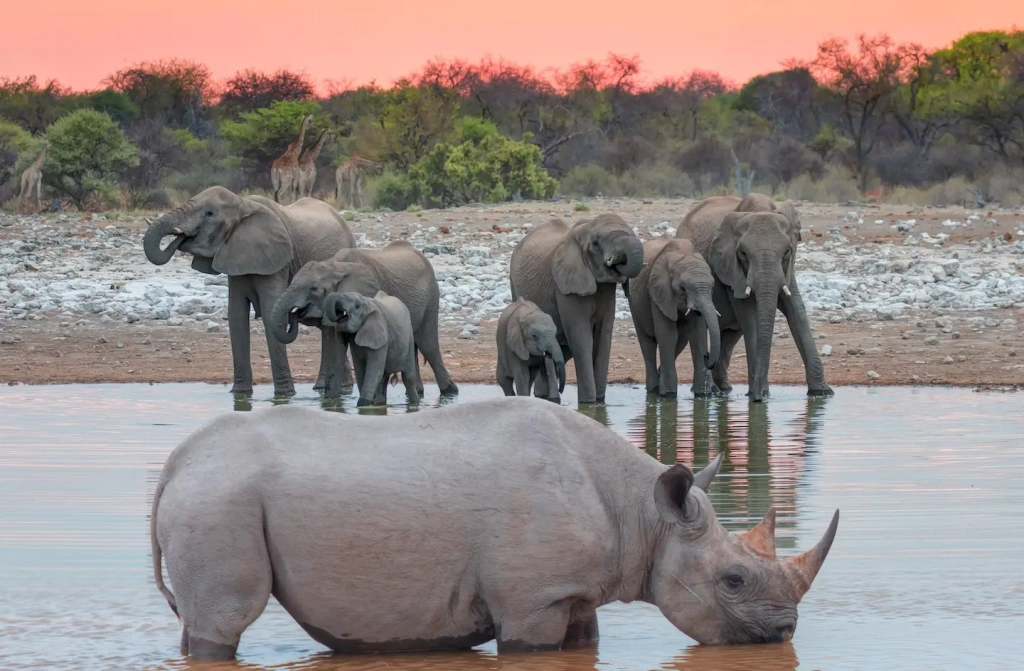
In most African parks, visitors must drive through the savanna searching for animals hidden in vegetation. In Etosha, wildlife viewing is often simpler: you take a position near a waterhole and wait. This allows for close observation of elephants, black rhinos, and other inhabitants of the park’s arid savanna.
South Luangwa National Park
South Luangwa National Park in Zambia is widely regarded as one of Africa’s best destinations for walking safaris. Visitor numbers are relatively low, while animal concentrations along the river are high. This gives visitors excellent chances of seeing leopards, crocodiles, and hippos.
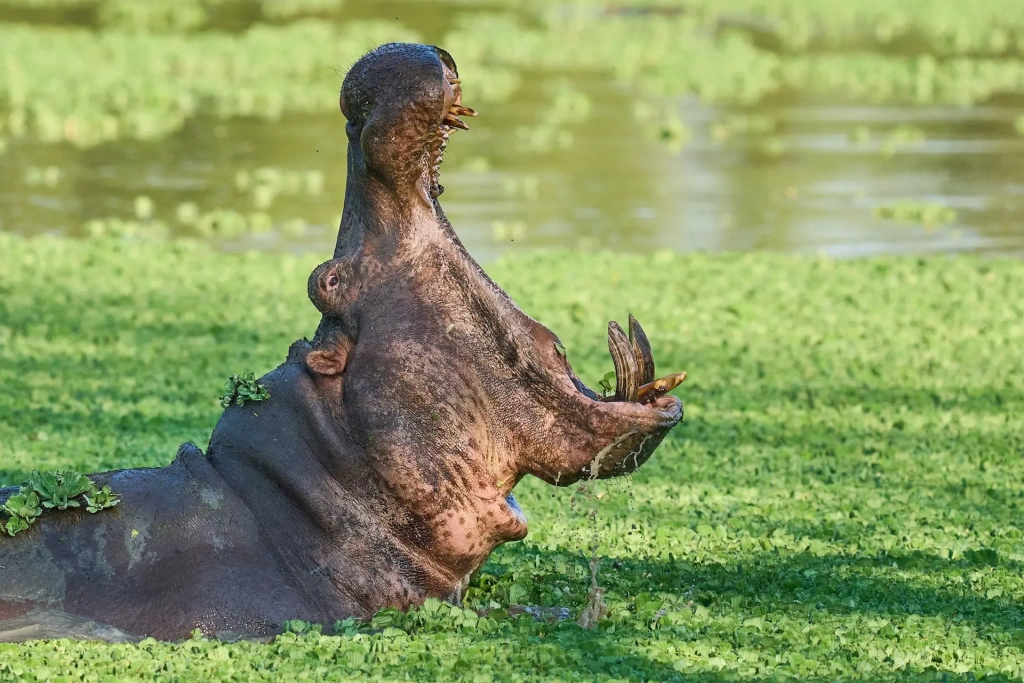
Although the Luangwa River is central to life in the park, it does not define it entirely. The surrounding landscapes include savannas, woodlands, and seasonally flooded grasslands, all of which support a remarkably diverse range of wildlife.
Ruaha National Park
Ruaha National Park in Tanzania covers an immense area, comparable in size to countries such as Israel or Slovenia. Remarkably, human presence here remains minimal: visitor numbers are low, and even scientific research is limited. In Ruaha, travelers experience the true scale of Africa’s wilderness and the power of largely untouched nature.
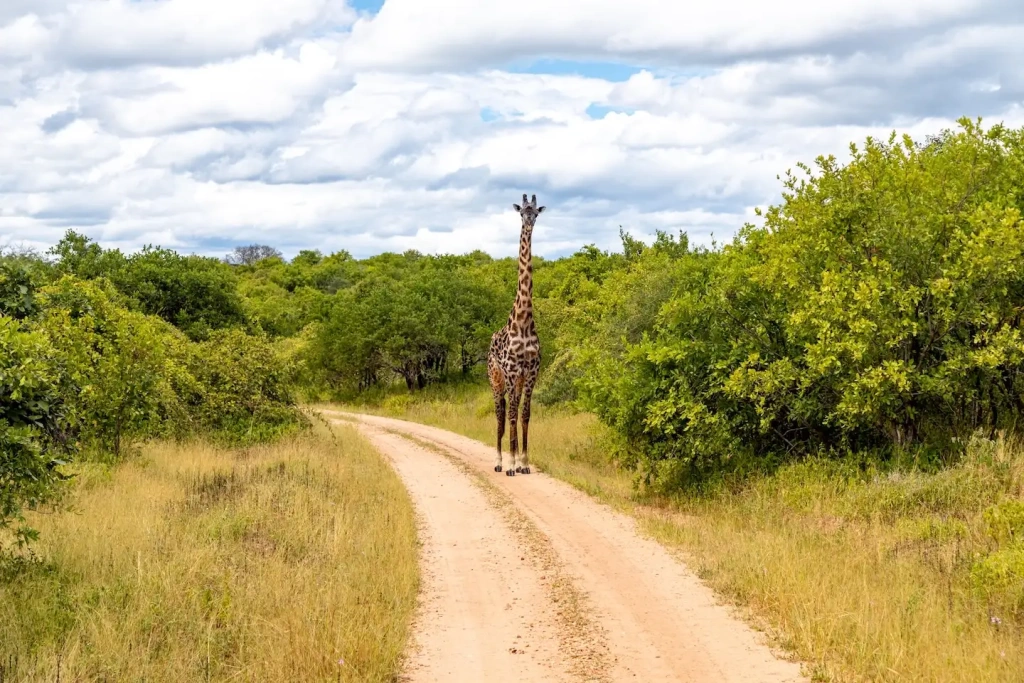
Ruaha is particularly rich in elephants and lions, making close encounters with these animals highly likely during safari drives. The park is also a haven for birdwatchers, with nearly six hundred bird species recorded.
You may have noticed that four Tanzanian parks appear in this top 12 list of Africa’s best parks. This is no coincidence, as Tanzania is widely regarded as one of the continent’s finest safari destinations. Book a safari in Tanzania with the local safari operator Altezza Travel.
Want to learn more about the world’s best national parks? We cover them in a separate article on the Altezza Travel blog.
All content on Altezza Travel is created with expert insights and thorough research, in line with our Editorial Policy.

Want to know more about Tanzania adventures?
Get in touch with our team! We've explored all the top destinations across Tanzania. Our Kilimanjaro-based adventure consultants are ready to share tips and help you plan your unforgettable journey.
 Climbing
  Safari
  About Tanzania
  Islands