





 52 reasons
  Free PDF


 Message us on WhatsApp
  Book a Free Call

 Safari
 Lions are the most recognizable predators on Earth, yet many myths still surround these iconic members of the Big Five. Common ideas such as the existence of a single “lion king” or the belief that hunting is carried out only by females oversimplify a complex and flexible social system.
To better understand how lion society actually works, the Altezza Travel editorial team spoke with Dr. Natalia Borrego, a behavioral ecologist and lion researcher at the Max Planck Institute for Animal Behavior. We discussed pride structure, hunting strategies, and the growing threats lions face today, with a focus on Tanzania, which remains home to more than half of the world’s remaining lion population.
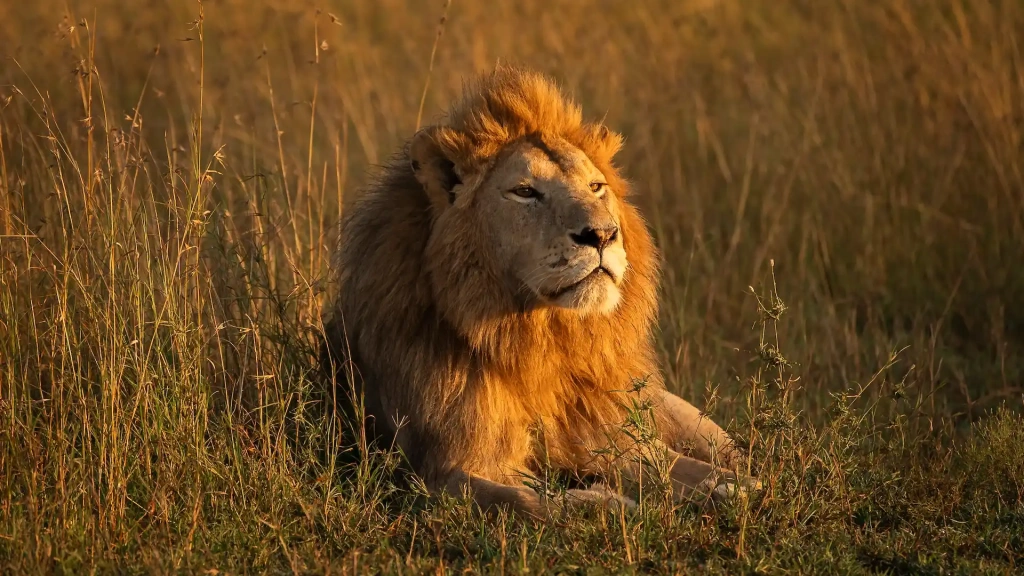
In the 19th and 20th centuries, naturalists described roughly a dozen “subspecies” of lions, based on differences in mane color, geographic range, or skull structure. Until 2017, many of these names were considered valid. Today, however, scientists officially recognize only two taxa: Panthera leo leo (African lions) and Panthera leo persica (Asiatic lions).
Tanzania is home to a significant share of the world’s lion population, about 60%. Lions are currently listed as Vulnerable on the IUCN Red List of Threatened Species. Over the past century, their global population has declined by roughly 90%, to an estimated 24,000 individuals worldwide. Of these, approximately 14,500 lions live in Tanzania, and the majority of them inhabit areas outside formally protected reserves.
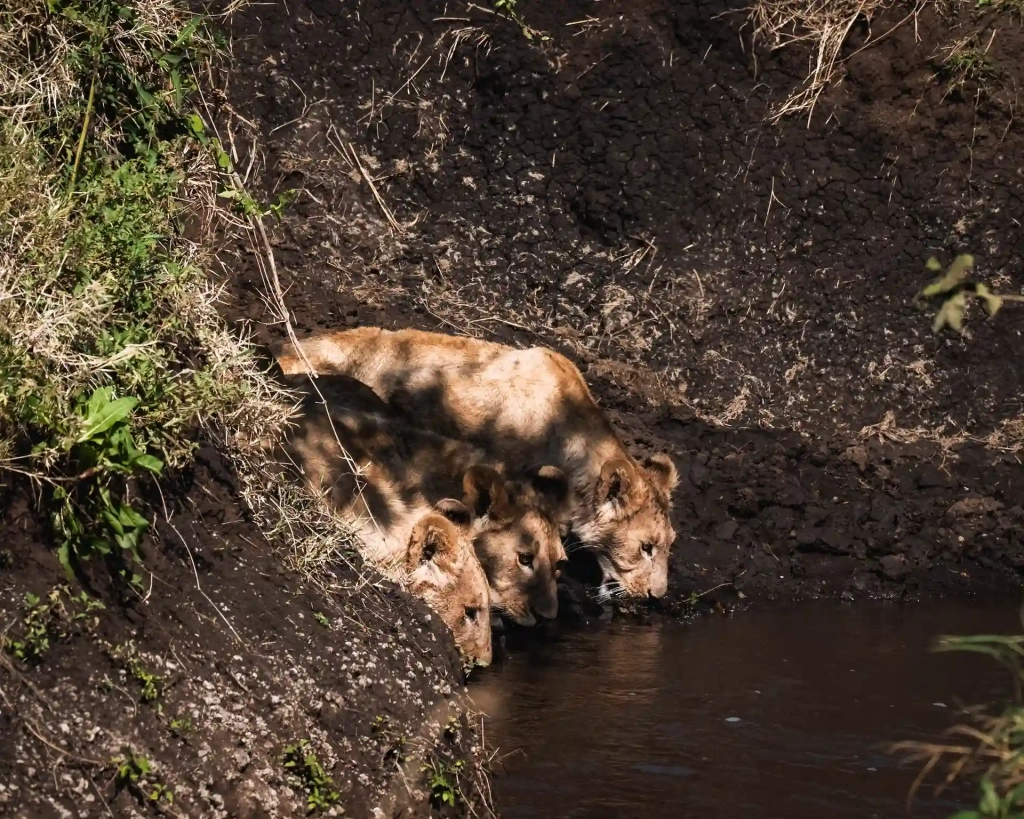
Despite relatively stable numbers within the country, lions continue to face numerous challenges in their struggle for survival. The primary threats include human–wildlife conflict, habitat loss, and environmental change. According to Dr. Borrego, studying both resource-rich and resource-poor ecosystems can offer valuable insight into how climate change may affect lions:
“Studying lion populations in semi-arid and desert-like environments with low prey densities and limited water provides insight into how they survive under such conditions, and how they may respond as similar climates spread across Africa due to climate change. These systems serve as natural laboratories for exploring behavioral strategies, movement patterns, and survival in resource-scarce habitats.
We use a variety of tools, combining modern technology with classical observation methods. For example, high-resolution GPS collars track lion movements and interactions across habitats and seasons, providing detailed data on space use, ranging patterns, social dynamics, and resource selection. These collars also help reduce human–wildlife conflict through alert systems that warn local communities when lions are nearby. Alongside modern technology, we rely on field observations and the knowledge of local experts, whose long-term familiarity with the landscape and lion behavior offers invaluable context for interpreting behavior and detecting changes over time.”
Hierarchy
A lion pride is a complex social structure. Most groups consist of 10 to 15 individuals, though in some cases their numbers can reach 30. Dr. Borrego explains that one of the most fascinating and most misunderstood aspects of lion society is the absence of a rigid dominance hierarchy. There is no true “lion king”:
“Lion society is remarkably egalitarian, especially compared to most other carnivores. There is no ‘alpha’ male or female within a pride or male coalition. Instead, individuals have equal access to resources like food and mating opportunities.
Females in a pride share lifelong bonds and cooperate in raising young, defending territory, and hunting. Males form coalitions — lifelong alliances that may consist of relatives or unrelated partners. Within a coalition, males cooperate to defend prides and territory rather than competing for dominance.”
Lions are among the most social of all big cats. Their prides consist of related lionesses, their cubs, and one or more male coalitions. Young males typically leave their natal pride and may wander for years before securing a place in a new one. Females, by contrast, usually remain in their birth group, forming strong matriarchal bonds.
However, according to Dr. Borrego, lion social organization varies greatly depending on environmental conditions:
“Lions are remarkably adaptable, changing their social lives and behavior to fit their environment. In resource-rich places, like the Serengeti, prides can exceed 20 individuals, and coalitions have reached up to 9 males. In these high-density systems, territories are smaller, and large groups have an advantage in defending resources — but they also face fiercer competition and a greater risk of infanticide.
In contrast, in harsher, low-density environments, such as the Central Kalahari in Botswana or the semi-desert landscapes of Namibia, prides and coalitions are smaller but roam much larger territories.
Both the way lions live together and the way they behave are shaped by environmental conditions. One striking example is their hunting strategies: in the Serengeti, large groups work together to take down dangerous prey such as buffalo. In semi-arid regions, where prey and hunting partners are scarce, cooperation is not always favored. There, we see lone females bringing down large, dangerous prey like giraffe or gemsbok, which is a remarkable achievement.
Beyond hunting, many other behaviors, including social dynamics, territoriality, and movement patterns, are highly flexible, shifting in response to environmental demands and giving lions a potential advantage over less adaptable species.”
Hunting
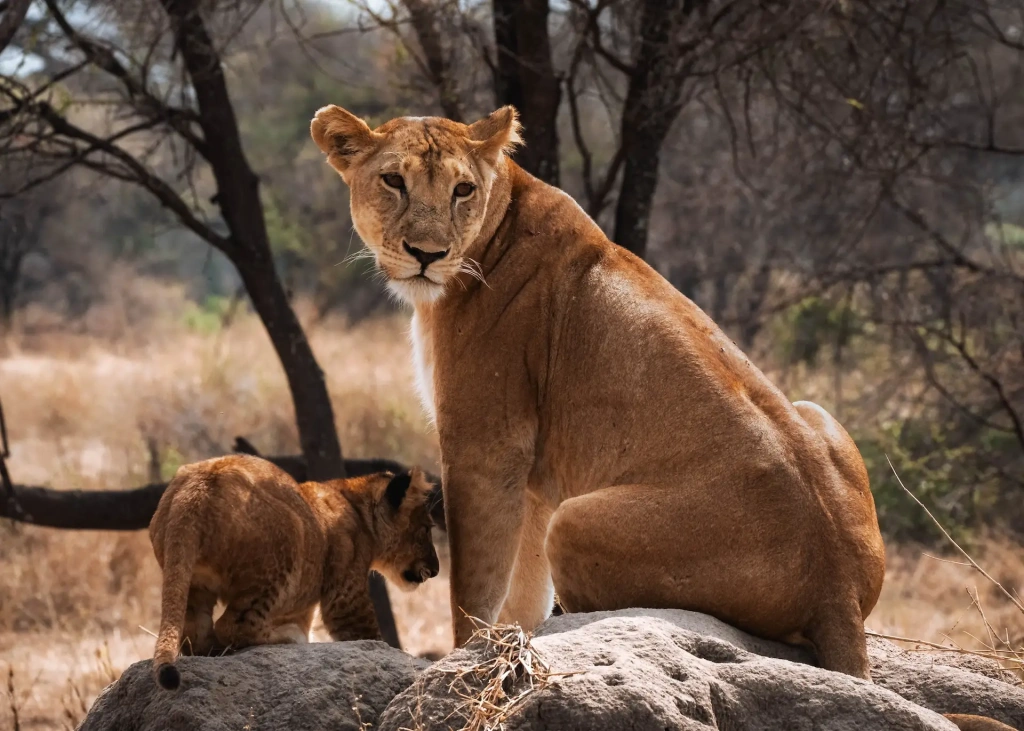
Lions may spend 16–20 hours a day resting or sleeping, reserving most activity, including hunting, for dusk and nighttime hours. Their primary prey consists of large ungulates such as wildebeest, zebras, and even young giraffes.
“Another widespread misconception is that only females hunt and males do not. In reality, hunting roles depend on habitat, prey availability, and group composition. Both males and females can hunt — either cooperatively or alone. Males often spend long periods without association with a pride, during which they rely entirely on their own survival skills,”
explains Dr. Borrego.
Lions are not only hunters but also scavengers. They frequently steal kills from hyenas and leopards, leading to intense competition between these species. For example, in Etosha National Park in Namibia, up to 71% of hyena deaths are the result of conflicts with lions.
Reproduction
Lionesses have a gestation period of approximately 110 days, after which they give birth to one to four cubs. Females often nurse not only their own offspring but also the cubs of other pride members. However, when a new male coalition takes over a pride, they frequently kill existing cubs in order to bring females back into estrus.
According to the study “Lion population dynamics: do nomadic males matter?”, female lions are less affected by changes in population density. They defend exclusive territories and maintain access to resources.
Male reproductive success and survival, by contrast, depend on their ability to gain and hold tenure over a pride amid intense competition. High male density increases the frequency of pride takeovers and infanticide, reducing cub survival and increasing the risk of severe injury or death for defeated males.
A male’s ability to maintain control of a pride is closely linked to coalition size and age. Smaller or weakened coalitions struggle to compete effectively. These pressures are further exacerbated by human activities such as trophy hunting, which often targets males with large, impressive manes, removing key coalition members and undermining the remaining males’ ability to compete.
Threats and lion conservation
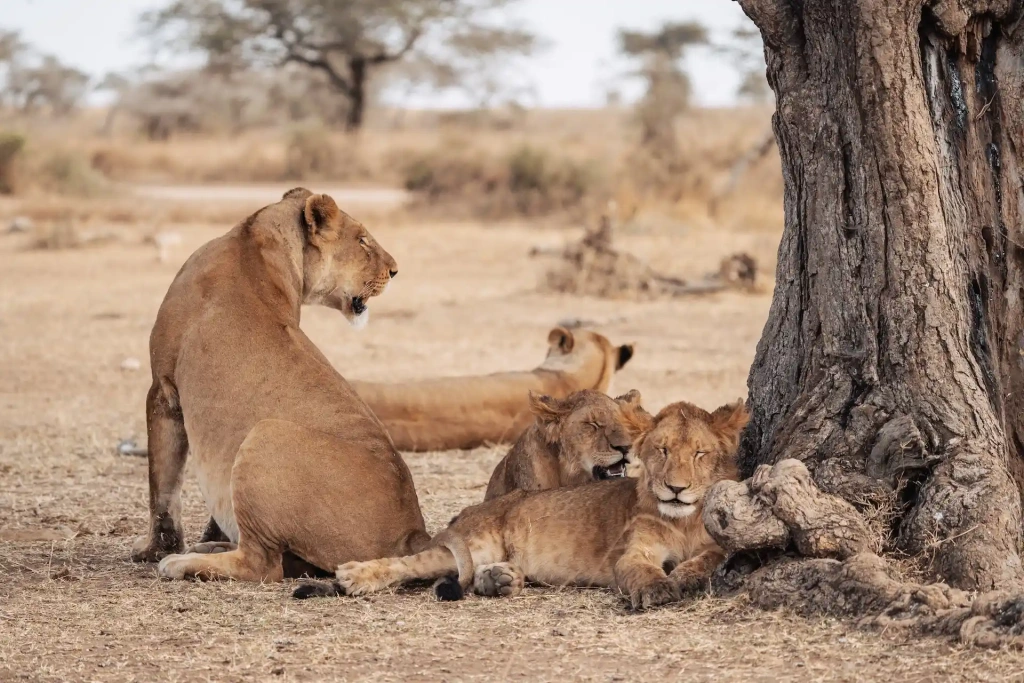
The lion is a symbol of strength and power, yet in reality these predators are highly vulnerable. While Tanzania remains their strongest refuge, serious threats persist:
- Habitat loss. Savannas are disappearing, giving way to villages, farmland, and roads. As human presence expands, lions lose hunting grounds, access to water, and migration corridors.
- Human–lion conflict. Lions may prey on livestock, particularly in areas where wild prey is declining. The response is often poison, traps, or firearms. Such conflicts are one of the leading causes of lion mortality outside protected areas.
- Poaching and the black market. Lion body parts, such as claws, teeth, and bones, are in demand. Although the market is smaller than for rhino horn or elephant ivory, it still poses a serious threat.
- Trophy hunting. Unfortunately, despite intense debate, this practice continues in some regions.
According to Dr. Borrego, addressing human–lion conflict is the most urgent priority:
“As habitat is lost and fragmented, wildlife is pushed into smaller areas and more often into shared spaces with people, increasing the risk of conflict. Living alongside lions is dangerous — livestock, livelihoods, and human lives are at risk. This reality is often underestimated by those far removed from the problem. Local communities are frequently blamed for declines in lion numbers, yet they are often placed in an impossible situation with few resources to protect themselves or their livestock. The best solutions will look different in different places. For example, fenced reserves in South Africa have relatively stable lion populations, while lions in open systems face far greater risks from human–lion conflict. Long-term conservation will require fair, community-led solutions, such as livestock enclosures, guardian programs, and early warning systems, alongside well-funded protected areas and long-term population monitoring. Only by addressing both the needs of local people and the needs of lions can we create conditions where both can survive.”
Across Africa, numerous initiatives are already working to protect lion populations.
Lion Recovery Fund (LRF)
- Location: Pan-African
- Focus: Doubling Africa’s lion population by 2050
- Tools: Funding local projects, habitat protection, community support, anti-poaching measures
LRF is not a single project but a strategic platform uniting dozens of initiatives from savanna restoration to anti-poaching operations and national park support. Community engagement is central to its mission, as conservation is only sustainable with local participation.
Ruaha Carnivore Project
- Location: Ruaha–Rungwa ecosystem, southern Tanzania
- Focus: Reducing human–carnivore conflict
- Tools: Community support (water, healthcare, education), animal monitoring, herder training
The Ruaha Carnivore Project demonstrates that effective conservation models can succeed even in some of the region’s poorest areas. Instead of retaliating against lions for livestock losses, communities gain access to clinics, schools, and infrastructure. As a result, lion populations stabilize and tensions gradually decline.
Lion Guardians
- Location: Uganda, Rwanda, Kenya, Tanzania, Mozambique
- Focus: Community-based lion protection
- Tools: Employing former hunters, patrols, tracking, conflict prevention
Former Maasai warriors who once hunted lions now serve as their primary protectors. Through Lion Guardians, they are trained to monitor lion populations, track movements, and resolve conflicts peacefully.
Born Free Foundation
- Location: International, including East Africa
- Focus: Protecting lions from exploitation, hunting, and captivity
- Tools: Advocacy campaigns, public education, government engagement
Born Free Foundation campaigns against trophy hunting and rescues lions from private circuses, zoos, and illegal facilities. The organization also promotes responsible tourism and ethical wildlife experiences.
Lion Landscapes
- Location: Tanzania, Zambia, Kenya, and other regions of East and Southern Africa
- Focus: Preventing human–carnivore conflict
- Tools: GPS collars, migration mapping, education, collaboration with landowners and farmers
Lion Landscapes focuses on prevention rather than response. By combining GPS tracking, community engagement, and land-use planning, the organization demonstrates how people and predators can coexist safely.
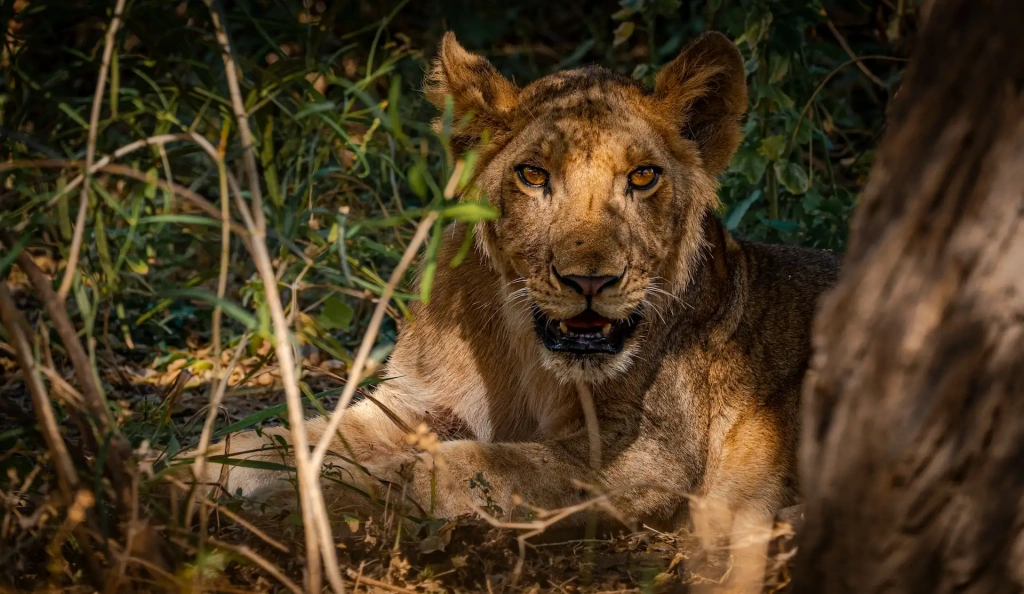
Where to see lions in Tanzania
Tanzania is one of the best places on Earth for wildlife viewing. Here are several key locations where the chances of encountering lion prides are especially high.
Serengeti National Park
The Serengeti is one of Tanzania’s oldest and largest national parks, renowned for its unique ecosystem. Estimates suggest that more than 3,000 lions live here.
The most dramatic scenes unfold along the routes of the Great Migration – a continuous, cyclical movement spanning the Serengeti–Mara ecosystem, from northern Tanzania to southern Kenya, including Serengeti National Park, the Ngorongoro Conservation Area, and Kenya’s Maasai Mara.
Ngorongoro Crater
This massive volcanic caldera of the Ngorongoro Crater, covering just over 260 km² (100 sq mi), is home to approximately 25,000 large mammals, including elephants, rhinos, buffalo, gazelles, and lions. Several lion prides live permanently within the crater. They do not migrate and have long been accustomed to safari vehicles, creating ideal conditions for observation.
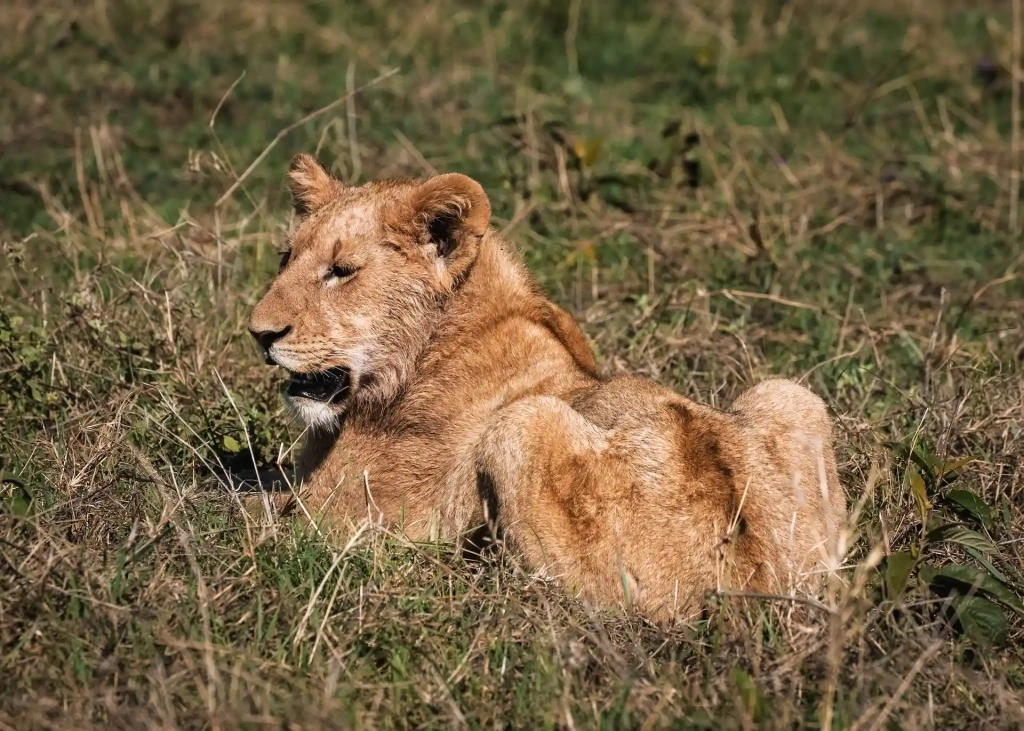
Because the population here is isolated, local lions have developed distinct genetic traits and unusual behaviors not observed elsewhere. For example, females may leave their natal prides to join others – a rare phenomenon among lions.
Ruaha National Park
Ruaha National Park is one of East Africa’s most underrated yet outstanding wilderness areas. Located in southern Tanzania, it is among the country’s largest national parks. While it remains less visited than the Serengeti, this is precisely its strength: fewer safari vehicles, fewer tourists, and vast stretches of pristine savanna.
Ruaha is home to one of the largest lion populations in East Africa. Biologists estimate that the Ruaha–Rungwa ecosystem supports around 10% of all lions on the continent. The park is particularly notable for its large prides, often numbering 20 individuals or more.
Tarangire National Park
One of Tanzania’s iconic destinations, Tarangire covers 2,850 km² (1,100 sq mi). Driving from one end of the park to the other typically takes 4–5 hours. The park is named after the Tarangire River, which during the dry season becomes a critical water source for wildlife across vast distances.
Tarangire is famous for its giant baobabs and large elephant herds. Lions are especially active hunters here during the dry season, from June to October, when animals congregate around water sources.
All content on Altezza Travel is created with expert insights and thorough research, in line with our Editorial Policy.

Want to know more about Tanzania adventures?
Get in touch with our team! We've explored all the top destinations across Tanzania. Our Kilimanjaro-based adventure consultants are ready to share tips and help you plan your unforgettable journey.
 Climbing
  Safari
  About Tanzania
  Islands