





 52 reasons
 Free PDF


 Message us on WhatsApp
 Book a Free Call


tailored to your preferences

Awards winner

Tripadvisor · 2571 reviews

Awards winner
Tripadvisor · 2571 reviews
Safari in Rwanda 2026–2027
Rwanda is one of the few places where you can trek through mountain forests to see gorillas and chimpanzees, spot the Big Five on the savanna, and walk high above the rainforest on a suspension bridge — all within a few hours’ drive of Kigali, the capital, with its modern hotels, restaurants and museums.
Best places for safari in Rwanda
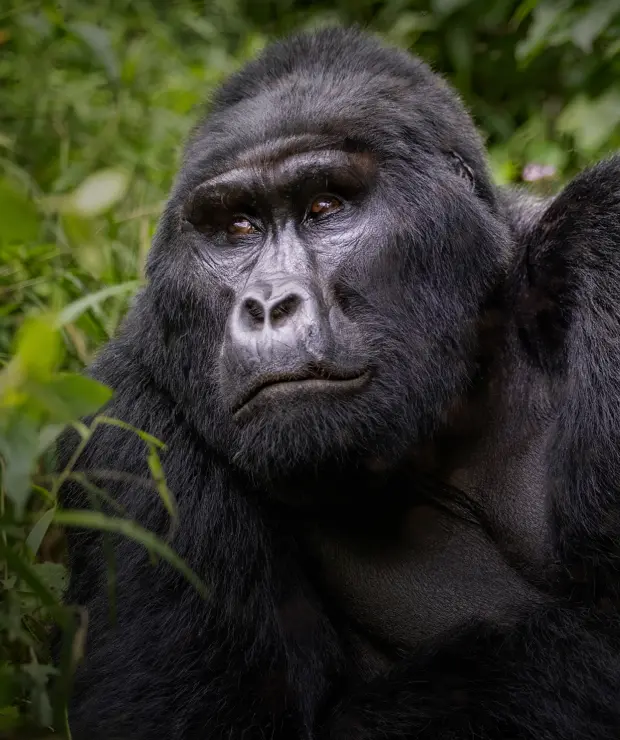
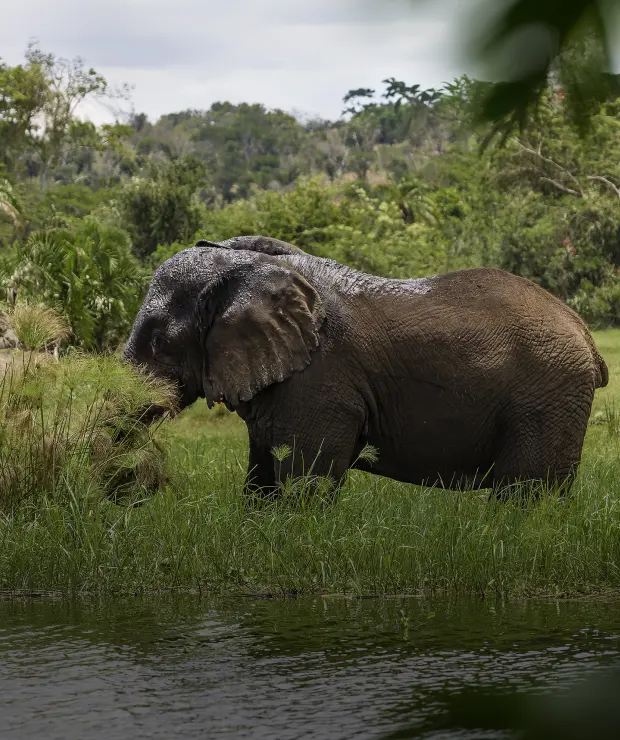
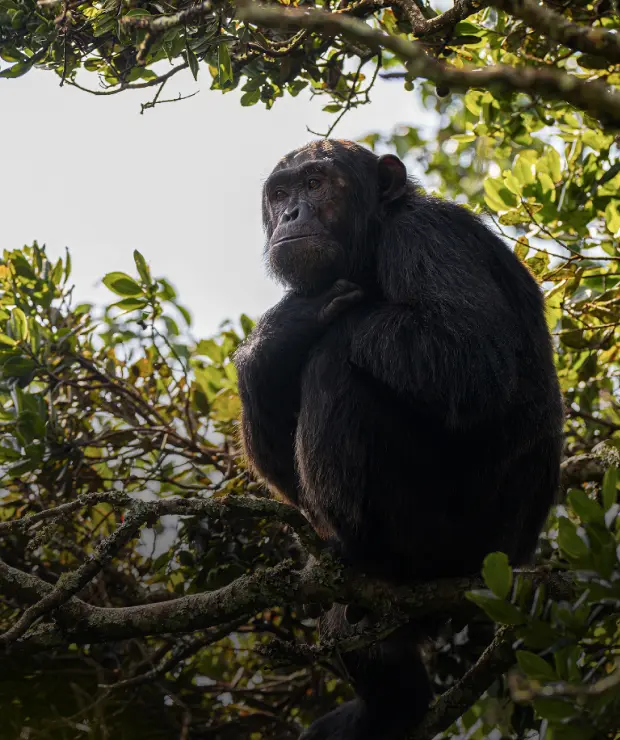
What a safari in Rwanda with Altezza Travel is like
There are several ways to experience Rwanda: trekking to see gorillas and chimpanzees, classic game drives across the savanna, and hiking through tropical forests. Each day brings something different.
Volcanoes National Park

Akagera National Park

Nyungwe National Park

Best time to visit Rwanda for safari and gorilla trekking
Safaris in Rwanda’s national parks are possible year-round. There is no traditional winter and summer here, as the country lies close to the equator. Instead, the year is divided into dry and rainy seasons, each with its own characteristics.

Days are generally sunny, although light rain is possible in the mountain forests of Volcanoes and Nyungwe. It usually does not make the trails difficult to navigate, so gorilla and chimpanzee trekking remains comfortable.
Akagera is still lush and green after the rainy season, while the grass remains short, making animals easy to spot both on the savanna and around Lake Ihema. A boat trip on the lake is a good way to see hippos, crocodiles and herds of buffalo along the shore. Late December and early January are peak season, so it is best to book lodges and trekking permits several months in advance.

This is the wettest season, with April seeing the most rainfall. Rain usually comes in the afternoon, when travelers have already returned to their lodges. The trails can become quite slippery, so gorilla and chimpanzee trekking takes more time and requires greater care.
Animal sightings are still good, however. The savanna becomes lush and green, and water sources fill up, so animals can be found throughout the park. In the forest parks, this is also a good period for birdwatching, in addition to seeing primates. There are noticeably fewer tourists, and tour operators and lodges often offer discounts.
This is the driest season, lasting until around mid-September. Trails in the forest parks are dry, and although brief showers are possible in the mountains, they generally do not interfere with gorilla, chimpanzee or golden monkey trekking.
Akagera’s savanna gradually takes on its familiar golden color, and animals are easier to find around lakes, rivers and other water sources. It is an excellent time for game drives and boat trips on Lake Ihema. Keep in mind, however, that this is peak season: the parks are busy with tourist groups, and lodges and trekking permits should be booked several months in advance.
The rains return to Rwanda in October and November, but they are usually brief and tend to come in the afternoon. Cloudy periods and sunny, dry days are also common. Trails to see gorillas and chimpanzees in the forest parks become wetter, so good footwear and a slower pace are important.
Akagera becomes lush and green again, and animals spread out across the savanna. Although tall grass can make them harder to spot from a distance, you can still expect plenty of wildlife sightings. These months are also good for birding: migratory birds arrive from the north and stay in Rwanda until around April. A total of 703 bird species have been recorded in Rwanda.


FAQs about safari in Rwanda
How much does gorilla trekking in Rwanda cost?
A permit for international travelers costs $1,500 per person. The Rwanda Development Board sets the price. Booking several months in advance is recommended because the number of permits is limited to a maximum of 96 per day, with no more than eight people in each group. The permit includes entry to Volcanoes National Park, a ranger guide and one hour of gorilla viewing. Revenue from permits supports conservation projects as well as the construction of schools, hospitals and roads.
How long does mountain gorilla trekking take?
One day. Travelers arrive at the Volcanoes National Park headquarters at 7 a.m., where they receive a briefing and are divided into groups. Each group is assigned a specific gorilla family. The allocation takes into account travelers’ physical fitness, age, and the approximate location of the animals, which can sometimes be found at elevations of up to 4,000 meters (13,123 ft).
The group then sets off on its trek. Finding the family can take anywhere from 30 minutes to several hours. Once the gorillas are located, visitors have one hour to observe them. The group then makes its way back.
What should I wear for gorilla trekking?
Humidity remains high in the forest even during the dry seasons, so bring a waterproof jacket and trousers, trekking boots and thick gloves – you will need to hold onto branches as you make your way through dense forest. Sunglasses, sunscreen, insect repellent and a rain jacket are also useful. Bring something warm, too: mornings and evenings in the mountains can be cool.
How difficult is gorilla trekking?
It is impossible to predict in advance, as everything depends on how long it takes to find the gorilla family and how high you need to climb. Trail conditions also make a big difference: during the rainy seasons, trails can be slippery and muddy, making the trek more challenging. Good physical fitness is important, but you don’t need any special training.
Are there age restrictions?
Yes. The minimum age for gorilla and chimpanzee trekking is 15, while the minimum age for golden monkey trekking is 12. The minimum age for the suspension bridge in Nyungwe and hot-air balloon flights in Akagera is 6.
What other animals can you see in Rwanda?
Although many people travel to Rwanda specifically to see mountain gorillas in Volcanoes National Park, the country is also home to the rare golden monkey. In Nyungwe, you can trek to see chimpanzees and huge groups of colobus monkeys, numbering several hundred individuals. For the Big Five – lions, leopards, buffaloes, elephants and rhinos – travelers head to Akagera National Park. The park is also home to hippos, crocodiles, zebras, giraffes, antelopes and other savanna wildlife. Rwanda is also home to more than 700 bird species.
Is it safe to travel in Rwanda?
Yes. Rwanda ranks among the best countries in Africa for expats, while its capital, Kigali, is ranked among the safest cities on the continent. The main reasons include a high level of safety compared with most other African countries, a rapidly growing economy, and well-developed infrastructure in the capital.
Do I need a visa for Rwanda?
Many foreign travelers, including EU and US citizens, need a tourist visa to enter Rwanda. You can obtain it online or on arrival. Your passport must be valid for at least six months from the date of entry. A single-entry visa costs $50 and is valid for 30 days; a multiple-entry visa costs $70 and is valid for up to 90 days.
How do you get to Rwanda?
All flights arrive at Kigali International Airport. From Europe, direct flights are available from London, Paris, Brussels and Amsterdam.
Flights from the US require a connection either in one of the European cities listed above or in Istanbul (Turkey), Dubai (UAE), Doha (Qatar) or Addis Ababa (Ethiopia).