





 52 reasons
  Free PDF


 Message us on WhatsApp
  Book a Free Call

 About Tanzania
 Each of Tanzania’s six presidents has played a key role in transforming a newly independent country into a stable state with a growing economy.

On April 26, 1964, Tanganyika united with Zanzibar, and a new state emerged on the world political map – the United Republic of Tanganyika and Zanzibar. Later that year, on October 29, the country was renamed the United Republic of Tanzania. Today, it is one of the most stable and safest countries in East Africa, attracting millions of travelers from around the world every year.
From “the father of the nation,” Julius Nyerere and his socialist experiments, to the modern policy of openness, economic growth, and tourism development under Samia Suluhu Hassan – here is how the country evolved under Tanzania’s different presidents.
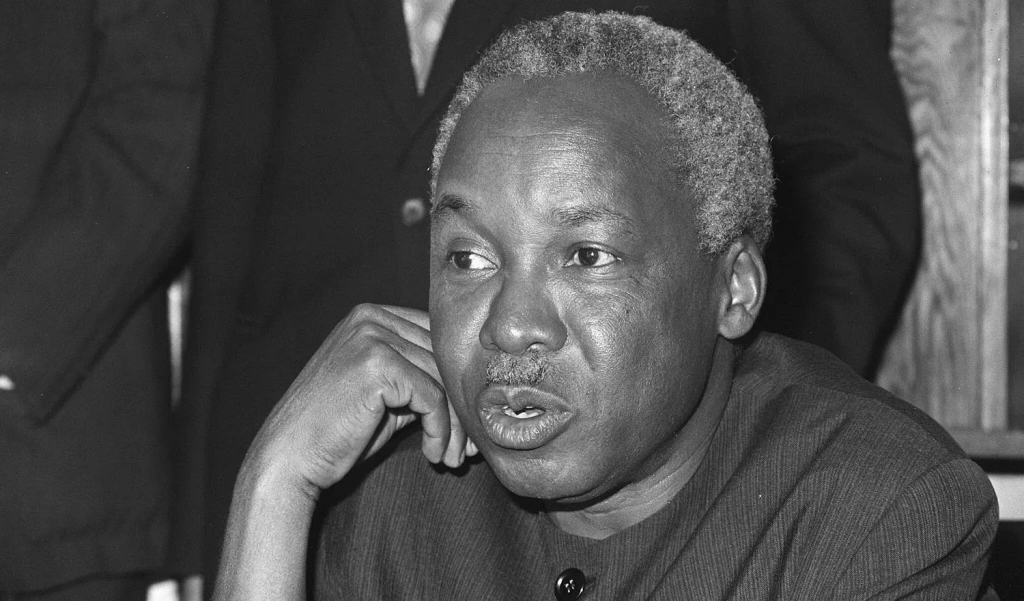
Julius Nyerere (1964–1985) – the first president of Tanzania. Independence and union
Julius Nyerere, who began his career as a schoolteacher, was born and lived in Tanganyika, which at the time was a UN trust territory administered by the United Kingdom. In practice, the country was governed by the British colonial administration. It controlled the government, the economy, and key resources, and implemented policies that limited the rights of the African majority – including segregation, low wages, and restricted access to education and political participation.
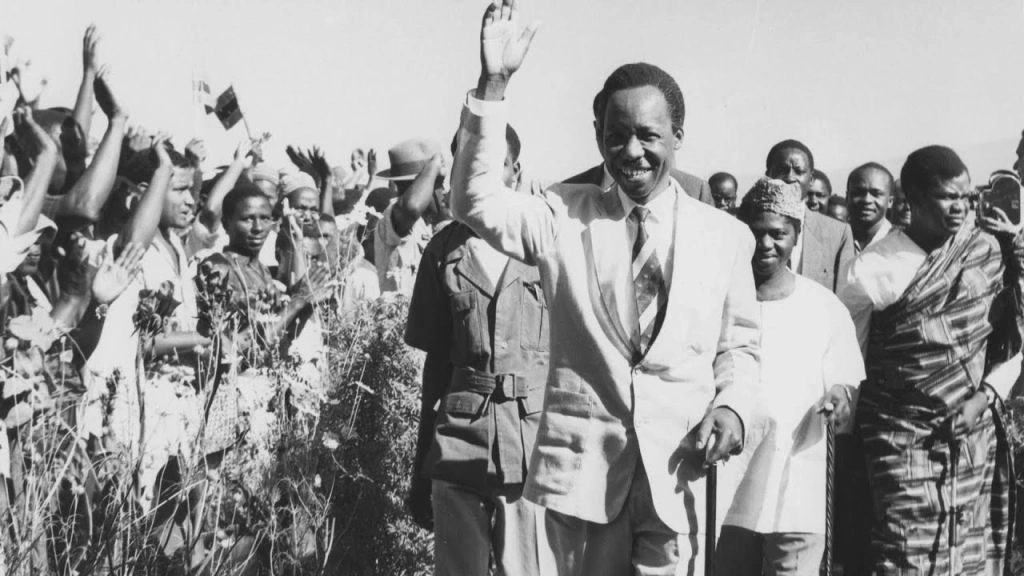
Naturally, this political situation was unacceptable to the local population, as well as to Nyerere himself. After receiving a university education, he organized a political party in 1954 – the Tanganyika African National Union (TANU). Its members aimed to achieve full independence from the United Kingdom. It is important to note that the movement used non-violent methods. The party organized mass rallies and actively submitted petitions to the UN.
By December 1961, the movement had achieved its goal – Tanganyika gained independence, although the British monarch formally remained the Queen of Tanganyika. Nyerere became prime minister under the new constitution and later the country’s first president.
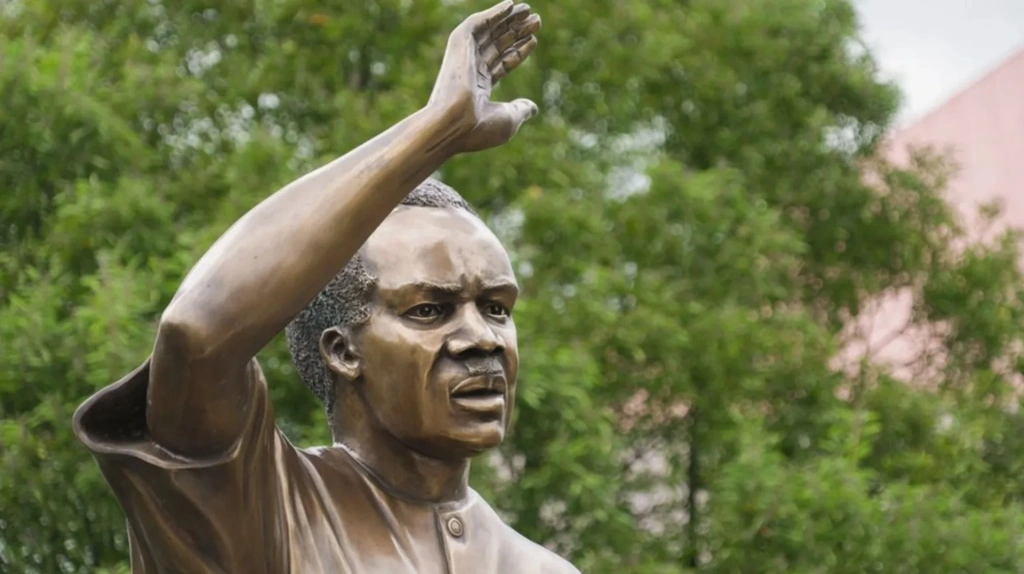
In December 1963, Zanzibar also gained independence and became a constitutional monarchy under its sultan. However, the African population, which formed the majority of the archipelago’s residents, did not accept the continued rule of Arab elites. On January 12, 1964, an uprising against the sultan began – the famous Zanzibar Revolution.
Despite the violent nature of the revolution, control soon passed to more moderate political forces. Eventually, after a coup, a new government was formed under Abeid Amani Karume, who became the first president of Zanzibar.
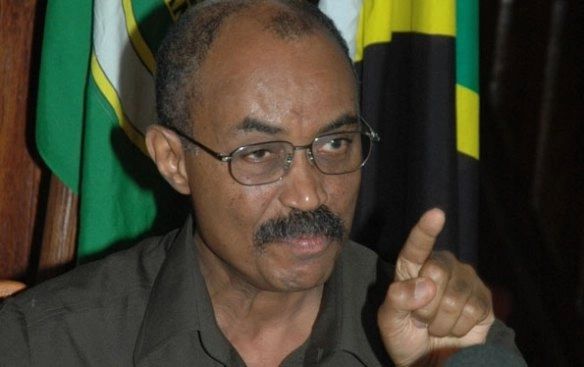
Almost simultaneously with the uprising in Zanzibar, an army mutiny began in January 1964. Soldiers, mostly Africans, demanded higher wages, the removal of British officers, and faster “Africanization” (replacing Europeans with local personnel). The rebels seized barracks in Dar es Salaam and even attempted to overthrow the government.
For Julius Nyerere, this was a serious blow – his own army, inherited from the colonial era, had slipped out of government control. He had no reliable forces to suppress the revolt and therefore again appealed to the British for help. He did not want to risk further instability, especially amid the revolution in Zanzibar, which could have spread to the mainland.
The British responded quickly and landed troops by the end of January. They helped suppress the mutiny with minimal losses, but the intervention also demonstrated that independence had not completely erased British influence. After these events, Nyerere began restructuring the army and focused on socialist reforms to prevent further unrest.
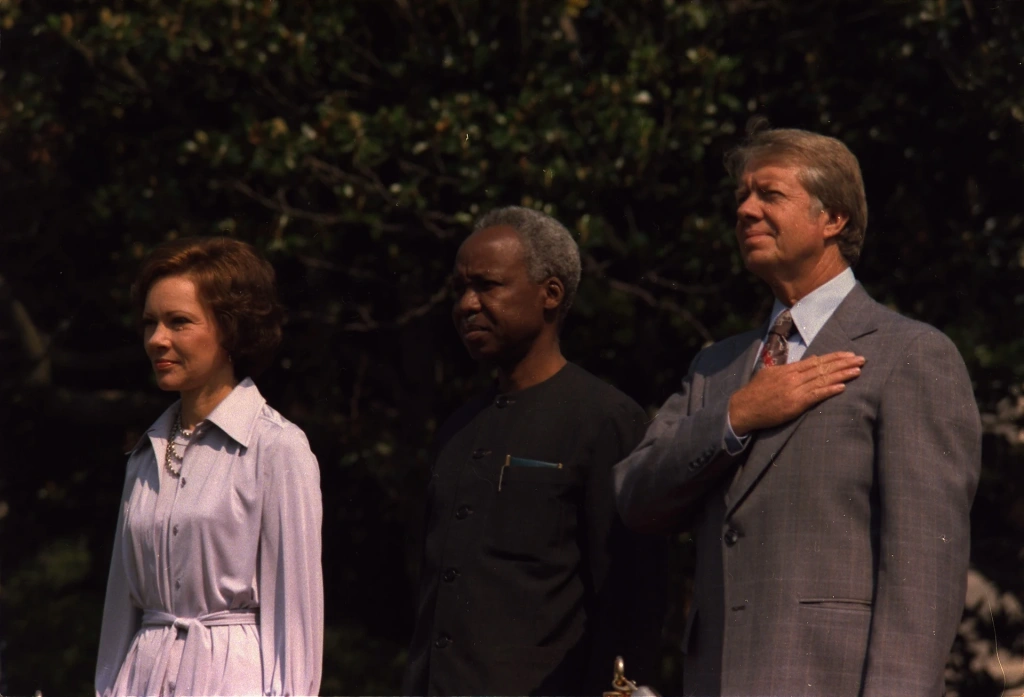
This was followed by the union of Tanganyika and Zanzibar in April 1964 – partly a response to these events. Nyerere wanted to stabilize the region and create a unified country. Thus, the United Republic of Tanzania was formed.
Over time, the British withdrew from the country’s military affairs, although economic ties remain today – Tanzania is still a member of the Commonwealth of Nations. Julius Nyerere became the first president of the new country and remained in office until 1985, exactly 21 years. He ruled longer than any other leader in Tanzania’s history and is widely considered the “father of the nation” – Mwalimu (“teacher” in Swahili).
Nyerere’s policy: Ujamaa – African socialism
The central idea of Nyerere’s policy was ujamaa (“family” or “brotherhood” in Swahili) – his version of African socialism. The idea was to return to traditional African values, where communities live and work together without private ownership of key resources.
Nyerere implemented agricultural collectivization. From 1967 through the 1970s, millions of Tanzanians moved to small villages where land, tools, and harvests were shared by the entire community. He also nationalized banks, large companies, and export industries, introduced free primary education, expanded healthcare, and fought corruption.
By the 1980s, every village in Tanzania had a school, and overall primary education coverage reached nearly 100%. Child mortality declined, and medical care became accessible even in remote settlements.
On the other hand, forced collectivization also had negative consequences – people lost motivation, and agricultural productivity declined. Production of coffee, cotton, and tea dropped sharply, which severely affected export revenues. By the mid-1970s, Tanzania faced shortages of goods and huge external debts. By the 1980s, the country’s economy had entered a deep crisis.
Why did Nyerere step down from the presidency?
In 1985, at the age of 63, Nyerere voluntarily resigned. He openly admitted that his socialist model had not worked as he had hoped.
On November 5, 1985, he handed power to Ali Hassan Mwinyi, his successor, who had previously served as president of Zanzibar. Mwinyi immediately began shifting the country’s political course toward economic liberalization, privatization, and greater foreign investment.
The presidency of Ali Hassan Mwinyi (1985–1995): the end of ujamaa and the start of liberalization
Ali Hassan Mwinyi ruled Tanzania for exactly ten years. Before his political career, he was a teacher and later became a government official, serving as a minister and vice president. He died on February 29, 2024, at the age of 98. He is often called “Mr. Permission” because he allowed many activities that had previously been banned, such as private business, imports, and multiparty politics.
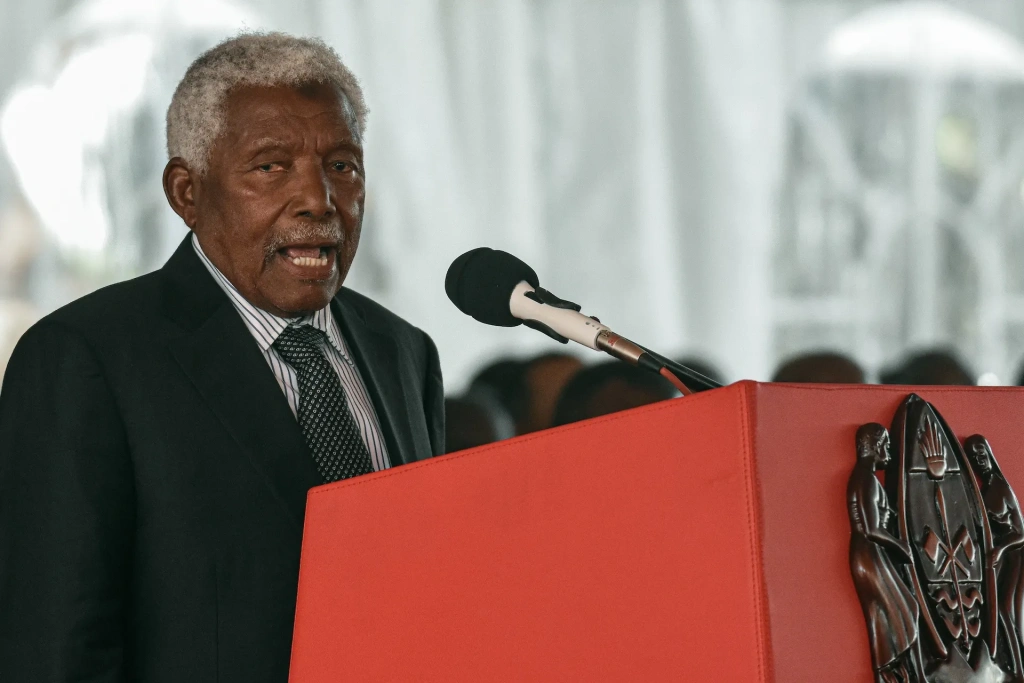
In 1986, Ali Hassan Mwinyi introduced the Economic Recovery Programme (ERP) with support from the IMF and the World Bank. As part of this program, the Tanzanian shilling was devalued several times, price controls were lifted, state enterprises were privatized, and foreign investment was encouraged. Trade liberalization also accelerated – authorities allowed private imports and ended the state monopoly on the export of coffee, tea, and cotton.
As a result, agricultural production and exports grew, goods reappeared in stores, inflation decreased, and the economy stabilized. Mwinyi effectively laid the foundation for the country’s future growth. Although progress was gradual, GDP began to grow again, about 3–4% annually by the late 1980s and early 1990s.
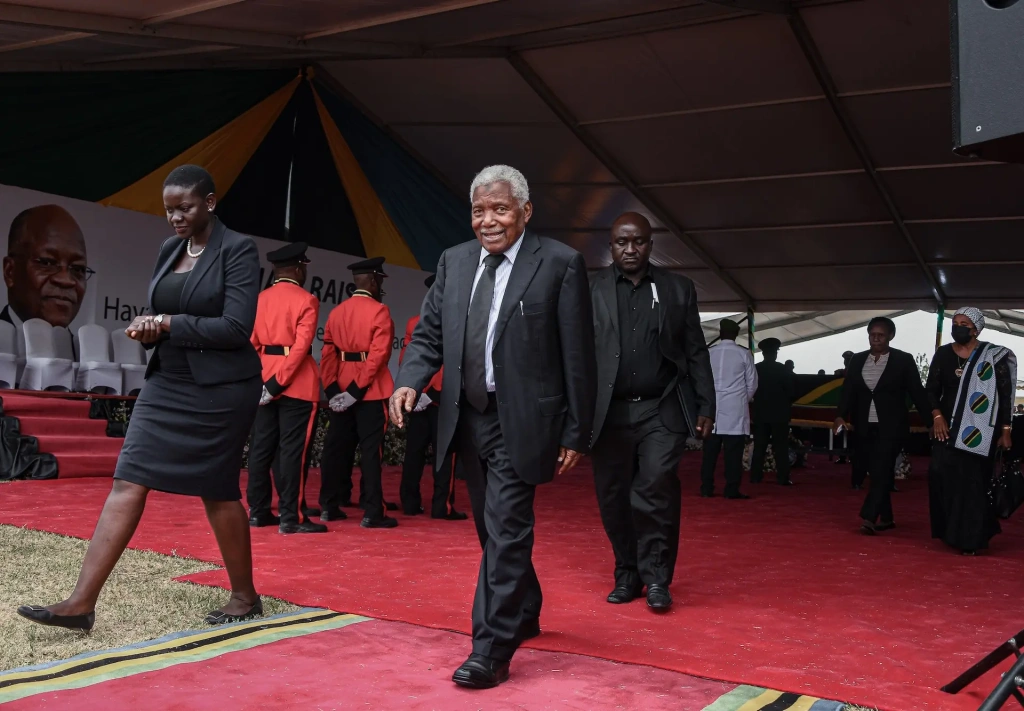
However, the reforms also had drawbacks. Reductions in social spending increased inequality, unemployment among public sector workers rose, and access to free healthcare and education declined. The country also became economically dependent on the IMF and the World Bank again.
Nevertheless, Mwinyi’s presidency laid the groundwork for the country’s further democratic development. In 1992, multiparty politics was officially introduced, and in 1995, the first multiparty elections were held. Mwinyi himself respected the constitution and did not run for a third term, transferring power to Benjamin Mkapa.
Benjamin Mkapa (1995–2005) – the third president of Tanzania. Accelerated liberalization and economic growth
Benjamin Mkapa served two five-year terms as head of state. He was the first president elected through multiparty elections, although he represented the ruling . Before entering politics, he worked as a journalist and diplomat, and later served as foreign minister under Mwinyi.
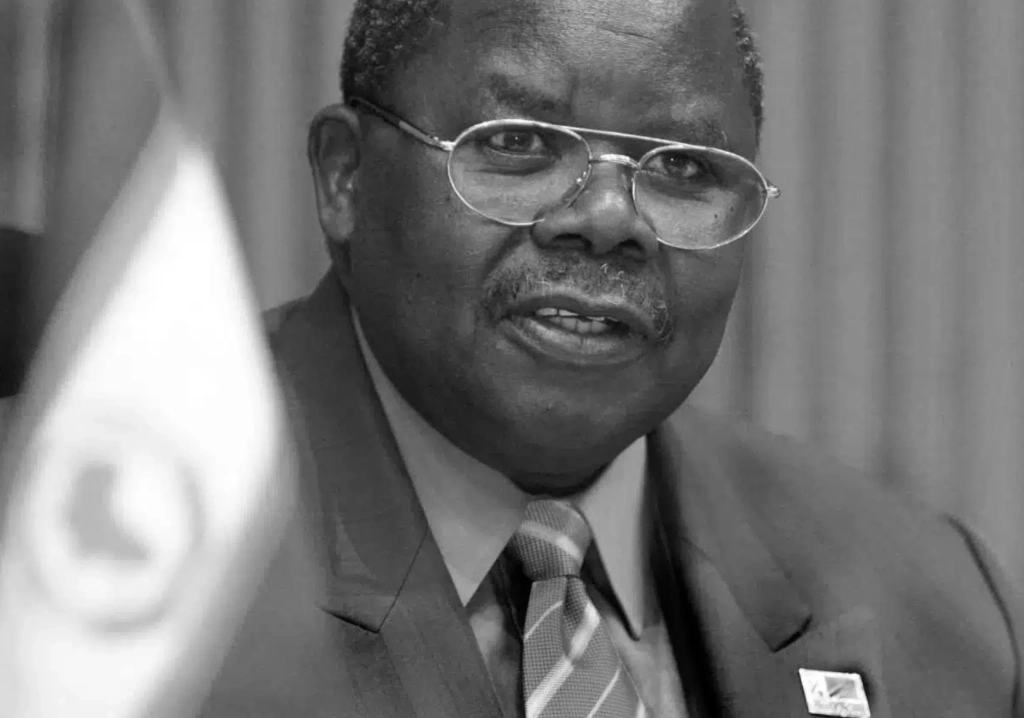
Mkapa came to power when the country had already emerged from the economic crisis of the 1980s, thanks to Mwinyi’s policies, but was still developing slowly. He continued market reforms with support from the IMF and the World Bank, intensified the privatization of state enterprises, and attracted foreign investment. In 1997, he introduced the Mining Act of 1998, which helped turn the mining sector – especially gold and diamond extraction – into a key export industry.
Mkapa also secured the cancellation of much of the country’s external debt, fought corruption in government institutions, reduced bureaucracy, and reformed the tax system. He devoted significant attention to infrastructure – during his presidency, roads and ports were actively built, and the energy sector expanded. GDP growth stabilized, inflation decreased, and poverty declined.
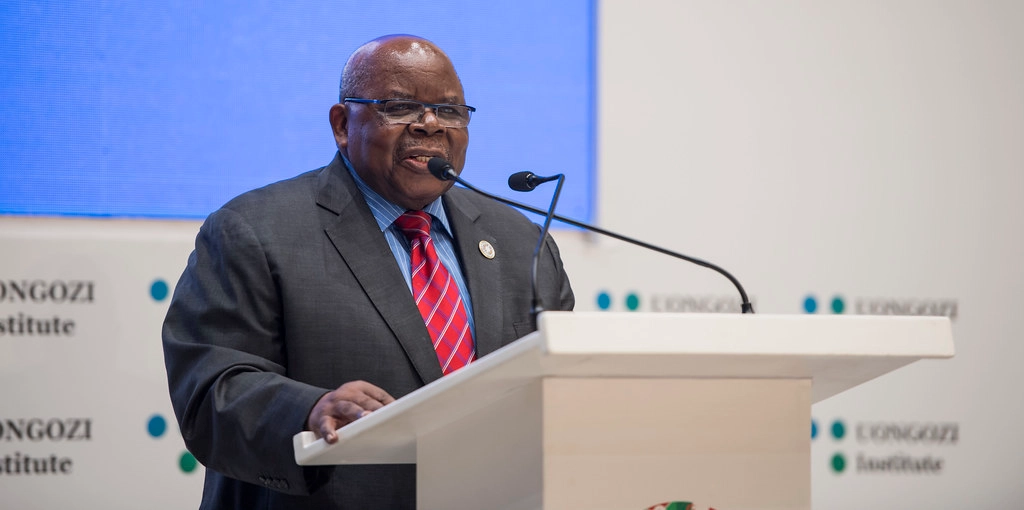
On December 21, 2005, Benjamin Mkapa transferred power to Jakaya Kikwete, who won the election as the CCM candidate. After leaving office, the former president remained active in peacekeeping initiatives, wrote memoirs, and remained a respected public figure until his death in 2020.
The presidency of Jakaya Kikwete (2005–2015): stability and an infrastructure boom
Jakaya Kikwete also ruled Tanzania for two five-year terms. Trained as a physician, he had long served as foreign minister under Mkapa. Later, the media nicknamed him “Dr. Jakaya.” He was a charismatic and well-educated leader who continued economic growth, invested heavily in infrastructure, and became an important peace mediator in Africa.
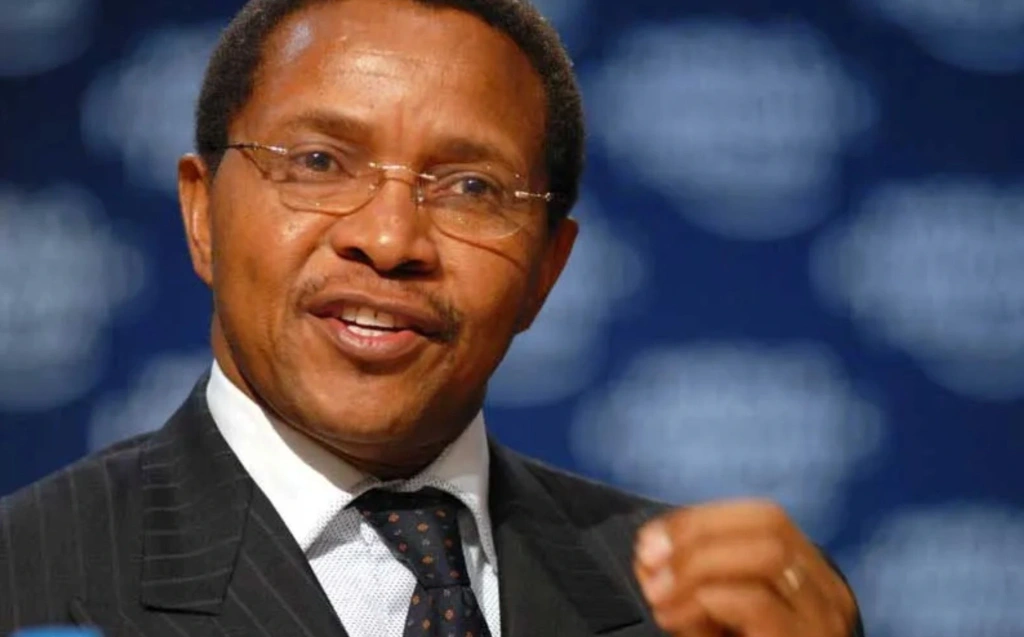
Kikwete’s policy focused on strengthening stability and attracting investment. For example, he launched Kilimo Kwanza 2009 – a program to modernize agriculture and transform it into a successful commercial sector. He also accelerated the development of mining and tourism and invested heavily in infrastructure.
As a result, the economy became more diversified, and Tanzania emerged as one of the fastest-growing economies in Africa. Kikwete also strengthened multiparty politics, although CCM remained the dominant party.
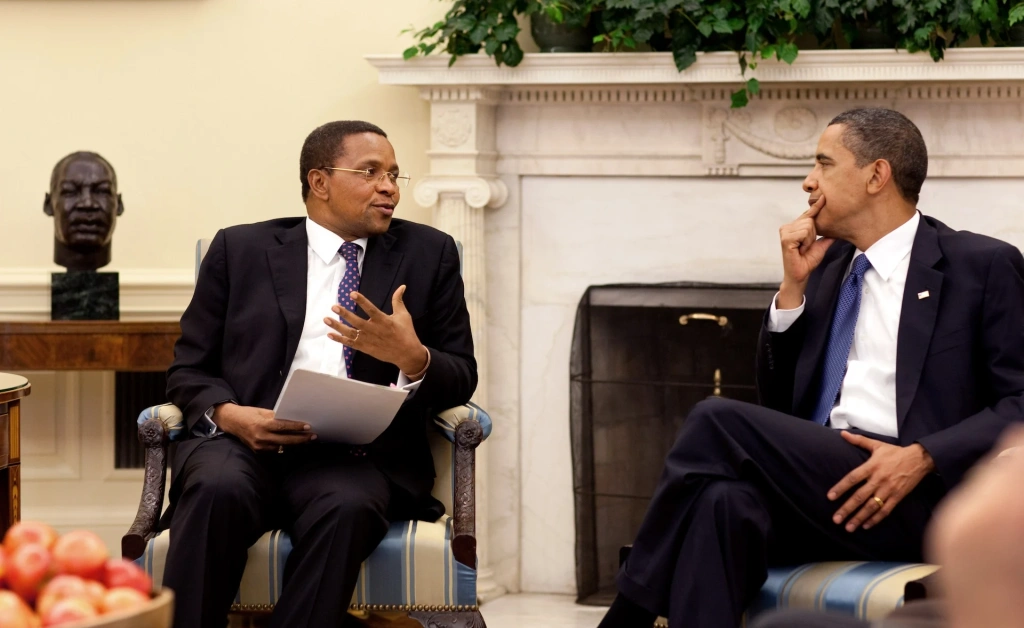
Kikwete also attempted to combat corruption – he expanded the list of corruption-related crimes from four to twenty-one categories and even dismissed the entire cabinet in 2008. Nevertheless, major corruption scandals continued to emerge, undermining public trust in his government. One of the most well-known was the Richmond scandal (2006–2008), in which a shell company received large payments for an unfulfilled electricity contract.
Kikwete ultimately failed to eradicate corruption, and the opposition used these scandals as a key argument against the CCM party – partly because high-profile dismissals often replaced actual criminal punishment. As a result, the fourth president of Tanzania stepped down voluntarily after completing his second term. On November 5, 2015, he transferred power to John Magufuli – and despite multiparty politics, the new president was again a representative of CCM.
The presidency of John Magufuli (2015–2021): an intense fight against corruption
John Magufuli ruled Tanzania until 2021 – until his sudden death at the age of 61. He came from a poor farming family, worked as a teacher and chemist, and later became a minister. The public nicknamed him “The Bulldozer” – first because of his tough anti-corruption policies, and later because of his increasingly authoritarian governing style.
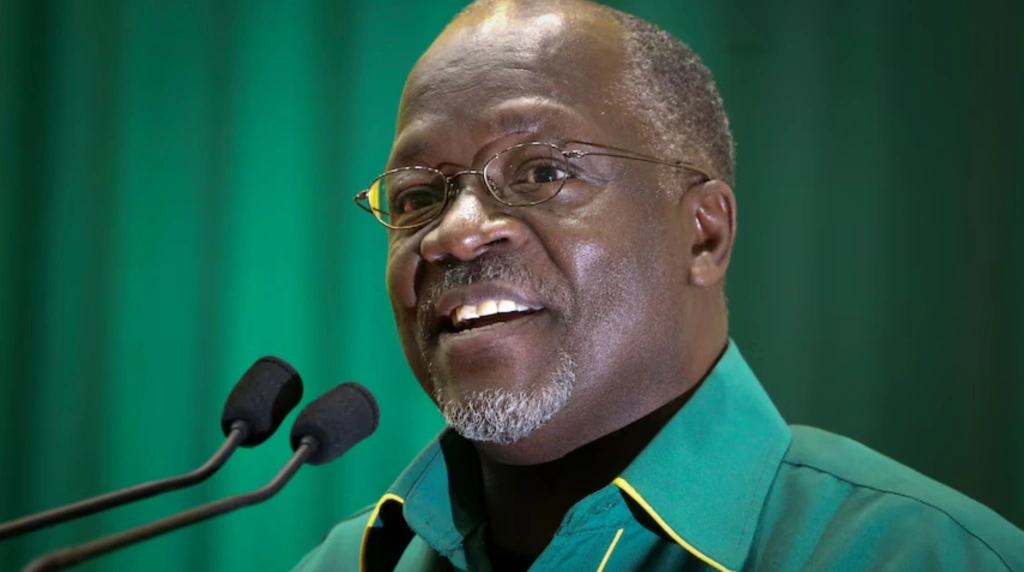
As part of his campaign against wasteful spending, Magufuli canceled the lavish Independence Day celebrations, banned government officials from flying business class, cut so-called and eliminated other unnecessary expenditures. These measures returned billions of shillings to the national budget and significantly reduced corruption.
Magufuli also renegotiated contracts with foreign mining companies and collected billions in additional taxes and fines, increasing the state’s share of natural resources. He continued – and even accelerated – major infrastructure projects, including railway construction, hydroelectric power plants, and airports. He also revived the national airline, Air Tanzania.
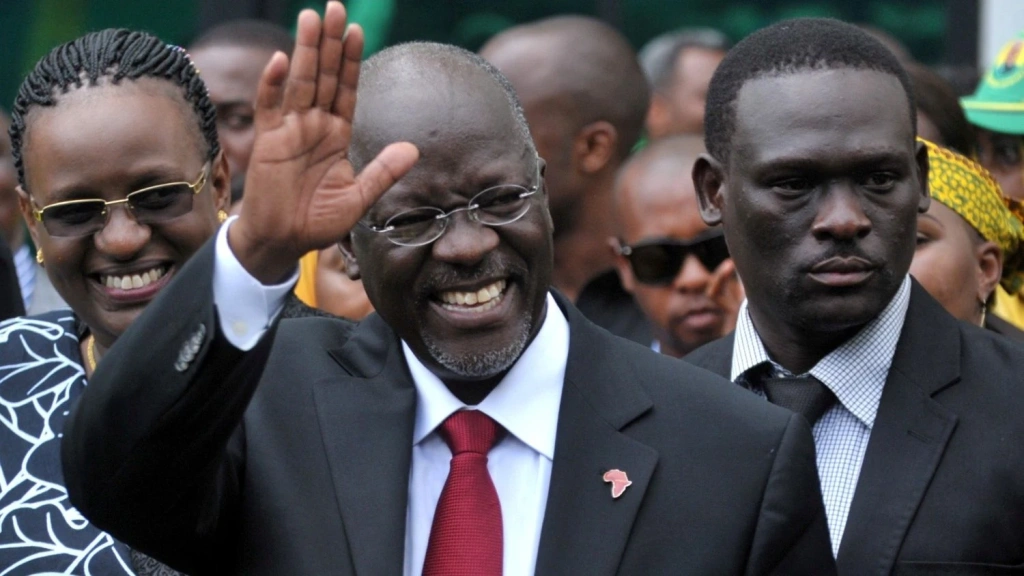
Despite these achievements, Magufuli’s governing style gradually became more rigid and authoritarian. For example, he banned opposition rallies and demonstrations, shut down critical media outlets, and introduced a law restricting the publication of statistical data. His reelection in 2020 was accompanied by accusations of electoral fraud and violence.
The most well-known – and perhaps most controversial – aspect of Magufuli’s presidency was his approach to the COVID-19 pandemic. He denied the seriousness of the virus, stopped reporting COVID-19 deaths in April 2020, banned lockdowns, masks, and vaccines, and encouraged prayer and traditional remedies instead of medical measures. He died on March 17, 2021, officially from heart disease, although some suspected COVID-19. After his death, power passed to Tanzania’s first female president, Samia Suluhu Hassan.
Samia Suluhu Hassan (2021–present) – Tanzania’s first female president: a course toward democratization and tourism development
Samia Suluhu Hassan, a native of Zanzibar, was reelected for a second term in October 2025. She studied public administration and economics, including postgraduate studies in the United Kingdom, and built her career working in government institutions and parliament. Her leadership style is often described as open, diplomatic, and pragmatic.
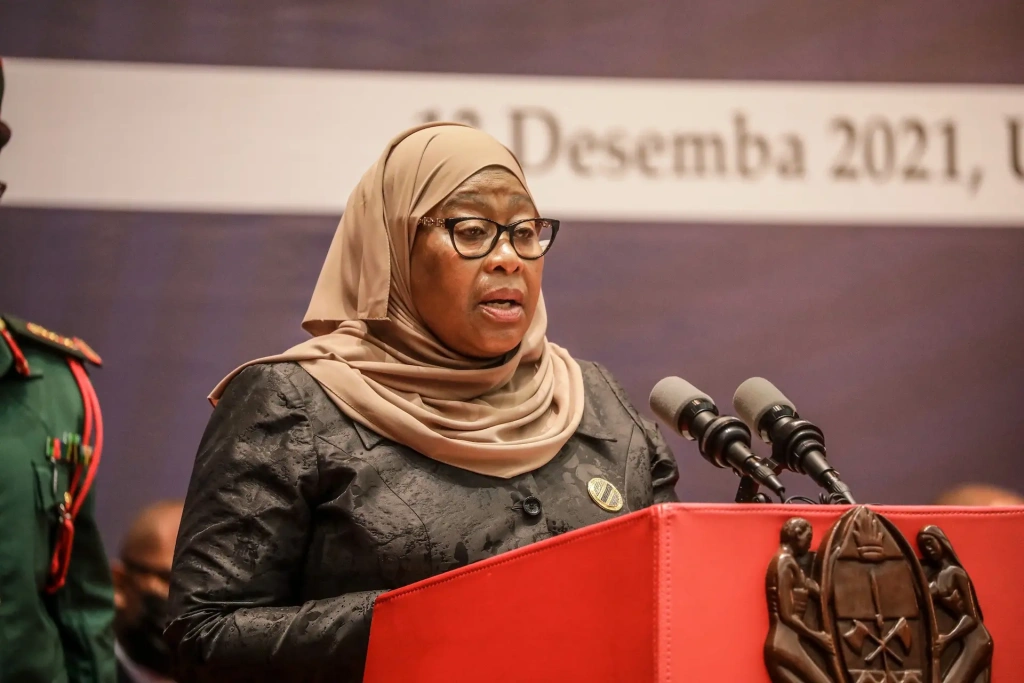
Samia lifted the ban on political rallies, released opposition figures, and restored licenses to previously banned media outlets – even the organization noted democratic progress in 2021–2022. Although accusations of pressure on the opposition appeared in the media ahead of the 2025 elections, her broader policies helped restore economic stability and attract investors.
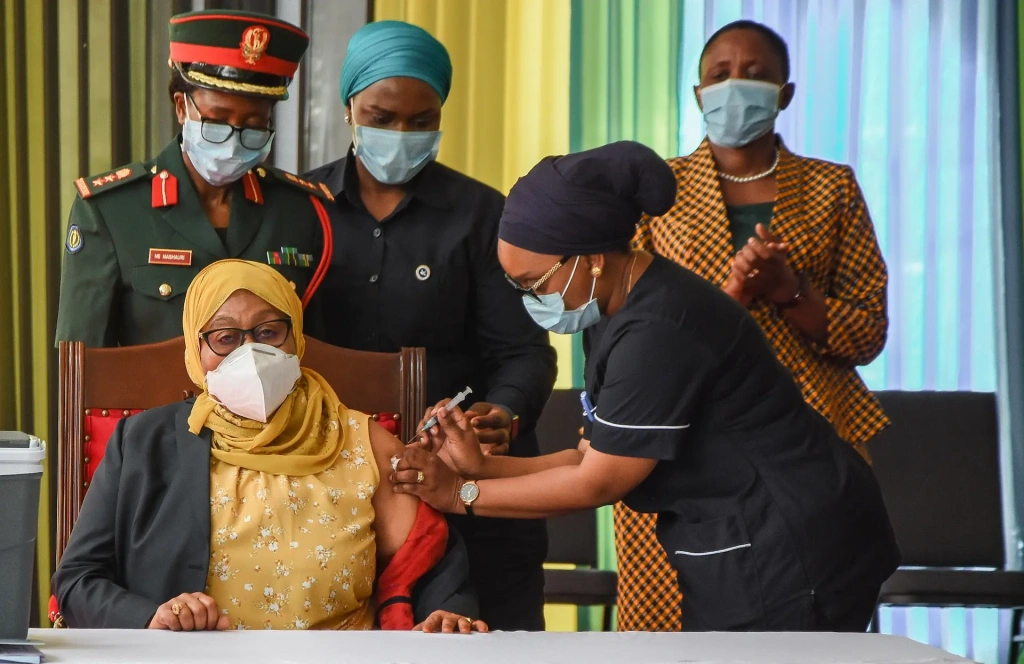
Samia Suluhu Hassan remains president today, and under her leadership, the economy continues to grow steadily. According to Tanzaniainvest, real GDP grew by 5.6% in 2024 and 5.9% in 2025, with forecasts of 6.1% for early 2026. She has also attracted significant investment into Tanzania and allocated billions of shillings in loans for small businesses. Today, Tanzania remains one of the fastest-growing economies in Africa.
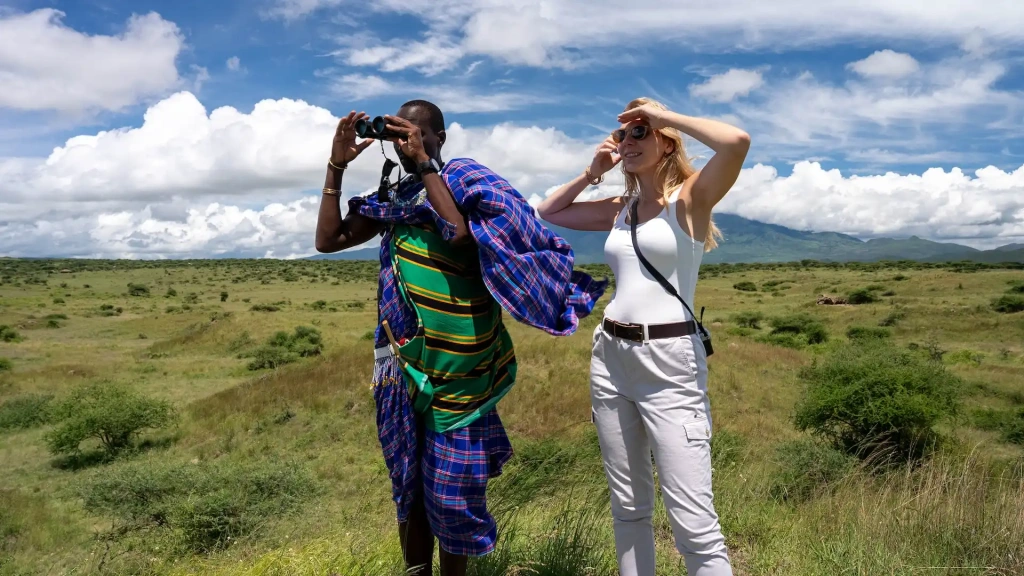
After the pandemic, Samia personally appeared in the promotional films “The Royal Tour” and “Amazing Tanzania,” designed to showcase the country’s natural beauty and diversity to the world. As a result of her policies, tourist arrivals increased by more than 130% between 2021 and 2024. In 2025, Tanzania also received the World’s Leading Safari Destination award at the World Travel Awards.
Today, Tanzania is a safe destination, and the tourism sector continues to expand rapidly. Premium resorts with high levels of service, luxury restaurants, and glamping sites are opening across the country, including on the islands of Zanzibar. The government is attracting investment to support tour operators organizing safaris in world-famous locations such as Serengeti National Park, the Ngorongoro Crater, Arusha National Park, and Tarangire National Park. Another major attraction for travelers is Mount Kilimanjaro – the highest mountain on the African continent at 5,895 meters (19,341 ft).
Conclusion
In just over 60 years of independence, Tanzania’s six presidents have guided the country along a complex but ultimately successful path – from the socialist ideals popular in the 1960s–1970s to economic growth and democracy. Today, Tanzania is a stable, peaceful, and safe country with a growing economy and a strong focus on tourism development.
All content on Altezza Travel is created with expert insights and thorough research, in line with our Editorial Policy.

Want to know more about Tanzania adventures?
Get in touch with our team! We've explored all the top destinations across Tanzania. Our Kilimanjaro-based adventure consultants are ready to share tips and help you plan your unforgettable journey.