





 52 reasons
 Free PDF


 Message us on WhatsApp
 Book a Free Call


 About Tanzania
Most traditional Rwandan dishes are made with simple, locally available ingredients. However, the distinctive ways these ingredients are combined and prepared have created a unique culinary culture.
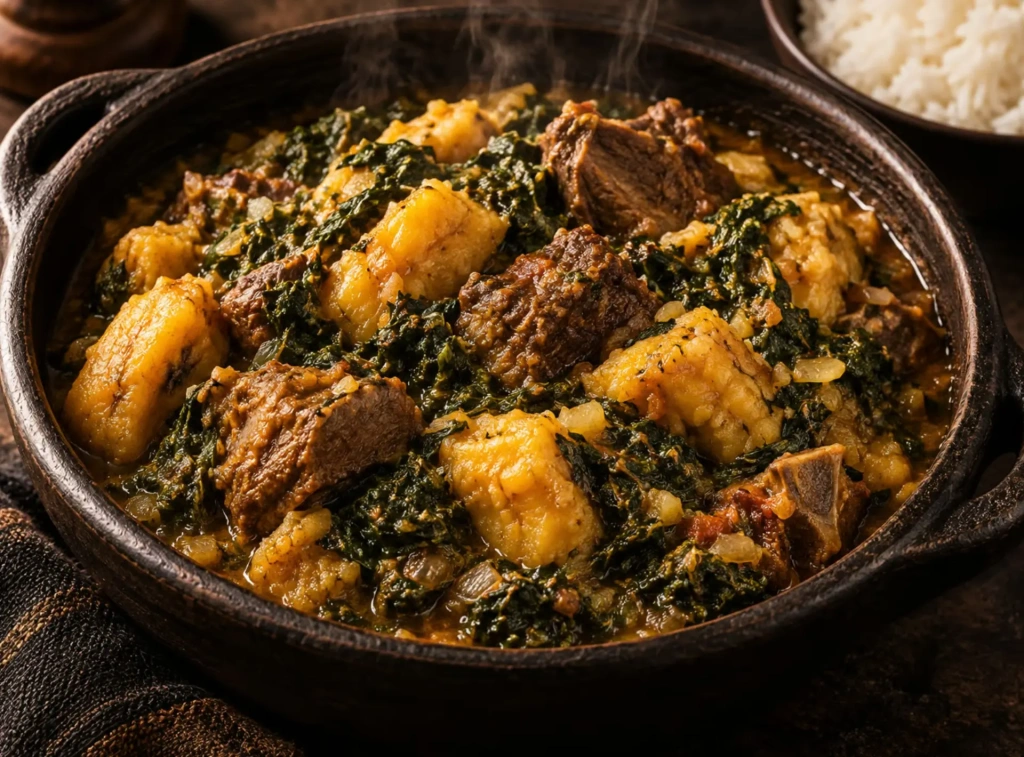
Food in Rwanda largely consists of simple dishes made with readily available ingredients. Many recipes include beans, maize, potatoes, and stewed vegetables. Green bananas are another staple. Here, they are not eaten as dessert fruit but cooked and served as a side dish, often alongside meat or fish.
Another key ingredient in local cuisine is cassava. People stew its leaves with onions and spices, and grind the roots into flour. Cassava flour is then used to make ubugali, a thick African porridge traditionally eaten by hand.
What should you try when traveling around Rwanda? Which other dishes are staples of traditional cuisine, and where can you find the best local food? Find out in our new article from Altezza Travel.
Traditional Rwandan Food: Top 8 Local Dishes
In everyday life, Rwandans mainly eat potatoes, green bananas, maize, and beans, often with beef, pork, chicken, or fish. The local cooks turn these ingredients into a wide variety of interesting, delicious, hearty dishes.
1. Isombe
Isombe is a traditional dish made from cassava leaves, which are ground or crushed and then slowly cooked until tender. There are many different recipes which often include peanut butter or crushed peanuts, onions, garlic, and oil. Some versions also contain fish, meat, or broth. The finished dish has a thick, creamy consistency and a mild nutty flavor.
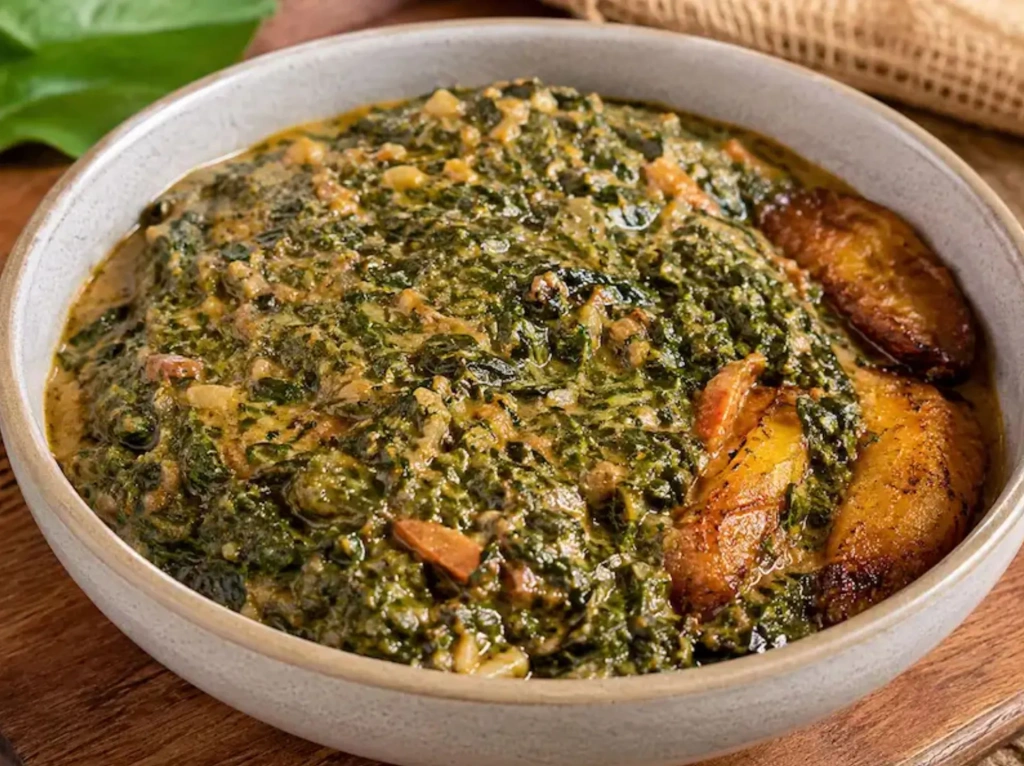
Cassava is a cornerstone of local cuisine, not just in Rwanda but across much of Central and East Africa. Isombe, for example, originated in the Congo before reaching Rwanda. Cassava itself can be prepared in many different ways. People use its roots to make side dishes and mashed cassava, or grind them into flour to make soft, fragrant flatbreads.
2. Ubugali
One of Africa’s most popular side dishes, ubugali is widely eaten in Rwanda and across East and Southern Africa, where it is generally known as ugali. It is a firm, dough-like staple made from maize, cassava, or other flour, with a consistency somewhere between porridge and dough.
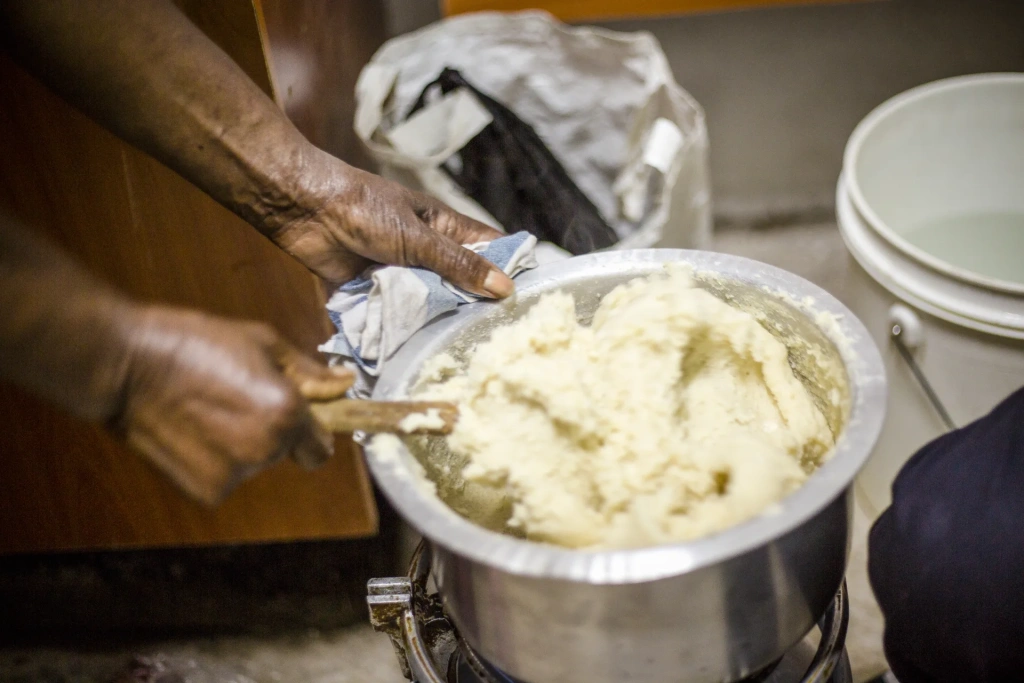
The flour is cooked in water until the mixture thickens and becomes dough-like. Ubugali is then served alongside meat or fish and is traditionally eaten with the hands. It is one of Rwanda’s most common side dishes and an important staple throughout East and Southern Africa.
3. Matoke
Another popular Rwandan side dish is matoke, made from unripe green bananas. The peeled bananas are boiled or steamed, then mashed into a soft, thick purée. Matoke is an everyday staple In Rwanda and across the Great Lakes region, just like mashed potatoes in many Western countries. It is typically served with fish, meat, beans, or sauces.
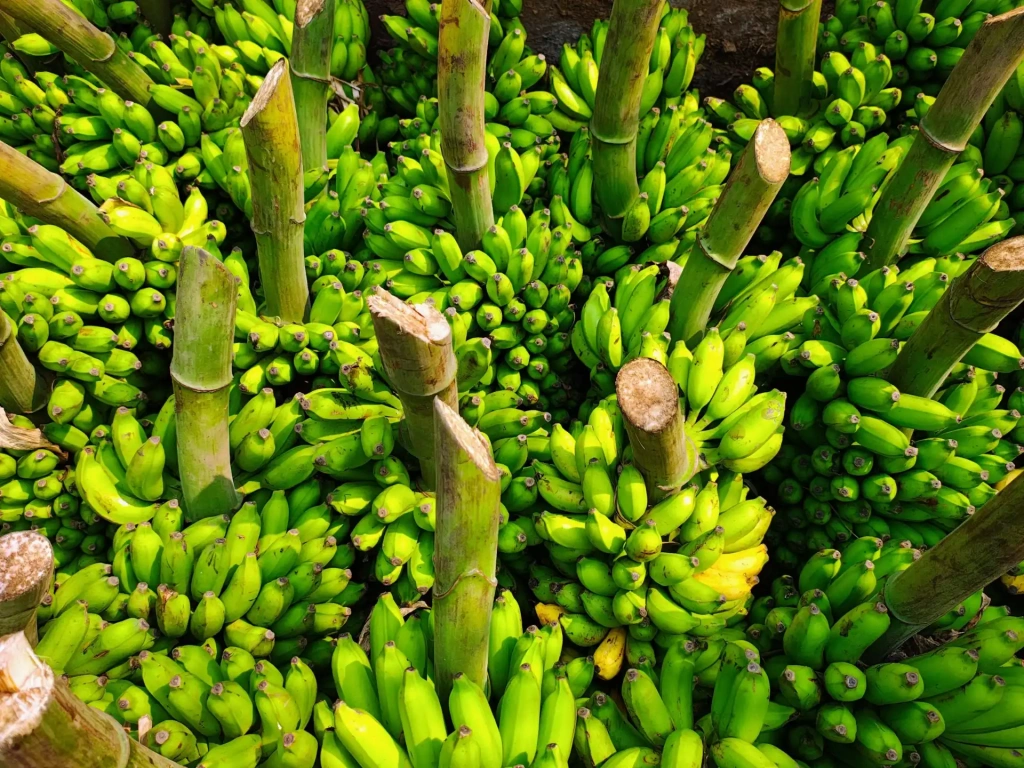
According to one historical theory, bananas were first cultivated in Rwanda in the 15th century, possibly arriving from the neighboring Kingdom of Bunyoro, in what is now Uganda. Locals later cultivated them on large plantations, using ripe bananas to make urwagwa, a traditional banana beer. Green varieties, meanwhile, became a staple food, boiled, mashed, and served with meat and fish.
4. Brochettes
Brochettes are small skewers of goat, pork, chicken, or fish, seasoned and grilled over an open fire. The result is a crisp, browned exterior and a delicious smoky flavor. They are usually served with potatoes, bananas, or vegetables, sometimes accompanied by a spicy sauce.
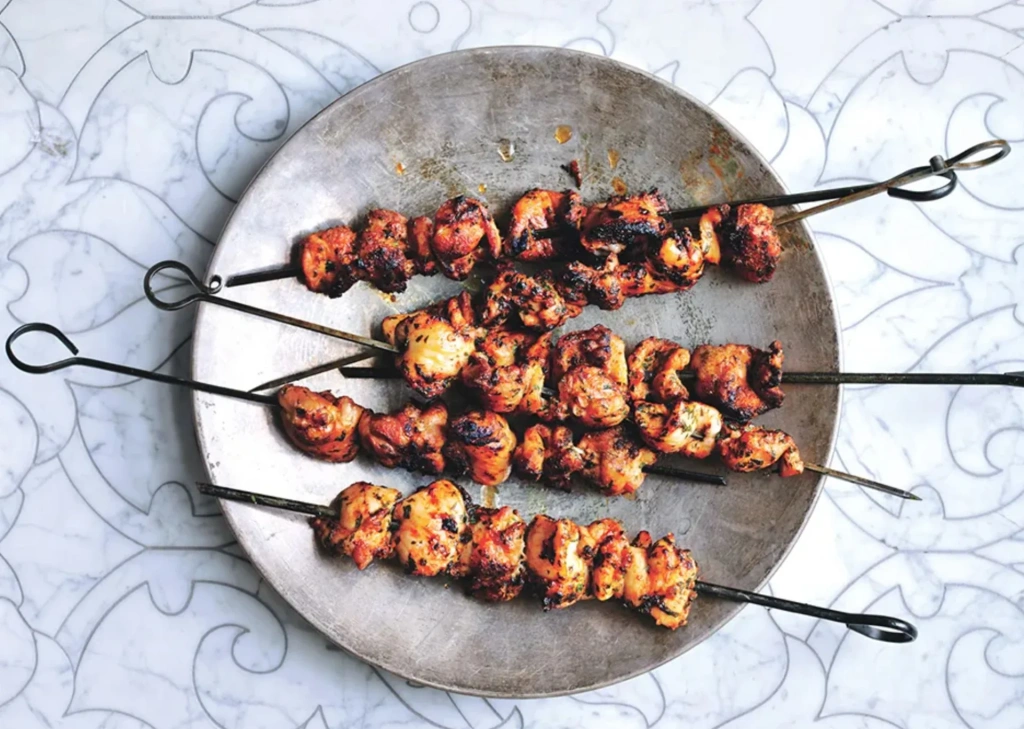
Brochettes are a popular snack, often enjoyed with a beer. They appear on most restaurant and bar menus, and you can also find them at markets and from street vendors. The size of the pieces, seasonings, and marinades can vary depending on where in Rwanda you try them and which type of meat you choose.
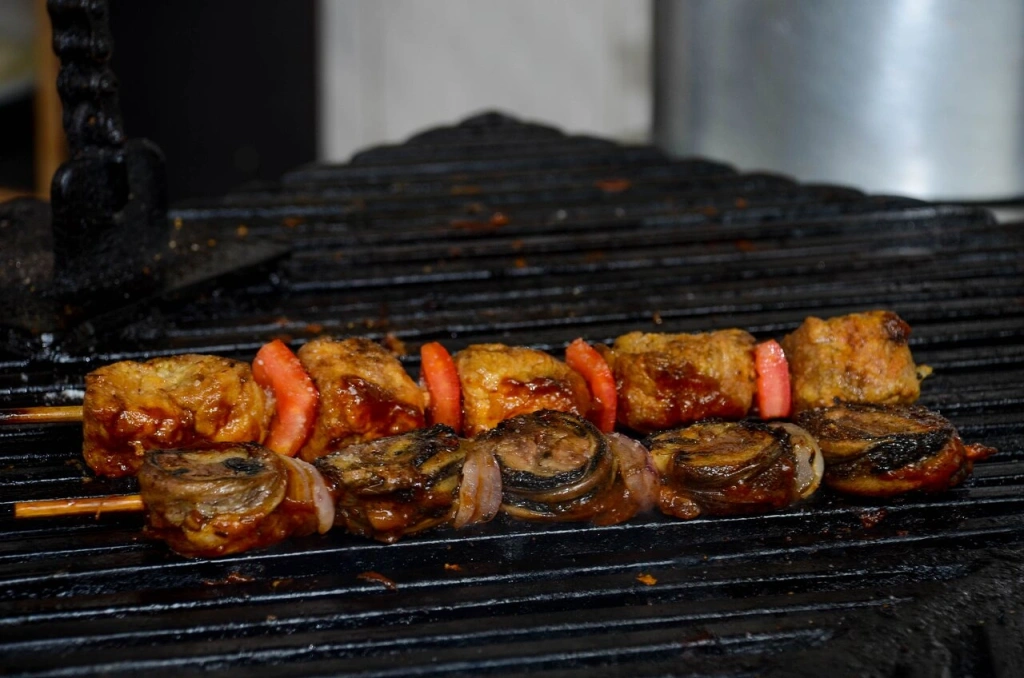
One popular variation is zingalo (also spelled zingaro). This unusual grilled dish is made from goat intestines, cut into pieces, threaded onto skewers, and grilled until crispy. It can be served on its own or with French fries, grilled green bananas, or vegetable sides.
5. Agatogo
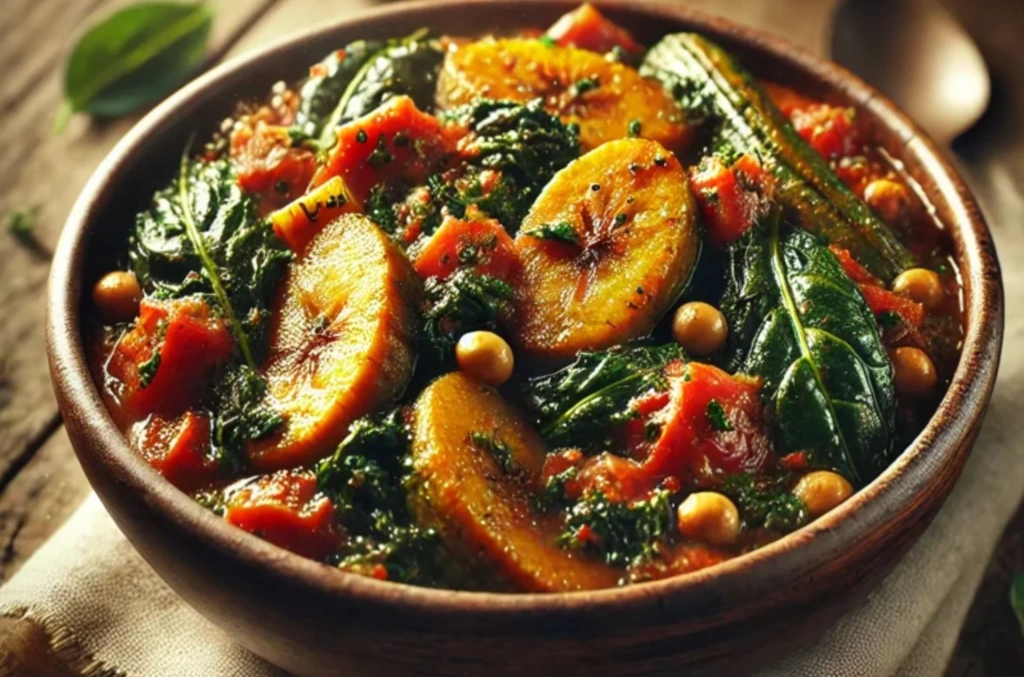
Agatogo is a traditional Rwandan stew made by simmering green bananas or potatoes in a sauce with beans, meat, fish, or vegetables, all in one large pot. The result is a hearty, thick stew that many Rwandans prepare as part of their everyday cooking. One study on the diets of people in eastern Rwanda, for example, found that nearly all the families observed made agatogo for their households virtually every day.
6. Akabenz
To make akabenz, pork is cut into large chunks and fried or grilled. There is no single standard recipe, however. Some restaurants braise the meat first to make it tender before finishing it on the grill, while others cook it directly over an open flame.
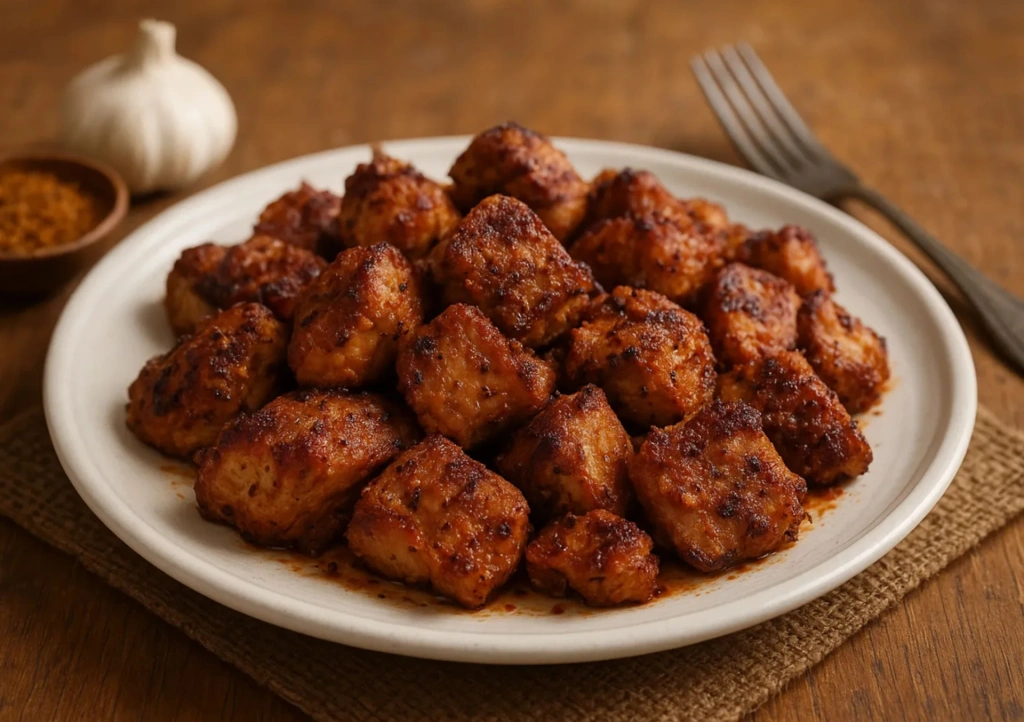
Akabenz is a popular everyday dish in Rwanda. It is often served with fried bananas, potatoes, fresh onions and tomatoes, or a spicy sauce. A few lime wedges may accompany the pork, too: the acidity cuts through the richness of the meat and makes the dish feel less heavy.
7. Sambaza
Sambaza (Limnothrissa miodon) is a small, silvery fish in the herring family and a staple of western Rwandan cuisine. It lives in Lake Kivu, where people introduced it from Lake Tanganyika in the 1950s.
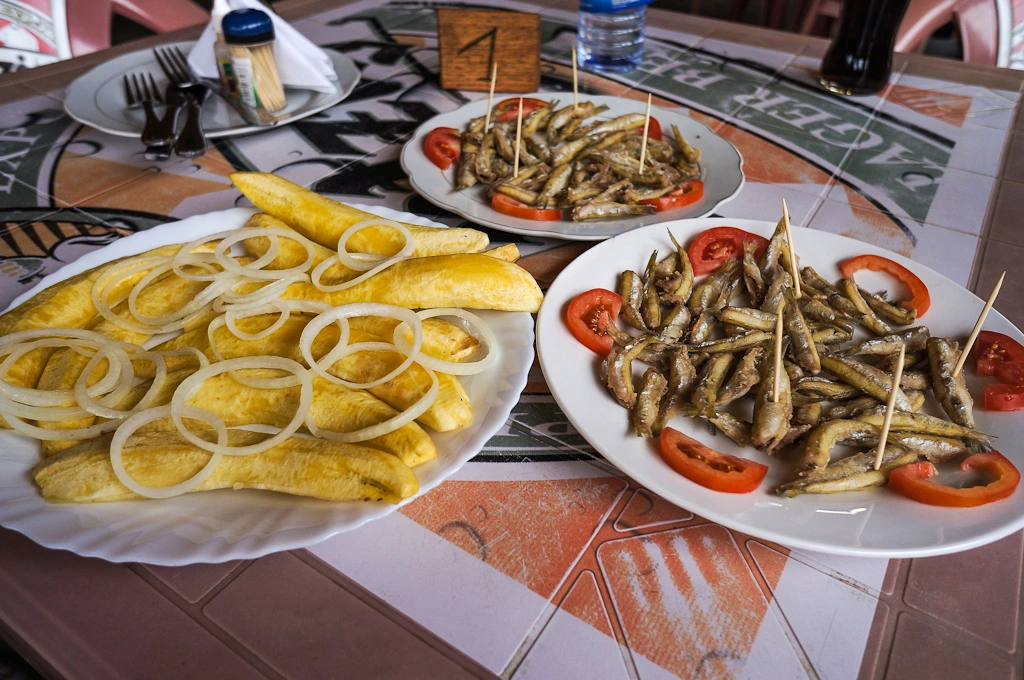
When fried, sambaza becomes crispy, with a slightly salty flavor. The fish has tiny bones that soften during cooking, so it is usually eaten whole, bones and all.
Rwandan restaurants often serve generous portions of sambaza for sharing, accompanied by a dipping sauce, lemon, chili peppers, potatoes, or other sides. The fish can also be prepared another way: dried, ground, and used as a seasoning in other dishes.
8. Ikivuguto
Ikivuguto is a traditional Rwandan fermented milk drink made by allowing cow's milk to ferment naturally. The result is a fairly thick, tangy product with a consistency and flavor somewhat similar to kefir.
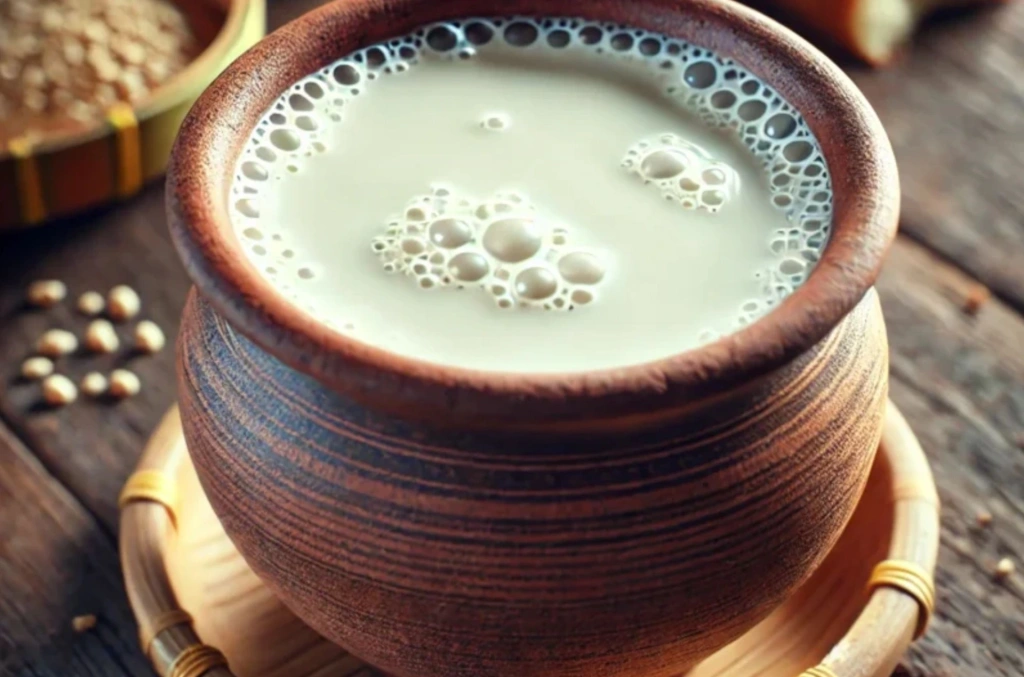
Traditionally, people pour freshly milked cow's milk into a special wooden container and leave it in a warm place for at least two to three days. have long been used to store the milk, a practice that continues in rural areas today.
One study reports that in some parts of eastern Rwanda, these vessels were traditionally smoked over the smoldering remains of certain plants before use. This affected both the fermentation process and the flavor of the finished product, giving it a subtle smoky aroma.
Ikivuguto can also be used to make other dairy products. For example, milk is poured into large calabashes, left to stand, and then churned for several hours. This separates the butter, known as ikimuri, from the remaining liquid, called amakundu, which is also consumed.
Where to Try Traditional Rwandan Food in Kigali
Kigali has restaurants serving traditional Rwandan cuisine alongside international menu, including European dishes and vegetarian options. Here are a few places worth visiting if you want to experience the country's food culture firsthand.
Repub Lounge
- Address: 16 KG 674 St, Kigali.
- Opening hours: Daily, 12 pm–10 pm
- Good to know: If you're visiting with a large group, it's best to book a table in advance.
Repub Lounge combines a restaurant with a laid-back bar, offering everything from traditional African dishes to more familiar international cuisine. The venue has an open-air dining area overlooking the city, with plenty of room for groups and special occasions.
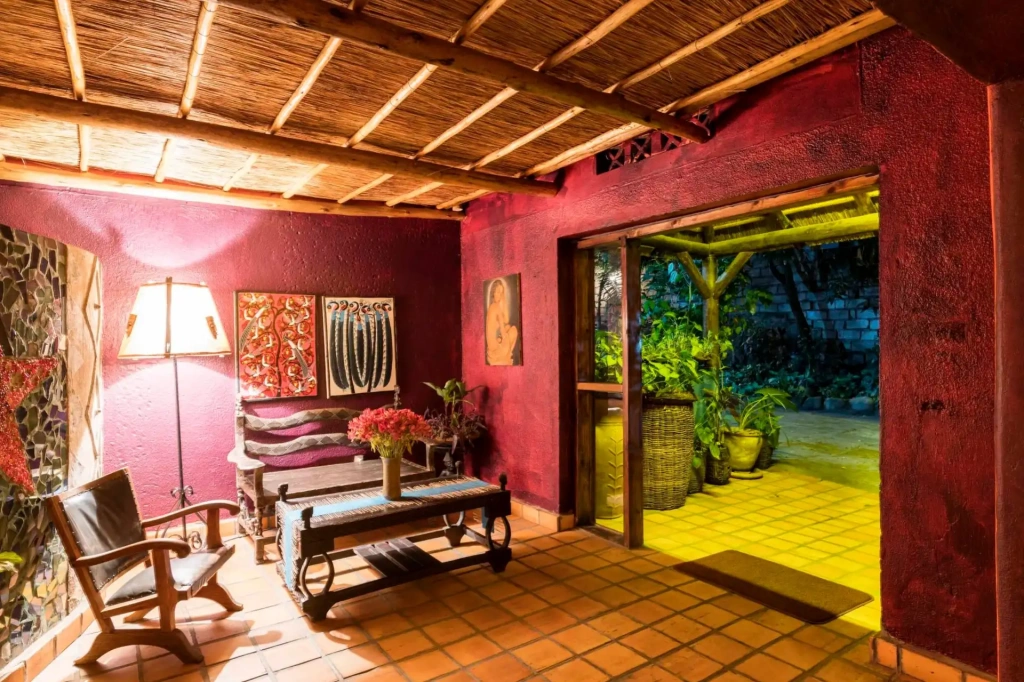
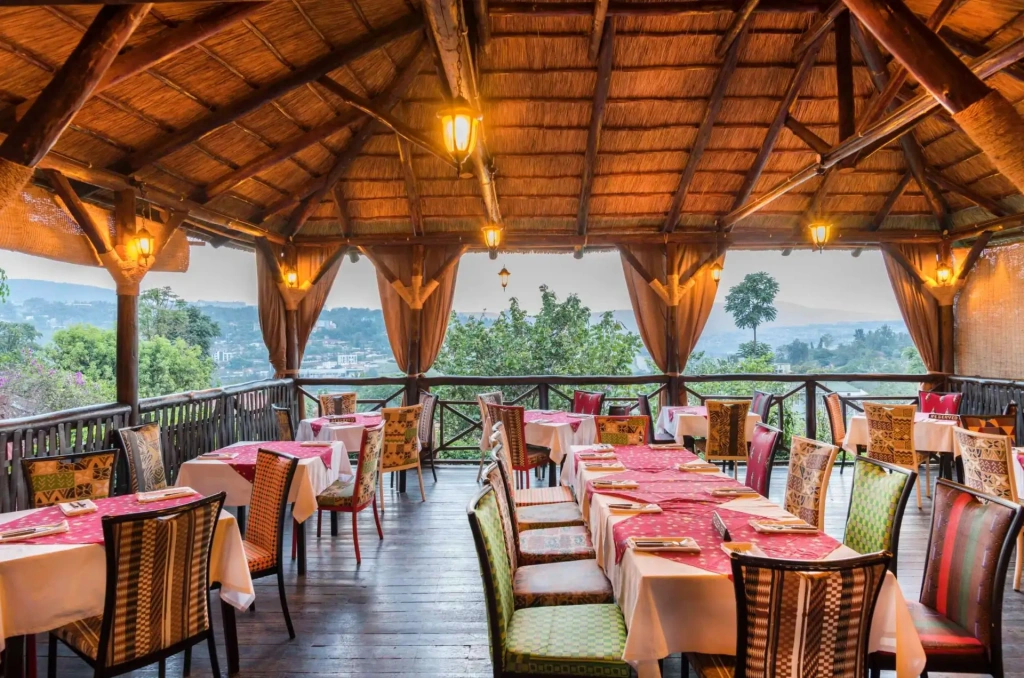
The menu includes sambaza, meat and fish brochettes, and other local specialties. African-inspired decor gives the restaurant an atmosphere that feels both distinctive and welcoming.
To give you an idea of prices, a serving of sambaza costs around RWF 10,000, or roughly $7 at the exchange rate when this article was written. That doesn't mean the restaurant is a budget option, though: Repub Lounge is considered an upper-mid-range venue in Rwanda.
Evenings tend to be livelier, with guests stopping by for drinks at the bar and occasional live music.
Kigali Pan-Afrikan Kitchen
- Address: Nyamirambo Car Free Zone Food Court, KN 126 St, Kigali.
- Opening hours: 9 am–9 pm; Saturday and Sunday, 12 pm–9 pm (hours may vary, so it's best to check ahead before visiting).
- Good to know: This is a pan-African restaurant rather than a place specializing exclusively in traditional Rwandan cuisine.
This family-run restaurant in central Kigali serves dishes from across the African continent. The menu features Nigerian jollof rice, Rwandan agatogo, Jamaican-inspired food, soul food, and a good selection of vegetarian options.
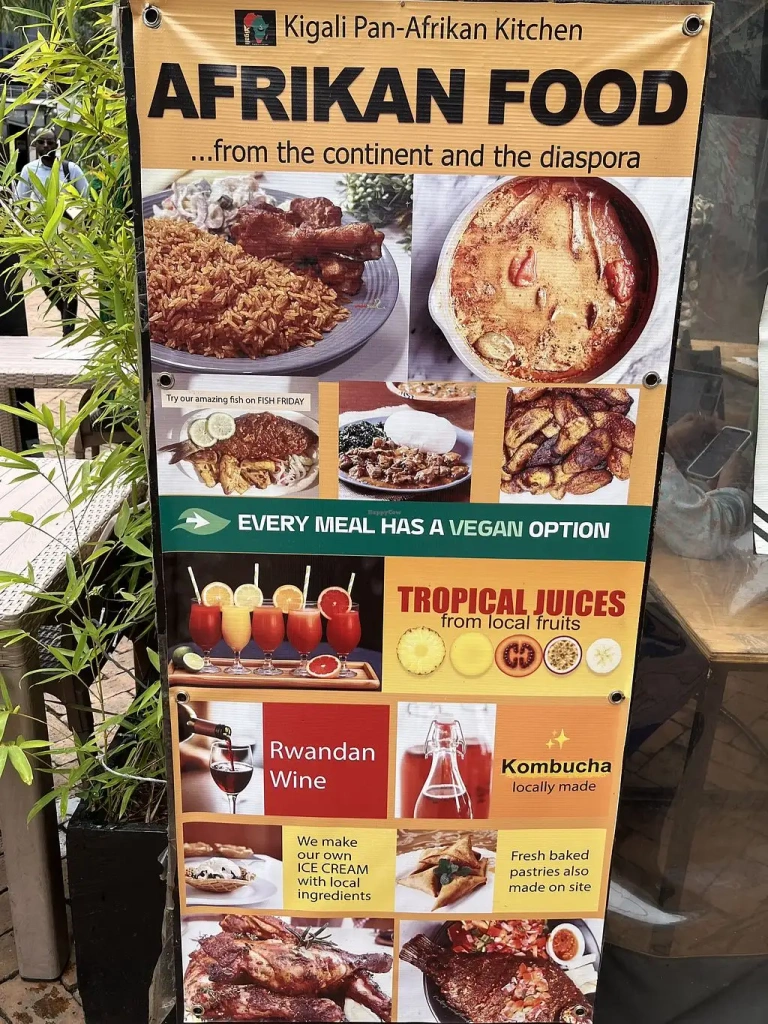
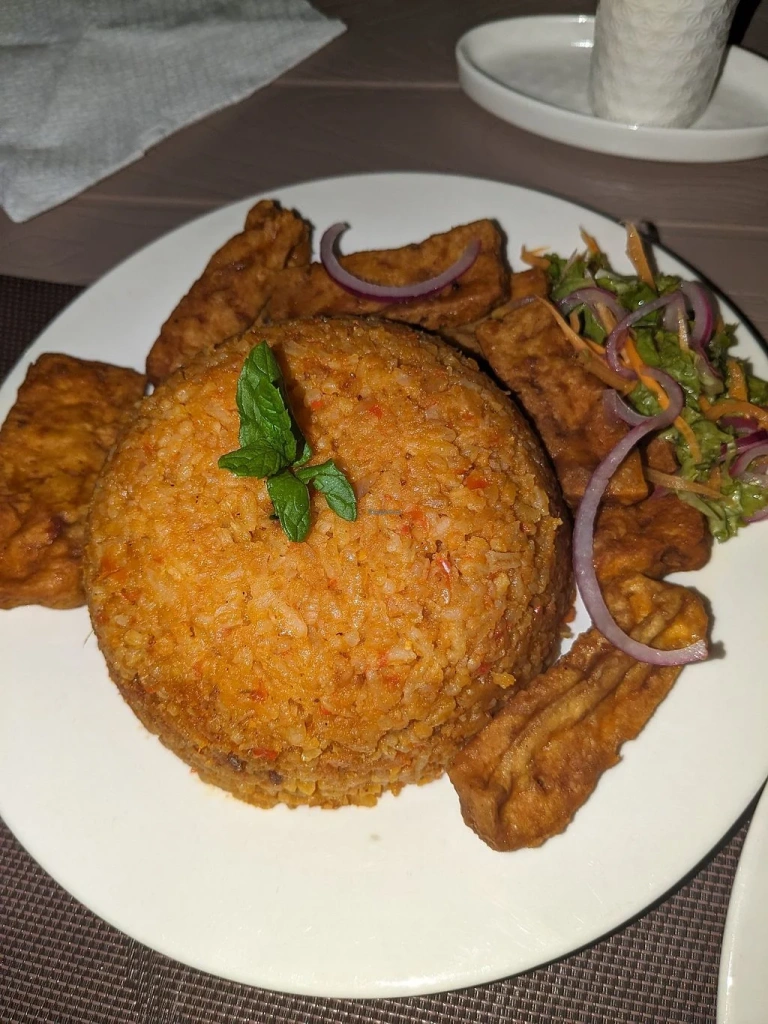
Kigali Pan-Afrikan Kitchen is a small, casual eatery with a modest setting. Despite its unpretentious interior, it has become popular with travelers, largely thanks to its diverse menu and the chance to sample well-prepared dishes from across Africa. You can also order desserts and baked goods here.
Prices are very reasonable, yet the restaurant has earned a strong reputation for the quality and flavor of its food and its wide selection of traditional dishes.
Heaven Restaurant & Boutique Hotel
- Address: 7 KN 29 St, Kiyovu, Kigali.
- Opening hours: Monday–Saturday, 7 am–10:30 pm; Sunday, 10 am–10:30 pm.
- Good to know: A restaurant specializing in contemporary African and fusion cuisine.
Heaven Restaurant & Boutique Hotel is located in the Kiyovu neighborhood, within the boutique hotel of the same name. The restaurant has a spacious outdoor terrace overlooking the city, while its menu brings together dishes from different African culinary traditions alongside familiar Western favorites.
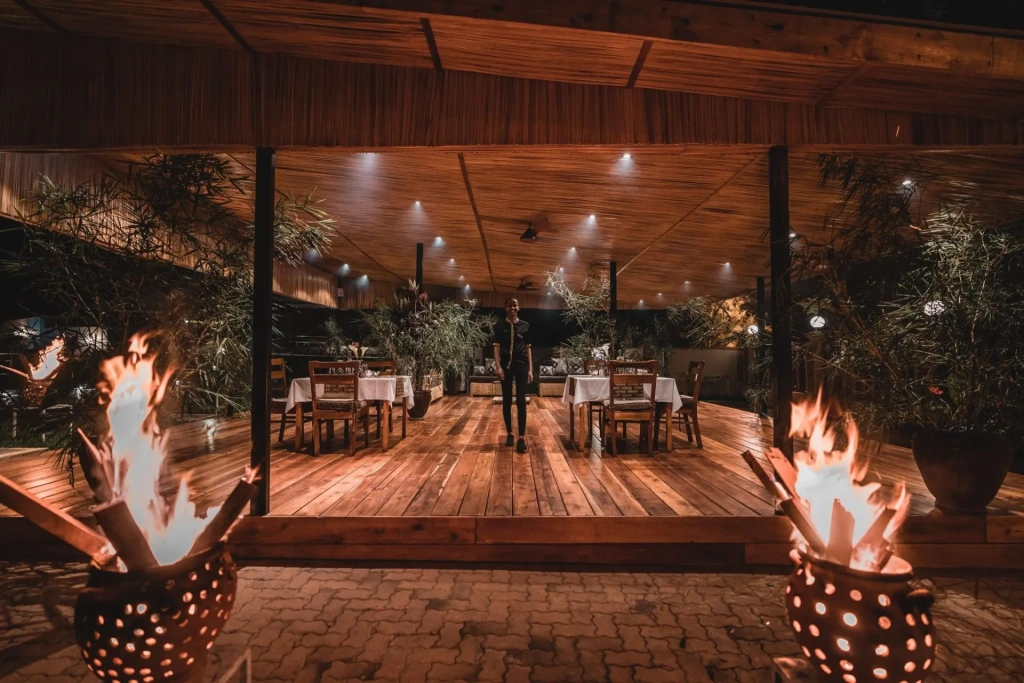
The menu includes agatogo made with green peas, potatoes, peanuts, bell peppers, and herbs. Isombe, made from ground cassava leaves, is served with rice and beans. Other local specialties include sambaza from Lake Kivu and beef or chicken brochettes. You can even try a cheeseburger topped with cassava leaf sauce and onion rings made with local banana beer.
By Kigali standards, Heaven is a premium dining venue. For example, a fillet of locally sourced beef costs just over $20.
Where to Try Local Food Elsewhere in Rwanda
If you're heading to Musanze, perhaps as a starting point for a gorilla trekking adventure in Volcanoes National Park, make sure to visit Imbuga Restaurant & Café. This modern restaurant serves local Rwandan dishes and is conveniently located right in the city center.
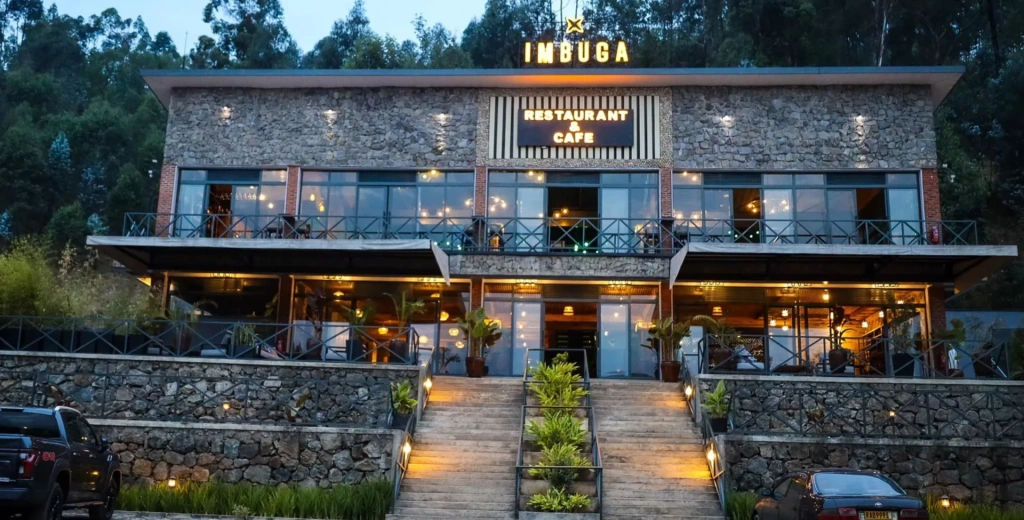
The restaurant is open daily from 9 am to 10 pm, making it a good option for breakfast, too. The menu features plenty of locally sourced ingredients, although it goes well beyond traditional cuisine to include pizza, pasta, burgers, and other Western favorites.
If you want to focus on Rwandan food, try the isombe with beef and ugali or rice, agatogo with green bananas, or chicken, beef, and fish brochettes.
If you're staying on the northern shore of Lake Kivu, in Rubavu (formerly Gisenyi), stop by Saga Bay, right on the lakeshore. Part restaurant, part bar, and part beach club, it has tables by the water, plenty of tropical greenery, and evening entertainment on some nights.
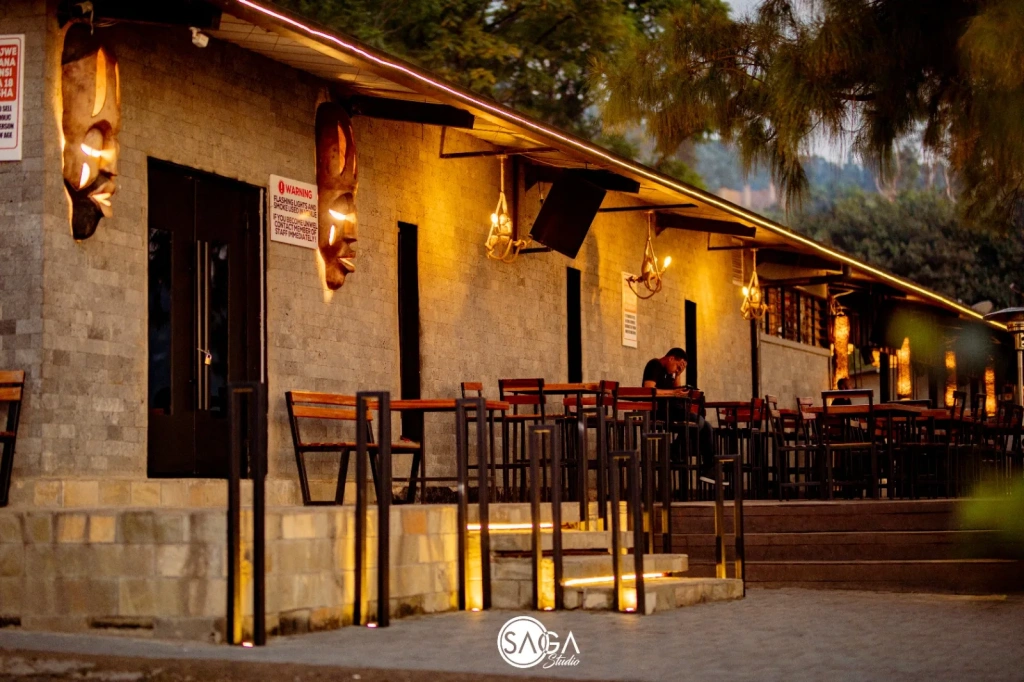
The menu at Saga Bay features sambaza, tilapia, and other fish from Lake Kivu, as well as brochettes, zingalo, and agatogo. If you're dining with a group, you can order a sharing platter of appetizers featuring sambaza, meatballs, cheese, and sausage.
Live music usually starts at 7 pm on Thursdays, while Friday and Saturday evenings feature DJ sets. It's worth checking the entertainment schedule before your visit.
Another good option in Rubavu is Kiyaga, a restaurant with lake views at Lake Kivu Serena Hotel. It serves both Rwandan and international cuisine, with most dishes featuring locally sourced ingredients. Dinner is served from 6 pm to 10 pm.

In Karongi, a town on the western shore of Lake Kivu, restaurants and small cafés also serve fresh fish, including tilapia and sambaza. There are fewer dining options here than in Kigali or even Rubavu, but you'll find small local eateries throughout the town where you can enjoy a taste of Rwandan cuisine.
And if you're traveling around Nyungwe, consider visiting the tea plantations near the park, around Gisakura and Gisovu. You can stroll through the cool, shady plantations, learn about tea cultivation, and see how freshly picked leaves are processed into the finished product. Naturally, you'll also have a chance to sample authentic Rwandan tea.
Frequently Asked Questions
Rwanda doesn't have one single dish that serves as the representative of its cuisine. Instead, the country has a variety of local specialties that may be unfamiliar to Western visitors. These include isombe, made from stewed cassava leaves; matoke, a purée of boiled green bananas; and ubugali, a thick, dough-like mixture of flour and water traditionally eaten alongside main dishes such as meat and vegetable stews.
Rwandan cuisine is not generally considered particularly spicy, although chili peppers and hot sauces are often served alongside meat dishes.
Porridge made from maize or other flour, accompanied by tea or coffee, is a common breakfast. It's not something every Rwandan necessarily eats, but it's a typical way to start the day.
Yes. Many local dishes are based on beans, cassava, green bananas, maize, potatoes, and vegetables. Restaurants in larger cities and resort areas often offer dedicated vegetarian options as well.
Alongside tea and coffee, traditional drinks include ikivuguto, a fermented milk drink, and urwagwa, an alcoholic beverage made from fermented banana juice.
All content on Altezza Travel is created with expert insights and thorough research, in line with our Editorial Policy.

Want to know more about Tanzania adventures?
Get in touch with our team! We've explored all the top destinations across Tanzania. Our Kilimanjaro-based adventure consultants are ready to share tips and help you plan your unforgettable journey.
 Climbing
 Safari
 About Tanzania
 Islands