





 52 reasons
  Free PDF


 Message us on WhatsApp
  Book a Free Call

 About Tanzania
As of 2026, the poorest countries in the world are South Sudan, Burundi, the Central African Republic, the Democratic Republic of the Congo, Yemen, Afghanistan, and Somalia. Their economies are so small that, when divided across the population, annual output amounts to only a few hundred dollars per person. That is less than what residents of developed countries typically spend in a week. The reasons include war, drought, famine, and governments that struggle to provide basic services. Read more in this new blog post by Altezza Travel.
How we compiled this list
We did not rely on a single index, as no single measure fully reflects living standards. For example, oil revenues can raise GDP per capita while doing little to improve the quality of life for most residents. Countries were included only if they ranked poorly across multiple key indicators.
GDP per capita. It is a much more useful measure than total GDP. It reflects everything a country produces in a year divided by the number of residents. This provides a rough estimate of economic output per person. In many of the countries on this list, GDP per capita remains below $500 annually, or less than $1.50 per day. However, it is important to understand that this does not represent actual personal income. Rather, it reflects the overall economic environment. Real earnings may be somewhat higher or, in some cases, nonexistent.
Population living below the poverty line. Since 2025, the international poverty threshold has been defined as living on less than $3 per day. In developed countries, only a tiny fraction of people live below this level, if any. Globally, the average is around 10%. When 70% or more of a country's population lives below the poverty line, poverty ceases to be a statistical category and becomes the norm.
Human Development Index (HDI). Compiled by the United Nations, the HDI combines three factors: income per capita, life expectancy, and educational attainment. In other words, it measures overall human development rather than income alone.
List of the poorest countries in the world
South Sudan
- Population: 14.3 million
- Capital: Juba
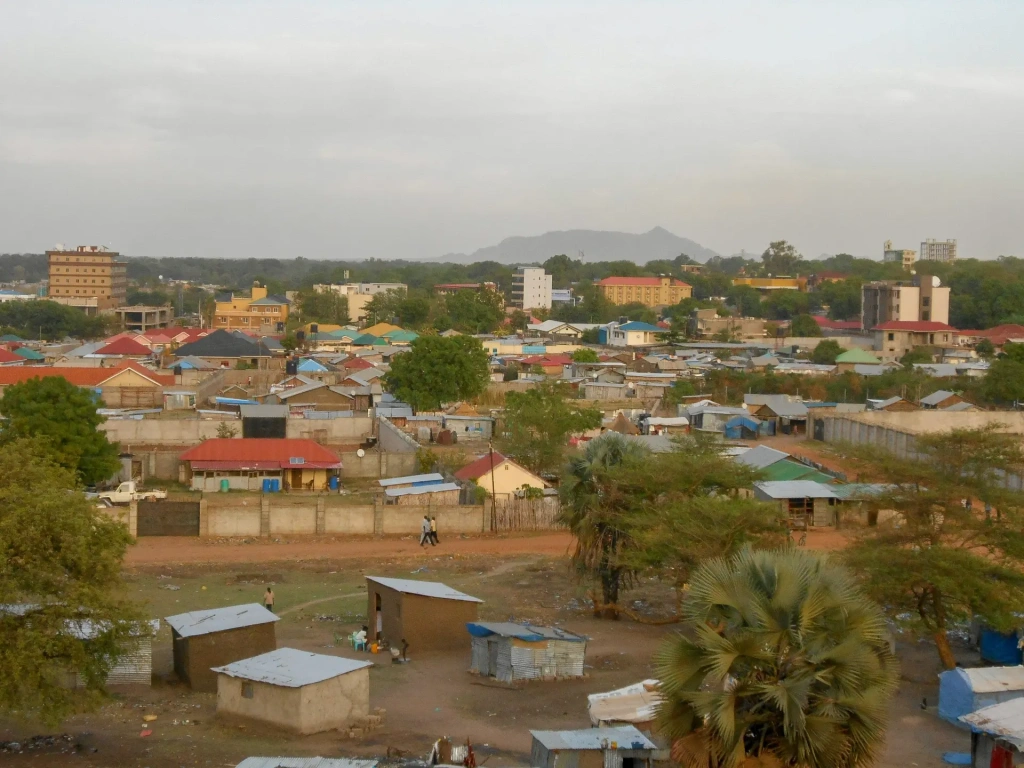
South Sudan is one of the poorest countries in the world. The United Nations places it 193rd out of 193 countries on the Human Development Index. GDP per capita is just $488 per year, or slightly more than $1 per day. About 76.5% of residents live in extreme poverty.
Only 35% of adults can read and write, while nearly 3 million children do not attend school at all. The food situation is among the worst in the world: 7.8 million people, or 56% of the population, face acute food insecurity, including approximately 700,000 children. The economic and humanitarian crisis also affects security. South Sudan ranks 156th out of 163 countries in the Global Peace Index. It is often cited as the poorest country in the world.
The economy depends almost entirely on oil, which accounts for roughly 90% of government revenue. However, pipelines pass through neighboring Sudan, which continues to experience armed conflict. When fighting disrupts operations, South Sudan loses much of its income.
This happened in 2024 when one of the country's two major pipelines became inoperable. Ongoing fighting made repairs impossible. Losses reached approximately $7 million per day, and public-sector workers such as teachers and doctors stopped receiving salaries. Poverty level reportedly rose to 92%.
Burundi
- Population: 14.4 million
- Capital: Gitega
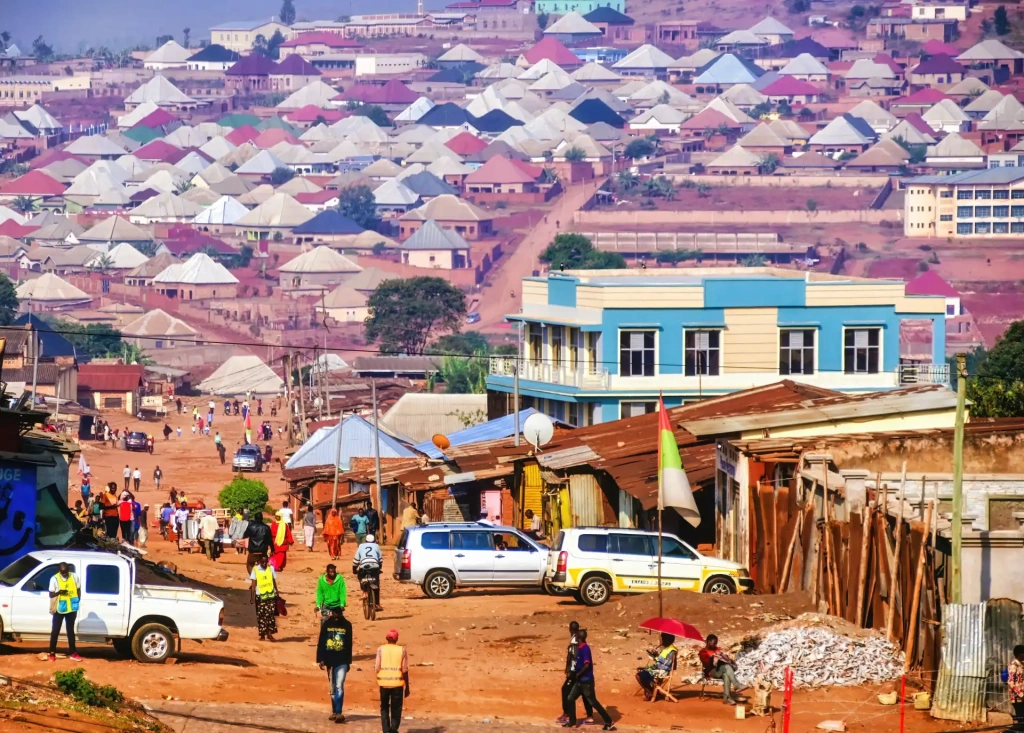
Burundi is also the least urbanized country in Africa and ranks second on the list of the world’s poorest countries, after Papua New Guinea, in the share of its population living in rural areas. The country ranks 187th in the Human Development Index. GDP per capita was $291.80 in 2025, although the IMF now estimates it at approximately $545. More than 74% of citizens live in extreme poverty.
Because most residents depend on agriculture, floods and droughts often have devastating consequences. When harvests fail, food shortages quickly follow. For example, six months of heavy rainfall in 2023–2024 displaced more than 300,000 people. Flooding and landslides destroyed approximately 10% of the country's farmland, while around 122,000 people faced life-threatening food shortages.
Climate is only part of the problem. Burundi's neighbor, Rwanda, has faced many of the same geographic and historical challenges. Yet with a similar population size, Rwanda's economy grew by 9.4% in 2025. The share of people living below the poverty line fell from nearly 40% in 2016 to 27.4% in 2024. Rwanda generates revenue through mining, exports, and services. Tourism alone contributes approximately $647 million annually.
Central African Republic
- Population: 5.4 million
- Capital: Bangui
The Central African Republic (CAR) is a major diamond producer, yet it ranks 191st out of 193 countries in the Human Development Index. GDP per capita is approximately $579 per year, and 67.5% of the population lives in extreme poverty.
Around one-third of the population, or roughly 2.2 million people, faces acute food insecurity, while 481,000 are at risk of famine.
Only 17.6% of residents have access to electricity. In rural areas, the figure is about 2%. The country ranks 150th in the Global Peace Index, reflecting ongoing instability and security challenges.
Diamonds have been mined and exported from the CAR since 1961, with annual production reaching as much as 400,000 carats at its peak. The country's diamonds are relatively high quality and sell for around $100 per carat, compared with $10–40 per carat in neighboring Democratic Republic of the Congo.
In 2013, diamond exports were banned after revenues were linked to armed groups. Some restrictions were lifted in 2015, but the industry did not recover significantly. In 2023, diamond exports generated just $12.8 million in revenue.
Democratic Republic of the Congo
- Population: 107.6 million
- Capital: Kinshasa
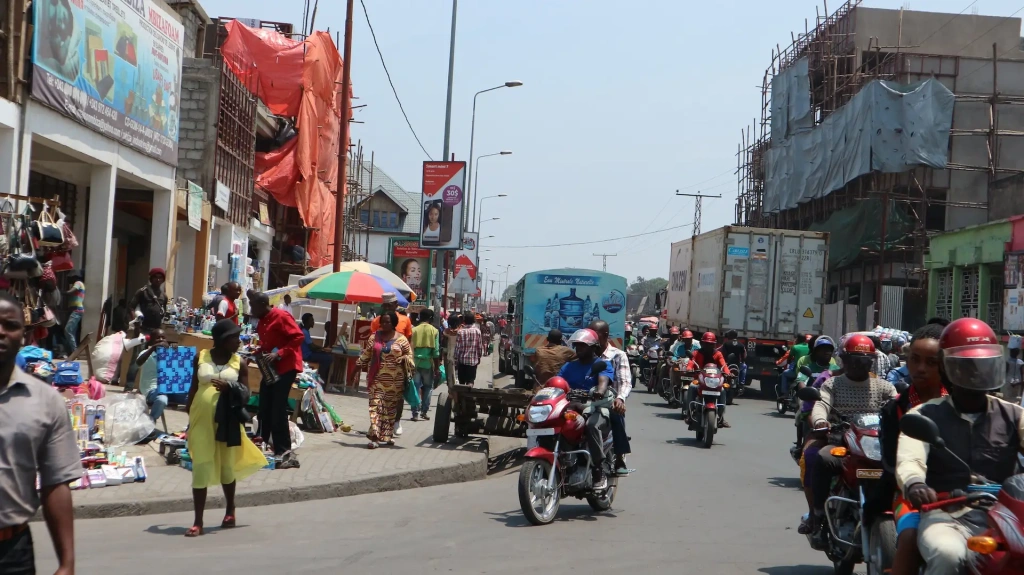
The Democratic Republic of the Congo (DRC) presents the sharpest contrast on this list. It has the largest number of people living in extreme poverty anywhere in the world: approximately 76.2 million. The country ranks 171st on the Human Development Index, while GDP per capita is about $704.
Around 26.5 million people, roughly one in four residents, do not have reliable access to enough food. Of these, 3.6 million face emergency levels of food insecurity. About 4.18 million children under five require treatment for acute malnutrition, including 1.3 million suffering from severe, life-threatening forms. Chronic malnutrition has left around 42% of children with stunted growth.
Yet beneath the country's soil lies an estimated $24 trillion in natural resources. The DRC produces about 70% of the world's cobalt and 35% of its coltan, along with large quantities of copper, diamonds, and gold. These minerals are essential to modern technology and are used in everything from smartphones to electric vehicles.
Yet this wealth has done little to improve living standards. In many ways, the country's mineral wealth has contributed directly to instability. The eastern part of the DRC has endured decades of conflict involving numerous armed groups. As a result, terrorism and crime remain widespread. The country is regularly listed among the most dangerous in Africa and the world.
For comparison, let’s take a look at Tanzania. The country also possesses significant deposits of gold, nickel, and other minerals. However, these resources are managed through government contracts and export regulations. As a result, Tanzania's GDP grew by 5.9% in 2025, while the share of the population living below the international poverty line stood at 27.6%.
Tanzania has also developed a strong tourism sector, including Kilimanjaro climbs, wildlife safaris, and beach tourism on Zanzibar. In 2025, tourism generated $4.4 billion and surpassed gold as the country's leading source of foreign-currency earnings.
Yemen
- Population: 34.7 million
- Capital: Sana'a
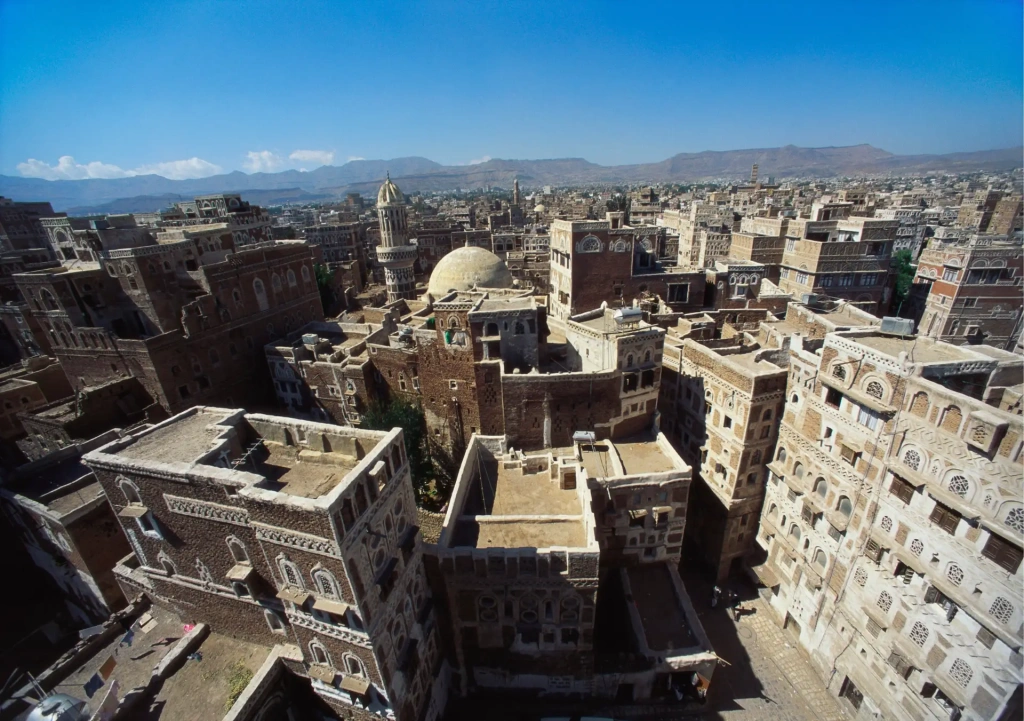
Yemen, located on the Arabian Peninsula, is one of the poorest countries outside Africa. It ranks 184th out of 193 countries in the Human Development Index, while GDP per capita is only $384 per year, equivalent to just over $1 per day.
As of September 2025, approximately 18 million people, more than half the population, faced acute food insecurity.
The situation is equally dire in healthcare and access to clean water. Around 17.4 million people lack access to clean water, while more than half of the country's hospitals are either closed or operating at limited capacity. Outbreaks of cholera, pneumonia, and diphtheria occur regularly.
The situation is further worsened by a massive displacement crisis. Roughly 4.5 million people have been forced to leave their homes, putting further pressure on already overstretched public services. Much of this humanitarian crisis is a direct consequence of the war that began in 2015.
Afghanistan
- Population: 46.5 million
- Capital: Kabul
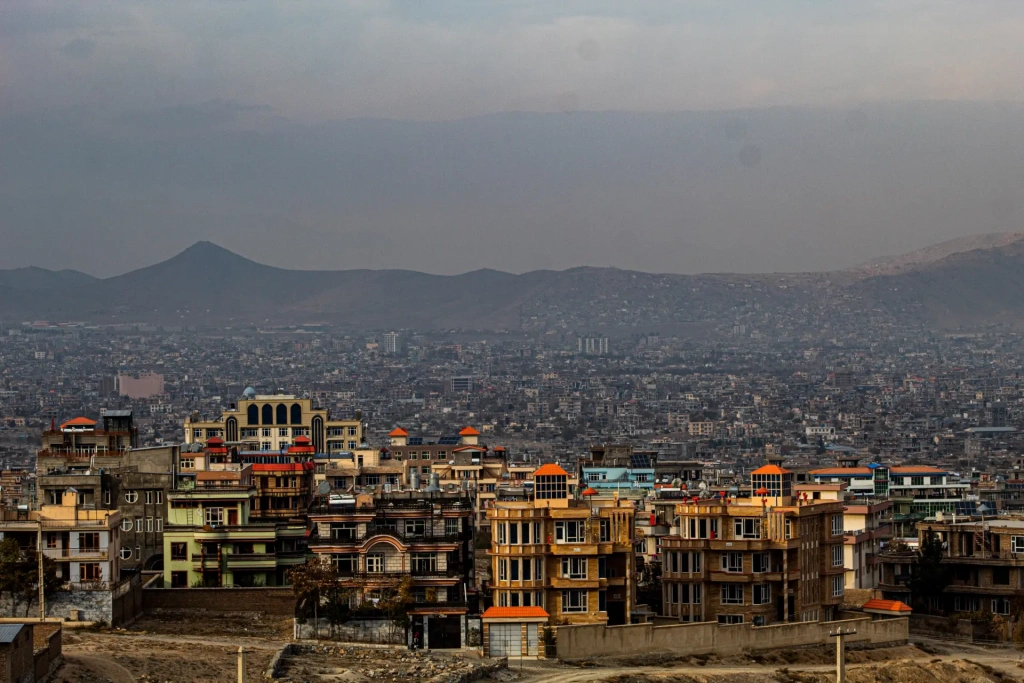
Afghanistan is the only country in the world where half the population, all women, is legally prohibited from receiving secondary and higher education.
The country's education challenges extend beyond women. As of 2024, more than 2.12 million children were out of school. A 2022 assessment found that over 90% could not read even a simple text.
Almost half of all schools lack clean water, sanitation facilities, and heating. Around 1,000 schools remain closed, largely because of damage from decades of conflict and natural disasters. Higher education has also declined sharply: between 2019 and 2024, university enrollment among men fell by 40%.
Afghanistan ranks 181st in the Human Development Index, and GDP per capita was estimated at $448 in 2025. The International Monetary Fund has not yet published 2026 data for the country.
Nearly half the population, around 22.9 million people, requires humanitarian assistance. Of these, about 21 million lack adequate access to water and sanitation, nearly 15 million face acute food shortages, and roughly 14 million have limited access to healthcare.
Somalia
- Population: 18.2 million
- Capital: Mogadishu
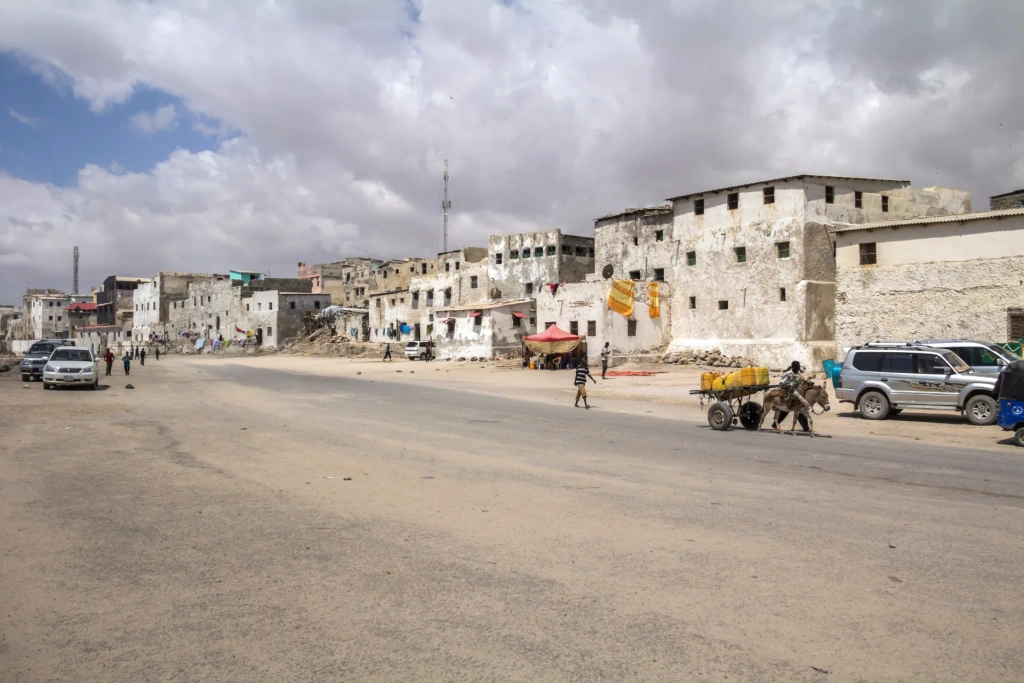
Somalia, located in East Africa, borders the far more stable countries of Ethiopia and Kenya. Despite this, it remains one of the world's most fragile and insecure states. The United Nations places Somalia second from last in the Human Development Index, ahead of only South Sudan.
As of 2026, GDP per capita is estimated at $812. Around half the population lives below the poverty line, while approximately 6.5 million people face acute food shortages.
The crisis is driven not only by ongoing conflict between armed groups and government forces, but also by recurring droughts. At the end of last year, prolonged drought destroyed grazing lands across large parts of the country. Some herders reportedly resorted to feeding camels shredded cardboard, while residents of coastal regions ground up lobster shells to feed livestock because no grass remained.
Conditions in education and healthcare are equally challenging. Only 31% of children attend primary school, while annual healthcare spending amounts to just $22 per person. By comparison, the global average is approximately $1,317.
Home births without a doctor are common, and only 32% of deliveries are attended by a healthcare professional. Somalia has approximately 0.9 hospital beds per 1,000 people, compared with a global average of 3.3. The result is exceptionally high maternal and child mortality rates.
All content on Altezza Travel is created with expert insights and thorough research, in line with our Editorial Policy.

Want to know more about Tanzania adventures?
Get in touch with our team! We've explored all the top destinations across Tanzania. Our Kilimanjaro-based adventure consultants are ready to share tips and help you plan your unforgettable journey.
 Climbing
  Safari
  About Tanzania
  Islands