





 52 reasons
  Free PDF


 Message us on WhatsApp
  Book a Free Call

 Climbing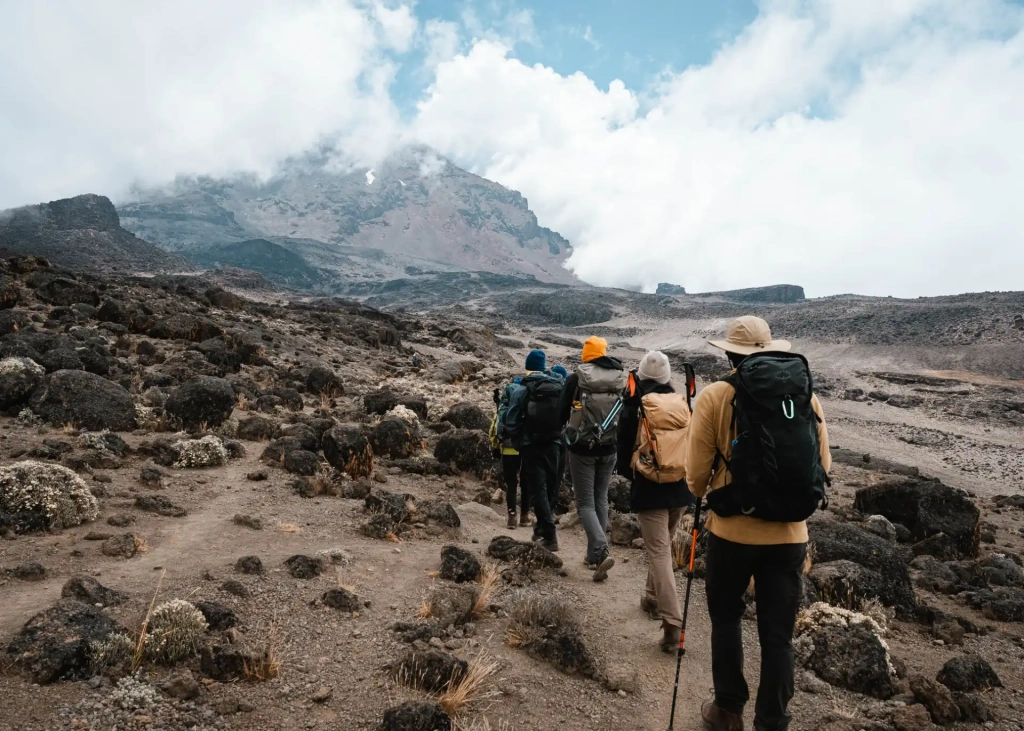
Climbing Mount Kilimanjaro is often described as one of the most accessible high-altitude expeditions in the world. You do not need technical climbing skills, and thousands of people reach the summit each year. At the same time, nearly all of the challenges on Kilimanjaro come from altitude, not terrain. This makes the way the climb is organized far more important than it may seem at first.
Tanzanian regulations require all expeditions on Africa’s highest mountain to include a licensed guide and a team of porters. This isn’t just a formality for climb Mount Kilimanjaro tours. The guiding team largely determines how safe the climb is, how well you acclimatize, and your chances of reaching the summit of Kilimanjaro.
Understanding what the guide and the support crew actually do on the mountain helps explain why guided climbs outperform poorly organized expeditions. The sections below look at the key reasons guided Kilimanjaro climbs lead to safer ascents, higher success rates, and a better overall experience.
Safety on the Kilimanjaro climb
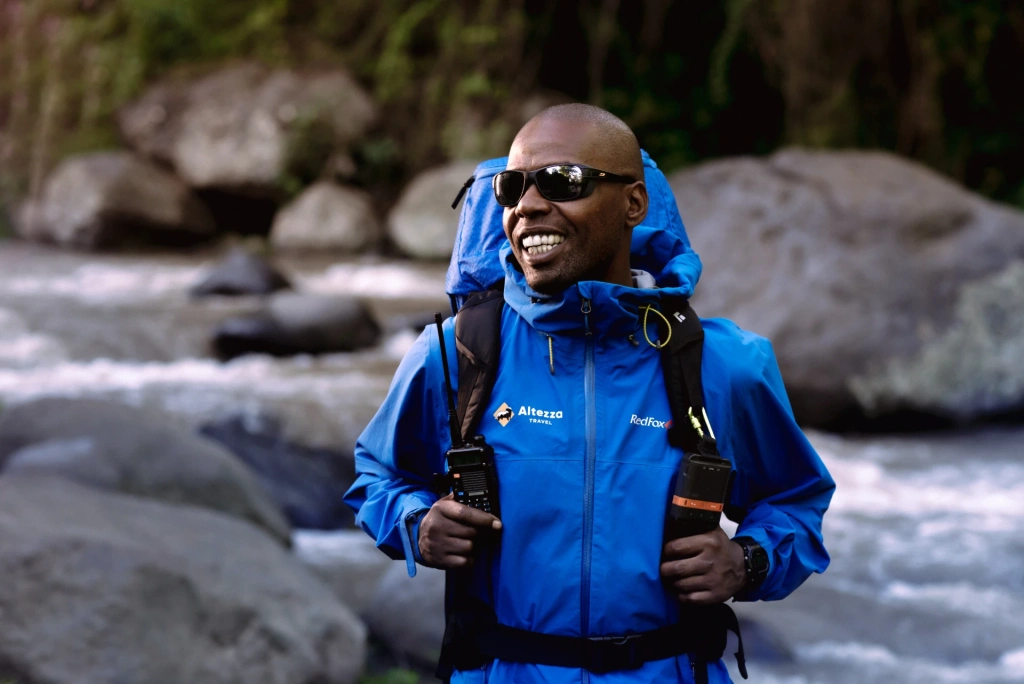
When climbing Kilimanjaro, most serious incidents are not due to technical difficulty but to altitude. At 5,895 m (19,341 ft), the mountain summit exposes climbers to low oxygen levels that affect each person differently. Because of this, safety and the overall experience on a climb depend on how well the expedition is managed from the start.
Reputable Kilimanjaro climbing companies operate their expeditions by relying on professionally trained staff, detailed safety protocols, an understanding of acclimatization strategies, and high-quality gear. When these elements are in place, serious issues when climbing Kilimanjaro are extremely rare.
Health Monitoring and Altitude Management on Kilimanjaro
Altitude sickness on Kilimanjaro develops progressively, often over 24 to 48 hours. Early symptoms can be subtle, which is why relying on climbers to self-report is not enough.
On professionally run Kilimanjaro climbing expeditions such as those by Altezza Travel, your guide performs health checks at least twice daily. These include measuring blood oxygen saturation (SpO₂), monitoring heart rate, and assessing overall condition. At higher Kilimanjaro camps, oxygen saturation levels can drop to 80-90%, and abnormal readings or worsening symptoms prompt closer monitoring or immediate action.
This approach allows a Kilimanjaro guide to intervene early. In many cases, adjusting the pace, adding acclimatization time, or using supplemental oxygen stabilizes the situation. If symptoms continue to progress, descent is initiated before the condition becomes dangerous. Learn more about how to prevent injuries climbing Kilimanjaro in our recent blog post.
Route and Itinerary Design on Kilimanjaro
Route design plays an equally important role in every Kilimanjaro climb. Itineraries of 7 to 9 days allow gradual altitude gain and follow acclimatization principles such as “climb high, sleep low.” Shorter programs compress this process and are consistently associated with higher rates of altitude-related issues.
Popular Kilimanjaro routes include the Machame Route, Lemosho Route, Rongai Route, Marangu Route, and Northern Circuit Route. The Machame Route is the most popular route on Mount Kilimanjaro, while the Northern Circuit is known for its longer itinerary, drier conditions, and lower traffic. The Marangu Route is the only Kilimanjaro route with mountain huts instead of tents, making it a popular choice during the rainy season. Lemosho is often considered one of the best routes for climbing Kilimanjaro thanks to its scenic approach, gradual altitude gain, and consistently strong summit success rates.
In practice, itinerary length, daily altitude gain, pace, and guide decision-making usually affect summit success rates more than the route alone. Different Kilimanjaro route options also create very different climbing experiences, from busier group trekking trails to quieter itineraries with a stronger sense of isolation on the mountain.
Emergency Preparedness on Kilimanjaro
Even with proper acclimatization, every Kilimanjaro expedition must be equipped to respond quickly if a climber’s condition worsens.
Experienced Kilimanjaro operators treat safety equipment as standard. Expedition teams carry supplemental oxygen systems and comprehensive medical kits, and lead guides are typically certified Wilderness First Responders trained in high-altitude medicine. Oxygen is available to relieve symptoms or stabilize a climber during evacuation. Unfortunately, some budget Kilimanjaro operators lack safety protocols or a sufficient supply of oxygen systems, making it even more important to select a trustworthy climbing company.
If descent from the Kilimanjaro climb is required, the priority is to move the climber to a lower altitude as quickly as possible. In most cases, this is done on foot with support from the team. In more serious situations, stretchers and helicopter evacuation can be arranged, weather permitting, reducing evacuation time from several hours to under one hour.
Well-established operators like Altezza Travel also maintain detailed emergency protocols and strong local support networks that extend beyond the mountain itself. In addition to organizing Kilimanjaro evacuations quickly and professionally, experienced teams assist climbers after descent by coordinating medical care, transportation, and communication when needed. This level of support can make a major difference during stressful situations, especially for travelers unfamiliar with medical systems in Tanzania.
In practice, emergency assistance on Kilimanjaro often involves much more than evacuation alone. The climbing operator may help arrange hospital transfers, organize additional accommodation, coordinate insurance documentation, or even deliver forgotten medications and essential supplies to the mountain during the climb when possible.
Kilimanjaro Summit Success Rates
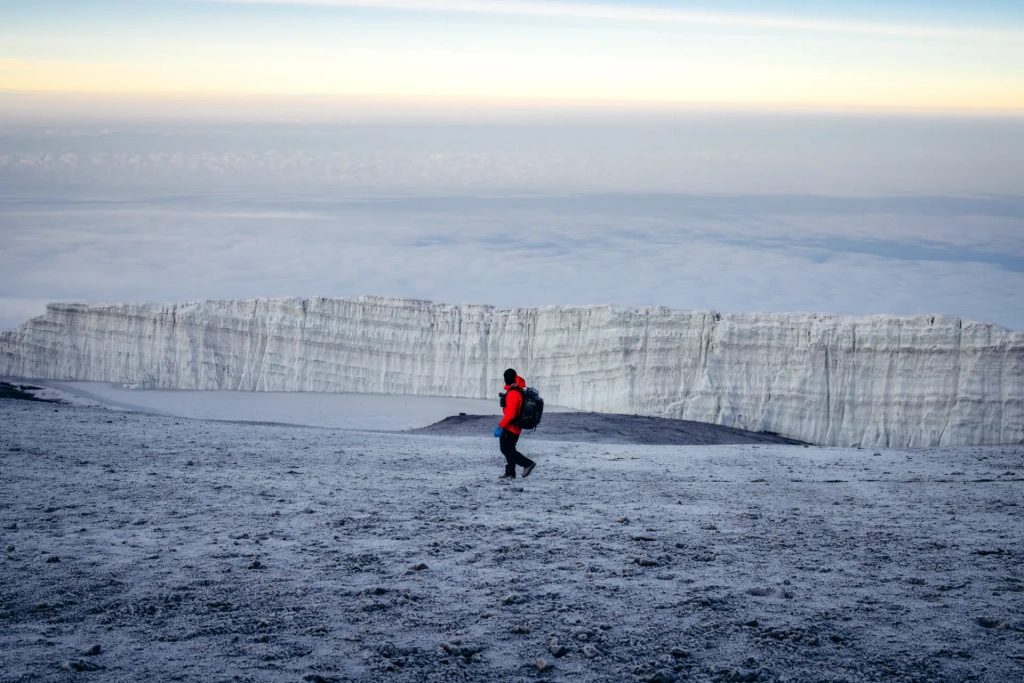
Reaching Uhuru Peak, the highest point of Kilimanjaro, is less about physical strength and more about how well the body adapts to altitude over time. Most climbers can cover the distance, but success depends on acclimatization, pacing, and decision-making throughout the expedition.
Kilimanjaro Itinerary Design and Guide-Led Decision Making
A well-designed Kilimanjaro climb itinerary is the foundation of a successful tour. Gradual altitude gain gives the body time to adapt to decreasing oxygen levels, reducing the likelihood of altitude sickness.
The guide maintains a controlled pace from the first day. This often feels slow, but essential for the long run. Overexertion early in the climb can negatively affect acclimatization later, especially above 4,000 m (13,000 ft), where recovery becomes more difficult.
Daily schedules are adjusted based on group condition. Additional acclimatization walks, slower ascent rate, or extra rest may be introduced by your guide to improve adaptation.
Summit success is not determined by a fixed plan but by continuous assessment. Kilimanjaro guides monitor each climber and make decisions based on real-time conditions rather than sticking rigidly to an itinerary.
This can include adjusting the pace, splitting the group, assigning additional support, or deciding that a climber should descend before symptoms worsen. Safer decision-making done early is key. Most failed Kilimanjaro summit attempts are not due to sudden illness but to gradual deterioration that was not addressed in time.
Continuous Support on your Kilimanjaro Climb
The majority of climbers’ reviews mention the encouragement and support they received from their mountain team throughout the expedition. On Kilimanjaro, every member of the support staff plays a role in creating a positive climbing experience, from guides and cooks to porters working behind the scenes at camp.
Experienced guides create a supportive atmosphere that allows climbers to focus on the Kilimanjaro climb itself rather than daily logistics or mountain routines.
Many climbers are surprised by the strong sense of teamwork that develops during group trekking on Kilimanjaro. Shared meals, daily progress on the route, and encouragement from the local team gradually create a sense of connection that becomes one of the most memorable parts of the journey for many travelers.
Summit Night Execution
The summit push is the most demanding stage of the Kilimanjaro climb, even in the best weather conditions. It typically begins around midnight after 5 days at altitude and involves 6 to 8 hours of continuous ascent in low-oxygen conditions.
A steady pace, close supervision, and consistent support are critical. Many Kilimanjaro tour operators assign one guide or porter per climber (referred to as the 1:1 ratio) on the summit night, ensuring immediate assistance if needed. This level of support significantly improves both safety and the likelihood of reaching Kilimanjaro's summit.
Comfort and Logistics on all-inclusive Kilimanjaro Packages
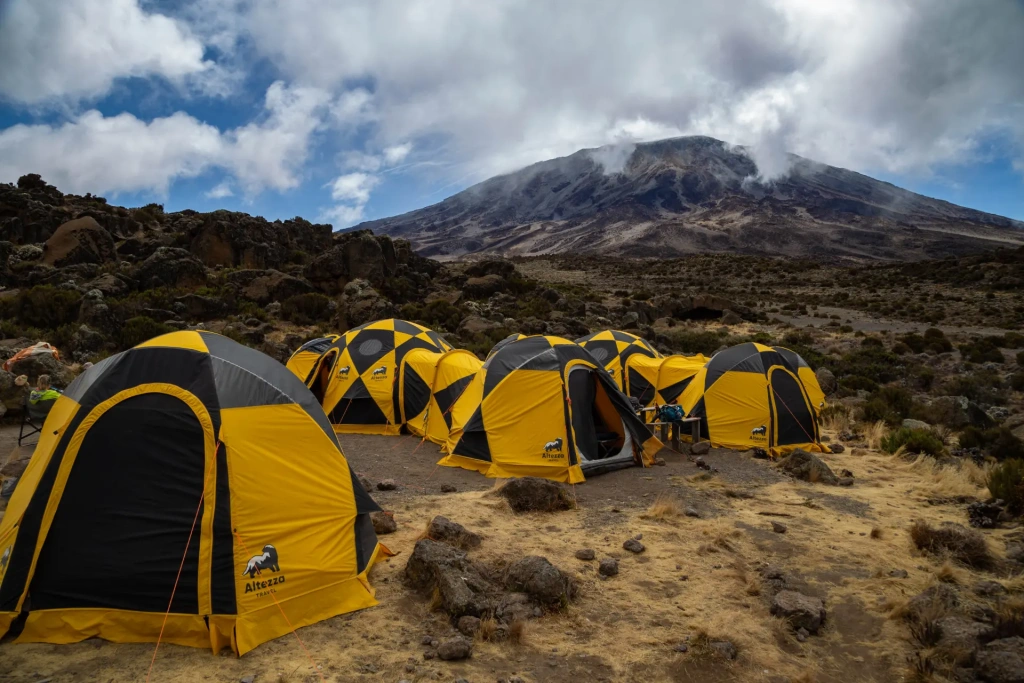
A guided Kilimanjaro climb removes most of the physical and logistical strain that would otherwise come with a multi-day trek at altitude. Instead of carrying heavy gear, preparing meals, or managing camp setup in a challenging high-altitude environment, climbers carry a light daypack (5-7 kg / 10-15 lb) and follow a routine already organized by the support staff.
Kilimanjaro Expedition Logistics and Support
Each Kilimanjaro expedition is supported by a crew that manages camp setup, equipment transport, and daily operations. Porters carry equipment and personal bags and move ahead to prepare the camp before the group arrives. By the time climbers reach the next camp on their climb, tents are already set up, and the basic camp structure is in place.
Daily camp operations on Kilimanjaro follow a highly structured schedule. Water for drinking and washing must be transported, filtered, or boiled at camp, meals are prepared at different elevations and temperatures, and equipment needs to be moved efficiently between remote mountain campsites. On longer routes, maintaining this routine consistently over multiple days becomes a major logistical operation involving the entire support staff.
Weather conditions on Kilimanjaro can also change rapidly during the expedition. Rain, wind, and cold temperatures often require adjustments to camp setup and equipment management. Experienced mountain crews are trained to adapt to these changing conditions while keeping the expedition running smoothly throughout the climb.
Meals and Daily Routine on the Climb
Meals on Kilimanjaro are planned to support the demands of high-altitude trekking. Menus are designed to provide the right balance of nutrients and calories over several days on the mountain, while remaining varied enough to keep food appealing and delicious. They can also be adapted to different dietary requirements, including vegetarian and other common preferences.
A dedicated mountain chef prepares all meals for the clients and the team during the expedition, ensuring consistent quality and regular meal times. On luxury Kilimanjaro expeditions packages, meal service can be more extensive, with a broader menu and gourmet options.
Cultural Experience on the Kilimanjaro Adventure
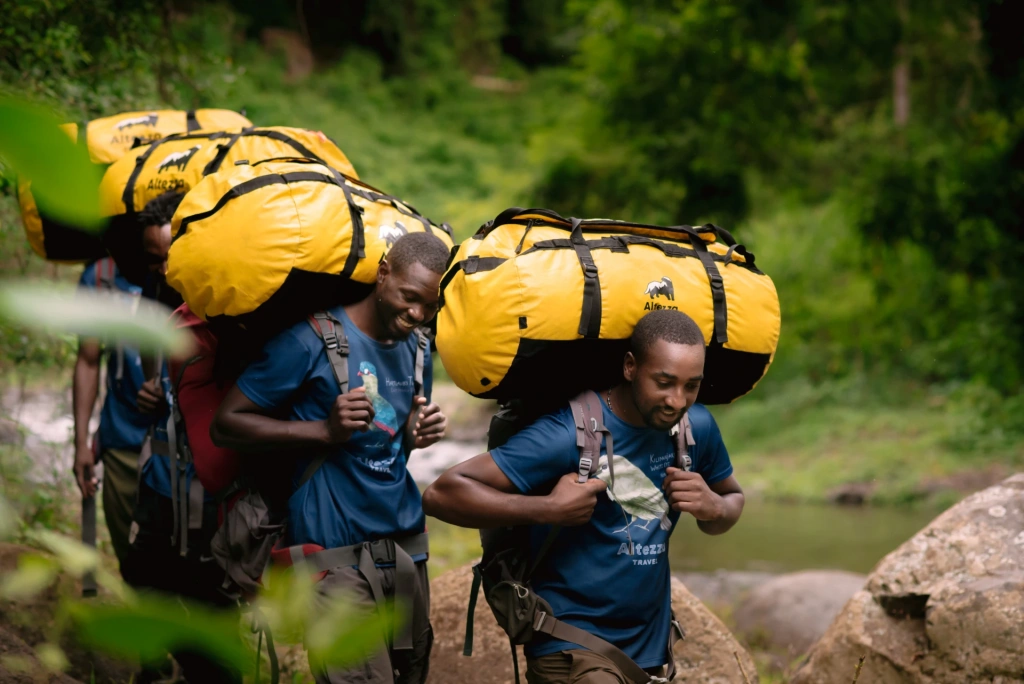
Climbing Mount Kilimanjaro is shaped not only by the route, but by the people who run the expedition. Unlike many shorter hiking trips, a Kilimanjaro expedition involves spending nearly a week on the mountain in close contact with the crew and the daily routines of camp life. Over time, small interactions, shared routines, and exposure to Tanzanian culture become a natural part of the climb and add another dimension to the adventure beyond the physical challenge itself.
Local Expertise and Perspective
A Kilimanjaro guide shares information about the mountain throughout the climb: the wildlife and plant life in the lower forest zones, how the terrain and climate shift with altitude, and the history of the communities that have lived on Kilimanjaro's slopes for generations.
Most guides come from the Chagga people, whose connection to the mountain goes back centuries. This local knowledge adds real depth to the experience and is something you won't get from a map or a guidebook.
A Chance to Learn Traditions on the Mountain
Swahili phrases are used throughout the climb and quickly become part of daily communication. On longer or more demanding stretches, it is common for the crew to use songs or rhythmic calls to keep spirits up and maintain a steady pace on the trail.
These are small things, but they are part of what makes a Kilimanjaro expedition feel like something more than just a hike. Climbers often recall their interactions with the crew as one of the most memorable highlights of their expedition.
A Chance to Explore Tanzania Beyond Climbing Kilimanjaro
For many travelers, climbing Kilimanjaro becomes part of a longer journey through Tanzania rather than a standalone trip. Safari is the most common addition to a Kilimanjaro expedition, with many climbers continuing to Serengeti National Park, Ngorongoro Crater, Tarangire, or Lake Manyara after reaching the summit.
Combining Kilimanjaro hiking with safari allows travelers to experience completely different landscapes within the same journey, from rainforest and alpine desert on the mountain to the wildlife-rich plains of northern Tanzania. Some travelers also choose to add Zanzibar after the climb to rest and recover on the coast before returning home.
Supporting the Local Economy
Climbing Kilimanjaro has a direct and measurable economic impact in Tanzania. Each Kilimanjaro expedition supports a large team of local staff and contributes significant revenue through park fees and related costs.
Every climber is required to pay Kilimanjaro National Park fees, which typically range from $800 to $1,200 (already included in the cost of expedition packages), depending on the route and duration. These funds go directly to the management of Kilimanjaro NP, supporting infrastructure, conservation, and ranger services.
Employment Opportunities: Not Just Porters
Kilimanjaro expeditions are labor-intensive by design. A single climber is typically supported by a team of 4 to 8 crew members, including guides, porters, and cooks. This means that even small groups generate employment for dozens of people in northern Tanzania.
Across the industry, tens of thousands of porters and guides depend on Kilimanjaro for income. For many families, this work provides long-term financial stability and is one of the most reliable sources of employment in the region.

Ethical Climbing Practices on Kilimanjaro
Working conditions on the mountain vary depending on the operator. Responsible companies follow established standards that ensure fair treatment of their teams.
Organizations such as the Kilimanjaro Porters Assistance Project (KPAP) promote clear guidelines. These include limiting porter loads to 20 kg (44 lb), providing proper meals and shelter, and ensuring transparent and fair wage systems.
Operators in Tanzania that follow these standards offer safer and more sustainable working conditions, while those that do not can expose porters to unnecessary risk. When choosing a tour operator, pay attention to whether or not they are a KPAP member.
For more information about KPAP, check out our short video below
Community and Environmental Impact of your Kilimanjaro Climb
The economic impact of Kilimanjaro extends far beyond the mountain itself. In addition to supporting guides, porters, and support staff, Kilimanjaro tourism contributes to local businesses, hotels, transport services, farms, and communities across northern Tanzania. Many responsible tour operator companies also invest in conservation, education, infrastructure, and social programs throughout the Kilimanjaro region.
At the same time, regulated tourism plays an important role in protecting the mountain environment. Climbers are required to stay on designated Kilimanjaro routes and use established camps, while strict waste management and park regulations help minimize environmental impact. Daily operations on the mountain are closely monitored by Kilimanjaro National Park authorities to help preserve the area’s fragile ecosystems.
This system allows climbing Kilimanjaro to remain accessible to travelers from around the world while supporting long-term conservation and sustainable tourism development in Tanzania for future generations.
Conclusion
Well-organized guided Kilimanjaro hikes offer numerous advantages, making climbing Africa's highest peak accessible to many. Professional guides set a steady pace, manage acclimatization, and carry out regular health checks during the climb, all of which significantly improve both safety and summit success. Behind the scenes, a full support team handles camp setup, meals, and daily logistics, keeping your Kilimanjaro climb running smoothly. This allows you to focus on the experience itself, while your trip also contributes directly to local employment in Tanzania and conservation efforts around Mount Kilimanjaro.
Climbing the highest mountain in Africa is an achievement that stays with you long after you return home. The confidence gained comes not just from reaching the summit, but from the experience of the climb itself – shared with a team that supports you every step of the way.
All content on Altezza Travel is created with expert insights and thorough research, in line with our Editorial Policy.

Want to know more about Tanzania adventures?
Get in touch with our team! We've explored all the top destinations across Tanzania. Our Kilimanjaro-based adventure consultants are ready to share tips and help you plan your unforgettable journey.