





 52 reasons
 Free PDF


 Message us on WhatsApp
 Book a Free Call


 About Tanzania
The Africa Cup of Nations (AFCON), the continent’s premier football tournament, will take place from June 19 to July 17, 2027, across three countries: Tanzania, Kenya, and Uganda. The tournament has never been jointly hosted by three countries before, and it will return to East Africa for the first time since 1976.
In Tanzania, stadiums in Dar es Salaam, Zanzibar, and Arusha are being prepared to welcome football (soccer) fans. It’s a great opportunity to combine the excitement of match days with a beach escape, time exploring local cities, or a safari among Africa’s iconic wildlife. In this guide, Altezza Travel covers everything fans need to know, from visas and vaccinations to match locations and things to do between games.
Key Facts About AFCON 2027

The joint bid by Tanzania, Kenya, and Uganda, named Pamoja (Swahili for “together”), was awarded hosting rights on September 27, 2023. Other contenders included Botswana, Egypt, and Senegal. The winner was selected by the Executive Committee of the Confederation of African Football (CAF) at a meeting in Cairo. For Tanzania, Kenya, and Uganda, this will be the first time hosting AFCON, and the tournament will return to East Africa for the first time since 1976, when Ethiopia hosted the competition.
Where will the matches take place, and what to do between games?
The Africa Cup of Nations will last almost a month. There will almost certainly be free days between matches, which you can spend exploring cities, taking excursions, going on safari, trekking, or relaxing on the Indian Ocean coast.
Dar es Salaam, Tanzania
- Population: 6 million
- Stadium: Benjamin Mkapa Stadium
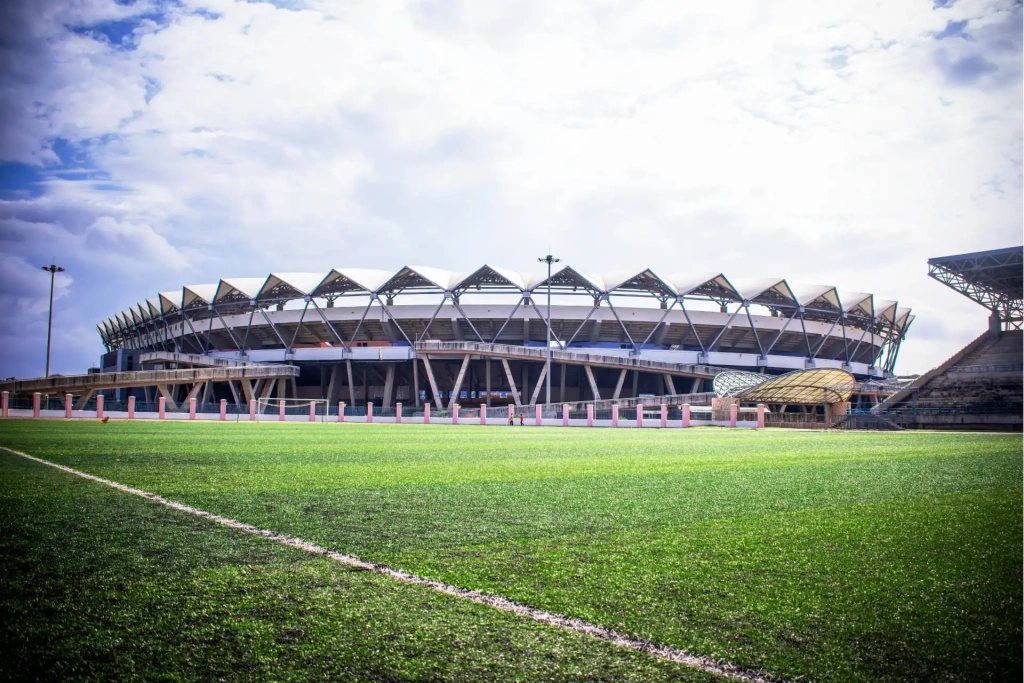
Dar es Salaam is the country’s largest city and its business and cultural hub, although Dodoma is the official capital. Between matches, you can explore the city and its historic Kivukoni district, known for its colonial architecture; visit the National Museum of Tanzania; browse lively local markets such as Kariakoo; or relax at Coco Beach. Ferries to Zanzibar depart from the Kivukoni ferry terminal, and the journey takes about an hour and a half.
Zanzibar, Tanzania
- Population: Over 1 million
- Stadiums: Amaan Stadium and Fumba Stadium
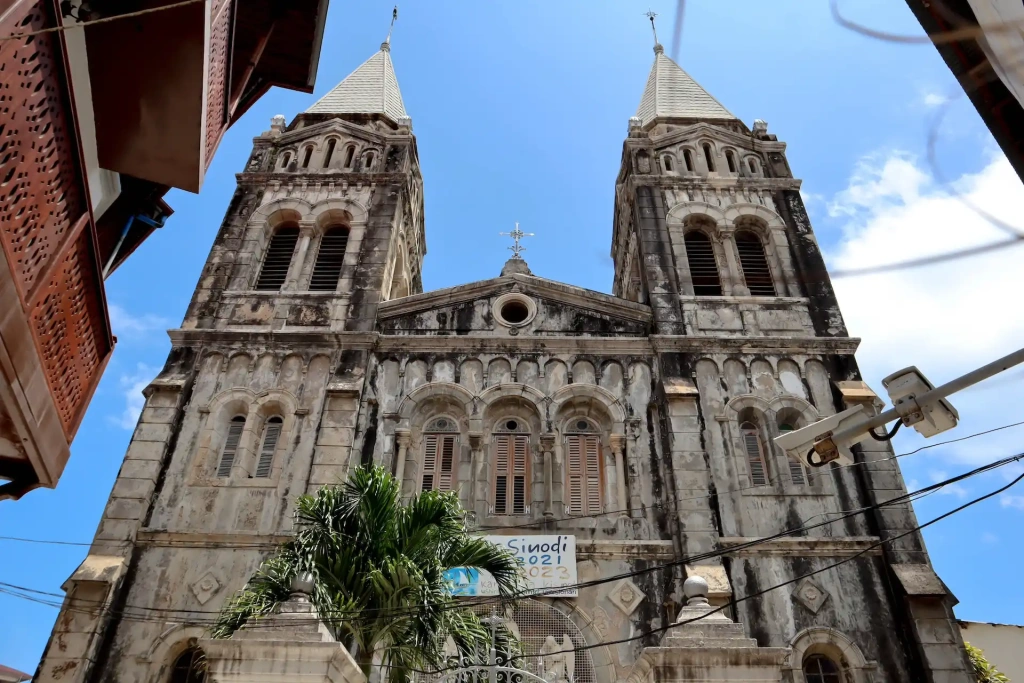
The island’s main attraction is Stone Town, the historic heart of Zanzibar City. As a UNESCO World Heritage Site, it blends African, Arab, Indian, and European architectural influences. Be sure to visit the Old Fort, St. Joseph’s Catholic Cathedral, and the Anglican Cathedral, built on the site of a former slave market.
Zanzibar is also famous for its beaches and outdoor activities. Nungwi and Kendwa, on the island’s northern tip, are popular spots to relax on a sun lounger by the ocean. For snorkeling and scuba diving, consider nearby Mnemba, Pemba, Misali, and Mafia islands. On land, you can tour spice plantations or go on a day hike in Jozani-Chwaka Bay National Park. Find out more in our guide to things to do in Zanzibar.
Arusha, Tanzania
- Population: 700,000
- Stadium: Samia Suluhu Hassan Stadium

Arusha is one of Tanzania’s largest cities and its safari capital, serving as the starting point for many tours to the country’s national parks. The city itself offers colonial architecture, the Cultural Heritage Centre with its extensive African art gallery, the Natural History Museum, the Arusha Declaration Museum, and spectacular views of Mount Meru, which rises to 4,566 meters (14,980 feet).
Nearby, you’ll find scenic coffee plantations and Arusha National Park, where you can walk through the savanna among giraffes and zebras. The city also has a wide selection of hotels to suit every budget.
Arusha is easy to reach from other parts of Tanzania. For example, its local airport has flights to both Zanzibar and Dar es Salaam.
Safaris from Arusha
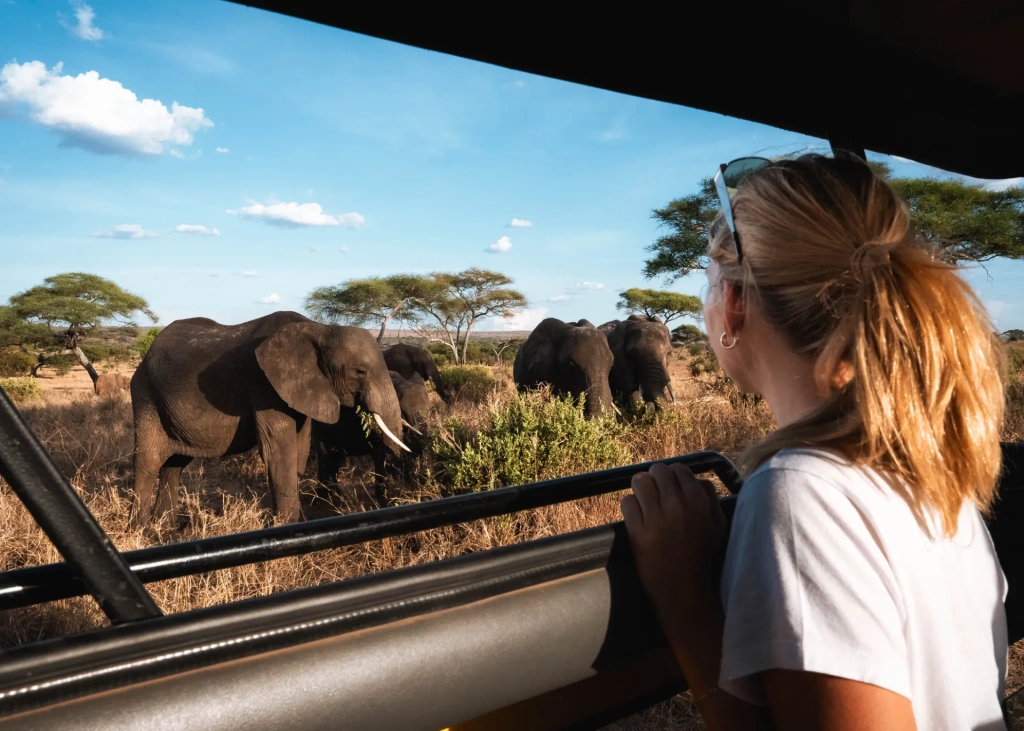
If you have a couple of days or more between matches, don’t miss the opportunity to go on safari. AFCON dates also coincide with a key stage of the Great Migration, when herds cross the Grumeti River, and the start of the dry season. This is one of the best times of year to explore the savanna.
Tarangire National Park. Famous for its large elephant herds, centuries-old baobab trees, and remarkable birdlife, with around 550 recorded species. You may also spot lions, cheetahs, buffalo, and other savanna inhabitants.
Lake Manyara National Park. Located at the foot of the Great Rift Valley, this park is home to large predators and herbivores. From June to September, you can also see millions of pink flamingos.
Ngorongoro Crater. A UNESCO World Heritage Site with an exceptionally high concentration of wildlife. Around 25,000 large mammals, including members of the Big Five, inhabit an area of approximately 260 square kilometers (100 square miles).
Serengeti National Park. One of the world’s most famous safari destinations and another UNESCO World Heritage Site. It is home to the Great Migration, more than 70 species of large animals, and the iconic landscapes of the African savanna.
Nairobi, Kenya
- Population: 5 million
- Stadiums: Raila Odinga Stadium (formerly Talanta Stadium) and Kasarani Stadium
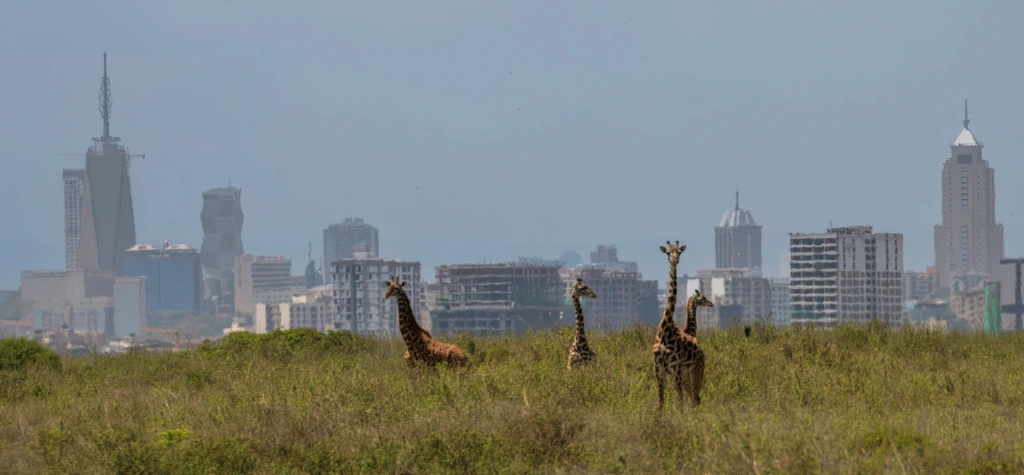
Nairobi is the capital and largest city of Kenya. Just 8–10 km (5–6 miles) from the central business district lies Nairobi National Park, earning the city a reputation as “the world’s only wildlife capital”. The park is home to more than 100 animal species, including lions, leopards, rhinos, and buffalo, as well as over 400 bird species. Other attractions worth visiting include the Sheldrick Wildlife Trust, which cares for orphaned elephant calves, the Giraffe Centre, and the Karen Blixen Museum, housed on the former farm of the Danish writer.
The Maasai Mara National Reserve is another highlight. It lies about 225 km (140 miles) from Nairobi, a five- to six-hour drive, but the journey is well worth it. The reserve is famous for the Big Five and the Great Migration. The most spectacular part of the migration takes place from July to September, when herds of zebras and antelopes cross the crocodile-infested Mara River.
Kampala, Uganda
- Population: 1.8 million
- Stadium: Mandela National Stadium
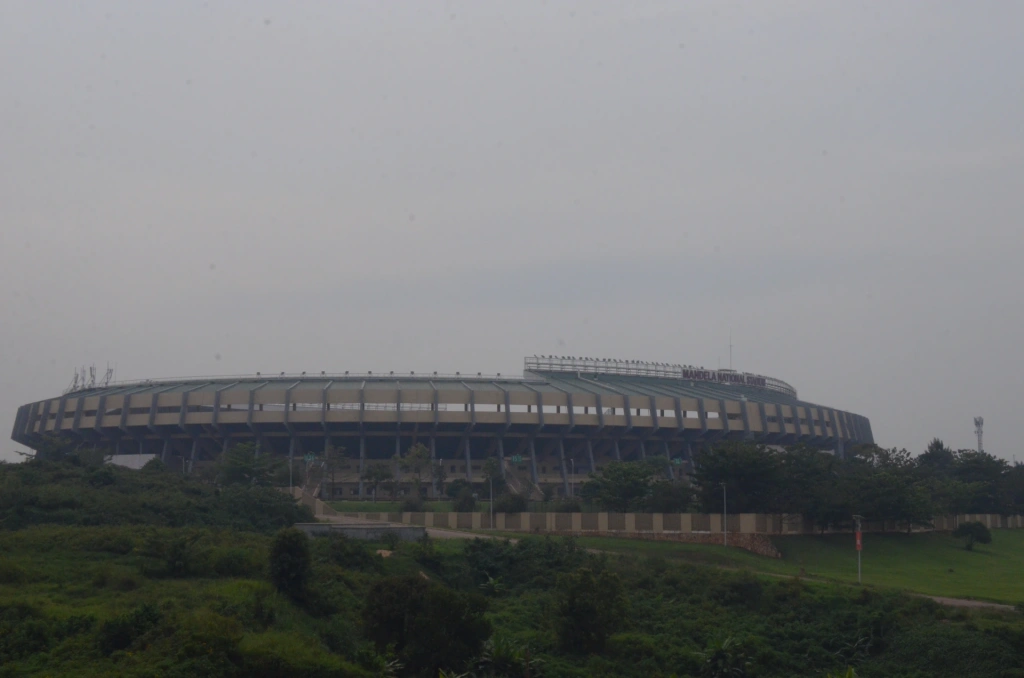
Uganda’s capital is spread across seven hills. Its main historical attraction is the Kasubi Tombs, the burial site of the kings of Buganda. Four rulers of the Buganda Kingdom are buried in the complex’s main building, an enormous circular structure with a thatched roof. The site is a UNESCO World Heritage Site.
For panoramic views of Kampala’s seven hills, head to the minaret of the Uganda National Mosque, also known as the Gaddafi National Mosque, the largest mosque in the country. Visitors can also take a trip to Jinja, where the Nile flows out of Lake Victoria and begins its journey toward the Mediterranean Sea. Activities on the river include white-water rafting, kayaking, and bungee jumping.
Hoima, Uganda
- Population: 158,600
- Stadium: Hoima City Stadium
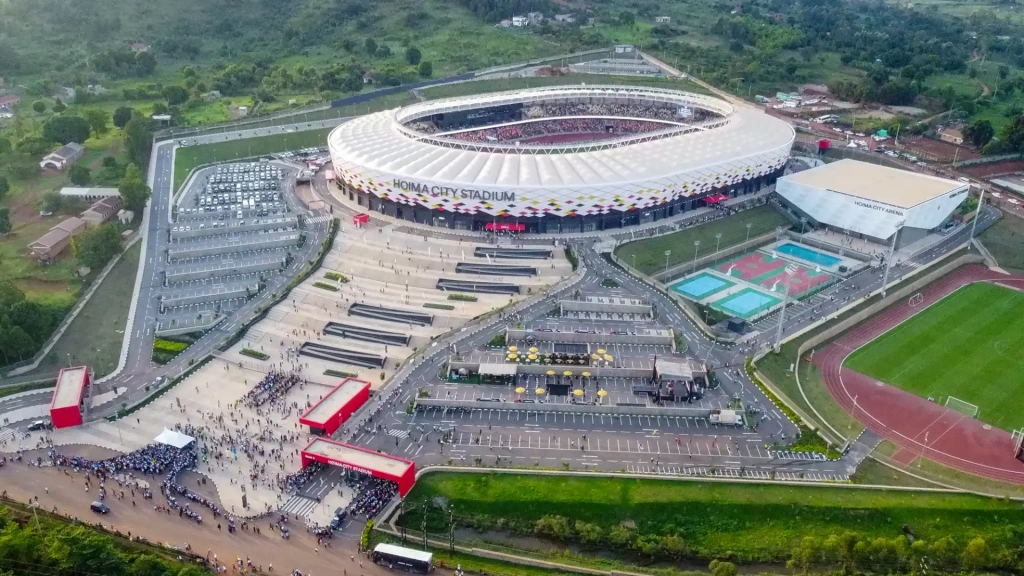
Hoima lies in western Uganda, in the historic kingdom of Bunyoro. Just a few miles from the city center are the Mparo Royal Tombs, the burial place of Omukama Kabalega, a celebrated king of Bunyoro-Kitara. His name is also linked to the Kabalega Caves, while the nearby Kibiro hot springs offer another reason to explore the area. However, visitors should keep in mind that tourist facilities and infrastructure in the region remain limited.
Lira, Uganda
- Population: 267,000
- Stadium: Akii-Bua Stadium
Lira is located in northern Uganda. Its stadium is named after the country’s first Olympic gold medalist, John Akii-Bua, who won the 400-meter hurdles at the 1972 Munich Olympics, setting a new world record.
Lira itself has relatively few major tourist attractions. On a free day, you could climb Ngetta Hill or visit the Barlonyo Memorial, dedicated to the victims of a rebel attack in 2004 on displaced people who had fled the war in northern Uganda.
Uganda is particularly renowned for its wildlife, especially its mountain gorillas. Bwindi Impenetrable and Mgahinga Gorilla National Parks are home to about half of the world’s mountain gorillas, around 470 individuals. In the wild, you can also find these animals in neighboring Rwanda and the Democratic Republic of the Congo.
Another highlight is Murchison Falls National Park, Uganda’s oldest and largest protected area. It is famous for the point where the Nile forces its way through a narrow gorge, plunging 45 meters (148 feet) to form a spectacular waterfall.
Visas and Travel Insurance
Tanzania, Kenya, and Uganda are currently discussing the introduction of a joint four-month visa for football fans. However, no final decision has been made, so for now, it is best to plan your trip according to the usual visa requirements of each country.
Tanzania. Most foreign travelers need a visa to enter the country. Exemptions apply to citizens of several African countries, as well as certain island nations and European states. To find out whether you need a visa and how to apply, see our guide to Tanzania visas.
Kenya. Many foreign travelers must obtain an Electronic Travel Authorization (eTA) before entering the country. Citizens of most African countries and certain other states are exempt. You can check the requirements for your nationality and apply through the official Kenya eTA website.
In addition, as of October 5, 2026, travelers are required to purchase Kenyan medical insurance costing $44.
Uganda. Citizens of 40 countries can enter Uganda without a visa; everyone else must obtain one. Travelers planning to visit Kenya and Rwanda as well can apply for an East African Tourist Visa. It is valid for 90 days and costs $100. A separate visa is still required for Tanzania.
Yellow Fever Vaccination
This is the final, but no less important, step in preparing for the Africa Cup of Nations. Whether you need a yellow fever vaccination certificate to enter a country depends on which countries you plan to visit and in what order. Kenya and Uganda are classified as countries with a risk of yellow fever transmission, while Tanzania is not.
Entry requirements are: Uganda requires a vaccination certificate for all travelers over one year old, while Tanzania and Kenya require one only for travelers arriving from countries with a risk of yellow fever transmission.
In practice, the requirements for common travel routes are as follows:
The vaccination certificate becomes valid 10 days after vaccination. If your itinerary requires one, make sure to get vaccinated well in advance.
All content on Altezza Travel is created with expert insights and thorough research, in line with our Editorial Policy.

Want to know more about Tanzania adventures?
Get in touch with our team! We've explored all the top destinations across Tanzania. Our Kilimanjaro-based adventure consultants are ready to share tips and help you plan your unforgettable journey.
 Climbing
 Safari
 About Tanzania
 Islands