





 52 reasons
 Free PDF


 Message us on WhatsApp
 Book a Free Call


 About Tanzania
Everyone in Rwanda speaks Kinyarwanda, the country's main national language. However, Rwanda also has three other official languages: English, French, and Swahili.
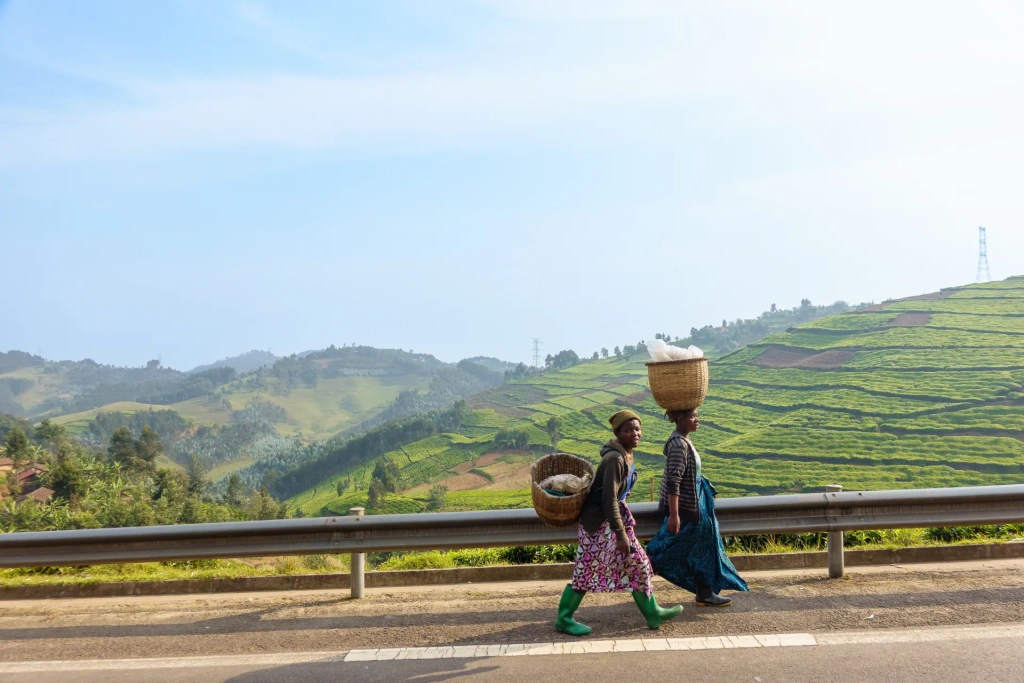
Rwanda has four official languages: Kinyarwanda, English, French, and Swahili. Each gained official status at a different point in the country's history, shaped by specific historical circumstances. Belgian colonial rule introduced French, while English gained prominence after 1994, when refugees returned from English-speaking African countries. Swahili became an official language only in 2017, as part of Rwanda's efforts to strengthen ties with other East African nations. Kinyarwanda, meanwhile, has been an official language since the country gained independence in 1962.
In this sense, Rwanda’s four official languages reflect the country’s history. Where and when is each used, and is English enough to get by as a traveler? Continue reading this Altezza Travel blog post to learn more.
Official Languages of Rwanda
The 2023–2024 EICV7 survey found that more than 75% of Rwandans aged 15 and older can read and write in at least one official language. The 2022 census provided a more detailed picture, estimating the overall literacy rate among Rwandans aged 15 and older at 78.8%. Of those in this age group, 54% could read, write, and communicate effectively only in Kinyarwanda, while around 14% could do so in both Kinyarwanda and English. English is the official language of education, so many Rwandans understand it and can speak it to some degree.
Let's take a closer look at how Rwanda's four languages gained official status and became part of everyday life.
English in Rwanda
English has been an official language of Rwanda since 2003, when it was enshrined in the Constitution alongside Kinyarwanda and French. In 2008, it became the sole language of instruction in the country's education system, from primary school through university. It was also adopted as an official working language of government.
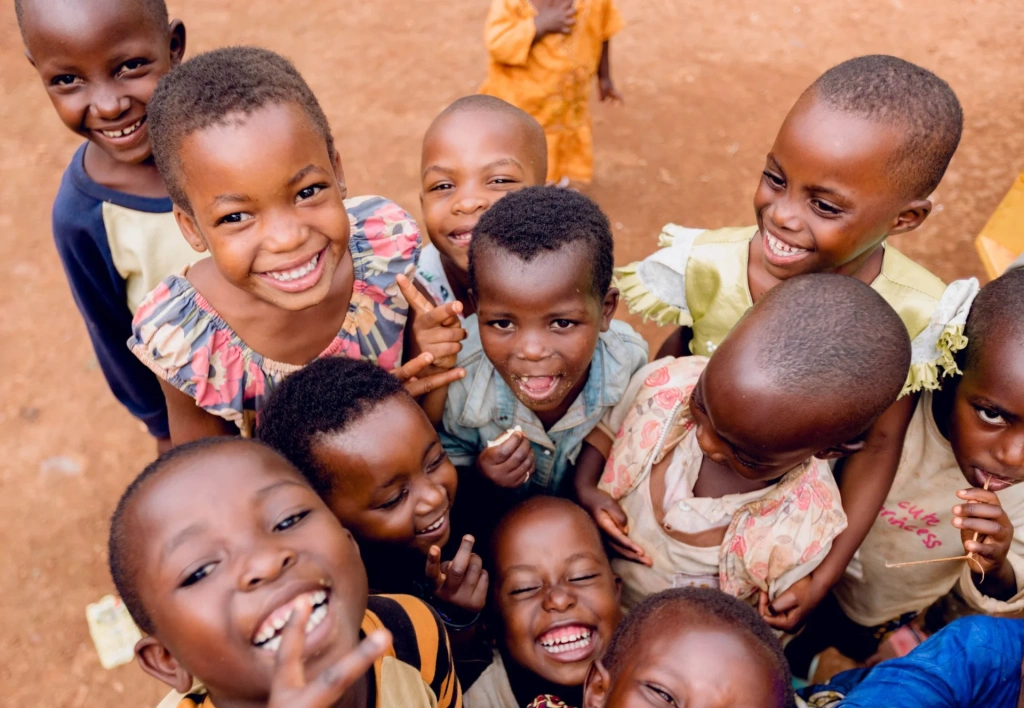
English began gaining ground in Rwanda in 1994. Many Rwandans who had spent years living in neighboring English-speaking countries, particularly Uganda, began returning home. They brought the language with them, and English quickly spread through Rwandan society.
In 2009, Rwanda joined the Commonwealth of Nations as its 54th member, becoming only the second member, after Mozambique, with no historical or constitutional ties to the United Kingdom. This is an interesting detail: Rwanda was first a German colony and later came under Belgian rule, but was never part of the British Empire. After joining the Commonwealth, the country also adopted British English as its preferred variety.
Rwanda also has its own variety of English, often referred to as Rwandan English. It has distinctive pronunciation and grammatical features shaped by the country's multilingual environment, where English regularly mixes with Kinyarwanda and other languages.
Kinyarwanda
Kinyarwanda belongs to the Bantu language family. It is Rwanda's national language and is spoken by virtually the entire population. It is also spoken in neighboring countries, particularly across the Great Lakes region.
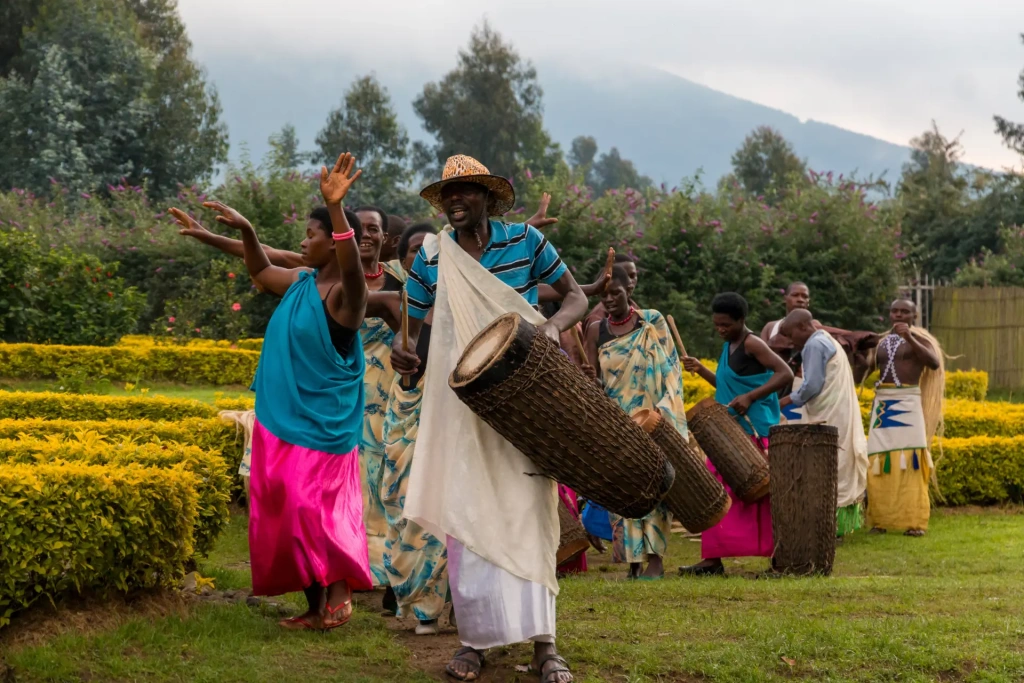
In the Democratic Republic of the Congo, Kinyarwanda is spoken mainly in the east, particularly in the provinces of North Kivu and South Kivu. In Uganda, it is primarily spoken around Kisoro in the southwest, near the Rwandan border. In Tanzania, Kinyarwanda and closely related varieties are spoken in the country's northwestern border areas.
In 2010, the government established the Rwanda Academy of Language and Culture (RALC), which was tasked, among other things, with promoting and preserving Kinyarwanda. In 2014, at the academy's initiative, the government introduced new spelling rules that changed the orthography by approximately 16%. The reform sparked considerable backlash. Critics argued that the government imposed the changes from above without public consultation and that some new rules strayed too far from familiar spelling conventions.
Following the public outcry, then Minister of Sports and Culture Joseph Habineza said the new rules might be reviewed and potentially reversed. However, RALC was dissolved in 2020, and its responsibilities were transferred to a new body, the Rwanda Cultural Heritage Academy (RCHA). It is difficult to establish from publicly available sources which of the 2014 spelling changes were ultimately retained and which, if any, were reversed.
French in Rwanda
French became the language of administration under Belgian rule, which began after World War I and lasted until Rwanda gained independence in 1962. Even after independence, French continued to play an important role in government, education, and international relations.
The marked a turning point. Relations between the Rwandan government and France deteriorated sharply, while many refugees began returning to Rwanda from abroad. These developments helped English spread among the population and gain a stronger foothold at the national level, while French gradually lost ground.
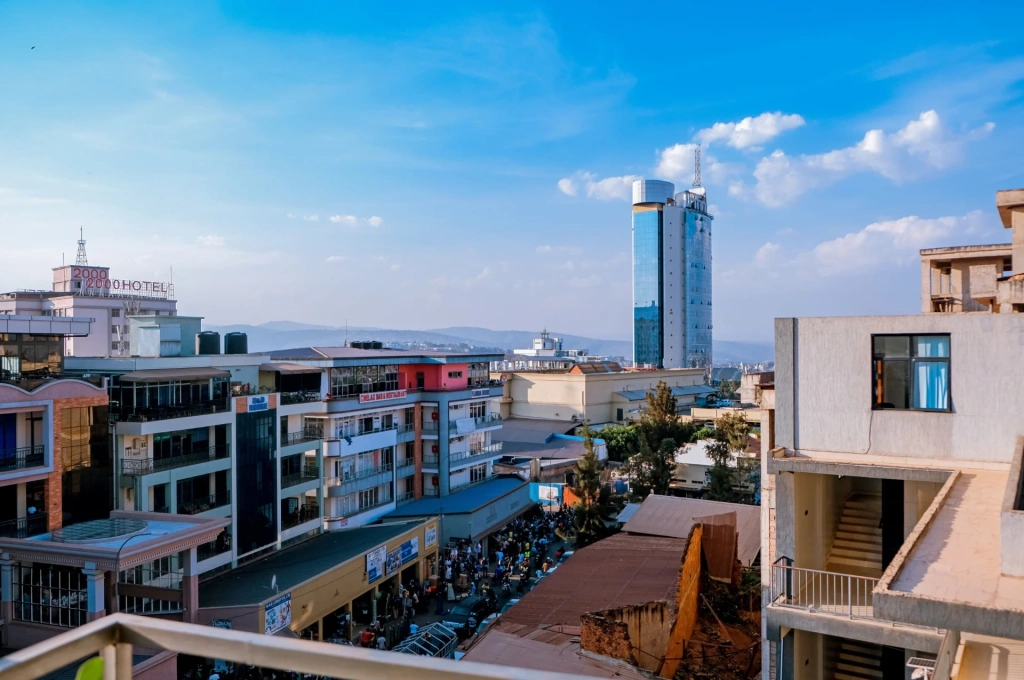
In 2008, the Rwandan government replaced French with English as the language of instruction in schools under the national curriculum. French nevertheless retained its official status and remains one of Rwanda's official languages under the 2003 Constitution.
Swahili
In February 2017, Rwanda made Swahili its fourth official language. Today, it is commonly used in business and international trade and is taught in schools. Granting it official status was an important step in Rwanda's broader strategy of regional integration through .
Swahili is spoken across much of East and Central Africa, stretching from the Indian Ocean coast in the east to the central regions of the Congo Basin in the west, and from Somalia in the north to Mozambique in the south. It is also an official language in Tanzania, Uganda, and Kenya.
According to the Ethnologue language database, estimates for 2026 put the number of Swahili speakers at around 95 million. Approximately 4 million speak it as their first language, while another 91 million use it as a second language. Estimates vary considerably, however. UNESCO, for example, cites a much higher figure of around 200 million people, including those who use Swahili as a second or additional language.
Although Swahili became an official language in Rwanda relatively recently, it arrived in the country long before European colonization. Traders brought it inland, connecting the East African coast with the Great Lakes region. In the late 19th century, German colonial authorities promoted Swahili as a key language of German East Africa, which included Rwanda. This gave the language a considerable boost across the region.
Later, the Belgians tried to shift the focus toward French, but Swahili never disappeared. It remained in use in trade, Muslim communities, and towns near the borders.
Frequently Asked Questions about languages in Rwanda
Yes, English is one of Rwanda's official languages. It is used in education, government, and business. However, most Rwandans do not speak it as their first language and generally prefer to communicate in Kinyarwanda.
They are different languages, although both belong to the Bantu language family and share some similarities. Kinyarwanda belongs to the Rwanda-Rundi group, while Swahili belongs to a different Bantu branch. So knowing one does not automatically mean you'll understand the other.
Yes, they are closely related languages spoken in neighboring Rwanda and Burundi, respectively. They share a lot, but they are distinct national languages, each with its own spelling conventions.
English would be enough. For everyday interactions with local people, it’s useful to learn a few basic phrases in Kinyarwanda. French can occasionally come in handy too.
All content on Altezza Travel is created with expert insights and thorough research, in line with our Editorial Policy.

Want to know more about Tanzania adventures?
Get in touch with our team! We've explored all the top destinations across Tanzania. Our Kilimanjaro-based adventure consultants are ready to share tips and help you plan your unforgettable journey.
 Climbing
 Safari
 About Tanzania
 Islands