





 52 reasons
  Free PDF


 Message us on WhatsApp
  Book a Free Call

 Climbing
 Can you use a CPAP machine during a Kilimanjaro climb?
Yes. Climbers diagnosed with obstructive sleep apnea can safely and effectively use CPAP machines on high-altitude expeditions. They’re also sometimes recommended for people who have been diagnosed with sleep apnea but don’t normally use a CPAP device at home. Before the climb, it’s essential to consult a doctor, undergo a proper evaluation, and get personalized advice, including guidance on how your CPAP settings may need to change with altitude.
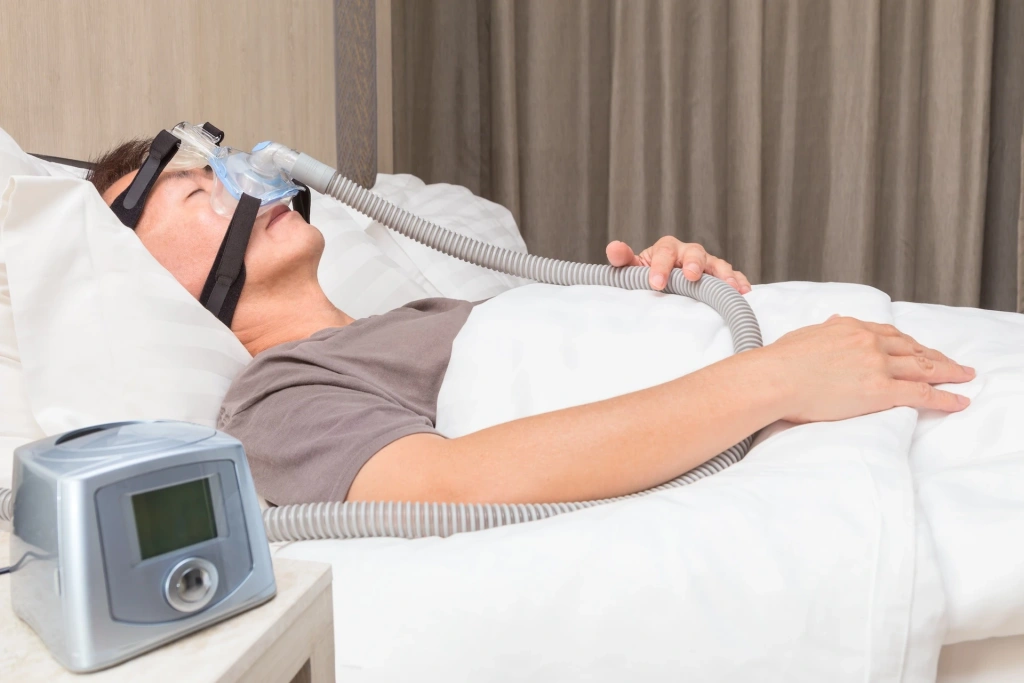
Sleep apnea and altitude
As you ascend, breathing becomes more difficult because the air becomes thinner — each breath delivers less oxygen. The higher you go, the less oxygen the body receives. For people who already experience nighttime breathing pauses, this combination can create significant problems. Sleep becomes fragmented, and some climbers feel short of breath during the night. After such a night, it’s common to wake up exhausted, sleepy, irritable, and with a headache.
Kilimanjaro’s summit rises to 5,895 m (19,341 ft). As you climb, nighttime breathing changes in the following ways:
- From 1,800 m (5,900 ft), even healthy people develop altitude-related periodic breathing: slow, shallow breaths alternating with rapid, deep ones, often followed by several seconds of no breathing.
- From 2,500 m (8,200 ft), periodic breathing becomes more pronounced, and the risk of altitude sickness increases.
- At 4,200 m (13,800 ft), the total number of obstructive apneas and doubles.
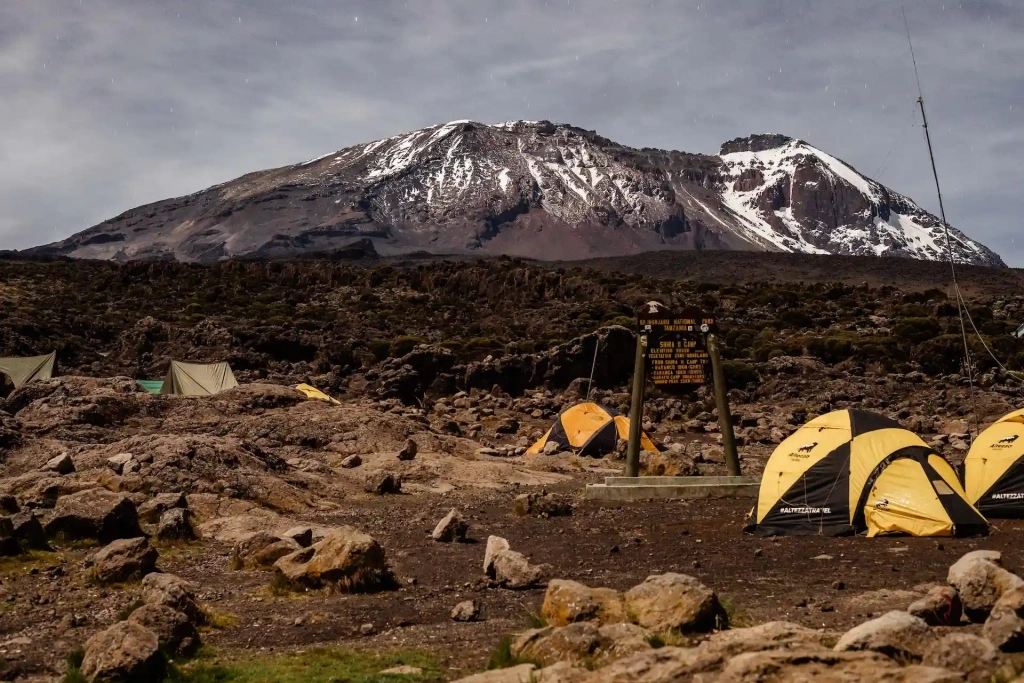
In other words, sleep quality declines for everyone at high altitude, but people without sleep apnea usually adapt. Those who experience obstructive apneas, however, face increasingly difficult nighttime breathing and often need support to maintain normal respiration during sleep.
You can read more about high-altitude breathing in our detailed guide on preparing for high-altitude trekking.
CPAP use on a Kilimanjaro climb
The Journal of the American Medical Association suggests that anyone who uses a CPAP device at home should bring it with them when traveling to high altitudes. People who have sleep apnea but don’t normally use CPAP therapy are advised to consult a pulmonologist or sleep specialist before the climb. They may benefit from using the device at least during the expedition.
Up to about 2,400 m (7,900 ft), most climbers manage well with auto-adjusting CPAP settings. Above this level, however, a device may need manual calibration unless it automatically compensates for changes in air pressure. A doctor can help determine the correct settings for each altitude. Manual pressure adjustment typically becomes necessary because at 2,400 m the ambient air pressure drops by roughly a quarter compared to sea level. Beyond this point, CPAP devices without altitude-compensation features deliver weaker airflow, reducing oxygen intake and worsening apnea symptoms.
How do you charge a CPAP machine in the mountains?
If your model uses removable batteries, bring several sets with you. For a 7–8-day climb, 2–4 battery packs are usually enough. However, be sure to double check actual battery life before your expedition. Also remember to keep them warm — place the batteries inside your sleeping bag at night to prevent them from losing capacity in the cold.
During a Kilimanjaro expedition with Altezza Travel, you can send depleted batteries down to our base office. They will be recharged and delivered to your next camp. There is an additional fee for the porters’ extra work, but this service allows you to avoid carrying a large number of batteries yourself.
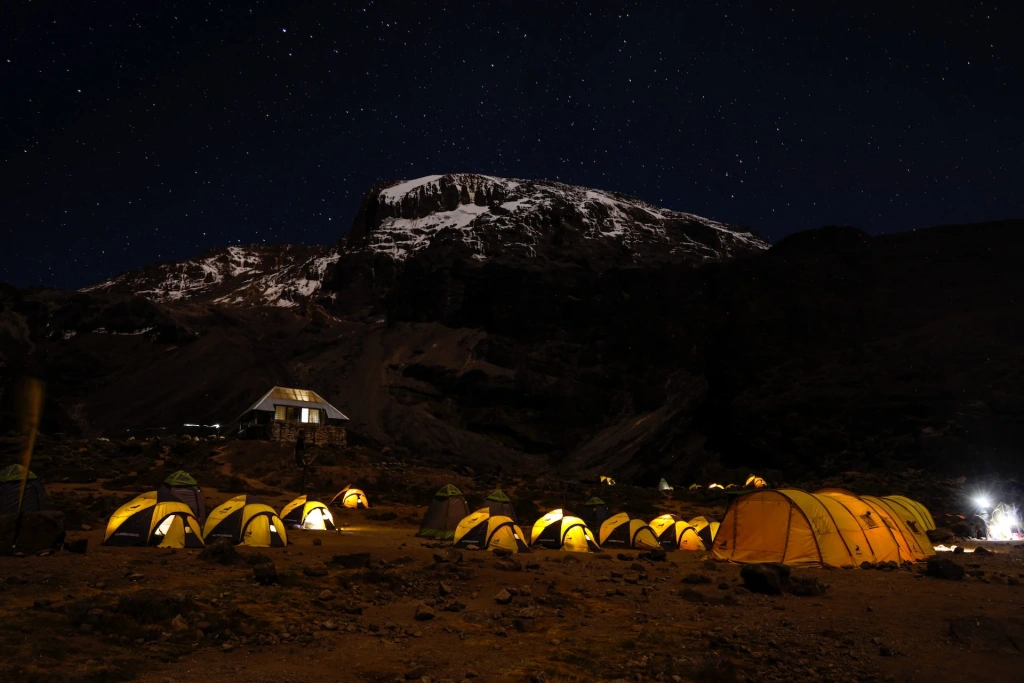
Another option is to bring a generator to charge your batteries or CPAP machines with non-removable power systems. If you're climbing Kilimanjaro with Altezza Travel, you can ask your manager to add generator rental to your program. This service costs 1,000 USD and includes the permit to bring a generator into the national park, as well as payment for two porters to carry the generator and the necessary fuel.
Preventing sleep apnea issues on Kilimanjaro
To help prevent obstructive sleep apnea at altitude, many specialists recommend taking Diamox (acetazolamide). This applies both to people who normally use CPAP therapy and to those who do not. The American Medical Association supports this conclusion, but a consultation with your doctor is essential before starting the medication.
Research also confirms that acetazolamide is effective in reducing sleep apnea symptoms at high altitude.
Conclusion
If you need a CPAP device for your Kilimanjaro climb, don’t hesitate to bring it. Using CPAP will help you sleep better, adapt more quickly to the altitude, and improve your chances of successfully reaching the summit of Africa’s highest peak.
All content on Altezza Travel is created with expert insights and thorough research, in line with our Editorial Policy.

Want to know more about Tanzania adventures?
Get in touch with our team! We've explored all the top destinations across Tanzania. Our Kilimanjaro-based adventure consultants are ready to share tips and help you plan your unforgettable journey.
 Climbing
  Safari
  About Tanzania
  Islands