





 52 reasons
  Free PDF


 Message us on WhatsApp
  Book a Free Call

 Safari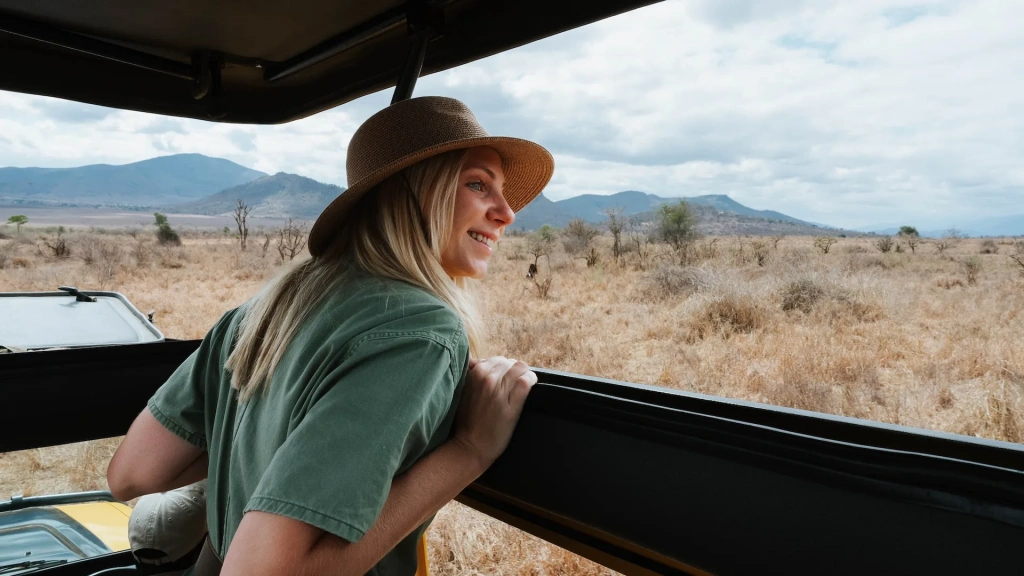
How many days do you really need for a safari in Tanzania? Why is hopping between national parks every day or two usually a mistake? And what are the absolute must-haves you should pack before you go?
Hi, I’m Georgia Fowkes. I’ve been to Tanzania many times and explored all of its major national parks. In this column for Altezza Travel, I’m sharing what I wish I had known before setting off on my very first safari, along with practical Tanzania safari tips to help you plan your dream vacation.
It’s safer than traveling in many cities in Europe and the US
Tanzania is widely considered one of the safest countries in Africa, with crime rates lower than in many cities across Europe, Southeast Asia, Latin America, and the United States. Much of this comes down to the travel format itself: at the airport, you’re met by a representative of the company you booked your tour with, and almost all further travel within the country is with a driver or guide.
Overall, one of the most important Tanzania safari safety tips is to choose a reputable tour operator who can ensure that every part of your journey runs smoothly and without unnecessary stress.
Inside the national parks themselves, there’s little to worry about at all – just open savannah, wildlife roaming freely, and friendly lodge staff focused on making your stay comfortable.
As for walking around cities like Arusha or Zanzibar, it’s enough to follow the same basic rules you would in New York, Paris, or London. Avoid nighttime walks in non-touristy areas and keep an eye on your belongings in crowded places. Tanzania is considered safe even for solo female travelers.
Safari programs and hotels exist for every budget
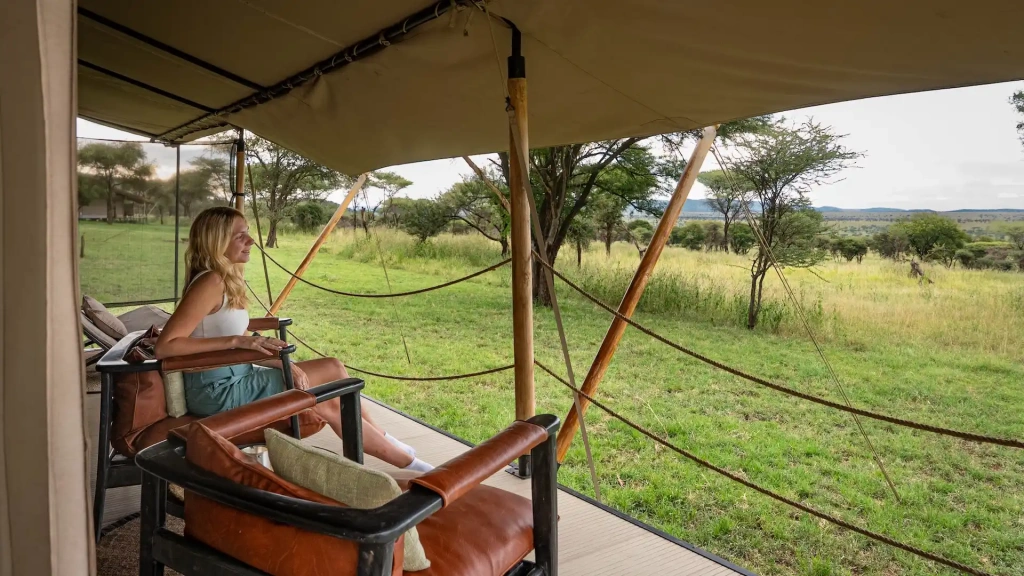
There’s a common belief that a safari in Tanzania isn’t a budget-friendly vacation. While there is some truth in that, it is still a bit of an exaggeration.
Flying from the US or Europe to another continent is more expensive than a beach holiday closer to home. Beyond airfare, however, you have much more control over your spending, and it’s entirely possible to find safari programs and comfortable accommodations that fit your budget.
Tanzania offers a wide range of places to stay – from simple tented camps to ultra-luxury lodges such as Four Seasons, andBeyond, Singita, or One Nature, where nightly rates can reach $3,000–$5,000 and often include private pools and personal butlers.
On my most recent trip, I stayed at mid-range lodges: Karibu Camps Lion’s Paw in the Ngorongoro Conservation Area, Karibu Camps Elephant Springs in Tarangire National Park, and Awali Serengeti in Serengeti National Park. Each offered cozy rooms, excellent food, and breathtaking views.
Safari programs follow the same principle. Local tour operators offer everything from affordable group trips lasting just a few days to fully customized premium itineraries with exceptional service. No matter how much you spend, every traveler comes for the same reason – the vast African savannah and unforgettable encounters with wild animals.
Safari quality depends directly on your tour operator
Tanzania is indeed safe, and it’s easy to find accommodation for almost any budget. But if there’s one thing I would never try to cut corners on, it’s the choice of tour operator. Your entire safari experience depends on them – from comfort and safety to the overall impression of the trip.
This doesn’t mean you have to choose the most expensive company on the market, but it’s wise to avoid the cheapest options. Budget operators often save money on the essentials: staff training and salaries, as well as vehicle maintenance.
As a result, you might find yourself in the savannah with an inexperienced guide – or just a driver with limited English, little knowledge of animal hotspots, and a tendency to ignore park driving rules.
Transport is just as important. Safaris are conducted in specially designed 4×4 vehicles, usually with pop-up roofs for wildlife viewing. You’ll spend anywhere from 3 to 8 hours a day in the vehicle, so it’s crucial that the company maintains and regularly updates its fleet. Otherwise, you risk uncomfortable seating, broken air conditioning, or even a breakdown in the middle of the savannah.
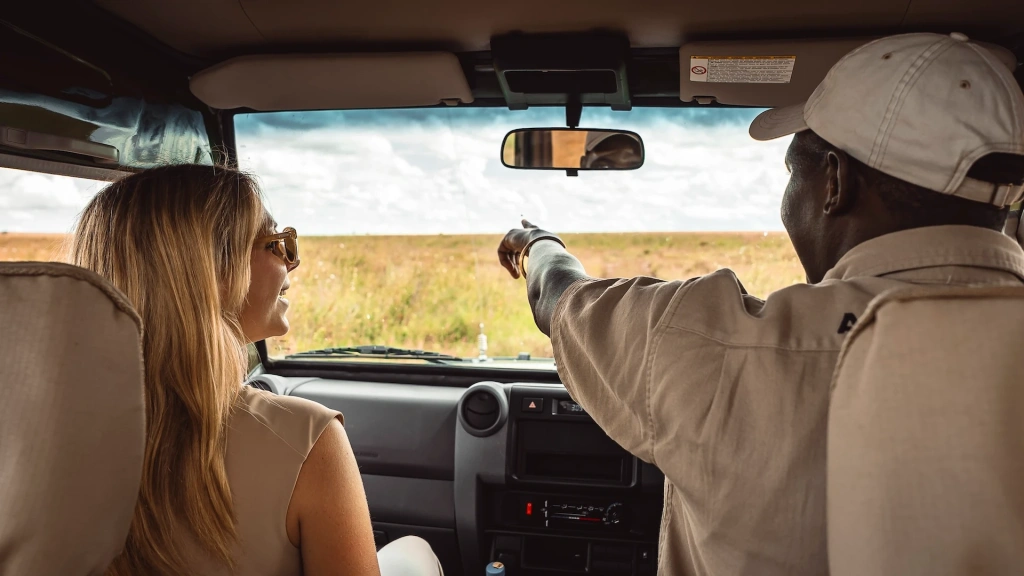
This is how it should be: a modern safari vehicle with comfortable seating, air conditioning, a fridge stocked with drinks, and charging ports for your devices. You’re accompanied by a professional, experienced, English-speaking guide who shares stories about the animals, the landscape, and Africa’s indigenous cultures, and knows exactly where you’re most likely to spot each species.
Lesser-known safari parks are just as good
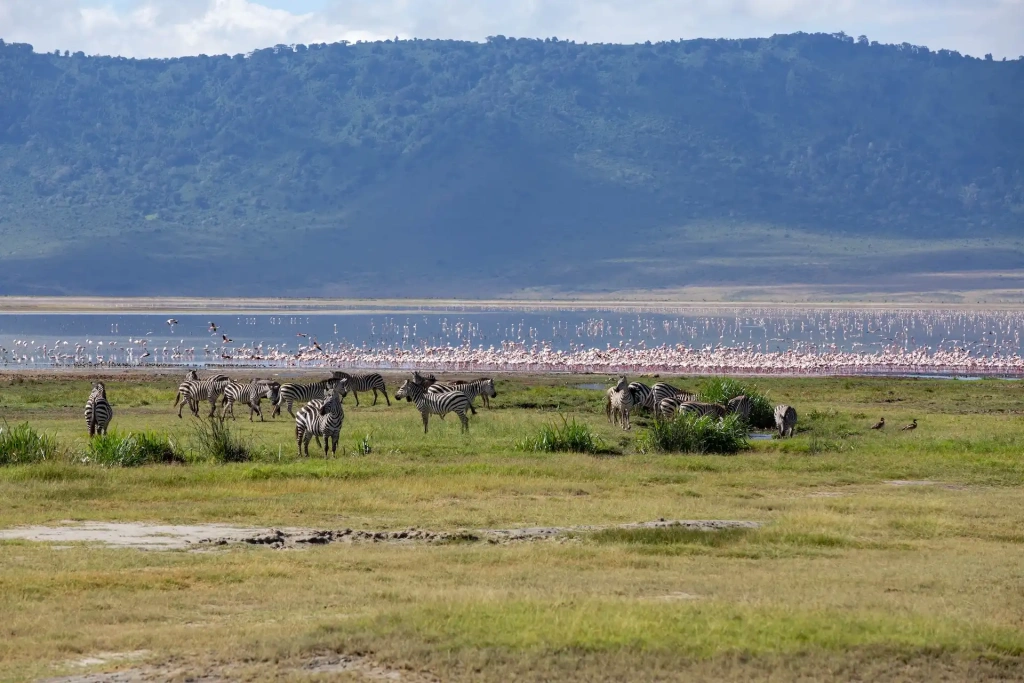
Nearly 30% of Tanzania’s territory is made up of national parks, reserves, and other protected natural areas. While no safari trip would be complete without Serengeti, Ngorongoro, or Tarangire, I strongly recommend looking beyond the most famous names. There are countless places to visit in Tanzania, including lesser-known parks that offer incredible wildlife and a more secluded, authentic safari experience.
One of them is Arusha National Park, located close to the city of Arusha. It’s one of the few parks in Tanzania where you can go on a walking safari and observe wildlife on foot. The route passes through dense tropical forest and leads into the crater of Mount Meru. There’s no steep ascent, as part of the volcano collapsed long ago, creating a natural passage.
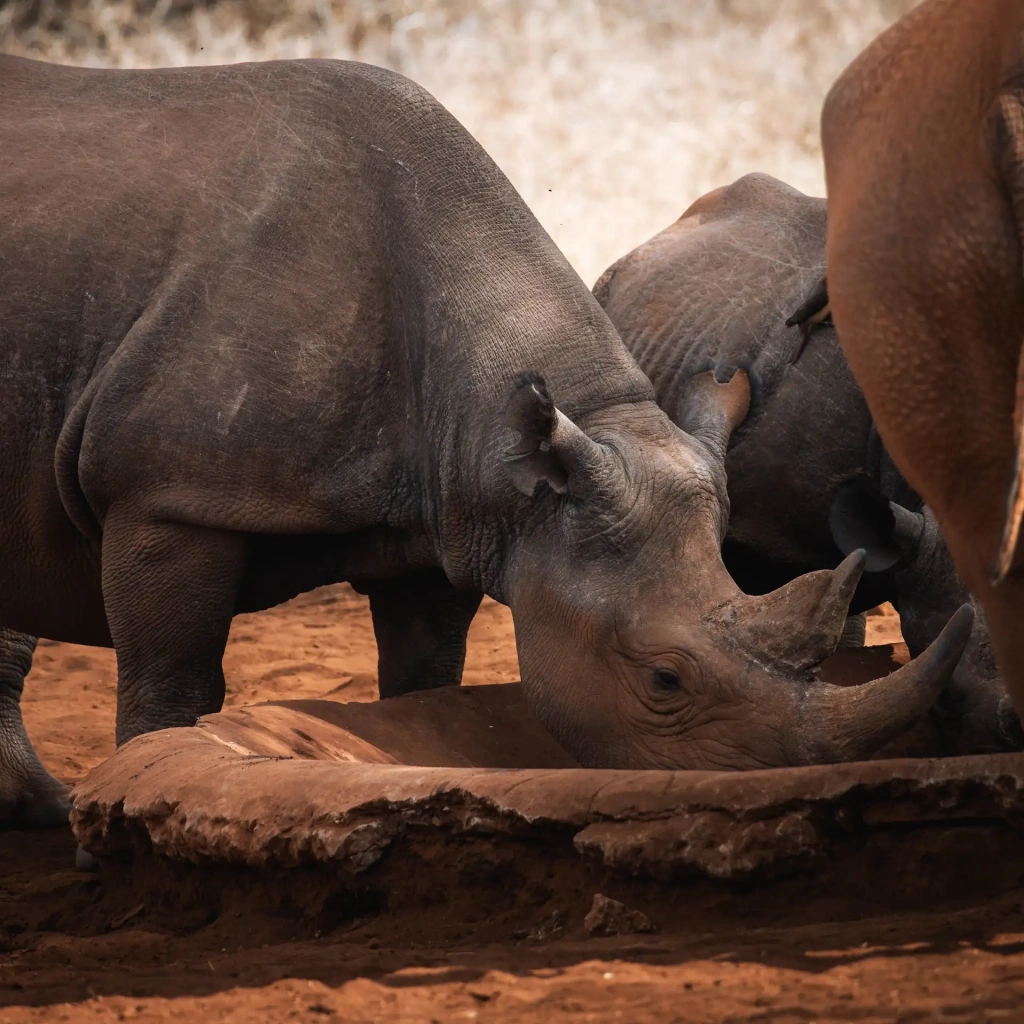
Another underrated gem is Mkomazi National Park. Although it officially became a national park in 2008, one of Africa’s most successful black rhino conservation projects has been operating here since 1997. The area was closed to travelers for many years, but since 2019 it has been open to visitors. In addition to rhinos, you can see all members of the Big Five, as well as giraffes, cheetahs, zebras, and more. You can stay overnight at Mkomazi Wilderness Retreat, a camp with cozy rooms and incredible views.
A good safari takes at least four days
From my experience, a safari is best enjoyed at an unhurried pace, not squeezed into one or two days or turned into a marathon of national parks with constant hotel changes. You won’t see more animals this way – you’ll just end up tired from long drives, constant packing, waiting for transfers, and checking into new lodges.
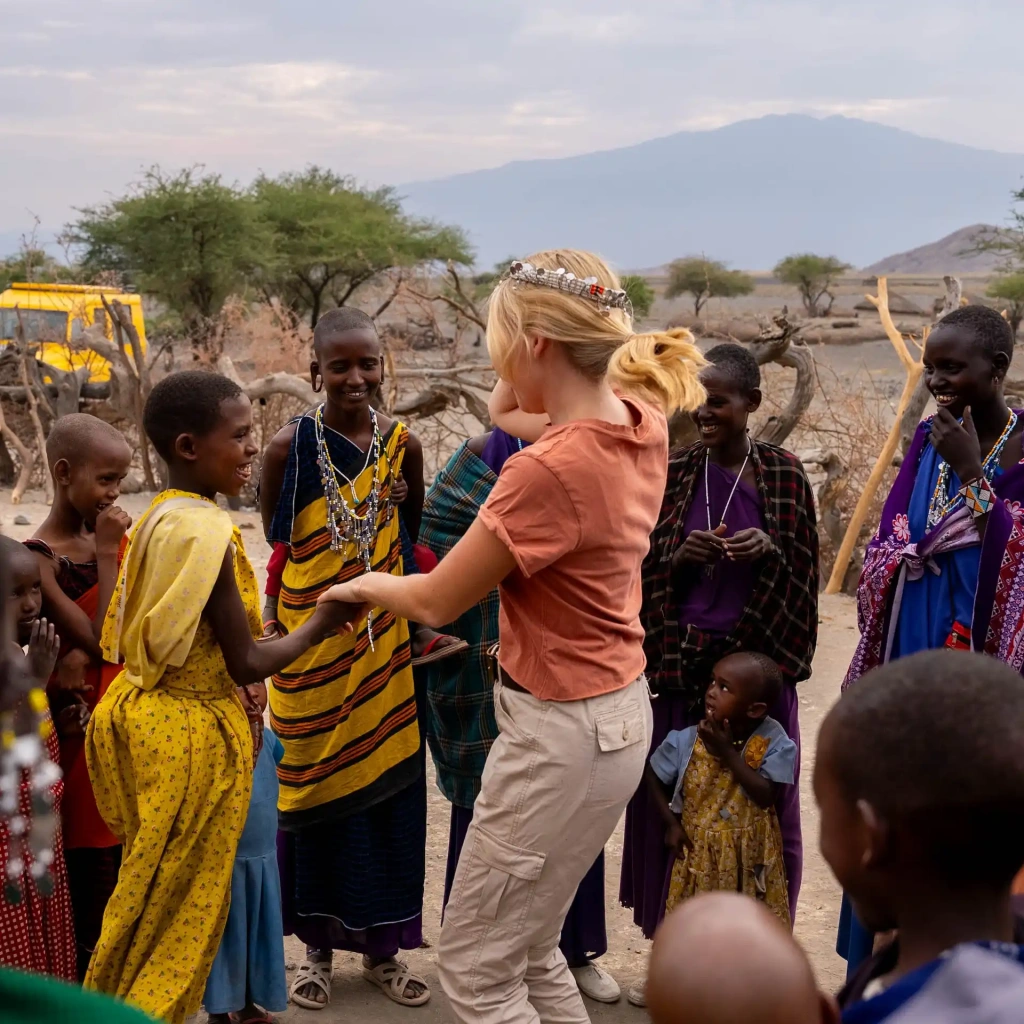
A safari is a real journey, not just days spent on game drives. It also means lazy afternoons by the pool, picnics in the savannah, and sunset dinners at cozy lodges. If you feel like adding something special, you can book a hot air balloon ride, visit a Maasai village, tour a coffee plantation, or even go horseback riding. And if one day you just want to stay at the lodge, rest, and sleep in — that’s perfectly fine too.
You don’t have to stick to just one place, either. Try to spend at least 2–4 nights at each lodge, depending on how long your trip is.
Safari preparation affects your overall comfort
Forget fashion trends – the savannah has its own rules. Wind and dust mean white clothes and shoes won’t stay clean for long, while black and dark blue can attract tsetse flies. Light green, beige, and khaki work best. Just keep in mind that khaki isn’t the same as military camouflage (camouflage clothing is not allowed in Tanzania).
The key is comfort and flexibility. Pack a few T-shirts, some long-sleeve tops or shirts, a light jacket for cool mornings and evenings, shorts, and breathable trousers. Bring a swimsuit for the pool, a hat, and a buff – game drives can get hot and dusty during the day. For footwear, sneakers are ideal for drives, and flip-flops or sandals are perfect around the lodge.
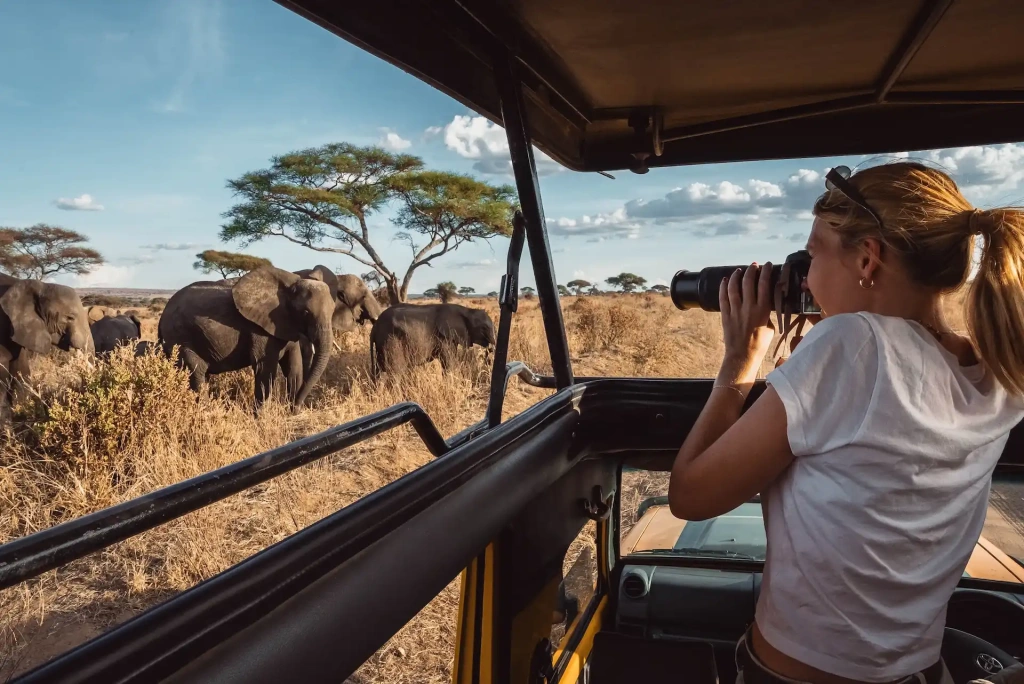
A safari takes place far from cities and pharmacies, so your first-aid kit should include everything you might need: painkillers, digestive remedies, anti-malaria medication (consult your doctor), antihistamines (for allergies), motion sickness pills, bandages, antiseptic, and disinfectant wipes. If you’re traveling with a child, bring appropriate medications as well. Other essentials include insect repellent and sunscreen.

Cash can be useful in the savannah
Bring US dollars (bills issued no earlier than 2009). Many hotels now accept cards only, and paying by card in cafés and restaurants is usually easy, but it’s still smart to carry a small amount of cash just in case. Cards can be blocked, terminals may not work, or unexpected situations can come up.
You’ll also need cash for tips. Here’s where it’s commonly expected:
- Restaurants and hotels – for good service and hospitality, usually 10–15% of the bill
- Your safari guide – for great wildlife spotting, stories during game drives, and overall care, typically $30–$50 per vehicle per day
- Maasai community members, if you visit a village for an excursion – typically $70–$100. You can also purchase handmade souvenirs there.
Safari is closer to an expedition than a resort vacation
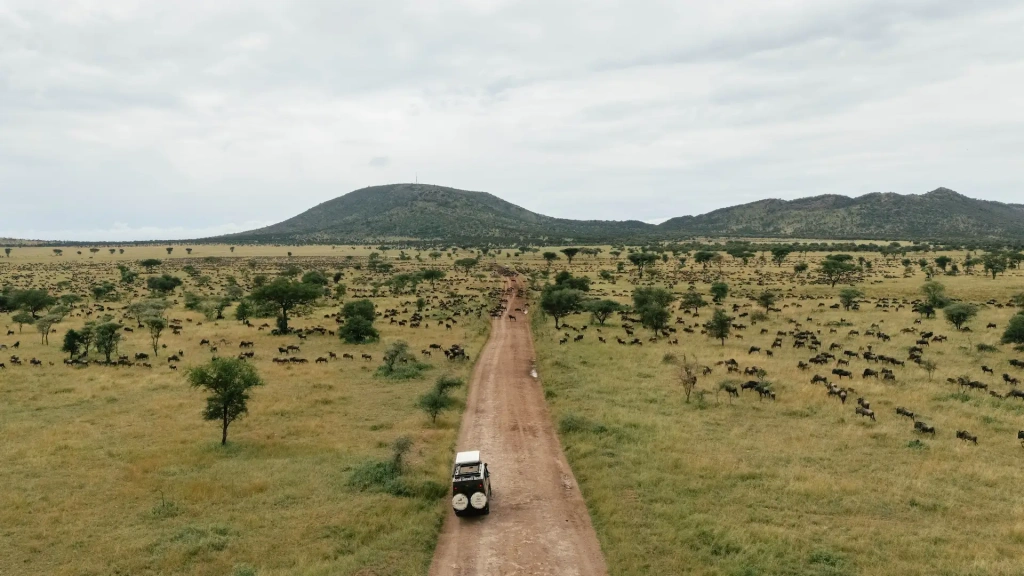
This kind of trip takes you far from city life. Even though national parks have good tourist infrastructure, day-to-day conditions are still different from what many travelers are used to. In practical terms, this means a few simple things:
- Don’t skip travel insurance. It’s important even for a beach holiday, and even more so on safari. Serious accidents are very rare, and I personally have never heard about such cases. But that’s not a reason to take risks. Medical evacuation from a national park can cost several thousand dollars, not to mention treatment at a local hospital.
- Be careful with water. Drink only bottled water and use it to wash fruit as well.
- Keep your hands clean. Hand sanitizer or disinfectant wipes are especially useful before meals.
- Be ready for wildlife around the lodge. At night, animals sometimes come close and make unfamiliar sounds. There’s no need to worry – they don’t see people as prey. Just don’t try to scare them away or interact with them. The safest option is simply to watch from a distance.
- Expect limited electricity. Many lodges and camps rely on generators or solar power, so electricity can be restricted. High-power appliances like hair dryers or irons may not always work. If this matters to you, it’s best to check with your tour operator in advance.
The savannah lives by its own clock
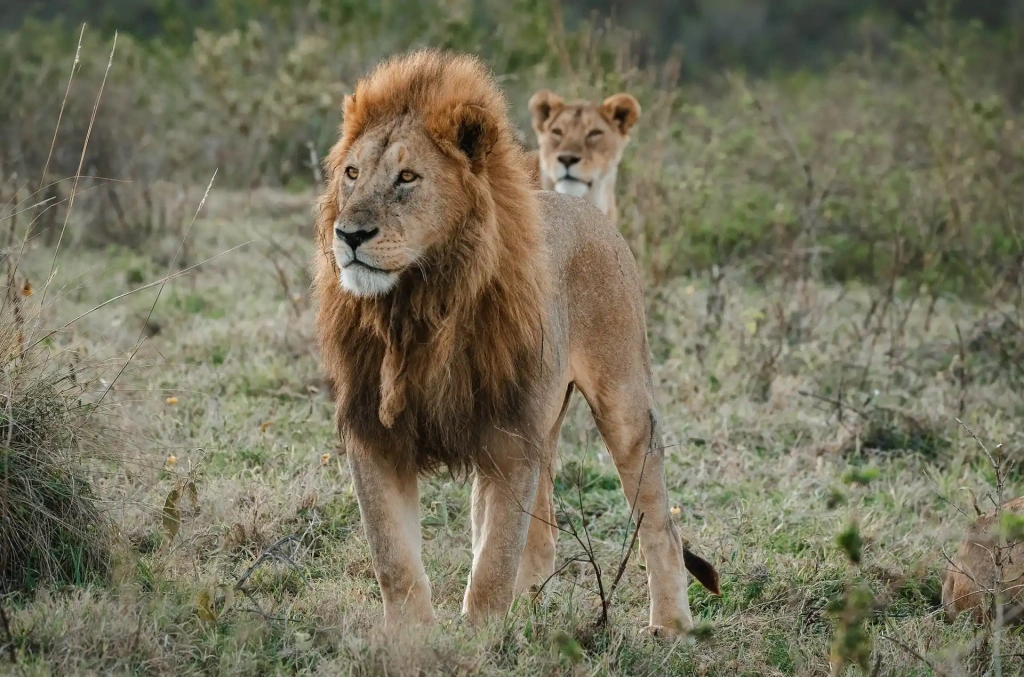
The best time for game drives and photography is early in the morning, from 06:30 to 09:30, and later in the afternoon, from 16:00 to 18:30. The light is softer then, and animals are more active because it’s cooler. Early wake-ups may not sound very tempting on vacation, but I really recommend not skipping morning drives.
By around 10:00–10:30, your guide will usually bring you back to the lodge, where you can nap, have lunch, and relax before heading out again in the evening. Keep in mind that mornings and evenings in the savannah can feel chilly, so bring a jacket or a light sweater.
In some parks, you can also join a night game drive for an extra fee. If your guide suggests it – say yes. These drives usually last two to three hours and start after 19:00. Once the sun goes down, you may spot animals you’ll never see during the day, such as white-tailed mongooses, civets, genets, porcupines, and more.
All content on Altezza Travel is created with expert insights and thorough research, in line with our Editorial Policy.

Want to know more about Tanzania adventures?
Get in touch with our team! We've explored all the top destinations across Tanzania. Our Kilimanjaro-based adventure consultants are ready to share tips and help you plan your unforgettable journey.
 Climbing
  Safari
  About Altezza
  About Tanzania