





 52 reasons
  Free PDF


 Message us on WhatsApp
  Book a Free Call

 About Tanzania
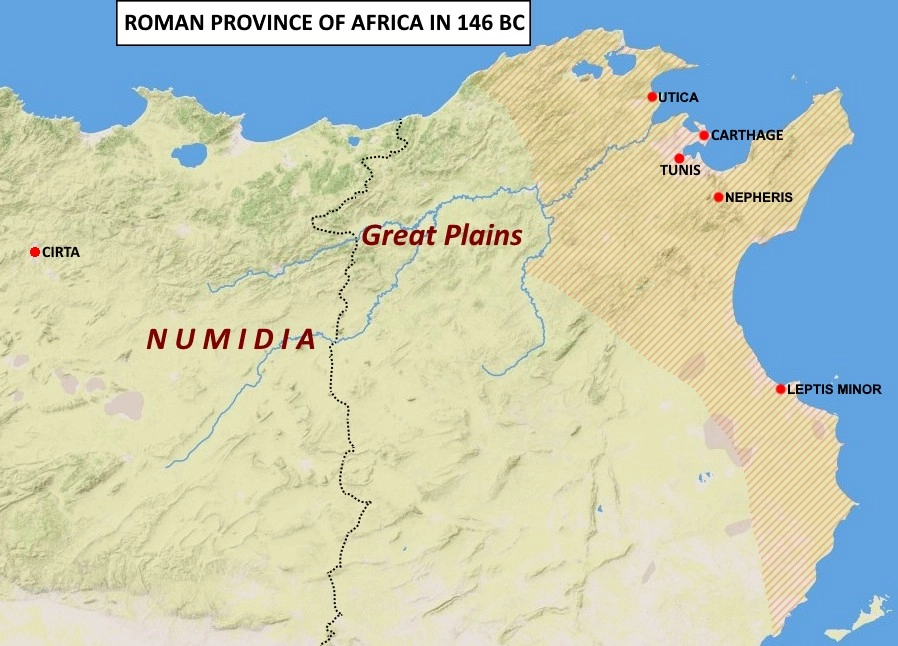
 The modern name Africa comes from the name of a Roman province located in what is now northern Tunisia. Later, this name was applied to all lands between the Mediterranean Sea and the Sahara Desert. During the era of European exploration, as the outlines of the continent were drawn on maps, the entire landmass received this name.
Thus, Africa was named “Africa” by European cartographers of the 15th to 17th centuries, following Roman tradition. In Latin, the word originally meant “land of the Afri.” The Afri were an ancient tribe, likely ancestors of modern Berber peoples who lived near Carthage.
Another name for Africa in antiquity was Libya, the term used by the Greeks and later adopted by Arab cartographers. Today, some Africans support the theory that before colonial times, the entire continent was known as Alkebulan, a term said to come from indigenous African languages. However, this theory does not hold up to historical or linguistic analysis.
Here is a closer look at how Africa became “Africa” and what the word “Afri” actually means.
Afri. What does the root of the word “Africa” mean
Many travelers visiting Tunisia go to the ruins of the ancient Phoenician city of Carthage. Two and a half millennia ago, this was a powerful city whose fleet controlled trade across the Mediterranean, from the Atlantic to Sicily. Around Carthage lay fertile lands where locals grew barley, wheat, olives, figs, grapes, and other crops. This region was home to the Afri people.
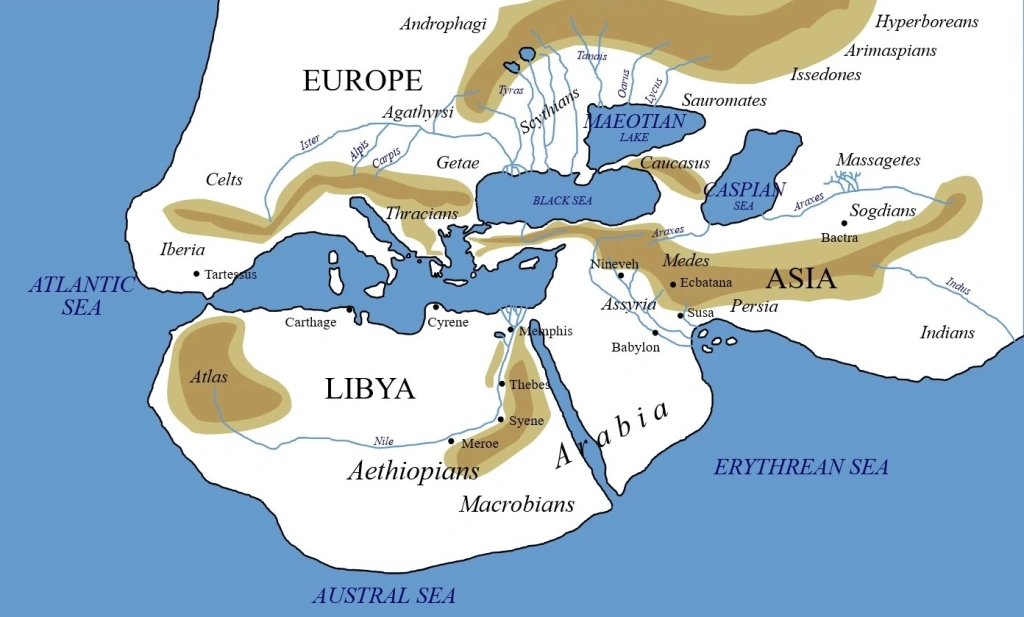
There are also many other theories about the origin of the word Afri. Here are the most common:
After the Punic Wars in 146 BCE, the Romans defeated Carthage and the Afri allies, captured the city, and destroyed it. The fertile lands became the “granary of Rome,” and the victors created a new overseas province administered by proconsuls. They named it Africa (Africa Proconsularis), meaning the land of the Afri. So, that name applied only to a limited region, and we cannot say that the Romans were the ones who named Africa as a continent.
What happened to the Afri people? Over time, they were forced to move south toward the Sahara Desert. Their modern descendants are likely a Tuareg subgroup known as the Uraghen, Ouraghen, or Auraghen.
How the Roman province Africa became the continent of Africa
Rome continued conquering territories south of the Mediterranean, and soon another province appeared next to Africa Proconsularis — Africa Nova, or New Africa. The Romans combined these provinces, added new land, sometimes lost them to the , and later regained them with Byzantine help. Throughout this period, the main city remained Carthage, which the Romans rebuilt.
By the end of the 6th century, the name Africa referred to a broad region including much of modern Tunisia, northeastern Algeria, and western Libya. After the Byzantine victory over the Vandals, these lands became the Byzantine African Exarchate. A century later, an Arab army invaded from Egypt. Carthage was destroyed, and the exarchate became the Arab province of Ifriqiya. This name remained widespread in the Arab world to describe lands west of Egypt.
The age of great geographic discoveries followed, and new lands appeared on maps. In the era of ocean navigation, the world no longer seemed small to Europeans.
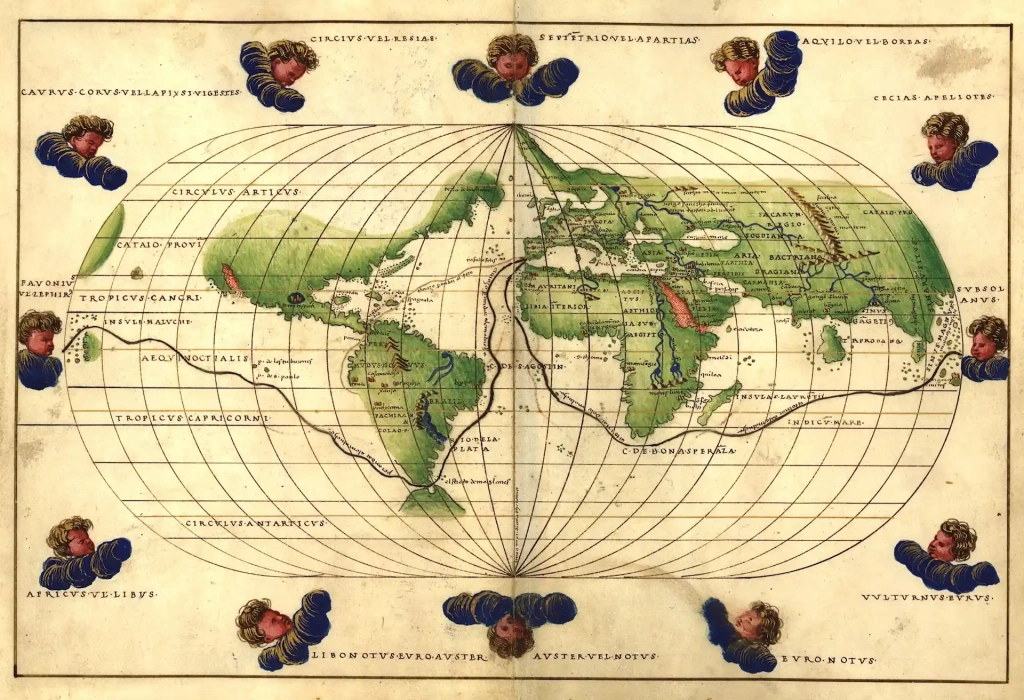
The Portuguese were the first to recognize the scale of Africa because they sailed more often along its western and southern coasts. Europe was in the Renaissance, and artists were fascinated by antiquity. In geography and cartography, Ptolemy remained highly authoritative. As a result, the Latin word Africa moved onto new maps, this time referring to the entire continent. The name became standard in the 17th century.
Original names of Africa. What existed before “Africa”?
Strictly speaking, before the name Africa spread across the entire continent, it had no single “original” name. Early European sailors did not know Africa well and did not see it as a continent as we know it today, while indigenous peoples did not make long overland journeys and did not create maps. Therefore, we can speak only of regional names used for specific known areas, such as Libya, Ethiopia, Sudan, and Guinea. All these names survive today in modern African states.
Another popular term used as an alternative name for Africa is Alkebulan, promoted in Afrocentrist communities. It is claimed to be an ancient indigenous name for the continent, supposedly meaning “mother of mankind” or “Garden of Eden.” Many interpretations and theories exist, including suggested Arabic roots. Some call Alkebulan “the original name of Africa.” However, there is no consistent theory, and the term is surrounded by debate.
Academics do not take seriously the idea of a single ancient original name shared by all African peoples. The continent never had one language uniting its many nations, and no linguistic connection between Alkebulan and any known language has been found. Indigenous peoples did not have the concept of a “continent,” and long overland expeditions across Africa would have been nearly impossible in antiquity.
Finally, there is nothing diminishing about a continent bearing an . Most continents, and many countries and peoples, were named by others long before modern identities began to take shape. While history reflects moments of colonial influence, today, nations and communities across Africa define themselves on their own terms. And “Africa” has become a resonant and powerful name, far removed from whatever meaning the ancient Romans once attached to it.
All content on Altezza Travel is created with expert insights and thorough research, in line with our Editorial Policy.

Want to know more about Tanzania adventures?
Get in touch with our team! We've explored all the top destinations across Tanzania. Our Kilimanjaro-based adventure consultants are ready to share tips and help you plan your unforgettable journey.
 Climbing
  Safari
  About Tanzania
  Islands