





 52 reasons
  Free PDF


 Message us on WhatsApp
  Book a Free Call

 Climbing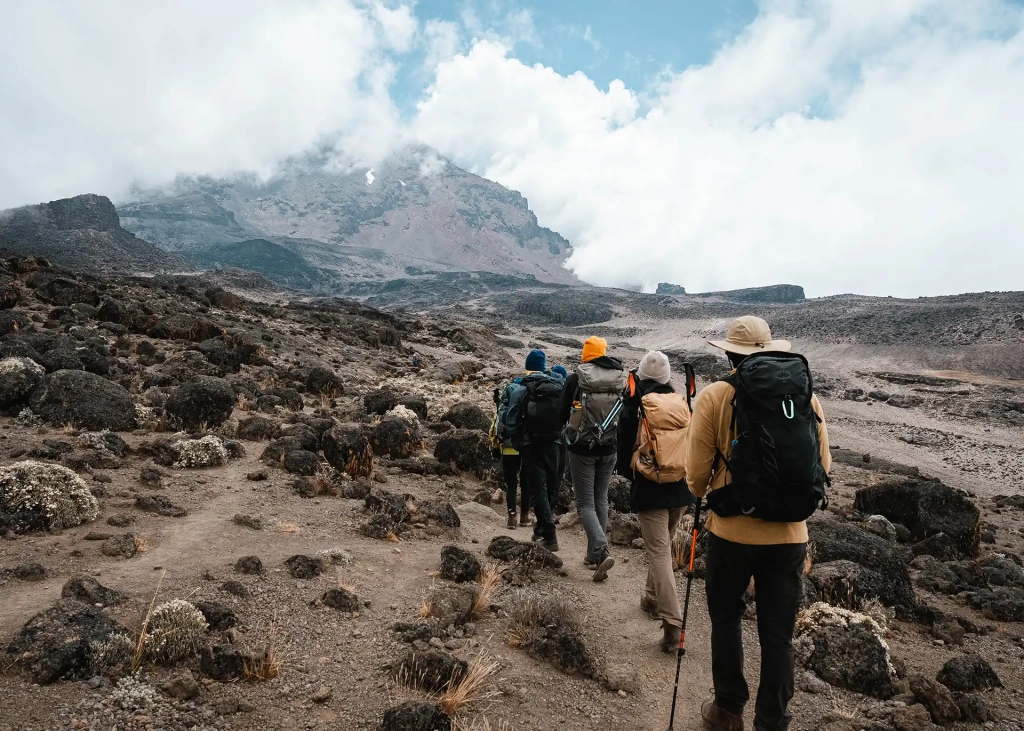
Climbing Kilimanjaro is one of the most exciting yet accessible mountain adventures in the world. Reaching the summit, Uhuru Peak, does not require technical mountaineering skills or specialized climbing equipment, and most of the risks are well understood and predictable. In this new Altezza Travel guide, we explain how to avoid injuries and health issues, prepare properly for the expedition, and successfully summit Africa’s highest mountain.
Understanding Kilimanjaro: Challenges and Risks of the Climb
Climb Mount Kilimanjaro tours offer a demanding yet deeply rewarding journey. On one hand, it is the highest mountain in Africa at 5,895 meters (19,341 ft), and one of the “Seven Summits,” alongside Everest and Denali. At the same time, it is considered the most accessible of them: there are no sheer rock faces or steep technical sections. The route to the summit is essentially a multi-day trek with gradual elevation gain.
That said, it is not easy. Here’s what to expect:
- Long trekking days between camps. On most days, climbers cover 7–10 km (4–6 miles), which takes 4 to 8 hours. On summit night, the most important and physically demanding stage, the effort nearly doubles. You also need to factor in accumulated fatigue and extreme altitude.
- Changing climate zones. Kilimanjaro features five distinct climate zones: from cultivated farmland and tropical rainforest at the base to an arctic zone with glaciers at the summit. As a result, temperatures during the expedition can range from +25°C (77°F) to −15°C (5°F).
- Altitude. This is the main challenge of the climb. Each day, climbers typically gain about 500–800 meters (1,600–2,600 ft), and on summit day, around 1,200 meters (4,000 ft). As altitude increases, oxygen levels drop, forcing the body to adapt to extreme conditions. Without proper acclimatization, there is a risk of developing altitude sickness.
The good news is that all these challenges are well-known and manageable. Proper preparation, quality equipment, and an experienced support team make all the difference. Let’s go through each of these step by step.
Route and Tour Operator: A Choice That Determines Everything
There are six main routes to the summit of Kilimanjaro: Lemosho, Marangu, Rongai, Machame, Northern Circuit, and Umbwe. Each has its own characteristics, although the overall difficulty does not differ dramatically. What matters much more is the duration of the itinerary.
5- and 6-day expeditions exist and are popular, but it’s important to understand that these involve longer daily hikes and faster altitude gain. The result is greater fatigue, a higher risk of altitude sickness and injuries, and lower chances of reaching the summit. These shorter itineraries are best suited for experienced climbers with prior acclimatization.
For beginners and amateur hikers, we recommend climbing itineraries lasting at least 7 days. This allows the body to gradually acclimatize while keeping daily physical effort at a comfortable level. These itineraries consistently show the highest summit success rates.
The second key factor is the tour operator – the company organizing your climb to the “Roof of Africa.” Hundreds of operators work on Kilimanjaro, and your choice directly affects your comfort, safety, and chances of success. Here’s what to look for:
- Professional mountain guides. Guides are not just there to lead the way. They monitor each participant’s condition, conduct daily health checks, regulate the pace, and provide support throughout the climb. In emergencies, they must be capable of delivering first aid and organizing descent or evacuation.
- Overall organization quality. First aid kits, oxygen systems, radios, tents, equipment, and food quality all must meet high standards. Every year, several dozen people die on Kilimanjaro. Most of them are porters – the workers who carry equipment, set up camps, maintain cleanliness, and deliver food and water. Many of these tragedies could be avoided if operators took greater responsibility for expedition organization and working conditions.
Physical Preparation for Kilimanjaro
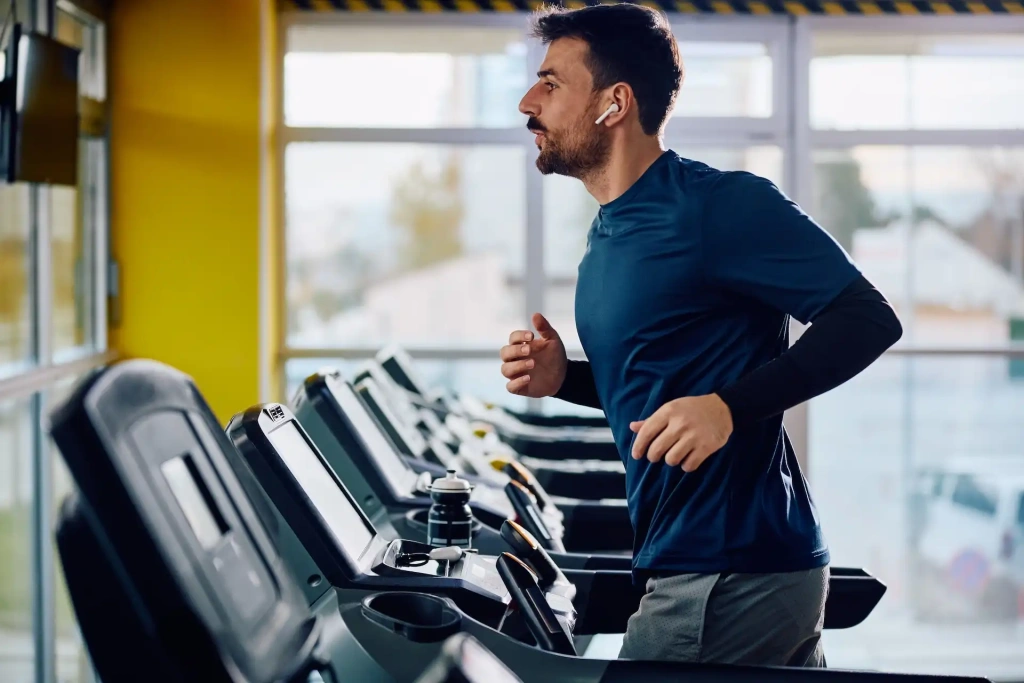
If you haven’t been physically active for a while, it’s best to start training 3–4 months before the expedition, at least 3–4 times per week. The main goal is to prepare your joints, ligaments, muscles, and cardiovascular system for increased strain, specifically, long hours of hiking over varied terrain with elevation gain over multiple days.
Good physical fitness significantly reduces the risk of common problems during ascent and descent, such as knee pain, sprains, strains, and overall fatigue. As a baseline, you should be able to comfortably run about 5 km (3.1 miles) or walk 10–15 km (6–9 miles) without stopping.
Training program before the climb
Aerobic training (cardio). Running, cycling, swimming, or using an elliptical trainer all help strengthen the cardiovascular system, lungs, leg and core muscles, coordination, and overall endurance. Avoid overtraining. Start small and increase gradually. For example, begin with 20 minutes 3–4 times per week, and increase to 30–60 minutes as your body adapts.
Strength training. Do this at least twice a week: squats, lunges, leg presses, and weighted calf raises. Muscle fatigue in the legs is a common cause of pain and minor injuries. Also include exercises for the back and arms, as they are actively engaged during long hikes with a backpack and trekking poles.
Warm-ups and cool-downs. Do not skip them. Walking on a slight incline, cycling, and stretching are all effective. This reduces the risk of strains and muscle tears. During preparation, such injuries can mean weeks of forced rest; on Kilimanjaro, they can lead to an early descent.
Choosing Quality Equipment
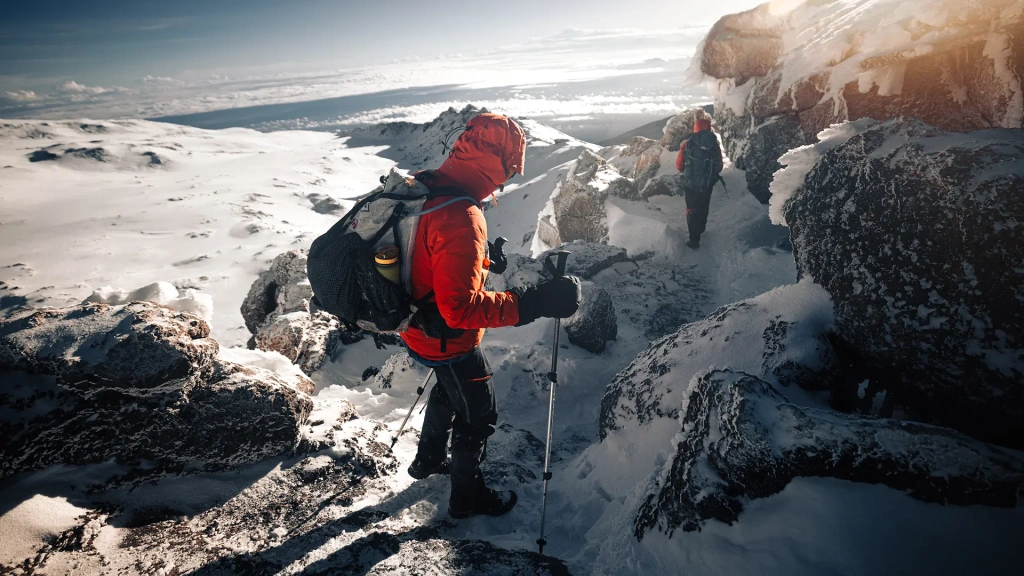
The list of required gear for Kilimanjaro is extensive, from thermal layers and jackets to duffel bags, sleeping bags, and headlamps. Every item contributes to comfort and safety. However, when it comes specifically to injury prevention, two items are especially important: trekking boots and trekking poles.
Trekking boots
Poorly chosen footwear can lead to discomfort, pain, blisters, cold injuries, ankle twists, and, in the worst cases, an early descent. Here’s what to consider:
Ankle support. Boots should cover the ankle to stabilize it and reduce the risk of sprains on uneven terrain.
Water protection. A Gore-Tex membrane or similar waterproof material is essential. The weather on Kilimanjaro is unpredictable. Rain is possible even in the dry season, and upper slopes are often cold and damp. Also, use proper trekking socks, which are durable and wick moisture effectively.
Fit and comfort. Your toes should not touch the front of the boot, especially during descents. To check fit: put on the boots, leave them unlaced, slide your foot forward until your toes touch the front, then ensure there is about one finger’s width between your heel and the back. New boots must be properly broken in, ideally on a hike, or at least during long walks. Otherwise, blisters in the first days are almost guaranteed.
In addition to boots, we recommend bringing hiking shoes. They are lighter and more comfortable, suitable for the first days of the climb, and useful in high camps to give your feet a rest.
Trekking poles
Poles create two additional points of support, improve balance, and transfer some load from your legs and joints to your arms and shoulders. They are especially useful on slippery, rocky, or loose terrain, as well as during summit night and descent. Here’s what to look for:
Material. Poles are made from aluminum or carbon fiber. Aluminum is cheaper and more durable – it bends rather than breaks. Carbon is lighter and better at absorbing impact vibrations.
Handles. Made from plastic, rubber, cork, or EVA foam. Plastic is the least comfortable – slippery and prone to causing blisters. Rubber is softer and retains heat, but it can rub the skin. Cork and EVA are the best choices: they're more comfortable and wick moisture from sweaty hands.
Construction. Choose telescopic or foldable poles with adjustable length. They can be shortened for ascents and lengthened for descents. Some models include internal shock absorption, which reduces impact and vibration – useful on long hikes, especially if you experience wrist or elbow discomfort.
5 Rules to Avoid Injuries and Health Problems on Kilimanjaro
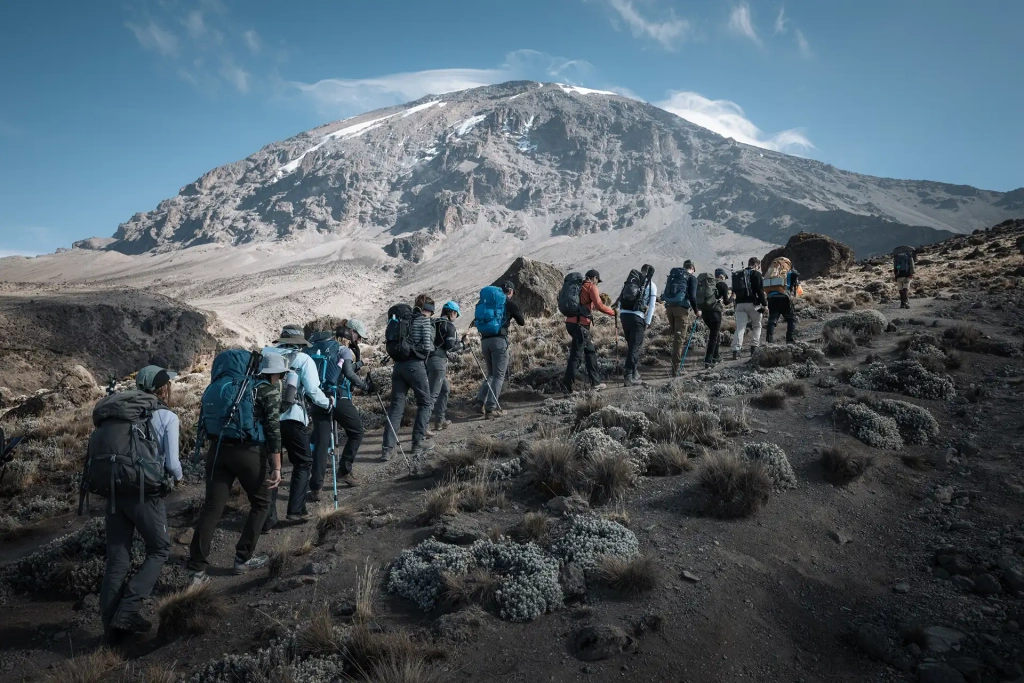
Climb slowly. On Kilimanjaro, most risks are related to altitude and altitude sickness. From the very first day, you will hear guides repeat “pole-pole,” which means “slowly, don’t rush” in Swahili. This is the golden rule. The slower your pace, the better your acclimatization and your chances of success. Moving carefully also reduces the risk of injury on rocky or slippery terrain, especially during descent.
Drink plenty of water. Your body loses fluids much faster at altitude than at sea level. Blood becomes thicker, circulation worsens, the heart works harder, and fatigue sets in faster. Dehydration can also cause headaches, weakness, and reduced concentration. Drink at least 3–4 liters (0.8–1.1 gallons) of water per day, even if you’re not thirsty. It’s best to drink small amounts frequently.
Eat regularly, even if you don’t feel like it. Appetite often decreases at altitude, which is normal. However, your body is using up to twice as much energy as usual. Expedition meals typically include three hot meals per day plus snacks during hikes. Do not skip meals, even if you don’t feel hungry.
Do not ignore symptoms of altitude sickness. Mild headaches, fatigue, poor sleep, and slight shortness of breath are normal during acclimatization. Still, report even minor symptoms to your guide. They can only assess risks and take action if they know your condition. Altitude sickness becomes dangerous when symptoms are ignored. It can progress into severe forms such as pulmonary or cerebral edema.
Listen to your guide. One of the key benefits of guided Kilimanjaro hikes is having a professional responsible for your safety and comfort. The guide coordinates the team, conducts daily health checks, and monitors each participant. If needed, they will adjust the pace, assist with acclimatization, or make decisions about descent or evacuation.
All content on Altezza Travel is created with expert insights and thorough research, in line with our Editorial Policy.

Want to know more about Tanzania adventures?
Get in touch with our team! We've explored all the top destinations across Tanzania. Our Kilimanjaro-based adventure consultants are ready to share tips and help you plan your unforgettable journey.