





 52 reasons
  Free PDF


 Message us on WhatsApp
  Book a Free Call

 About Tanzania
Free elections, a fair judicial system, low poverty and corruption, foreign investment, large-scale artificial intelligence projects: this is the reality many African countries live in today. We reviewed major international indices and reports, and compiled a top 7 list of Africa’s most developed and stable countries.
How we compiled the ranking
We used 8 international indices. In each, we selected the top 7–10 countries on the continent. The states mentioned most frequently across these sources made the final list. While preparing this article, we relied on the following analytical reports:
Human Development Index (HDI). A composite measure of development that accounts for life expectancy, access to education, and GDP per capita.
Global Peace Index (GPI). Reviews more than 20 indicators, from crime levels to political stability and militarization. Measures how safe it is to live and do business in a country.
Fragile States Index (FSI). Assesses a country’s vulnerability to conflict and crisis. Considers pressure from security institutions and elite cohesion, economic development and brain drain, demographics, government legitimacy, human rights, and more.
Chandler Good Government Index (CGGI). Evaluates a government’s ability to solve citizens’ problems using around 50 indicators. These include long-term financial planning, attracting and retaining talent in the public sector, ethics and corruption levels, judicial independence and quality, and others.
Legatum Prosperity Index. A broad assessment of social well-being that accounts for the economy, entrepreneurship, health, education, safety, rights, and environmental quality. Focuses on conditions for a good life and successful business.
Global Investment Risk and Resilience Index. Assesses a country’s attractiveness for investment by balancing risk with the ability to recover. Its 13 indicators include geopolitics, the economy (inflation, volatility, climate factors), innovation, governance, infrastructure, social policy, and others.
Freedom in the World. An annual analytical report produced by the American independent non-profit Freedom House, founded in 1941. Evaluates political rights and civil liberties using 25 indicators, including the conduct of elections, freedom of expression, and the rule of law.
Travel and Tourism Development Index (TTDI – WEF). Assesses conditions for developing a country’s tourism sector, including safety, transport and service infrastructure, natural and cultural resources, and government policy in the industry. Published under the auspices of the World Economic Forum.
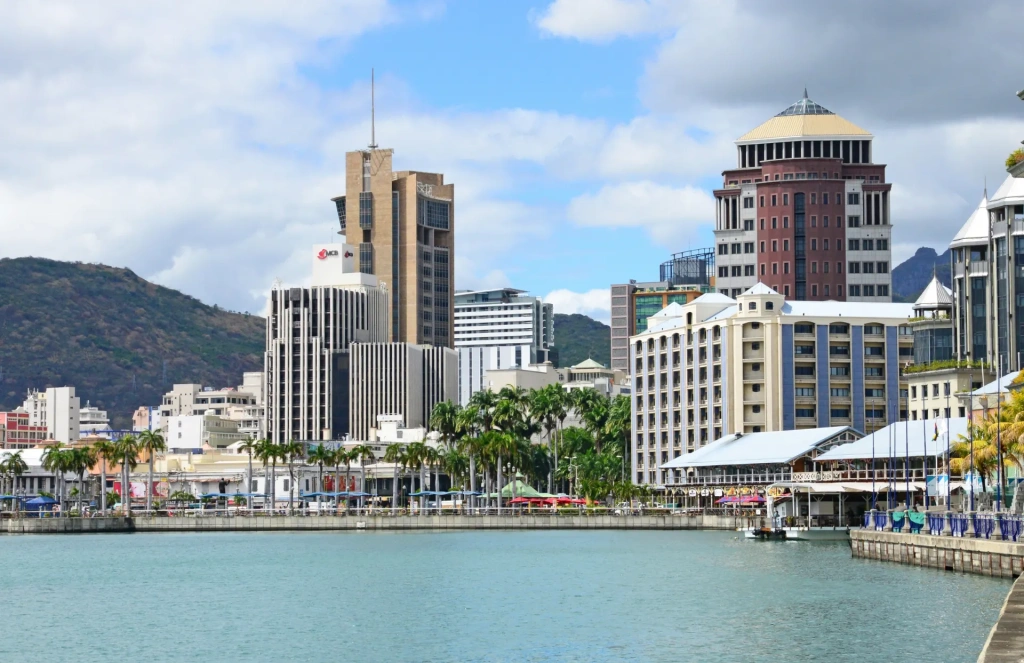
Republic of Mauritius
- Population: 1.3 million
- Capital: Port Louis
Mauritius is a small island nation east of Madagascar, often called “the African Singapore.” It is a rare example in Africa where political, financial, and social stability is a reality, not a distant goal.
In the Global Investment Risk and Resilience Index, Mauritius ranks 61st in the world, ahead of every African country, as well as Greece, Moldova, Turkey, Brazil, India, and many others. In the Global Peace Index, it ranks 26th and ahead of Qatar, the United Kingdom, Norway, Italy, Sweden, the UAE, China, and the United States.
On rights and freedoms, Mauritius is rated in the “green zone” alongside Austria, Belgium, the Czech Republic, France, and other democratic countries. It also performs strongly in the Legatum Prosperity Index and the Fragile States Index. And the government does not plan to stop there: in 2026, the national budget will continue to focus on an innovation-driven economy, with an emphasis on AI projects and the opening of international research centers.
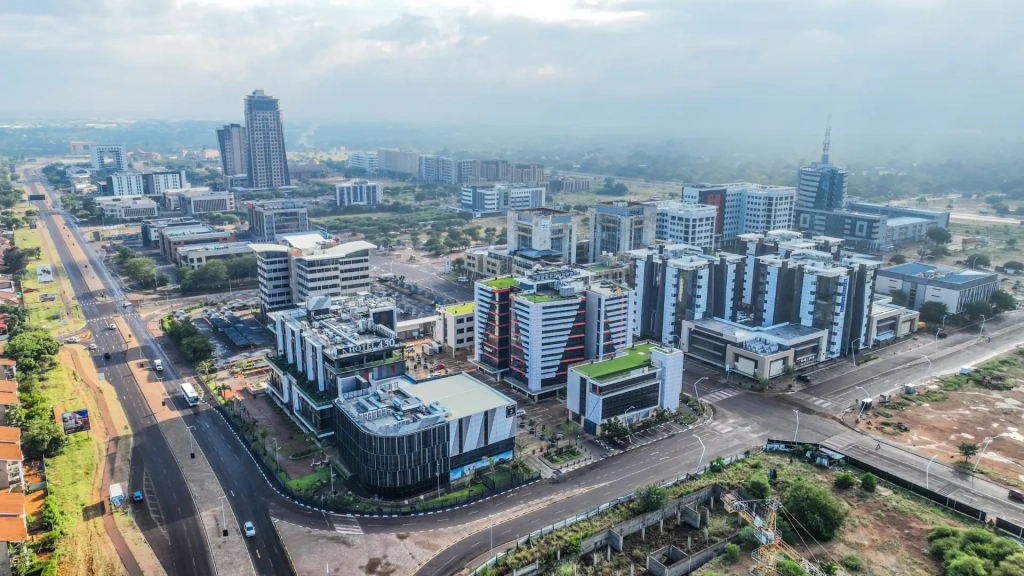
Republic of Botswana
- Population: 2.6 million
- Capital: Gaborone
Botswana is an independent state in southern Africa and appears in nearly every ranking of the continent’s most stable and developed countries. It has a low level of financial risk (28.46 points out of 100) and high resilience (52.30), which helps attract foreign investment. In the Global Peace Index, Botswana ranks 43rd and is among the top three on the continent, behind only Mauritius and Namibia.
In recent years, Botswana has drawn attention for its judicial system. Thanks to the digitalization of court procedures, the quality of justice has improved significantly. Reforms made the courts more transparent and reduced case processing times.
At the same time, there is room to grow. In the Travel and Tourism Development Index, Botswana ranks 75th out of 119. It outperforms most African countries, including Kenya, but lags well behind Europe as well as North and South America. A similar pattern appears in the Prosperity Index, where it ranks 83rd out of 167. The country shows strong performance in governance and the protection of personal freedoms, but weaker results in nature conservation, reducing inequality, and developing tourism infrastructure.
Still, Botswana has one of the lowest fragility levels on the continent. Political stability, democracy, income growth, moderate inflation, and a favorable investment climate remain in place. Looking ahead, it is also worth noting the creation of a sovereign wealth fund in 2025. Its goal is to transform natural resource wealth into long-term financial assets that benefit not only current but also future generations, said Botswana’s vice president and minister of finance, Ndaba Gaolathe.
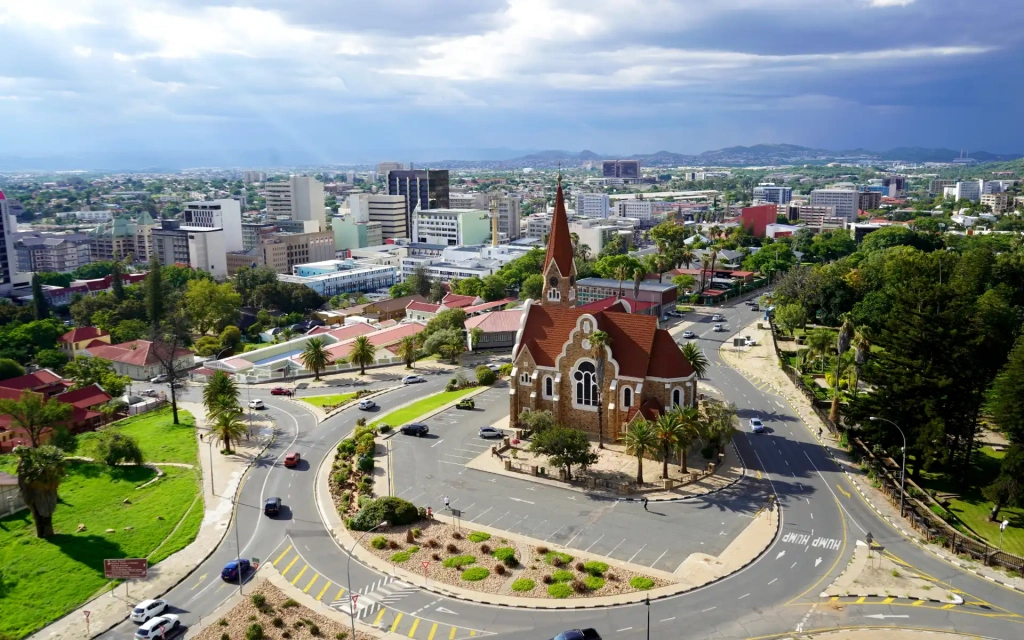
Republic of Namibia
- Population: 2.8 million
- Capital: Windhoek
The Republic of Namibia is on the west coast of southern Africa and has access to the Atlantic Ocean. It is among the continent’s safest countries and aims to be a regional leader.
In the Global Peace Index, the country ranks 50th out of 163, ahead of the UAE, France, China, and the United States. Freedom House classifies Namibia as a free country alongside Austria, Belgium, the Czech Republic, Ireland, Japan, the United Kingdom, and the United States. In the fragility ranking, the republic is classified in the “stable” group, along with Romania, Israel, Cyprus, and Greece. Combined with low corruption, this helps attract foreign investment and develop the economy and the tourism sector.
In the UN Human Development Index, Namibia is ranked 136th out of 193, in the medium category. It is ahead of the overwhelming majority of African states, but inequality in life expectancy, education, and income slows further progress. Other weak points include relatively high poverty and the economy’s dependence on mineral extraction. Even so, this southern African country already offers an attractive environment for living, doing business, and traveling.
Republic of South Africa
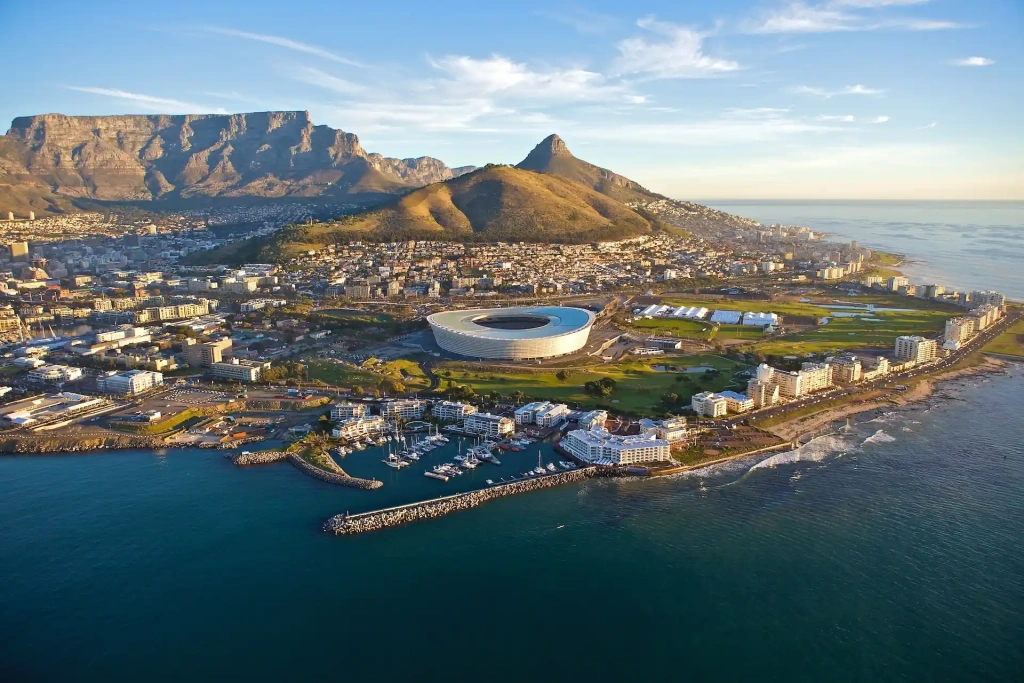
- Population: 62.8 million
- Capital: Pretoria (administrative) / Cape Town (legislative) / Bloemfontein (judicial)
South Africa is one of the continent’s most contradictory countries: it appears both on lists of the richest and the most dangerous African states. It leads the continent by GDP, at $403 billion. It ranks 77th in the Chandler Good Government Index, placing in the global top 50 in the categories “Reliability of laws and policies” and “Attractiveness of markets.”
South Africa also remains one of the continent’s tourism leaders. On this measure, it ranks 55th globally and outperforms Mauritius, Vietnam, Latvia, Oman, Serbia, Kenya, Moldova, Bosnia and Herzegovina, and other countries, owing to its developed infrastructure and natural and cultural richness.
However, these achievements come with challenges. In the Global Peace Index, South Africa ranks 124th due to high levels of violent crime and social inequality. It is often described as one of the most dangerous countries in the world. In addition, in the Chandler index, which reflects a government’s ability to solve citizens’ problems, the republic ranks 99th for “financial management” and 113th for “supporting improvements in quality of life.” All this points to the need for further reforms aimed at reducing crime, poverty, and the income gap.
Seychelles
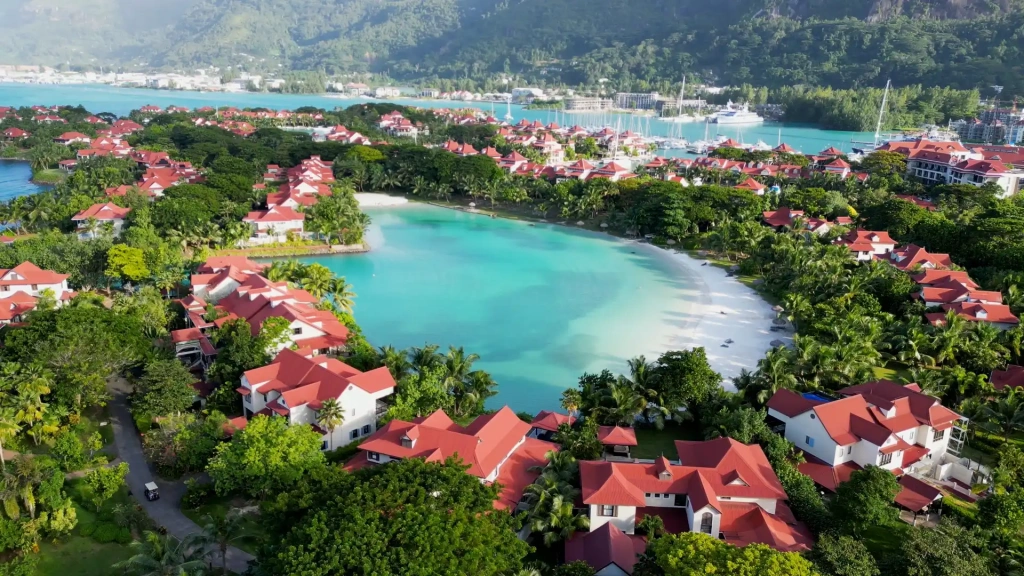
- Population: 102,000
- Capital: Victoria
The Seychelles is a small archipelago in the Indian Ocean. In the Global Investment Risk and Resilience Index, it ranks 79th in the world, ahead of much larger South Africa, India, Brazil, Morocco, and Egypt. Analysts rate investment risk as moderate (31.6 points out of 100) and resilience as high (48.8). This allows the islands to sustain an economy largely based on tourism and fishing.
Freedom House gave the Seychelles 80 points out of 100 and the status of “free country,” reflecting strong democratic institutions and an independent judiciary. In the Prosperity Index, it ranks 51st out of 167, above China (54), Argentina (58), Turkey (95), and India (103). An even more impressive result appears in the Human Development Index, where it ranks 54th out of 193. By this measure, the islands are far closer to global leaders such as Iceland, Switzerland, Germany, Austria, and the Netherlands than to nearby geographic neighbors: Indonesia (113), Sri Lanka (89), India (130), Somalia (192), or Kenya (143).
Recent United Nations Development Programme reports indicate that only 0.9% of Seychelles' citizens live in . In other words, the vast majority have access to education, healthcare, and a decent standard of living. A small population certainly matters, but even accounting for that, this is one of the best results in the world.
Despite overall prosperity, the backbone of the Seychelles economy is tourism and fishing. This makes it vulnerable to global crises such as the COVID-19 pandemic or climate change. In January 2026, the country’s president, Patrick Herminie, spoke at the international Blue Forum in Abu Dhabi, calling on the world to invest in sustainable ocean systems, in other words, to jointly care for the health of the ocean. For example, he noted that the Seychelles has designated 30% of its ocean territory as a protected area to conserve marine biodiversity, regulate fishing, and safeguard coastal zones.
The country is seeking to turn vulnerability into an advantage, positioning itself as a leader in the “blue economy” and the climate agenda, thereby attracting international partners and investors.
Morocco
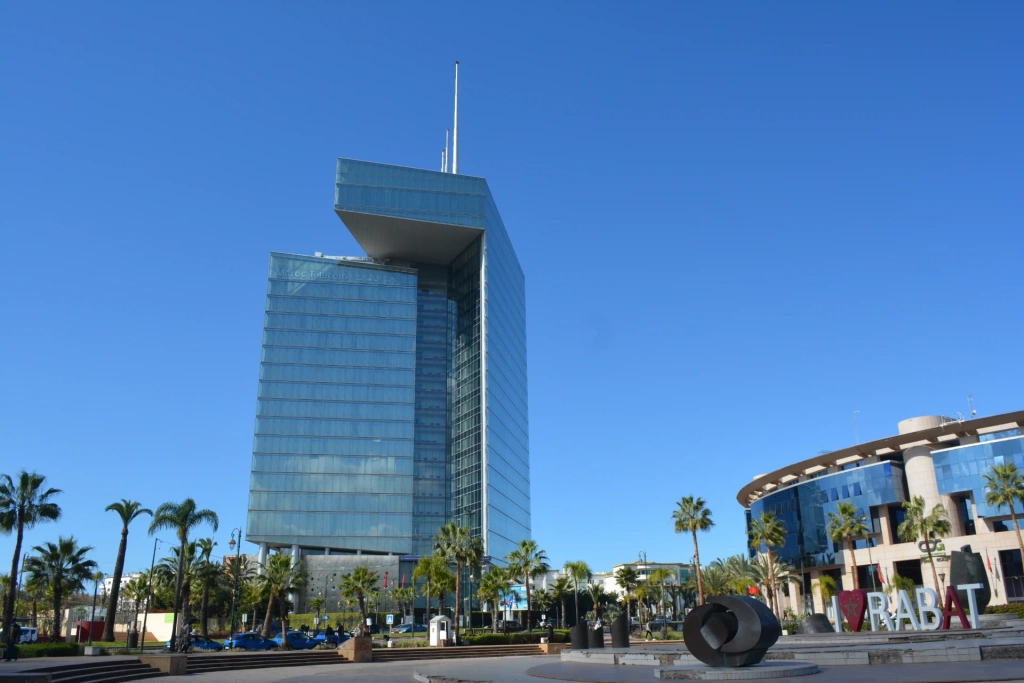
- Population: 39.7 million
- Capital: Rabat
Morocco is among the leading countries in North Africa. While attracting travelers with its ancient culture, Morocco is actively investing in its future: modernizing infrastructure (including transport), building solar power stations, and succeeding in the digital services market. In the governance index, it ranks 75th, ahead of the overwhelming majority of African countries. This is largely due to increased transparency in government work and the implementation of the program.
The country’s economy is built on tourism, industry, and exports. Access to both the Mediterranean Sea and the Atlantic Ocean supports port infrastructure and, consequently, international trade. This helps Morocco perform well in the resilience index: it ranks ahead of much larger Brazil, India, and Turkey, and trails Moldova by only a few points. Safety is also solid. Analysts rate its peace level as medium, comparable to Serbia, Moldova, Tanzania, France, and China.
At the same time, despite a high Human Development Index, Morocco ranks only 120th on the UN list and is classified as a “developing region.” One reason is high inequality. Despite economic development and successful healthcare research (treatments for cardiovascular disease, diabetes, and cancer), multidimensional poverty still affects 6.4% of the population.
Republic of Ghana
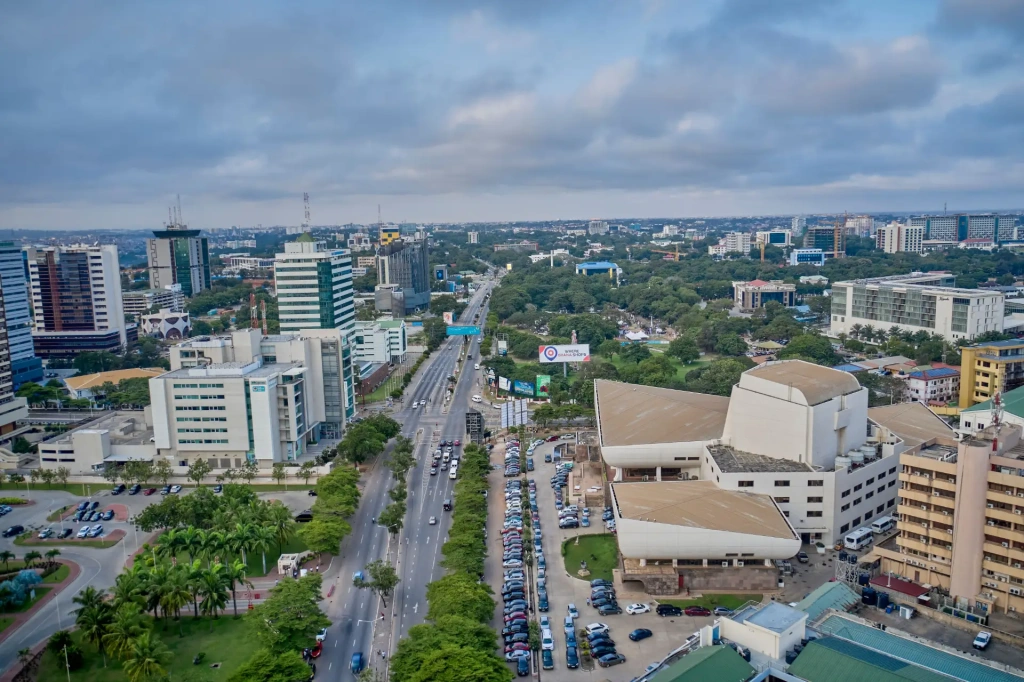
- Population: 35.3 million
- Capital: Accra
Ghana is another African success story, this time with a strong focus on democracy. Since the adoption of its constitution in 1992, the country has not experienced coups, and transfers of power have happened exclusively through elections. In the Global Peace Index, Ghana ranks 61st, ahead of Moldova, Cyprus, France, China, and more than a hundred other countries. This makes it one of the safest countries in Africa and in the world overall.
The strength of democratic institutions is also reflected in Freedom House ratings: Ghana is rated a “free country” alongside the United Kingdom, Germany, Sweden, Norway, the United States, and others. Ghana is also considered a leading West African country in tourism development, and its economy has grown by about 5% per year on average.
However, the country faces serious challenges that prevent it from ranking highly in financial and social indices. For example, in the Global Investment Risk and Resilience Index, Ghana ranks 140th out of 150, and in the Human Development Index, it ranks 143rd out of 193. Ghana has a high level of inequality, and multidimensional poverty affects almost 25% of the population.
Most promising countries in Africa
The seven countries above are clear leaders across key indicators. However, the continent also includes states that are not yet in the top tier but can already point to economic growth, high levels of safety, and a growing tourism industry.
Egypt
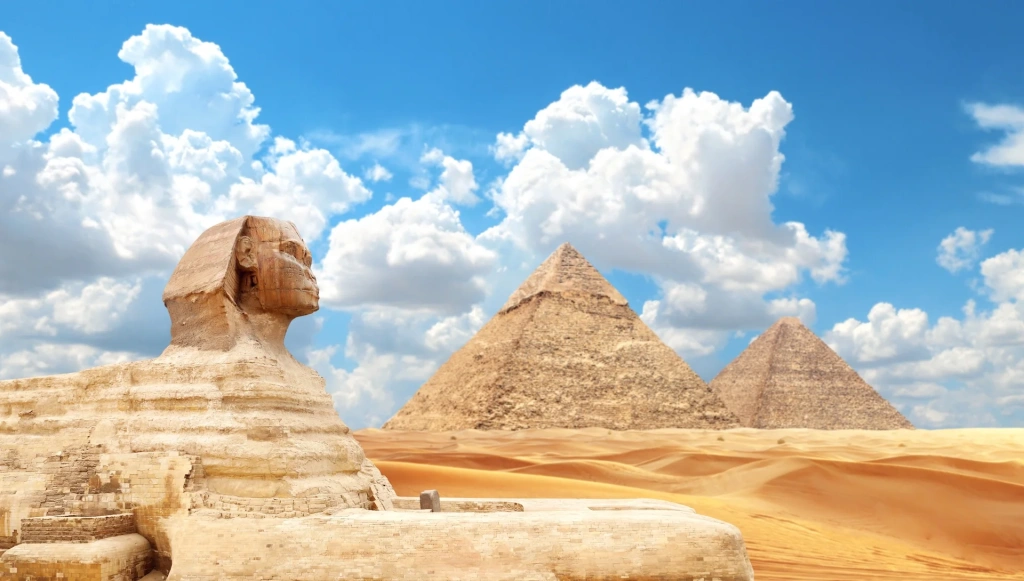
Egypt is one of Africa’s largest tourism markets, accounting for more than 8% of the country’s GDP. Beyond resorts, medical tourism is also growing, as services in local clinics cost less than in European countries. The size of this market is already approaching $15 billion and continues to grow.
The country remains safe for travel and is also investing in a new administrative capital (NAC). It will host government institutions, embassies, museums, a new National Library building, and housing. In the future, the city could accommodate approximately 6.5 million residents, and the project is estimated to cost $58 billion.
Rwanda
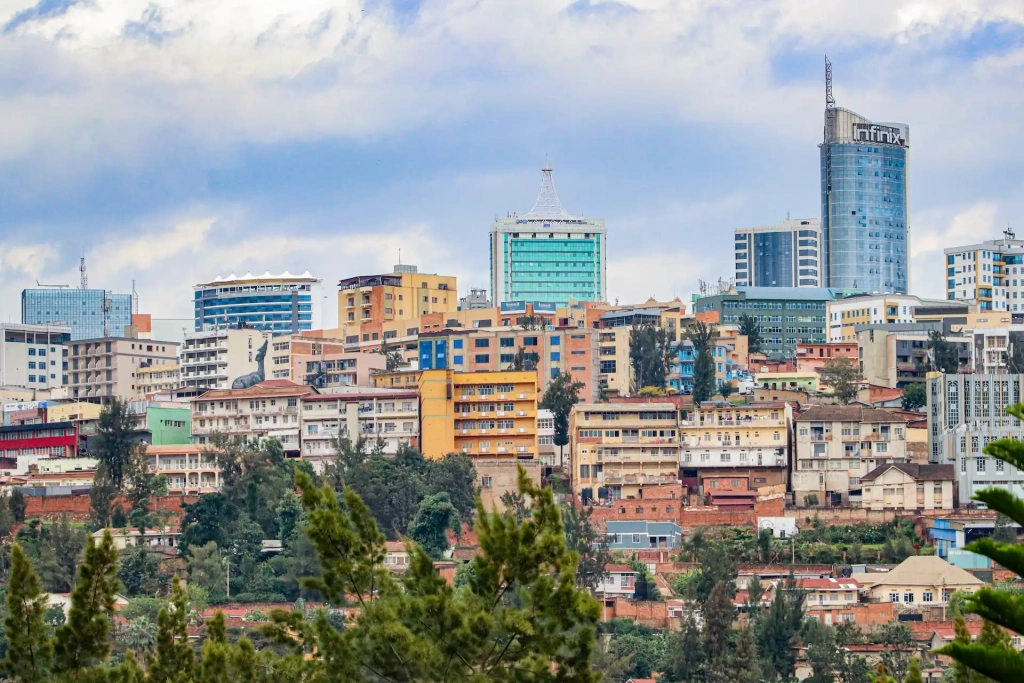
A regular on lists of Africa’s fastest-growing economies, with GDP growth of 8–9% per year. For now, the main drivers are agriculture, services, and industry, but tourism also makes a noticeable contribution: in 2024, revenue from the sector reached $1.3 billion, exceeding pre-COVID levels.
Rwanda is known for strong safety and major infrastructure investment, including a new international airport expected to handle 7–14 million passengers per year. The opening is planned for 2027–2028.
Kenya
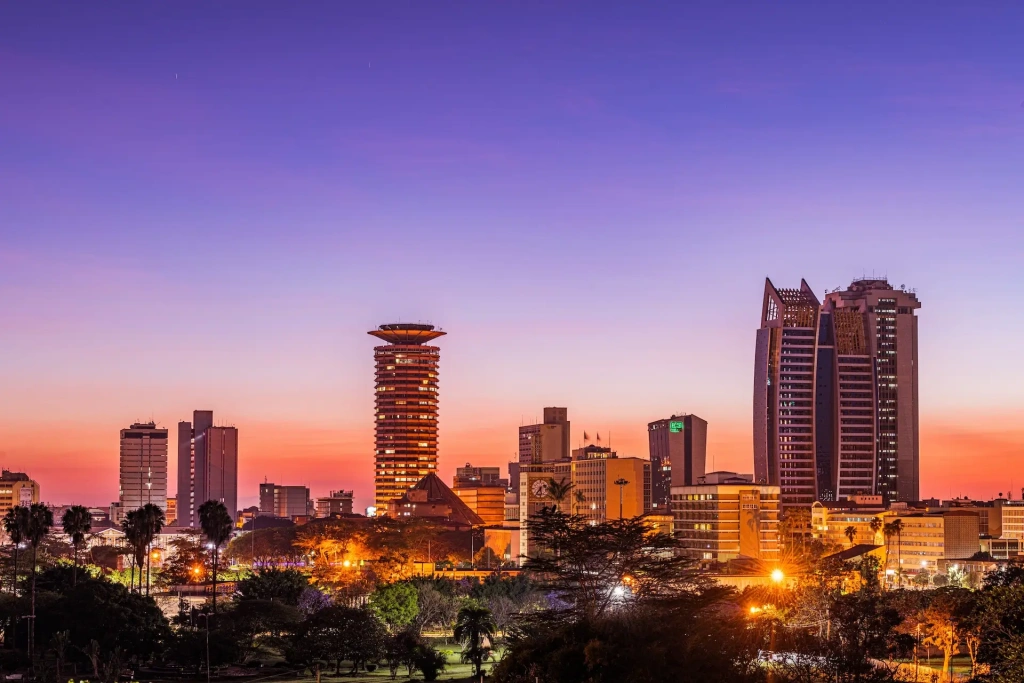
One of Africa’s key economies with a rapidly growing tourism sector. By the end of 2025, revenues could reach a record $9.3 billion. More than 60% of GDP is expected to come from services.
At the same time, Kenya is investing in renewable energy, rolling out AI solutions in agriculture, and expanding IT. By 2028, the Global System for Mobile Communications Association forecasts that the digital economy will contribute more than $5.13 billion to the public budget.
Uganda
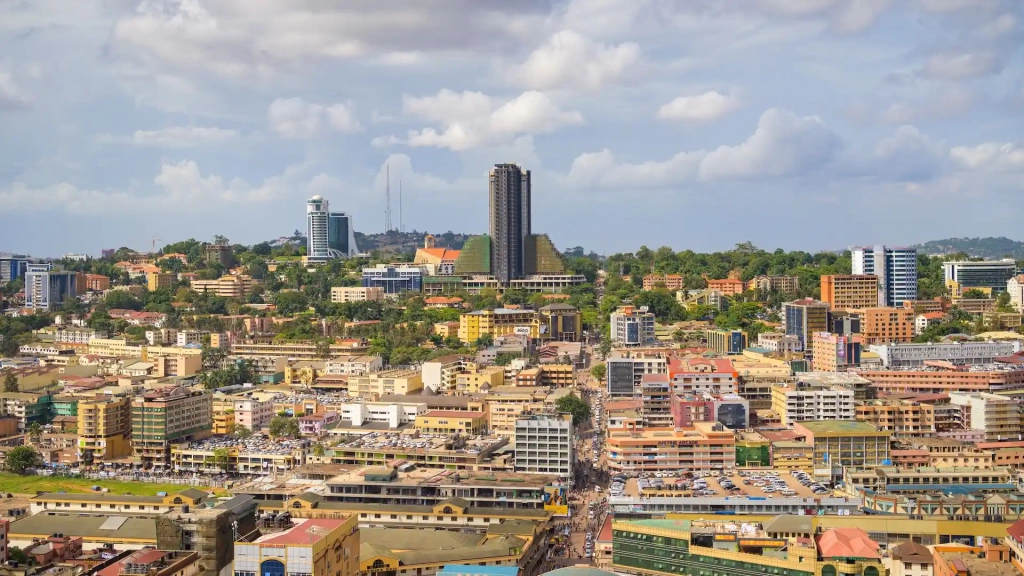
The country has shown steady economic growth for many years. In the 2024–2025 financial year, GDP exceeded $61 billion, more than triple the level 15 years ago. This has also affected poverty: today it is around 16%, compared with 24.5% in 2010–2011. Uganda is also a promising destination for tourism investment. In particular, the UAE-based Haliburg Group intends to invest $122 million in hotel projects.
At the same time, the country is developing its tech sector. According to the innovation fund Making Uganda the Best, more than $800 million has already been attracted into science and technology, and near-term revenues could reach $335.9 million. In terms of safety, Uganda ranks ahead of France, Brazil, and Argentina.
Tanzania
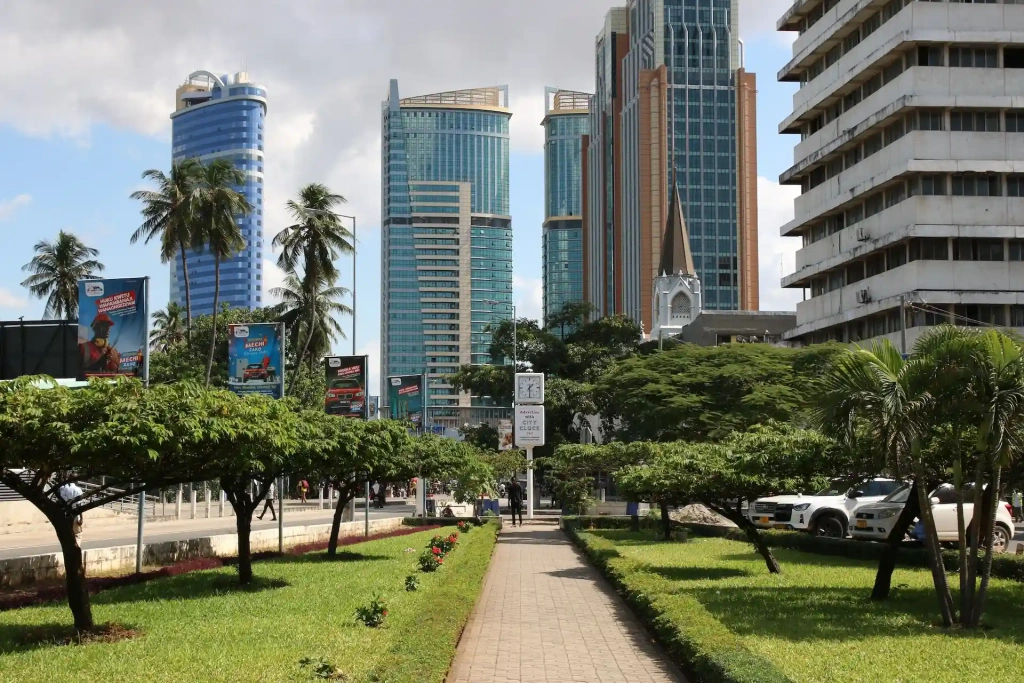
Each year, the country attracts millions of tourists from around the world thanks to its national parks known for outstanding safaris, the continent’s highest mountain, Mount Kilimanjaro (5,895 meters, 19,341 ft), and the beaches of Zanzibar. In the Global Peace Index, Tanzania trails Moldova, Cyprus, and Serbia only slightly, and ranks ahead of France, China, the United States, and many other developed countries.
Tanzania is investing in infrastructure, including road and rail construction and seaports. In 2025, a new hydroelectric power plant with a capacity of 2,115 MW was commissioned, shifting the country from an electricity deficit to a surplus and reducing electricity costs. Along with many other major projects, this is turning Tanzania into a major tourism and economic hub in East Africa.
Frequently asked questions
Mauritius ranks first among African countries in the Global Investment Risk and Resilience Index. The country ranks 61st out of 150 countries, ahead of Greece, Moldova, India, and many others. Tanzania and Botswana are also strong investment destinations. They follow Mauritius and are considered politically stable and safe for tourists and residents.
The most developed African countries are Mauritius, Botswana, Namibia, South Africa, the Seychelles, Morocco, and Ghana. This list can also include Egypt, Rwanda, Kenya, Uganda, and Tanzania. All of these states have growing economies, well-developed tourism industries, and political stability.
According to the Global Peace Index, Mauritius is the leading African country. It ranks 26th globally, ahead of the United Kingdom, Norway, Italy, Sweden, the United States, and many others. Ghana, Zambia, Namibia, Morocco, Tunisia, Egypt, and Tanzania are also considered safe for travel and living.
All content on Altezza Travel is created with expert insights and thorough research, in line with our Editorial Policy.

Want to know more about Tanzania adventures?
Get in touch with our team! We've explored all the top destinations across Tanzania. Our Kilimanjaro-based adventure consultants are ready to share tips and help you plan your unforgettable journey.