





 52 reasons
  Free PDF


 Message us on WhatsApp
  Book a Free Call

 Safari
 Some animals impress not only with their unusual appearance or behavior, but also with their record-breaking size. From the tallest and heaviest land dwellers to the giants of the ocean depths, discover all the details in this article.
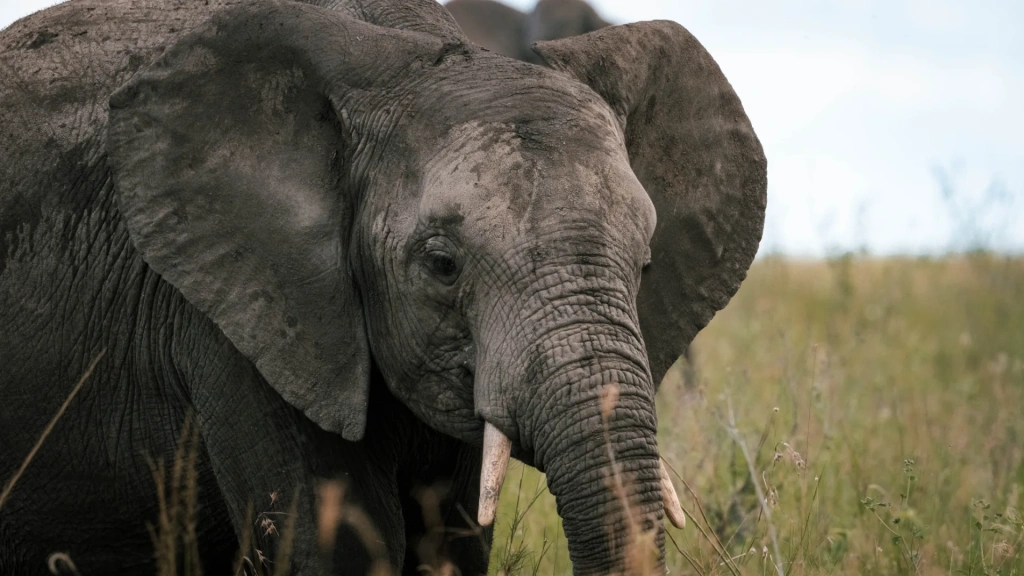
Although dinosaurs vanished millions of years ago, true giants still roam the Earth. Consider this: the tongue of a blue whale weighs about as much as a fully grown elephant, yet this ocean colossus survives on krill scarcely larger than a grain of rice.
A giraffe can tower nearly as high as a two-story house, its long neck rising above the savannah treetops. And then there’s the green anaconda, a reptile so massive that it outweighs the largest bird on Earth, the ostrich.
Curious to meet the planet’s modern-day titans? Discover the Top 9 largest animals in the world in our latest article.
The Largest Animals on Land
1. The tallest animal – giraffe
- Average weight: males 1,100–1,900 kg (2,425–4,190 lb); females 700–1,180 kg (1,540–2,600 lb)
- Average height: males 5–5.5 meters (16.4–18 ft); females 4.3–5.3 meters (14–17.4 ft)
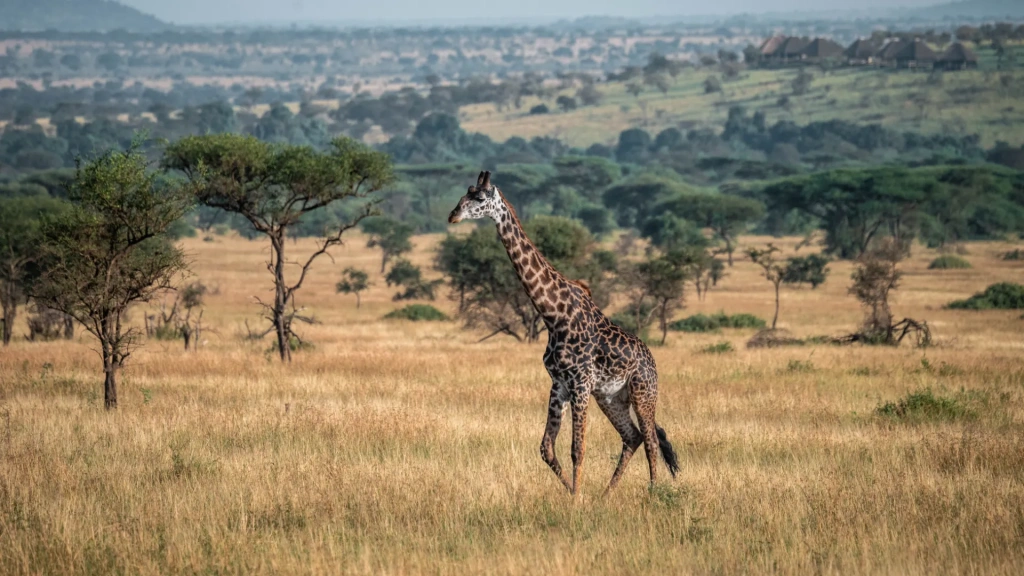
Giraffes are the tallest land mammals on the planet. Their nearly 2-meter (6.5-foot) legs and elongated necks allow them to feed on acacia leaves and other foliage that grow too high for most herbivores. Despite their height, drinking water is challenging. To bend down, they must spread their legs wide, which leaves them vulnerable to predators. An adult giraffe can consume up to 35–65 kg (77–143 lb) of leaves per day.
Despite their remarkably long necks, giraffes, like humans, have exactly seven cervical vertebrae. The difference lies not in the number but in their size and shape. Each vertebra can reach up to 40 cm (16 in) in length.
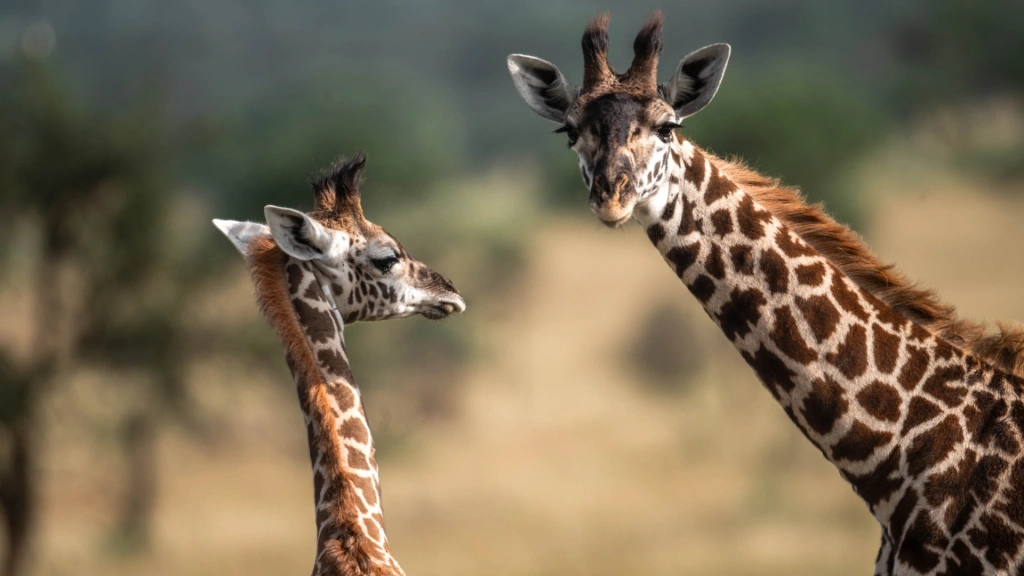
Giraffes can reach speeds of up to 50–60 km/h (31–37 mph) and typically live 20–30 years. About 70% of the population lives outside protected areas, according to BBC Earth, citing a 2019 study published in Mammal Review.
To see this savanna giant, head out on safari in African national parks. Some of the best places to observe giraffes are Tanzania’s wildlife reserves, such as Serengeti National Park, Tarangire, or Mkomazi. There, the animals live in their natural habitat, and park authorities carefully monitor their populations. Giraffes, like many other local species, are accustomed to safari vehicles and visitors, so they do not panic or hide and often approach quite close to the road.
Before heading on safari in Tanzania, be sure to download and read our guide. We’ve compiled everything you might need to make your trip as comfortable and enjoyable as possible.


2. The heaviest animal – African elephant
- Average weight: males about 4,500–6,300 kg (9,900–13,900 lb); females 2,700–3,600 kg (5,950–7,940 lb)
- Shoulder height: males about 3–4 meters (9.8–13 ft); females 2.5–3 meters (8.2–9.8 ft)
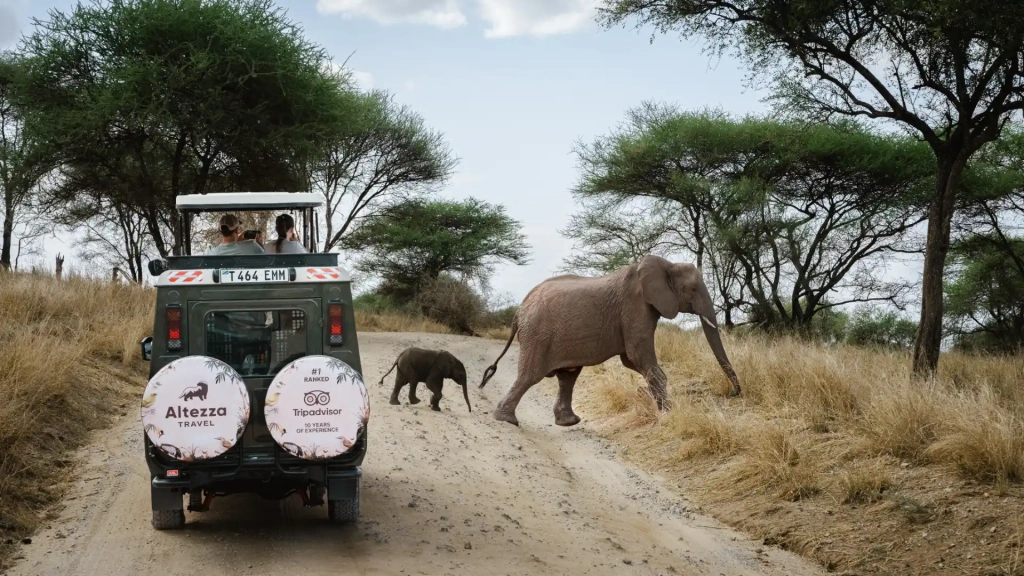
The African elephant is the heaviest land mammal. Its long trunk is not just a nose but a highly flexible organ containing tens of thousands of muscles, enabling it to breathe, smell, drink, grasp objects, and produce sounds.
For a long time, African elephants were considered a single species, distinguished only by habitat. However, genetic research has shown that they are two separate taxa that evolved independently over hundreds of thousands of years. The savanna elephant (Loxodonta africana) is the heaviest land animal on the planet and inhabits open landscapes south of the Sahara. The forest elephant (Loxodonta cyclotis) is noticeably smaller and more elusive, living mainly in the dense tropical forests of Central and West Africa. It also has straighter, thinner tusks and rounder ears.
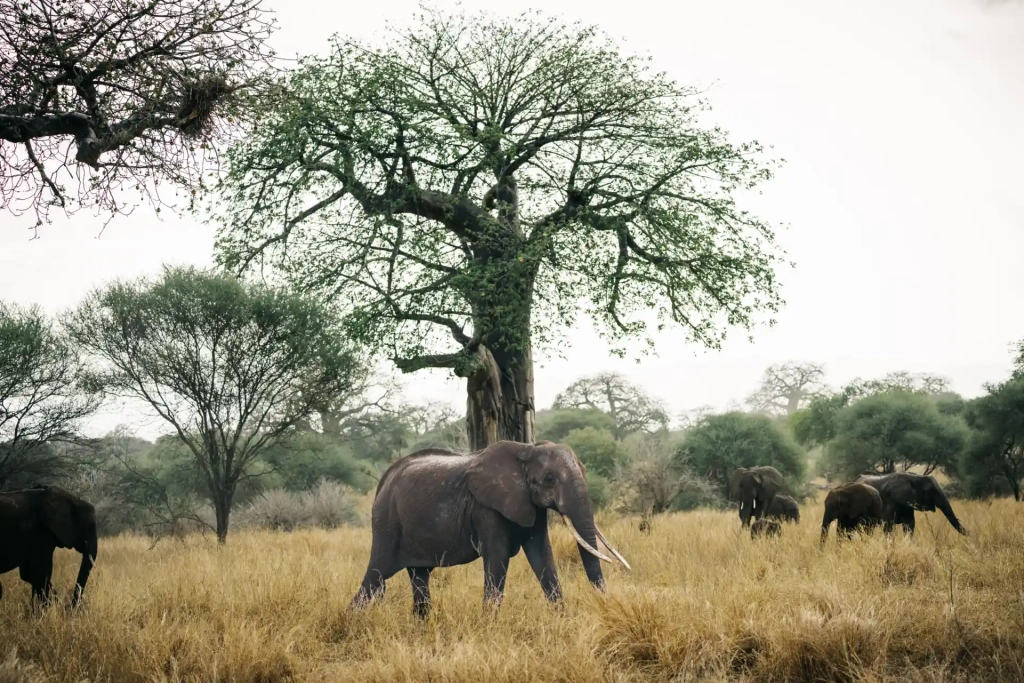
Elephants consume more than 100 kg (220 lb) of grass, leaves, fruit, and bark every day. Because of their enormous dietary needs, herds often travel long distances across the savanna in search of food and water.
One of the best places to see elephants in the wild is Tarangire National Park in Tanzania. Large elephant families gather here, often coming to drink at the Tarangire River. Visitors can witness fascinating scenes, from the tender care of calves to intense clashes between adult males.
3. The largest aquatic mammal in the world – the blue whale
- Average weight: 150–180 tons (165–198 US tons)
- Average length: 25–33 meters (82–108 ft)
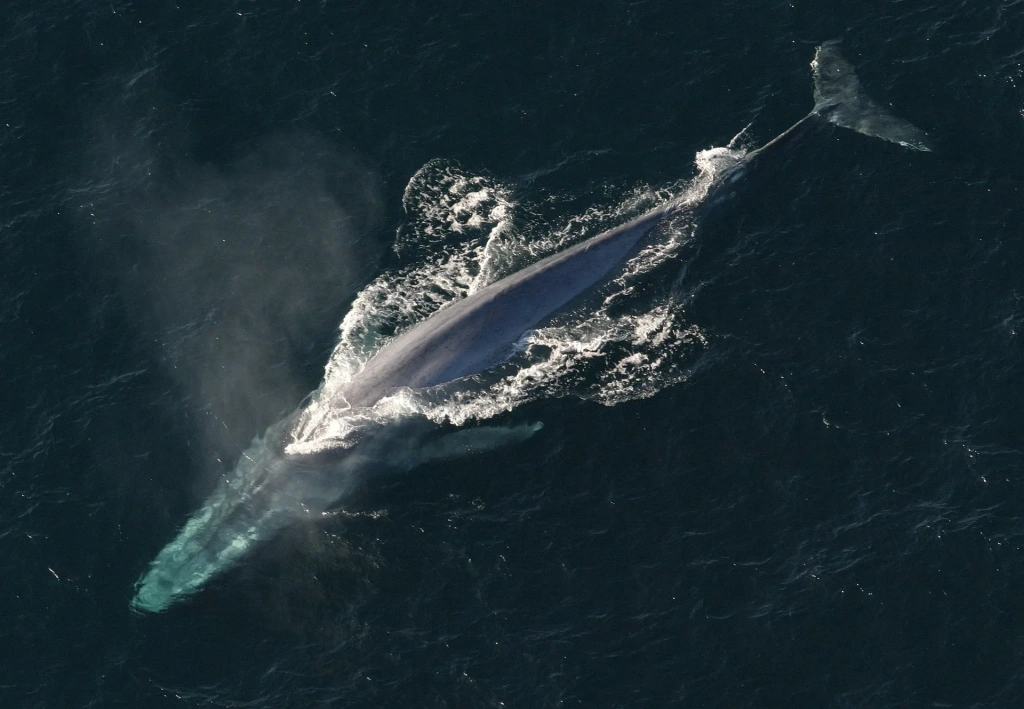
The blue whale is the largest animal in the world. It is so enormous that its length exceeds the height of many buildings. Its heart is roughly the size of a small car and can weigh hundreds of kilograms, while its tongue, weighing up to 4 tons (4.4 US tons), can be heavier than an adult African elephant.
In 2015, researchers anatomically reconstructed a blue whale’s heart for the first time, astonishing the global scientific community. Specialists at the Royal Ontario Museum in Toronto restored the massive organ from a carcass that had washed ashore in Newfoundland after the animal died in the icy waters of the North Atlantic. The heart weighed about 200 kg (440 lb), roughly the weight of a small piano. Even more remarkable, it belonged to a female measuring just 23 meters (75 ft) in length. In larger individuals, the heart may weigh nearly 600 kg (1,320 lb).
These cetaceans feed exclusively on krill. During feeding, a whale engulfs enormous volumes of water and prey, then filters it through powerful baleen plates hanging from the upper jaw.
Blue whales are migratory. They feed in krill-rich polar waters and then travel to tropical regions to breed. The low-frequency sounds they produce are among the loudest and most far-reaching in the animal kingdom, allowing communication across vast distances.
The largest insects in the world
4. The heaviest insect in the world – the goliath beetle
- Average weight: adult 30–50 g (1–1.8 oz); larvae before pupation up to 100 g (3.5 oz)
- Average length: 6–9 cm (2.4–3.5 in)
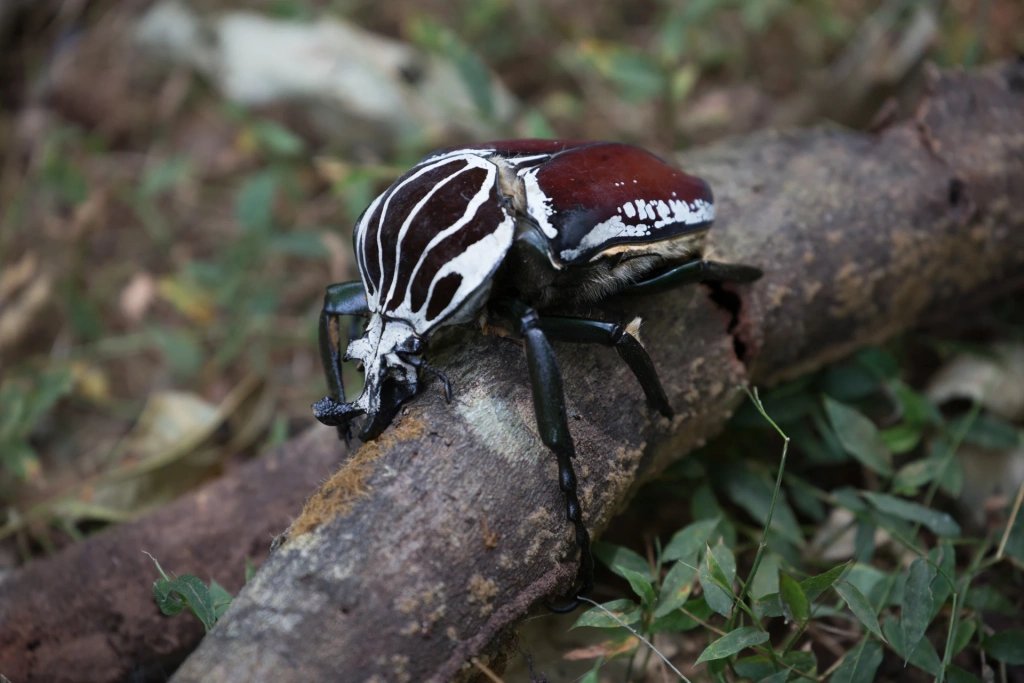
The Goliath beetle is considered the mass champion among insects, largely because of its larvae. Before pupation, they can weigh 70–100 g (2.5–3.5 oz), a figure unmatched by most other insects. Only the giant wētā (Deinacrida heteracantha) can rival such weight, with females occasionally reaching around 70 g (2.5 oz).
Adult Goliath beetles are significantly lighter, typically weighing 40–50 g (1.4–1.8 oz). At this stage, they are comparable in size to the Hercules beetle or the titan beetle (Titanus giganteus). According to Britannica, Goliath beetles can reach body lengths of up to 11 cm (4.3 in), sometimes slightly more.
They inhabit the tropical forests of West and Central Africa. Their life cycle is dominated by the larval stage, during which most of their growth occurs. The larvae require not only plant matter but also protein. In the wild, they develop in decaying wood, forest litter, and soil rich in fungi and organic material. Without such a high-calorie diet, they cannot reach record sizes.
5. The longest insect in the world – the giant stick insect
- Average weight: 30–40 g (1–1.4 oz)
- Average length: 50–55 cm (20–22 in) with legs extended
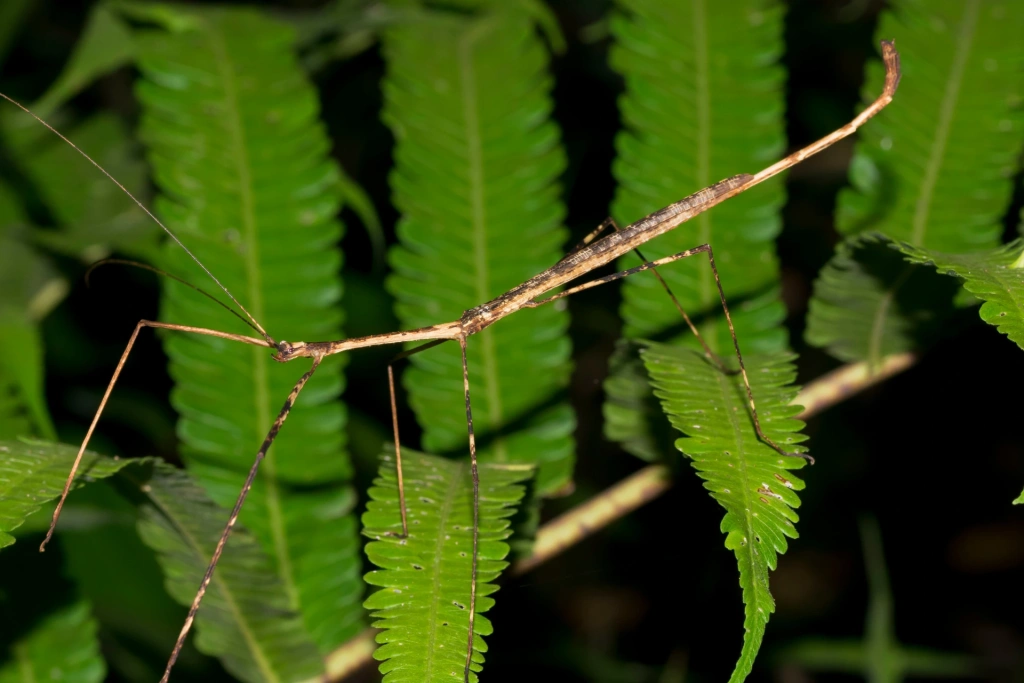
The length record belongs to the giant stick insect Phobaeticus chani, discovered in 2008 in the Malaysian part of Borneo. Including its outstretched legs, some individuals exceed 55 cm (22 in), while the body alone measures about 35 cm (14 in). It inhabits lowland tropical forests and remains in the understory, where dense vegetation and low light provide ideal camouflage.
In addition to its remarkable length, this insect lays unusual eggs. Each egg has delicate wing-like structures on the sides, resembling the Golden Snitch from Harry Potter. When the female drops them, the wind catches them and carries them gently downward.
During the day, the stick insect remains almost motionless and is nearly indistinguishable from a dry twig. Its coloration mimics bark and leaves. It feeds mainly at night, consuming the leaves of shrubs and trees. This strategy reduces the risk of predation by birds and lizards, for whom movement is the primary signal of prey.
Stick insects lack venom or aggressive defenses, so evolution has relied on camouflage. Even at close range, a person may not notice the insect until it begins to move.
6. The largest snake in the world - green anaconda
- Average weight: 50–100 kg (110–220 lb); large females can be much heavier
- Average length: 5–6 meters (16–20 ft)
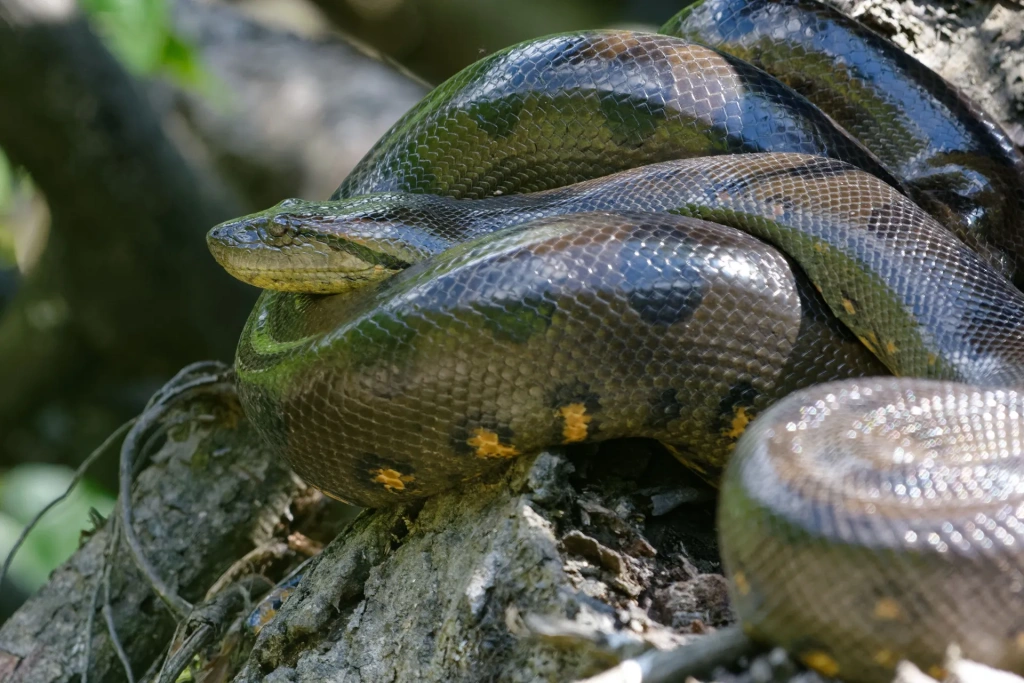
The green anaconda is considered the heaviest and one of the longest snakes on Earth. This semi-aquatic boa leads a secretive life in rivers and swamps of tropical forests in northern and central South America, including the Amazon and Orinoco basins. When both length and mass are considered together, the green anaconda remains the record holder among snakes, primarily because of its exceptionally massive body. Like other boas, it is nonvenomous and kills its prey by constriction.
Adults usually reach lengths of up to 6–7 meters (20–23 ft), although unconfirmed reports suggest even greater sizes. The largest well-documented specimen as of 2024 measured just over 6 meters (20 ft) and weighed an astonishing 200 kg (440 lb). Such impressive dimensions allow these snakes to prey on animals much larger than themselves, including large rodents, birds, reptiles, aquatic mammals, and even hoofed animals.
7. The largest bird in the world – ostrich
- Average weight: 00–150 kg (220–330 lb); females are usually lighter
- Average height: 2–2.5 meters (6.5–8.2 ft)
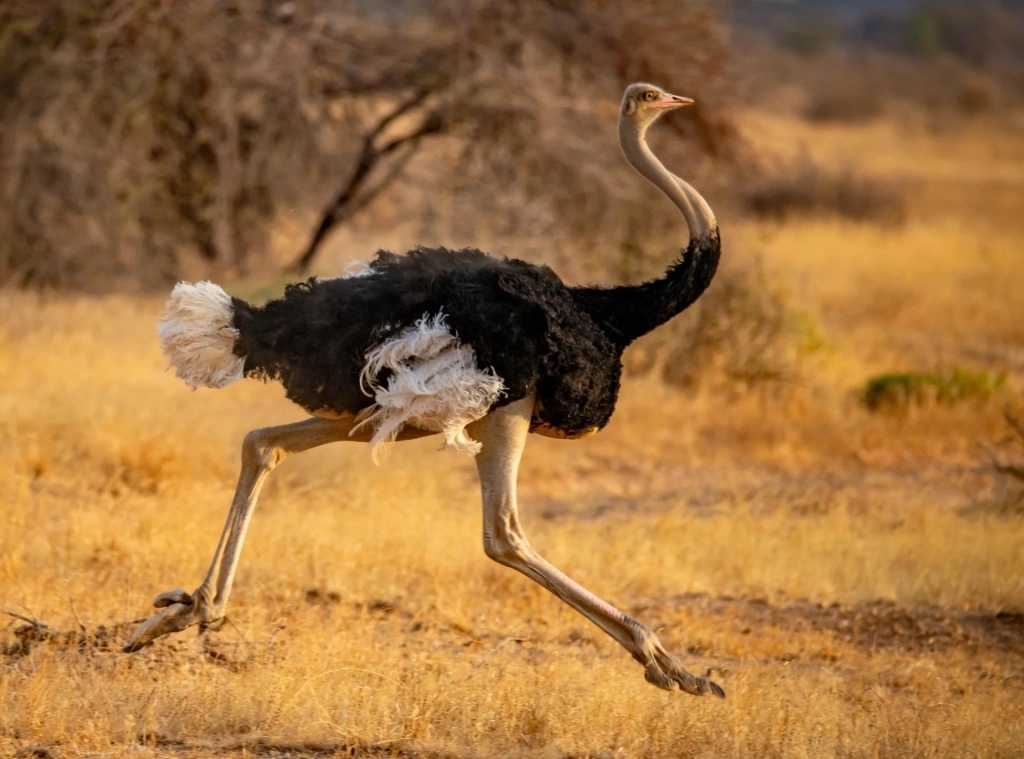
The ostrich is the tallest and heaviest bird in the world, yet it cannot fly. It inhabits open African landscapes, from savannas to semi-arid woodlands. Its long legs and powerful body help it survive in predator-filled environments. Adults grow nearly 3 meters (9.8 ft) tall, and males typically weigh 100–150 kg (220–330 lb), sometimes slightly more.
Although flightless, ostriches compensate with speed. They can accelerate to over 70 km/h (43 mph) and maintain this pace for extended periods. A powerful kick from an ostrich can even kill a predator.
8. The largest reptile in the world – saltwater crocodile
- Average weight: males about 500 kg (1,100 lb); females about 100 kg (220 lb)
- Average length: 3–5 meters (9.8–16 ft); females are smaller
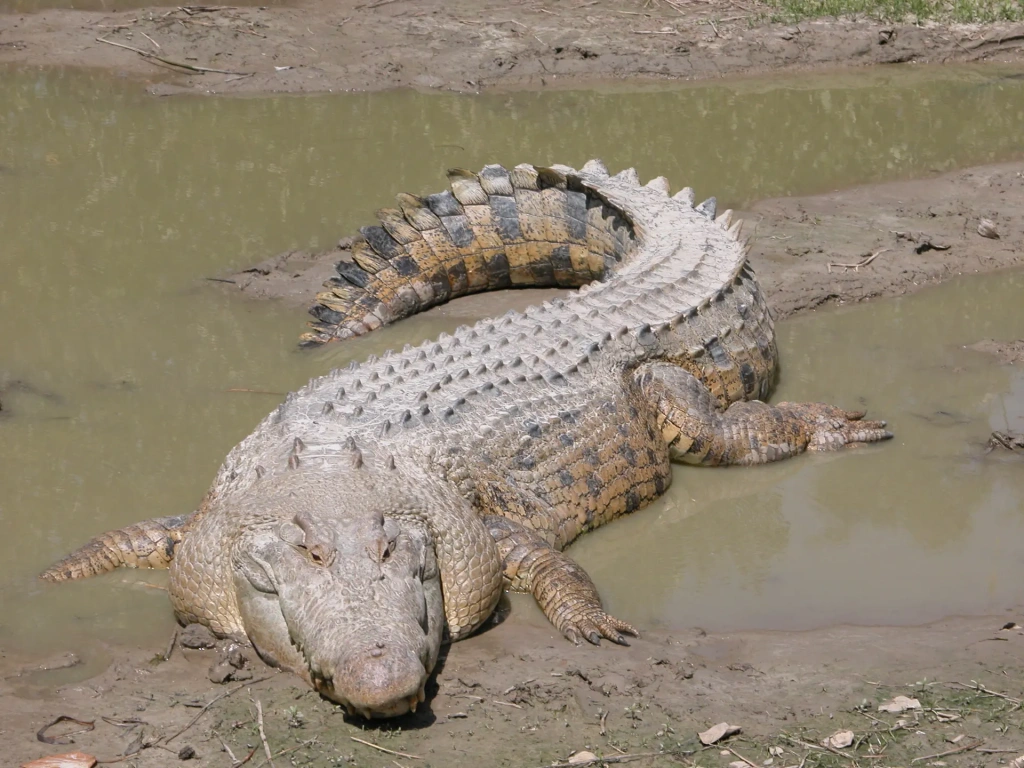
Saltwater crocodiles, also known as estuarine crocodiles, are the largest living reptiles. Adult males typically reach 5 meters (16 ft) in length and weigh around 500 kg (1,100 lb), while females are significantly smaller, measuring about 3 meters (9.8 ft) and weighing under 100 kg (220 lb). They inhabit the coastal waters of Southeast Asia, northern Australia, and Pacific islands.
The largest captive individual ever recorded was named Lolong. He measured 6.17 meters (20.2 ft) and weighed over one ton (2,200 lb). In November 2011, British crocodile expert Adam Britton personally measured him under mild sedation and confirmed that Lolong was the largest crocodile ever measured in captivity. Sadly, after about a year and a half in captivity, he died on February 10, 2013, from pneumonia followed by cardiac arrest.
Male saltwater crocodiles dominate their territories but can travel long distances and are highly aggressive toward rivals. They are true apex predators, feeding on fish, birds, mammals, and even large prey, including hoofed animals.
9. The largest fish in the world – whale shark
- Average weight: 10–15 tons (11–16.5 US tons)
- Average length: 10–12 meters (33–39 ft)
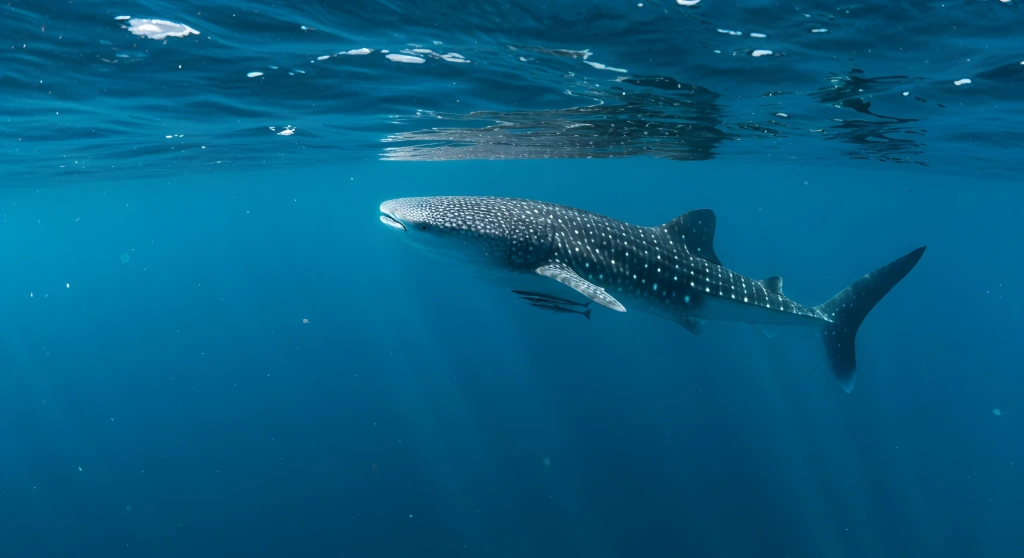
The largest individuals can grow up to 18 meters (59 ft) in length, although most are considerably smaller. The average adult measures around 10–12 meters (33–39 ft), and large specimens may weigh over 10–15 tons (11–16.5 US tons).
Unlike typical predators, the whale shark feeds by swimming with its mouth wide open, taking in vast amounts of water and filtering out food using specialized gill pads that function like a sieve. Although it has teeth, they do not play a role in feeding and are considered vestigial.
In Tanzania, whale sharks can be observed from November to March during diving excursions off Mafia Island. Boats take visitors from shore to feeding areas, where the sharks often remain in shallow waters. They behave calmly and quickly become accustomed to people, showing no aggression.
These underwater giants migrate over long distances in search of food. Each spring, whale sharks gather along the continental shelf of Western Australia, particularly near Ningaloo Reef, where coral spawning creates enormous concentrations of plankton.
According to National Geographic, despite their immense size, whale sharks are peaceful and sometimes even allow swimmers to approach closely without displaying any aggression.
All content on Altezza Travel is created with expert insights and thorough research, in line with our Editorial Policy.

Want to know more about Tanzania adventures?
Get in touch with our team! We've explored all the top destinations across Tanzania. Our Kilimanjaro-based adventure consultants are ready to share tips and help you plan your unforgettable journey.