





 52 reasons
  Free PDF


 Message us on WhatsApp
  Book a Free Call

 Safari
 Tanzania has a warm tropical climate, with daytime temperatures typically ranging from 20–30°C (68–86°F), depending on the region and altitude. The coast and Zanzibar are warm and humid year-round, while the northern safari parks enjoy milder temperatures thanks to their elevation. On Mount Kilimanjaro, temperatures decrease with altitude, ranging from tropical conditions at the base to well below freezing near the summit.
Rather than four distinct seasons, Tanzania has two dry seasons and two rainy seasons. The long dry season lasts from June to October, followed by the short rains in November and December. January and February form a short dry season, while the long rains typically run from March to May. The exact timing and intensity of rainfall can vary slightly from year to year.
Weather in Tanzania is influenced more by altitude and location than by latitude. This guide explains what to expect throughout the year and how the seasons affect safaris, Kilimanjaro climbs, and beach holidays in Zanzibar.
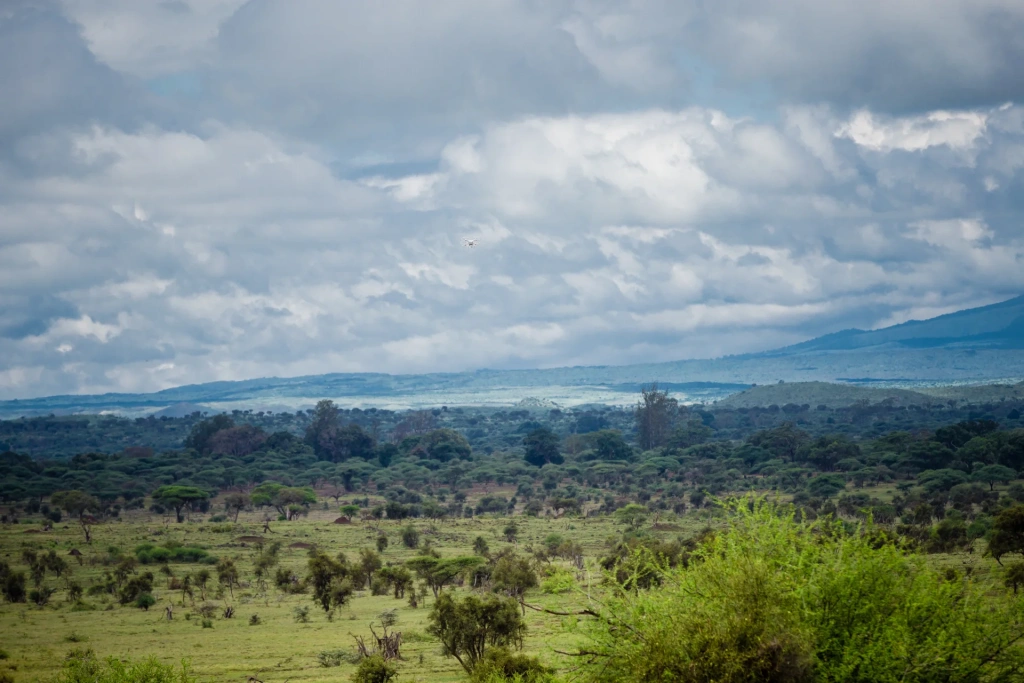
Tanzania weather at a glance
* At Uhuru Peak (5,895 m / 19,341 ft), daytime temperatures often remain below freezing, while nighttime temperatures commonly range from −20 to −10°C (−4 to 14°F).
Tanzania's seasons
Long dry season (June – October)
Weather: Sunny days, low humidity, and little rainfall. Temperatures are pleasant across most of the country, while mornings and evenings can be cool in the highlands.
Travel conditions: The dry weather makes travel easy, with good road conditions and excellent visibility. As vegetation becomes thinner, wildlife is easier to spot around rivers and waterholes. This is one of the busiest times to visit Tanzania.
Best for: Safaris, climbing Kilimanjaro, Zanzibar holidays, and the Great Migration river crossings.
Short rains (November – December)
Weather: Short, scattered showers return, often in the afternoon or evening, with warm temperatures and plenty of sunshine between them.
Travel conditions: Most travel plans are unaffected by the rain. The landscape turns green, migratory birds arrive, and national parks are generally quieter than during the peak dry season. November is one of Tanzania's shoulder-season months, offering an excellent balance of good weather, fewer crowds, and lower prices. Visitor numbers increase sharply during the Christmas and New Year holidays.
Best for: Safaris with fewer crowds, birding, photography, and Zanzibar holidays.
Short dry season (January – February)
Weather: Warm, mostly dry weather returns before the long rains begin. Conditions are generally sunny, with relatively low humidity.
Travel conditions: Another excellent season, with ideal conditions for travel across the country. It is one of the best times for both safaris and climbing Kilimanjaro, although the first week of January remains busy due to the holiday period.
Best for: Safaris, climbing Kilimanjaro, Zanzibar holidays, and the Great Migration calving season in southern Serengeti.
Long rains (March – May)
Weather: Tanzania's main rainy season, with April typically receiving the heaviest rainfall. Showers are more frequent and longer-lasting than during the short rains, although sunny periods are still common.
Travel conditions: Some seasonal roads, particularly in remote areas, may become difficult to access, while most major safari destinations remain open. Visitor numbers are at their lowest, and the landscape is at its greenest.
Best for: Birding, lush landscapes, fewer crowds, and lower-season rates.


Tanzania weather by month
Below is a month-by-month overview of Tanzania's weather and travel conditions. Each summary highlights what to expect for safaris, climbing Kilimanjaro, and visiting Zanzibar, helping you choose the best time for your trip.
January
Weather: Warm and mostly dry across Tanzania, with occasional short showers.
Safari: Excellent. The Great Migration spends the month in the southern Serengeti, where the calving season gets underway. Wildlife viewing is excellent across the Northern Circuit.
Kilimanjaro: One of the best months to climb, with generally dry weather and good summit conditions.
Zanzibar: Warm, sunny, and ideal for beach holidays and water activities.
Crowds: Moderate after the New Year holiday period.
February
Weather: Warm, sunny, and one of the driest months before the long rains.
Safari: Excellent. Peak calving season in the southern Serengeti attracts predators, creating some of the year's best wildlife viewing.
Kilimanjaro: Excellent climbing conditions, with stable weather and outstanding visibility.
Zanzibar: Hot, sunny, and perfect for swimming, diving, and snorkeling.
Crowds: Moderate. Excellent weather and fewer visitors than during the main dry season.
March
Weather: The long rains usually begin during March, although their arrival varies from year to year.
Safari: Good wildlife viewing continues across most parks, especially early in the month, while the landscape gradually becomes greener.
Kilimanjaro: Rain becomes more frequent, making climbing conditions less predictable.
Zanzibar: Warm temperatures continue, with increasing humidity and more frequent showers.
Crowds: Generally quiet, particularly later in the month.
April
Weather: Usually the wettest month of the year, with frequent and sometimes prolonged rainfall.
Safari: Lush green landscapes, excellent birding, and very few visitors. Some unpaved roads, particularly in remote parks, may become difficult to access.
Kilimanjaro: Generally the most challenging month to climb due to persistent rain and muddy trails.
Zanzibar: Heavy rainfall is common, although sunny periods still occur.
Crowds: Low, with some of the year's best prices.
May
Weather: Rainfall remains significant during much of the month, but conditions usually improve toward the end of May.
Safari: Lush green landscapes, fewer visitors, and improving road conditions make late May an attractive time to visit.
Kilimanjaro: Climbing conditions improve as the month progresses, particularly during the second half.
Zanzibar: Rain gradually eases, and beach conditions improve toward the end of the month.
Crowds: Low, gradually increasing as the dry season approaches.
June
Weather: The long dry season begins with sunny days, low humidity, and cooler mornings.
Safari: Excellent wildlife viewing as vegetation begins to thin, making animals easier to spot. As the dry season progresses, wildlife gradually concentrates around permanent water sources.
Kilimanjaro: Excellent climbing conditions with clear skies and cool temperatures.
Zanzibar: Warm, dry, and comfortable, with lower humidity.
Crowds: High. The peak safari season begins.
July
Weather: Dry, sunny, and pleasantly cool, especially in the mornings and evenings.
Safari: One of the best months for wildlife viewing throughout Tanzania.
Kilimanjaro: Excellent climbing conditions make this one of the busiest months on the mountain.
Zanzibar: Sunny weather and comfortable temperatures make it one of the best times to visit.
Crowds: Peak season. Book accommodation and climbs well in advance.
August
Weather: Dry and sunny throughout most of the country.
Safari: Outstanding wildlife viewing. Great Migration river crossings are often seen from late July onwards, although their exact timing varies each year.
Kilimanjaro: Excellent climbing conditions continue, although trails remain busy.
Zanzibar: Warm, dry weather with ideal beach conditions.
Crowds: Peak season across most destinations.
September
Weather: Warm, dry weather continues with little rainfall.
Safari: Good wildlife viewing. Great Migration river crossings may continue, depending on the movement of the herds.
Kilimanjaro: Excellent climbing conditions with slightly fewer climbers than in July and August.
Zanzibar: Sunny, dry weather is ideal for beach holidays.
Crowds: Busy, but generally less crowded than mid-summer.
October
Weather: Mostly dry and warm, with the first short rains sometimes arriving late in the month.
Safari: Excellent wildlife viewing continues before the short rains arrive.
Kilimanjaro: Very good climbing conditions, particularly during the first half of the month.
Zanzibar: Warm weather and plenty of sunshine make October an excellent month to visit, although the short rains may begin toward the end of the month.
Crowds: Busy, with visitor numbers beginning to ease toward the end of the month.
November
Weather: The short rains bring scattered showers, often in the afternoon or evening.
Safari: Good wildlife viewing, green landscapes, excellent birding, and relatively few visitors make November one of Tanzania's best shoulder-season months.
Kilimanjaro: Still a good month to climb for those who don't mind occasional rain and prefer quieter trails.
Zanzibar: Warm temperatures with a mix of sunshine and short tropical showers.
Crowds: Low to moderate.
December
Weather: Warm weather continues as the short rains usually ease, although conditions remain variable from year to year.
Safari: Good wildlife viewing throughout the month, with generally drier conditions returning toward the end of December. Visitor numbers rise sharply during the Christmas and New Year holidays.
Kilimanjaro: Good climbing conditions generally return as the short rains ease, although weather can still be variable.
Zanzibar: Warm, tropical weather makes it a popular destination for festive-season beach holidays.
Crowds: Moderate early in the month, becoming very busy over Christmas and New Year.
Average precipitation by month in Tanzania
Weather & climate in Tanzania by destination
Northern safari circuit
The Northern Circuit, including Serengeti, Ngorongoro, Tarangire, and Lake Manyara, has warm daytime temperatures that typically range from 24–28°C (75–82°F), although lower-elevation parks such as Tarangire can be warmer. Seasonal rainfall influences wildlife viewing more than temperature, making safaris rewarding throughout the year.
Mount Kilimanjaro
Kilimanjaro's climate changes dramatically with altitude. Temperatures range from warm tropical conditions at the base to well below freezing at the summit, with climbers passing through five distinct climate zones during the ascent. For a detailed month-by-month guide, see our blog post on the best time to climb Kilimanjaro.
Zanzibar
Zanzibar has a warm tropical climate throughout the year, with daytime temperatures typically between 28–32°C (82–90°F) and sea temperatures of 25–29°C (77–84°F). Humidity is highest during the rainy seasons, while the dry months generally offer the best conditions for beach holidays and water sports. Learn more in our guide to the best time to visit Zanzibar.
When is the best time to visit Tanzania?
For more detailed recommendations, explore our guides to the best time for safari in Tanzania, Kilimanjaro weather, the best time to visit Zanzibar, and the Great Migration.
Frequently asked questions
Tanzania has a warm tropical climate with two dry seasons and two rainy seasons. Daytime temperatures typically range from 20–32°C (68–90°F), depending on altitude and location. Coastal areas and Zanzibar are warmer and more humid, while the northern safari parks and Arusha are cooler because of their elevation.
July is one of the coolest and driest months of the year. Sunny days, low humidity, and little rainfall make it one of the best months for safaris, climbing Mount Kilimanjaro, and visiting Zanzibar.
February is generally the hottest month, especially in lowland areas and along the coast. Inland temperatures are moderated by elevation, while Zanzibar and southern Tanzania remain warm throughout the year.
July is usually the coolest month. Days remain pleasantly warm in most destinations, but mornings and evenings can be chilly in the northern safari parks and around Mount Kilimanjaro.
Not usually. During the short rains (November–December), showers are often brief and followed by sunshine. The long rains (March–May), particularly in April, are more likely to bring prolonged or heavy rainfall.
Yes. April is the wettest month, but national parks remain open, landscapes are lush, birdwatching is excellent, and visitor numbers are low. Some remote roads may become more difficult to access after heavy rain.
Snow and glaciers are found near Kilimanjaro's summit throughout the year, although both have been shrinking over recent decades. Summit temperatures often fall well below freezing at night.
All content on Altezza Travel is created with expert insights and thorough research, in line with our Editorial Policy.

Want to know more about Tanzania adventures?
Get in touch with our team! We've explored all the top destinations across Tanzania. Our Kilimanjaro-based adventure consultants are ready to share tips and help you plan your unforgettable journey.
 Climbing
  Safari
  About Altezza
  About Tanzania